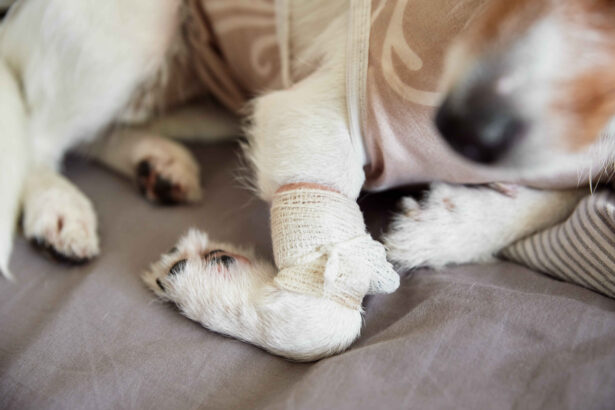

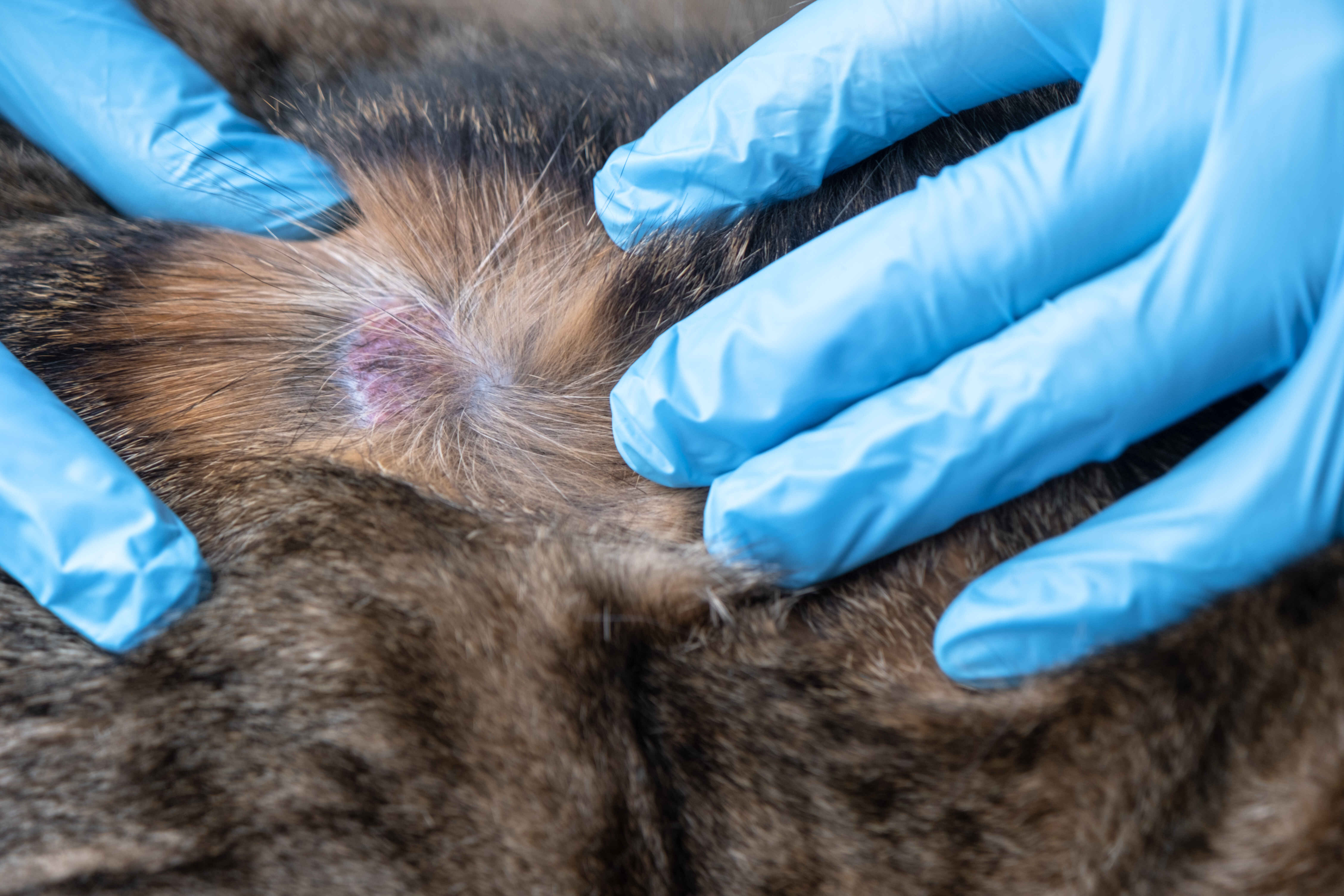
Dog rash treatment depends entirely on the underlying cause of the rash. Mild irritation caused by environmental allergies or contact dermatitis can often be treated at home with gentle cleansing, soothing oatmeal baths, and pet-safe topical products.
- What Does a Dog Rash Look Like?
- How to Tell What Kind of Rash Your Dog Has
- Common Causes of Dog Rashes
- How to Treat a Dog Rash at Home
- What Can You Put on a Dog’s Rash?
- Veterinary Treatments for Severe Dog Rashes
- When to See a Vet
- How to Prevent Dog Skin Rashes
- Conclusion
- Frequently Asked Questions About Dog Rash Treatment (FAQ)
However, skin conditions can escalate quickly if left unmonitored. Severe, rapidly spreading, or oozing rashes require immediate veterinary care to prevent deep secondary infections.
As a pet parent, understanding the root cause of your dog’s discomfort is the first step toward relief. This guide breaks down common clinical symptoms, safe at-home interventions, and when professional medical diagnostics are necessary.
What Does a Dog Rash Look Like?
Before beginning any form of care, you must observe the physical characteristics of the skin. A standard rash on dog skin can present in several distinct ways depending on the underlying trigger.
You may notice generalized redness, small raised bumps (papules), flaky dandruff, or localized hair loss. The skin might feel warmer than usual to the touch or appear slightly swollen in the affected area.
It is important to differentiate a mild rash from more complex lesions. For example, acute moist dermatitis (commonly known as a hot spot) appears as a rapidly developing, moist, and raw patch of skin that requires a very specific medical approach.
How to Tell What Kind of Rash Your Dog Has
Veterinarians often use visual cues and odors to narrow down the potential cause of canine dermatitis. While a professional diagnosis is always recommended, observing these patterns can be highly informative.
| Symptom / Appearance | Likely Cause |
|---|---|
| Musty or “Fritos” odor, greasy skin | Yeast overgrowth (Malassezia) |
| Circular patches of hair loss, scaly skin | Ringworm or other fungal infections |
| Itching concentrated at the base of the tail | Flea allergy dermatitis |
| Redness localized to the hairless belly area | Contact allergy (grass, fertilizer) |
| Rapidly oozing, raw, and highly localized patch | Hot spot (usually from self-trauma) |
Common Causes of Dog Rashes
Implementing an effective dog skin rash treatment means identifying the primary trigger. Skin irritation is usually a symptom of a broader systemic or environmental issue.
Allergies and Contact Dermatitis
Environmental allergies (atopy) triggered by pollen, dust mites, or mold are leading causes of itchy skin in dogs. Food allergies, typically reacting to common proteins like beef or chicken, can also manifest as chronic skin inflammation.
Contact dermatitis occurs when the dog physically touches an irritant. Common culprits include harsh floor cleaning chemicals, garden fertilizers, or irritating plant saps.
Infections and Parasites
Bacterial skin infections often develop secondarily when a dog repeatedly scratches an allergic itch, breaking the skin barrier. Fungal issues, such as a fungal dog rash, thrive in warm, moist areas like ear canals and armpits.
Parasites are another frequent cause. Flea allergy dermatitis is an extreme reaction to a single flea bite, while mites can cause varying types of mange that lead to significant discomfort and hair loss.
How to Treat a Dog Rash at Home
If you are exploring how to treat a dog rash at home, it is essential to proceed gently. Mild, non-infected rashes often respond well to supportive care.
Clean and Dry the Area
Begin by gently washing the irritated skin with lukewarm water to remove potential surface allergens. Use a mild, hypoallergenic pet cleanser and ensure you pat the area completely dry, as trapped moisture promotes bacterial growth.
Soothe the Itch and Prevent Licking
A cool colloidal oatmeal bath can provide widespread relief for generalized skin inflammation. According to veterinary care guidelines published by the AVMA, preventing self-trauma is crucial during the healing phase.
You must use an Elizabethan collar (a recovery cone) to stop your dog from licking the rash. While some owners inquire about using apple cider vinegar for a dog rash, it should be used with extreme caution and never applied to broken skin.
What Can You Put on a Dog’s Rash?
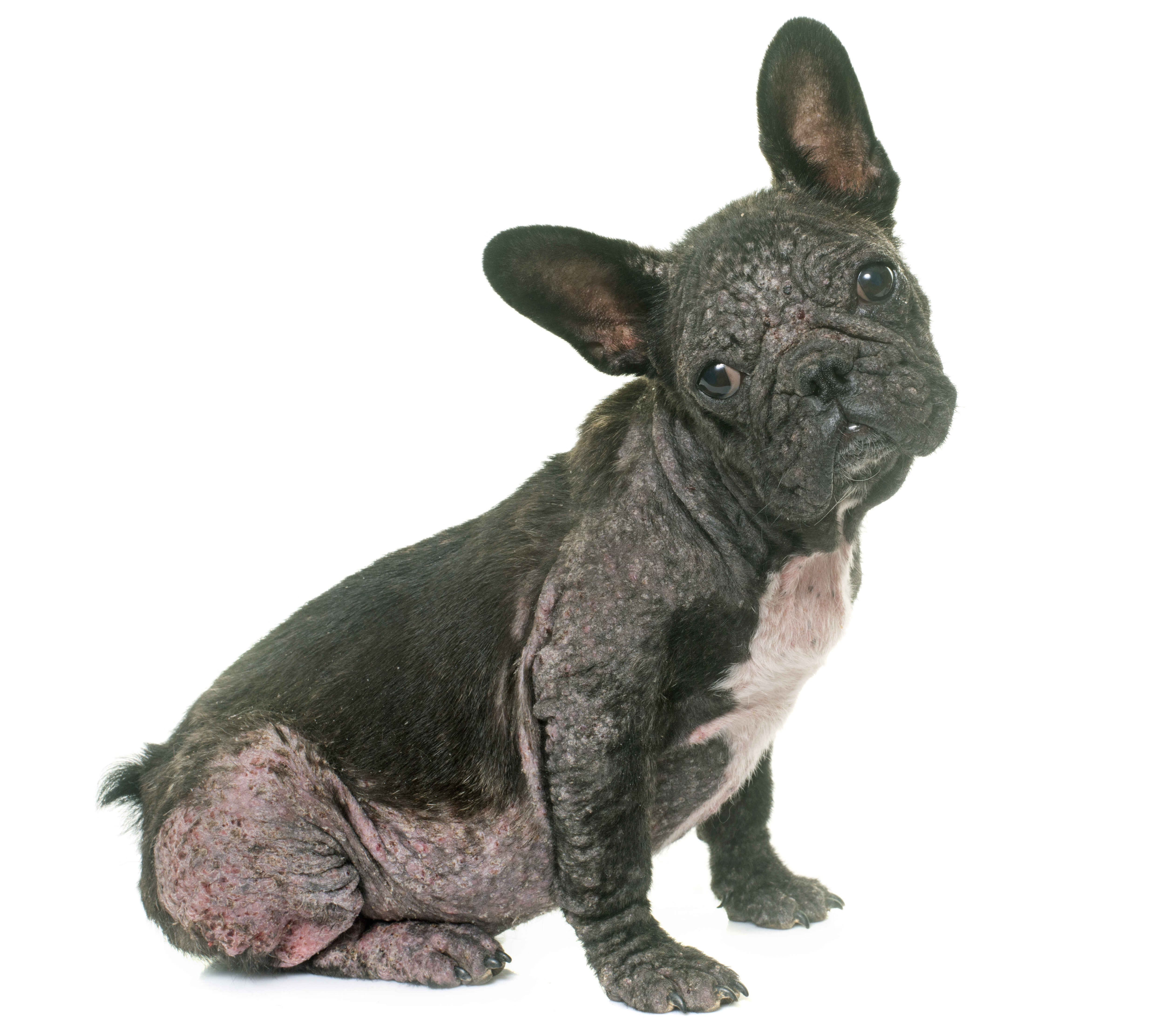
When determining the best thing to put on a dog’s rash, it is best to stick to products explicitly formulated for veterinary use. Human products may contain ingredients that are unsafe if ingested.
If you are asking what cream can I use for a rash on my dog, mild, pet-safe hydrocortisone or calendula topicals can help reduce localized redness. You can explore a variety of dog rash cream options for targeted relief.
For more widespread skin issues, utilizing the best dog rash shampoos during bath time can help manage environmental allergens. Alternatively, keeping the best dog itch relief sprays on hand provides a quick, touch-free way to soothe sudden flare-ups.
Veterinary Treatments for Severe Dog Rashes
When home remedies are insufficient, veterinary intervention is necessary to resolve the issue safely. Clinics have access to diagnostics that can pinpoint the exact pathogen causing the problem.
For bacterial skin infections, your veterinarian will typically prescribe a course of oral antibiotics alongside a medicated topical treatment. Fungal or yeast infections will require specific antifungal medications to clear the overgrowth.
If chronic allergies are the root cause, veterinarians may utilize advanced anti-itch allergy medications, such as Apoquel or Cytopoint injections. These therapies safely disrupt the neurological itch cycle, providing the dog with much-needed relief.
When to See a Vet
Monitoring your dog’s skin daily helps you determine when professional care is required. Delaying a veterinary visit can allow a simple rash to evolve into a complex systemic infection.
- The Rash Is Spreading Quickly: If the redness expands significantly within a 24-hour period, a veterinary assessment is needed.
- Oozing, Bleeding, or Crusting: The presence of yellow crusts, pus, or a foul odor strongly indicates a bacterial or yeast infection.
- The Dog Seems in Pain: If your dog flinches, growls, or seems unusually lethargic, the rash is causing significant distress.
- It Lasts More Than 48–72 Hours: If diligent home care does not improve the skin condition within three days, schedule a clinical exam.
How to Prevent Dog Skin Rashes
Proactive care is the most reliable form of dog rash treatment. Maintaining a consistent grooming and preventative health routine keeps the skin barrier robust and healthy.
Administering reliable, year-round flea and tick prevention protects your dog from parasite-induced dermatitis. Routine brushing removes dead hair and environmental allergens before they cause irritation.
Furthermore, supporting skin health from the inside out is highly beneficial. The Cornell Canine Health Center notes that balanced diets rich in essential fatty acids help maintain a resilient skin barrier, reducing the likelihood of allergic flare-ups.
Conclusion
Managing canine skin issues requires a balanced approach of observation, gentle home care, and timely medical intervention. By understanding the common causes and knowing when to escalate from a basic dog skin rash treatment to a veterinary visit, you can protect your pet’s overall well-being.
Always keep a close eye on your dog’s scratching habits, utilize pet-safe topicals to soothe mild irritation, and rely on your veterinarian for complex or persistent cases. With the right care plan, your dog can comfortably enjoy an active, itch-free life.
Frequently Asked Questions About Dog Rash Treatment (FAQ)
What is the best thing to put on a dog’s rash?
For a mild, dry rash, a pet-specific soothing cream containing aloe or a veterinary hydrocortisone spray is often the best choice. For widespread itching, a cool bath using a colloidal oatmeal shampoo can safely soothe the skin without relying on heavy medications.
Can I Use Neosporin on My Dog’s Rash?
It is generally not recommended to use human Neosporin on dogs without veterinary approval. While the antibiotic properties can treat minor scrapes, the ointment is not formulated for canine ingestion. If your dog licks the Neosporin, it can cause mild to moderate gastrointestinal upset.
How Long Does a Dog Rash Take to Heal?
The healing timeline depends entirely on the cause. A mild contact rash may clear up within 24 to 48 hours after the irritant is washed away. However, bacterial or fungal infections treated with prescription medications typically take 10 to 14 days of consistent care to fully resolve.
Why Does My Dog Keep Getting Rashes?
Recurrent rashes are usually a primary indicator of undiagnosed environmental or food allergies. If your dog suffers from continuous skin breakouts, a veterinarian may need to perform allergy testing or initiate an elimination diet trial to identify and remove the chronic trigger.
Can a dog rash heal on its own?
Very minor, non-infected rashes caused by brief contact with rough brush or grass may resolve independently. However, any rash caused by parasites, yeast, or systemic allergies requires intervention. Leaving an active infection untreated will only cause the condition to worsen and spread.