

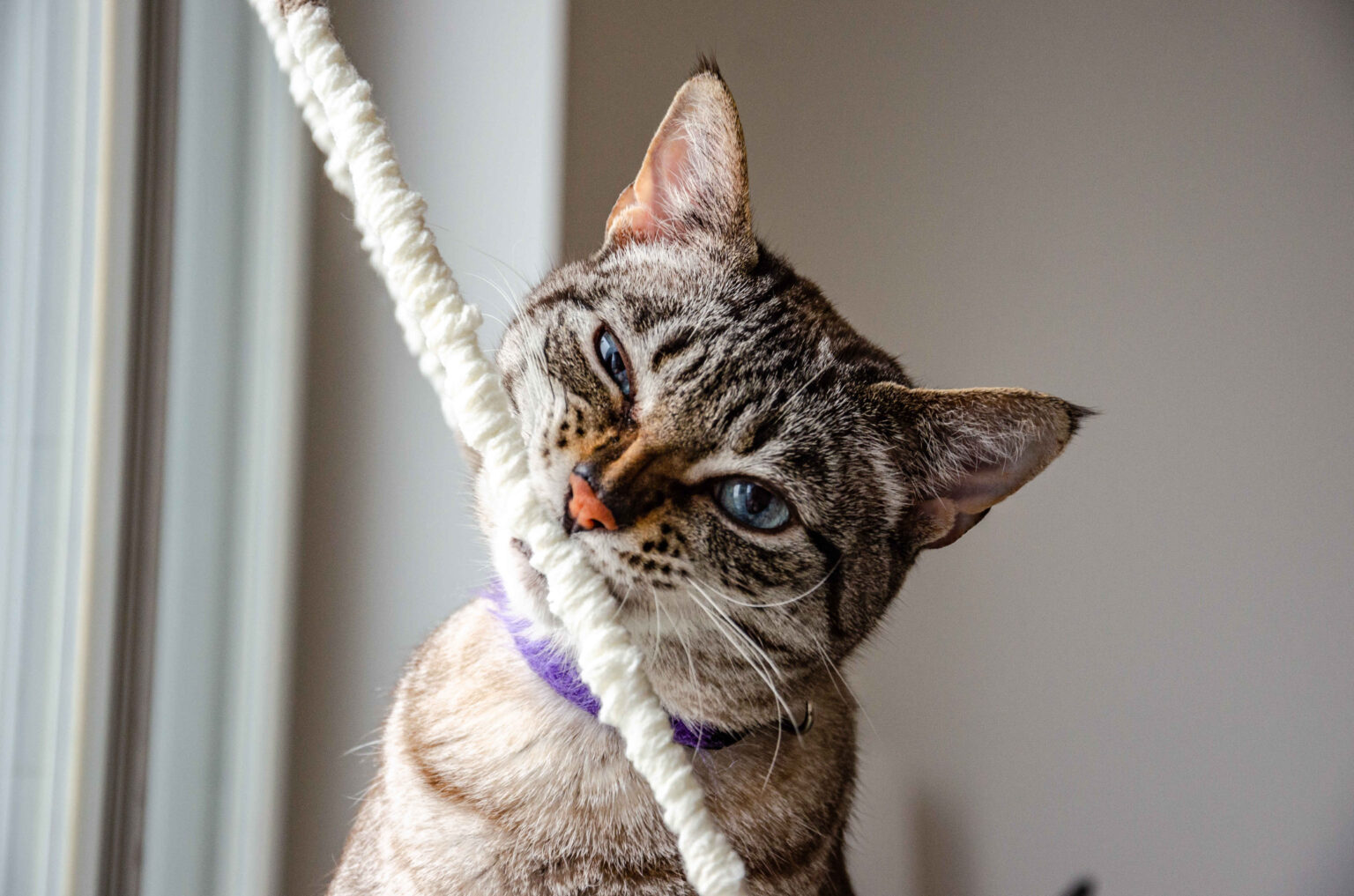
If your cat has suddenly started avoiding the litter box, aggressively shredding your expensive couch, or biting your ankles as you walk down the hallway, you are likely feeling frustrated and overwhelmed. Dealing with cat behavior problems can make you feel like your feline friend is acting out of spite or anger. However, the truth is that these cat behavior problems are almost always a desperate form of communication. Your cat is trying to tell you that something in their world is unbalanced, highly stressful, or physically painful.
- 1. Understanding the Root Causes of Cat Behavior Problems
- 2. Common Cat Behavior Problems (and How to Fix Them)
- 3. Why Does My Cat Get Bored So Easily During Playtime?
- 4. Preventative Measures for Cat Behavior Problems
- 5. Seeking Professional Help: The Role of a Cat Behaviorist
- How Much Does a Cat Behaviorist Cost?
- Is a Cat Behaviorist Worth the Money?
- 🚨 When to See Your Vet Immediately
- Conclusion
- Frequently Asked Questions (FAQ)
- Why Does My Cat Get Bored So Easily During Playtime?
- How Much Does a Cat Behaviorist Cost?
- Is a Cat Behaviorist Worth the Money?
- Why is my cat suddenly peeing outside the litter box?
- References & Further Reading
Unresolved cat behavior problems are among the top reasons felines are tragically surrendered to shelters every year, yet the vast majority of these issues are entirely solvable once you understand the underlying root cause. From environmental stressors to instinctual boredom, decoding what your cat actually needs is the critical first step toward restoring peace in your home. In this comprehensive guide, we will explore the most common cat behavior problems, dive deep into why cats get bored during playtime, and break down the costs and benefits of hiring a professional cat behaviorist to help you reclaim your bond with your pet.
1. Understanding the Root Causes of Cat Behavior Problems
Before implementing any corrective solutions, it is crucial to understand how cats perceive the world around them. Cats are not small humans. They are semi-solitary ambush predators with incredibly strong territorial instincts. When their environment fails to cater to these deeply ingrained biological needs, chronic stress manifests as what we perceive to be “bad” behavior.
Three core principles drive nearly every feline action and reaction:
- Territorial Security: Cats need to feel absolute ownership over their core living space. They rely heavily on scent-marking (rubbing their cheeks on doorways, scratching furniture, or unfortunately, urine spraying) to make an area feel familiar and safe.
- Resource Abundance: In the wild, cats do not naturally share their resources. In a modern multi-cat household, forcing felines to share a single food bowl, water dish, or litter box creates massive, underlying tension and anxiety.
- Predictable Routines: Cats absolutely despise sudden changes. A new piece of furniture, a sudden change in your daily work schedule, or the introduction of a new pet can trigger profound anxiety that rapidly leads to destructive behavior.
2. Common Cat Behavior Problems (and How to Fix Them)
When trying to resolve a new and troubling behavior, the first step is always to differentiate between a medical crisis and a behavioral quirk. The Cornell Feline Health Center stresses that any sudden change in behavior warrants an immediate veterinary checkup to rule out underlying pain. For a deeper understanding of feline wellness, visit our comprehensive cat care guide.
| Behavior Issue | Potential Medical Cause | Potential Behavioral Cause |
|---|---|---|
| Inappropriate Elimination | Urinary Tract Infection (UTI), Kidney Disease, Arthritis. | Dirty litter box, wrong litter type, territorial stress. |
| Excessive Vocalization | Hyperthyroidism, Cognitive Dysfunction (dementia), Deafness. | Attention-seeking, boredom, separation anxiety. |
| Sudden Aggression | Dental pain, undiagnosed injury, hyperesthesia. | Fear, redirected aggression (seeing outdoor cats), overstimulation. |
| Over-Grooming | Flea allergy dermatitis, food allergies, skin mites. | Chronic environmental stress, extreme boredom. |
Inappropriate Elimination (Cat Peeing Outside Box)
A cat peeing outside the box is the number one behavioral complaint among feline owners. It is vital to understand that this is almost always a medical issue first. Conditions like Feline Idiopathic Cystitis (FIC) or bladder crystals make urinating agonizing. The cat associates the litter box with physical pain and seeks out soft, cool surfaces (like your bed, couch, or laundry pile) instead.
If your veterinarian gives your cat a clean bill of health, the issue is likely litter box aversion. To fix this environmental problem:
- Follow the N+1 Rule: You must have one litter box per cat, plus one extra. If you have two cats, you absolutely need three separate boxes.
- Location Matters: Place boxes in quiet, low-traffic areas. Avoid placing them next to noisy appliances like washing machines or directly next to their food and water bowls.
- Keep it Clean: Cats are notoriously fastidious. Scoop the boxes at least once daily and use an unscented, fine-grained clumping litter that feels soft on their delicate paw pads.
Destructive Scratching
Scratching is a biological necessity for cats. They do it to shed the dead outer sheath of their claws, stretch their back muscles, and leave both visual and scent markers for other animals. You cannot stop a cat from scratching, but you can effectively redirect it. If your cat is destroying your furniture, place a tall, sturdy sisal-rope scratching post directly next to the targeted couch corner. Apply double-sided sticky tape to the couch to make the texture unappealing, and reward your cat with high-value treats whenever they use the appropriate post.
3. Why Does My Cat Get Bored So Easily During Playtime?
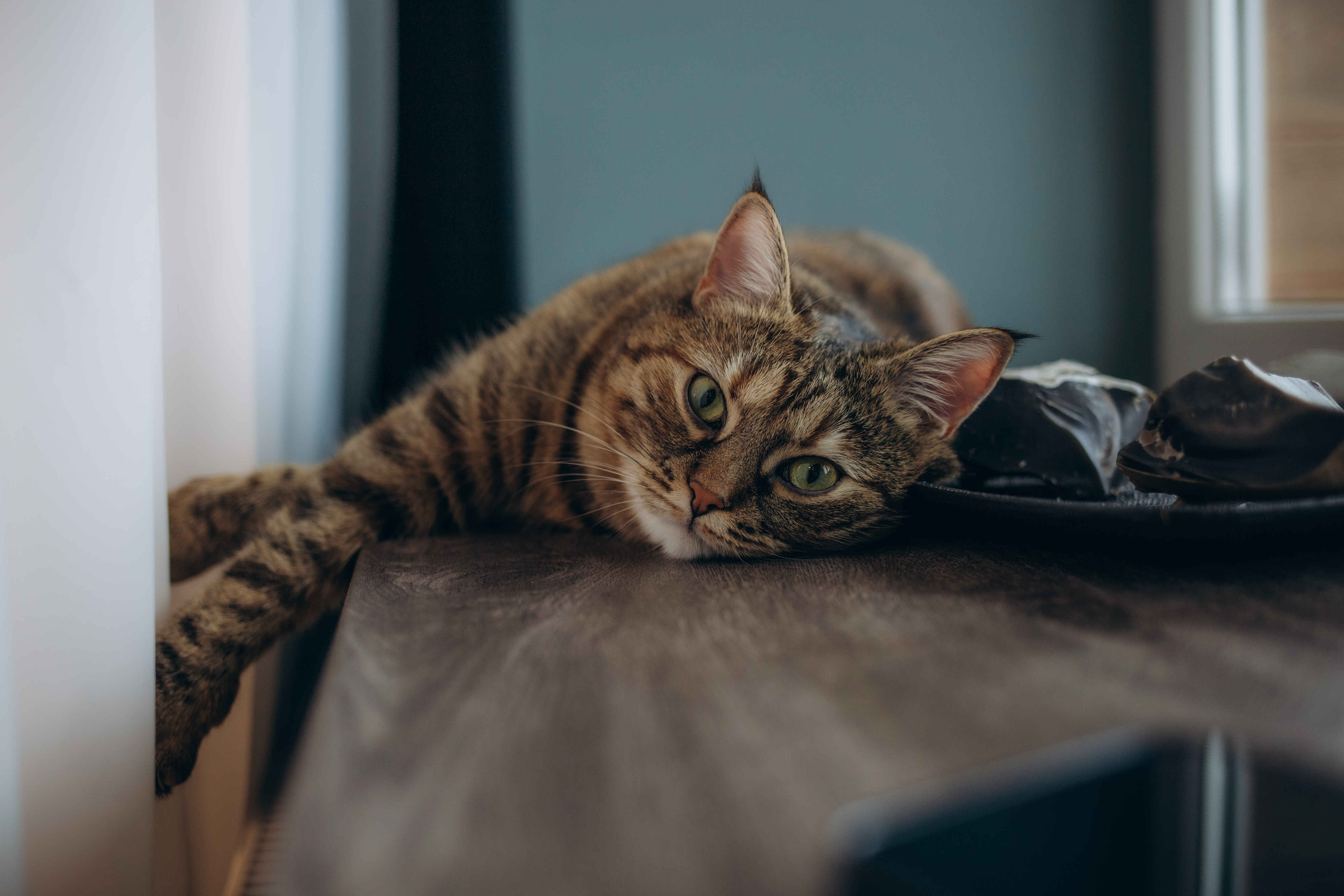
Many owners try to fix aggressive or destructive behaviors by playing with their cats, only to find that the cat loses interest after just two minutes. If you find yourself frequently asking, “Why does my cat get bored so easily during playtime?”, the answer lies in deeply understanding their natural predatory sequence.
In the wild, a cat’s hunting sequence is highly structured: Stare → Stalk → Chase → Pounce → Catch → Kill → Eat.
When you play with your cat, you must simulate this entire cycle. If your cat is getting bored rapidly, you are likely making one of these common interaction mistakes:
The Prey Isn’t Acting Like Prey:
Dangling a toy directly in your cat’s face is unnatural and deeply annoying to them. Real prey runs away, hides behind furniture, and freezes in fear. Drag a wand toy around corners or under rugs to trigger their ambush instincts. Make the toy “hide” to encourage the stalking phase.
The Laser Pointer Frustration:
Laser pointers trigger the “chase” instinct brilliantly, but because the cat can never physically “catch” the red dot, they never get the neurological satisfaction of the kill. This leads to profound frustration, anxiety, and rapid boredom. Always end a laser session by pointing the laser at a physical kicker toy they can bite and bunny-kick.
Toy Fatigue:
If you leave all your cat’s toys scattered on the living room floor 24/7, they become “dead” objects. A dead, unmoving mouse isn’t fun to hunt. Keep interactive wand toys hidden in a closet and only bring them out for dedicated play sessions. Rotate their solo toys weekly to keep them novel and exciting.
Remember, cats are sprinters, not marathon runners. They are designed by nature for short, explosive bursts of energy. A successful play session only needs to last 10 to 15 minutes, ending with the cat catching the toy and receiving a high-protein treat to complete the “eat” phase of the hunt. This completes the cycle and leaves them deeply satisfied.
4. Preventative Measures for Cat Behavior Problems
To effectively prevent cat behavior problems from taking root in your home, owners must take a proactive approach that encompasses a cat’s unique environmental and psychological needs. A bored, under-stimulated cat will create their own “jobs”—which usually involve destroying your belongings, excessively vocalizing, or bullying other pets in the household.
Vertical Space is Crucial: Cats feel most secure when they can observe their territory from above. Providing tall cat trees, sturdy window perches, and wall-mounted shelving gives them a designated, safe space to retreat to when they feel anxious or overwhelmed by household activity.
Pheromone Therapy: For multi-cat households experiencing territorial tension, or cats exhibiting generalized anxiety, synthetic pheromone diffusers (like Feliway) can be an absolute game-changer. These plug-in diffusers mimic the calming facial pheromones cats naturally leave behind when they rub their cheeks on objects, biologically signaling to their brains that the environment is safe and secure.
5. Seeking Professional Help: The Role of a Cat Behaviorist
While many common issues can be resolved with simple environmental tweaks and dedicated playtime, some behaviors—such as severe inter-cat aggression that results in bloodshed, profound generalized anxiety, or relentless, daily urine marking—require professional intervention. This is where a Certified Cat Behaviorist comes in.
A certified behaviorist acts as a specialized feline psychologist. They evaluate your home environment, your cat’s detailed medical history, their subtle body language, and your daily routine to create a highly customized, scientifically backed behavior modification plan. But how much does this specialized service cost, and is it truly worth the financial investment?
How Much Does a Cat Behaviorist Cost?
The cost of hiring a cat behaviorist varies widely based on their specific credentials, your geographic location, and the severity of your cat’s issues. Generally, you are paying for their extensive, specialized education in animal psychology and their ability to formulate specific, actionable treatment protocols.
- Initial Consultations: A comprehensive initial assessment usually lasts between 60 to 90 minutes. Depending on the professional’s certifications (such as a Certified Applied Animal Behaviorist or a Board-Certified Veterinary Behaviorist), this initial deep-dive session typically ranges from $150 to $400.
- Follow-Up Sessions: Behavior modification takes time, consistency, and adjustment. Follow-up sessions, which are often shorter (30 to 45 minutes), generally cost between $75 and $150 per session.
- Package Deals: Many experienced behaviorists offer bundled packages (e.g., one initial consult plus three follow-ups and ongoing email support) for $300 to $600, which is often the most cost-effective route for complex, multi-layered issues like aggression between housemate cats.
Is a Cat Behaviorist Worth the Money?
When staring at a $300 consultation fee, many owners understandably hesitate. However, when evaluating the long-term Return on Investment (ROI) of hiring a professional, a cat behaviorist is almost always worth the money for persistent, destructive issues.
Consider the painful alternative costs of leaving a severe behavior problem unchecked:
- Property Damage: If your cat is urinating on expensive carpets or violently destroying a $2,000 sofa, the upfront cost of a behaviorist is significantly cheaper than constantly replacing ruined furniture, baseboards, and flooring.
- Medical Bills: Chronic stress in cats directly leads to physical illnesses, such as recurrent urinary blockages (which can quickly cost thousands of dollars in emergency vet bills). A behaviorist reduces the stress, thereby actively preventing stress-induced illnesses.
- Saving the Human-Animal Bond: The emotional toll of living with a highly aggressive or destructive cat is massive and exhausting. A behaviorist restores peace to your household. Most importantly, their intervention is often the deciding factor that prevents a frustrated, overwhelmed owner from surrendering their beloved pet to a shelter.
According to the ASPCA, seeking expert help early is the single most effective way to keep cats safely in their loving homes. Ultimately, a certified behaviorist provides you with a definitive roadmap, removing the exhausting guesswork and saving you months of potential heartbreak. You can find more behavioral insights in our feline health and training section.
🚨 When to See Your Vet Immediately
Never assume a sudden behavioral change is purely psychological. Do not wait on any of the following warning signs, as they strongly indicate a serious, potentially fatal medical condition:
- Straining in the litter box or producing no urine: A urinary blockage is a life-threatening emergency, particularly in male cats. They can die within 24 to 48 hours without immediate veterinary intervention.
- Sudden, unprovoked aggression in a previously friendly and calm cat (a primary indicator of severe, acute physical pain).
- Complete refusal to eat for more than 24 hours: Cats can rapidly develop deadly hepatic lipidosis (fatty liver disease) from very short periods of fasting or anorexia.
Conclusion
Living with a cat exhibiting severe cat behavior problems can test the very limits of your patience, but it is absolutely essential to remember that your cat is not actively trying to be bad or malicious. Whether they are urinating outside the box due to litter preferences, biting due to overstimulation, or getting bored during playtime because their predatory instincts aren’t being properly met, there is always a logical, biological feline reason behind the action.
By thoroughly auditing your home environment, upgrading your interactive playtime techniques, and partnering closely with your veterinarian, you can solve the vast majority of these challenges. By addressing these issues head-on with empathy, and investing in a certified cat behaviorist for the hurdles that seem insurmountable, you are performing a profound act of love that will pay dividends in restoring a peaceful, happy, and harmonious relationship with your feline best friend.
Frequently Asked Questions (FAQ)
Why Does My Cat Get Bored So Easily During Playtime?
Cats get bored easily during play when the toy does not accurately mimic the natural behavior of prey. If you dangle a toy directly in their face or leave toys lying on the floor 24/7, they lose interest. Furthermore, laser pointers cause frustration because the cat cannot physically catch the “prey.” To maintain engagement, make the toy hide around corners, and always end the play session by letting them physically catch a kicker toy, followed by a treat to simulate eating their catch.
How Much Does a Cat Behaviorist Cost?
The cost of a cat behaviorist depends heavily on their specific certifications and your geographic location. Generally, an initial comprehensive consultation ranges from $150 to $400. Follow-up sessions typically cost between $75 and $150. Many professionals offer package deals that bundle the initial assessment with a month of follow-up support for a slightly discounted overall rate.
Is a Cat Behaviorist Worth the Money?
Yes, a certified cat behaviorist is highly worth the investment for severe, persistent issues like inter-cat aggression or chronic litter box avoidance. When you weigh their fee against the cost of replacing urine-soaked carpets, buying new furniture, or treating stress-induced medical emergencies, hiring an expert saves you money in the long run. Most importantly, it restores peace to your home and prevents the heartbreak of pet surrender.
Why is my cat suddenly peeing outside the litter box?
Sudden inappropriate urination is most often a medical issue. Conditions such as urinary tract infections, bladder crystals, kidney disease, or painful arthritis are all common culprits. A veterinary visit must always come first. If physical causes are ruled out, evaluate the litter box for cleanliness, correct placement, and ensure you are providing enough boxes (one per cat, plus one extra).