

As a devoted cat owner, you already know that your feline companion’s health and happiness are paramount. Among the many aspects of their well-being, urinary health stands out as a highly critical and surprisingly common concern. The medical umbrella term, Feline Lower Urinary Tract Disease (FLUTD), encompasses a wide range of painful conditions that can cause severe discomfort, behavioral changes, and even life-threatening medical emergencies for our beloved cats.
- What Is Urinary Health Cat Food?
- How Urinary Cat Food Supports Bladder and Urinary Tract Health
- Decoding Feline Urinary Issues: FLUTD, Crystals, Stones & UTIs
- Signs Your Cat May Need a Urinary Support Diet
- Wet vs Dry Urinary Cat Food
- Ingredients to Look for in Urinary Health Cat Food
- Can Urinary Cat Food Help Prevent Crystals and Stones?
- Conclusion
- Frequently Asked Questions (FAQ)
- What is FLUTD and how does diet help?
- Is wet food always better than dry food for urinary health?
- Can I just add water to my cat’s dry food to help their urinary health?
- How long does it take for a urinary diet to show results?
- Are there any natural remedies or supplements I can give my cat for urinary health?
- References & Further Reading
Fortunately, preventative care starts right in their food bowl. Diet plays an incredibly pivotal role in both managing and preventing these severe flare-ups. Finding the best cat food for urinary health is not just about fancy marketing; it is about utilizing specific scientific formulations to alter the chemistry of your cat’s bladder, dissolve painful crystals, and dramatically increase their daily water intake.
In this comprehensive guide, we will delve deep into the science behind feline urinary health. We will explain exactly what causes these issues, provide a clear checklist of symptoms, and explore the best food for cats with urinary issues so you can make confident, vet-approved decisions that help your cat thrive comfortably.
What Is Urinary Health Cat Food?
If your vet has recommended a dietary change, you might be wondering exactly what is urinary health cat food and how it differs from the standard kibble on the shelf. A specialized urinary diet for cats is precisely formulated by veterinary nutritionists to control the specific environmental factors inside a cat’s bladder.
Standard adult maintenance diets focus broadly on overall calories and protein. In contrast, urinary cat food focuses intensely on mineral restriction and urine acidification. By carefully controlling the levels of magnesium, phosphorus, and calcium, these diets prevent the literal building blocks of bladder stones from accumulating. They are functionally designed to create a bladder environment where painful crystals cannot physically survive.
How Urinary Cat Food Supports Bladder and Urinary Tract Health
Understanding exactly how urinary cat food works gives you a massive advantage in managing your cat’s long-term health. The science relies heavily on three core pillars:
- Urine pH Modification: Feline urine that is too highly alkaline encourages the formation of struvite crystals. Conversely, urine that is excessively acidic encourages calcium oxalate stones. A premium cat food for urinary problems utilizes specific acidifiers (like DL-methionine) to hold the urine pH in a “safe zone,” typically around 6.0 to 6.4.
- Mineral Restriction: Struvite stones are primarily made of magnesium ammonium phosphate. Utilizing a low magnesium cat food for urinary health removes the raw materials needed for these stones to grow, making it the ultimate cat food to prevent urinary crystals.
- Increased Urine Volume: The best diets actively encourage the cat to consume more water. Increased water intake dilutes the urine, meaning any microscopic crystals or inflammatory cells are rapidly flushed out of the bladder before they have the chance to bind together and form a dangerous blockage.
Decoding Feline Urinary Issues: FLUTD, Crystals, Stones & UTIs
Feline Lower Urinary Tract Disease (FLUTD) is not a single disease, but rather a broad syndrome with various underlying causes. To choose the right urinary tract support cat food, you must understand what is actually happening inside your cat’s body.
According to comprehensive research on Feline Idiopathic Cystitis published by the National Library of Medicine, FIC is by far the most common diagnosis in cats showing chronic lower urinary tract signs, characterized by recurrent episodes of painful, sterile inflammation of the bladder wall. To help clarify these conditions, review the comparison table below:
| Condition Name | What It Actually Is | Primary Dietary Approach |
|---|---|---|
| Feline Idiopathic Cystitis (FIC) | Severe, sterile inflammation of the bladder wall, heavily linked to environmental stress. | Maximum hydration (wet food), omega-3s for inflammation, and extreme environmental stress reduction. |
| Urinary Crystals (Struvite) | Microscopic, sand-like mineral deposits that severely irritate the urethra. | Controlled urine acidification (lowering pH) and strict magnesium restriction. |
| Bladder Stones (Urolithiasis) | Large, rock-like structures formed when crystals bind together. (Struvite or Calcium Oxalate). | Prescription diets to dissolve struvite stones; surgery is usually required for calcium oxalate. |
| Urinary Tract Infection (UTI) | A true bacterial infection. Very rare in young, healthy cats; more common in senior or diabetic cats. | Requires prescription antibiotics first, followed by supportive high-moisture diets. |
Signs Your Cat May Need a Urinary Support Diet
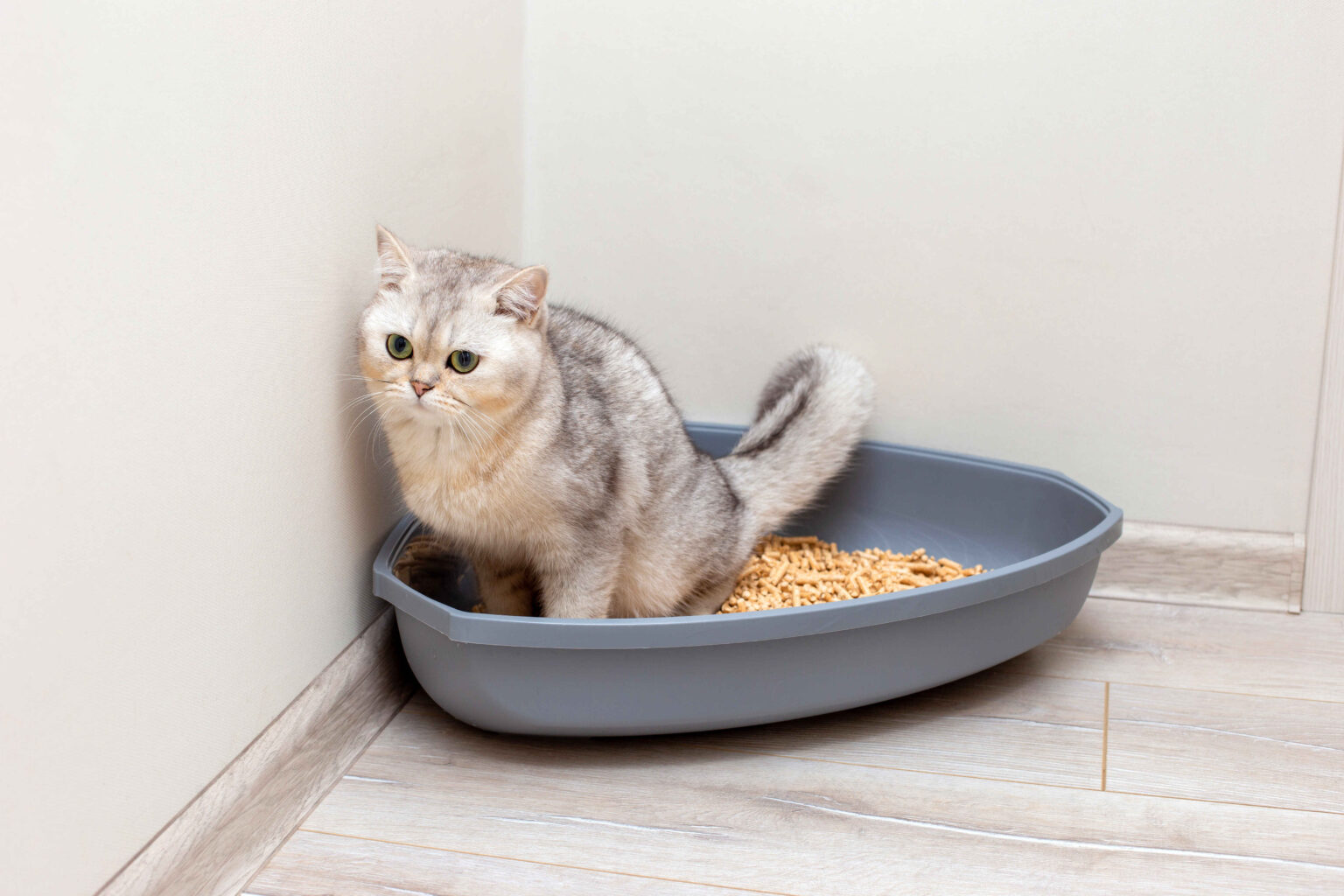
Recognizing the early warning signs of urinary trouble can literally save your cat’s life. Cats are incredibly stoic animals that hide their pain. You must be highly vigilant regarding their daily litter box habits. If you observe any of the following signs your cat may need urinary food, you must consult your veterinarian immediately:
- Frequent Urination (Pollakiuria): Visiting the litter box multiple times an hour but producing only tiny drops of urine.
- Straining to Urinate (Stranguria): Squatting in the box for extended periods, pushing hard, or vocalizing and crying out in visible pain.
- Blood in the Urine (Hematuria): The urine may look pink, reddish, or have visible dark streaks. This is a severe sign of active bladder inflammation.
- Inappropriate Urination (Periuria): Urinating outside the litter box, especially on cool, smooth surfaces like bathtubs or tile floors. They do this because they associate the litter box with severe pain and are desperately seeking a more comfortable spot.
- Excessive Genital Grooming: Frantically licking their genital area is a common self-soothing behavior attempting to alleviate the burning sensation.
Wet vs Dry Urinary Cat Food
When owners begin researching diets, the debate of wet versus dry food is always the first hurdle. Understanding exactly how hydration affects cat urinary health makes the choice remarkably clear.
Veterinary specialists universally agree that the best wet cat food for urinary tract health is vastly superior to dry kibble. Cats evolved in arid environments and naturally have a very low thirst drive because they relied on the high moisture content of their prey (which is roughly 75% water). Dry kibble contains only about 10% water. Even if a cat drinks from a bowl, they rarely consume enough water to compensate for a dry diet.
Wet food for urinary health cats provides critical, forced hydration. Higher water intake leads directly to dilute urine. Dilute urine means that any microscopic crystals or inflammatory cells present are less concentrated and therefore far less likely to bind together and form massive, painful stones. If your cat flat-out refuses wet food, you must invest in a flowing pet water fountain to aggressively encourage their daily drinking habits, a point heavily emphasized by the veterinary experts at VCA Animal Hospitals.
Ingredients to Look for in Urinary Health Cat Food

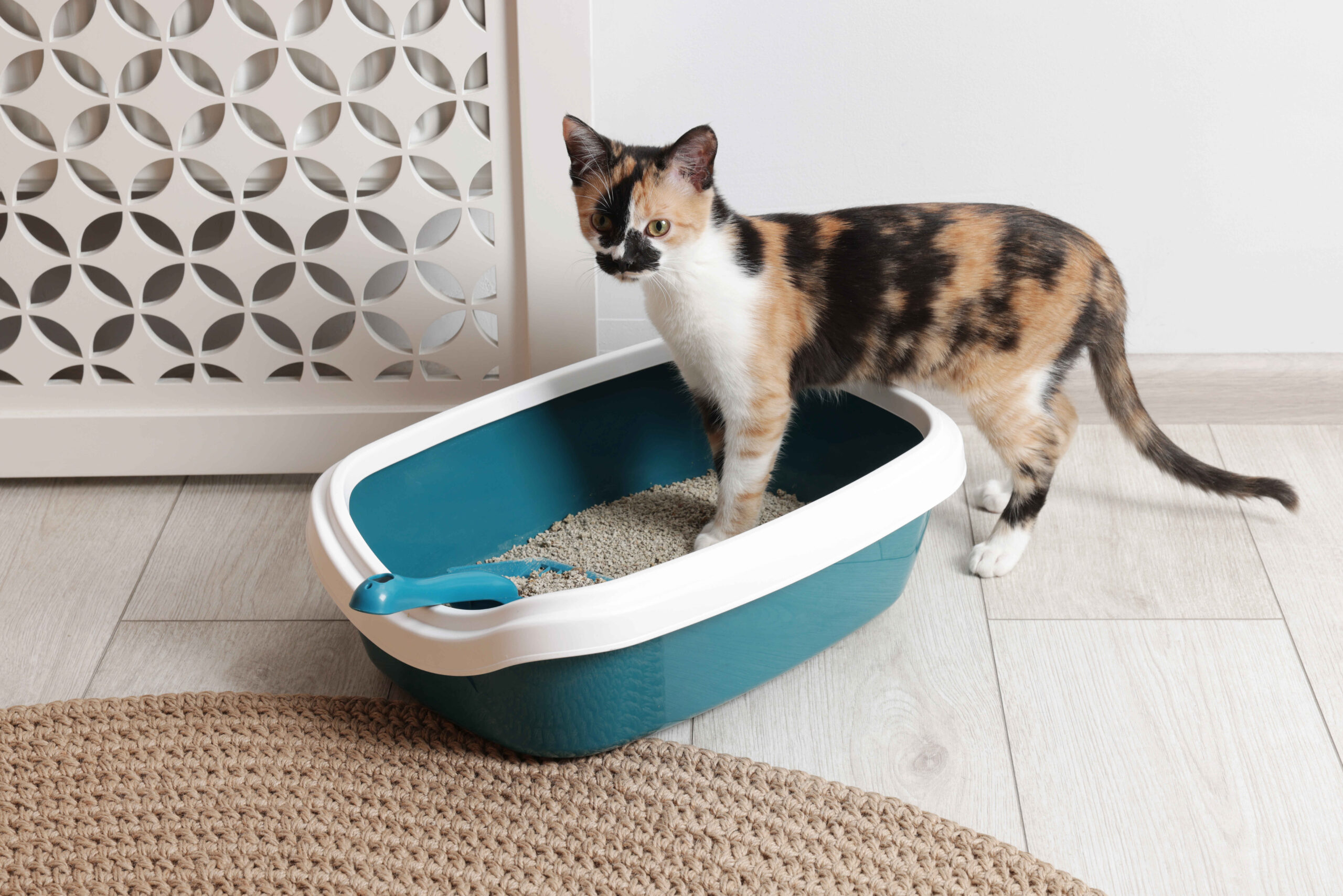
When searching for a high-quality cat food for FLUTD, turn the bag over and carefully read the ingredient panel. You want to see specific, targeted additions:
- Urinary Acidifiers: Ingredients like DL-methionine or ammonium chloride are safely used to gently lower the urine’s pH, creating a hostile environment for struvite crystals.
- Omega-3 Fatty Acids: Sourced primarily from high-quality fish oil (EPA and DHA), these possess potent natural anti-inflammatory properties that help aggressively soothe an inflamed, irritated bladder wall.
- Glucosamine and Chondroitin: These form glycosaminoglycans (GAGs), which create a protective mucus layer over the bladder lining. Supplementing these can help rebuild that crucial barrier in cats suffering from chronic cystitis.
- Antioxidants: Added vitamins E and C help combat severe oxidative stress and cellular inflammation throughout the entire urinary tract.
Can Urinary Cat Food Help Prevent Crystals and Stones?
Yes, absolutely. However, you must understand the difference between an Over-The-Counter (OTC) preventative diet and a clinical Prescription Diet.
Prescription Urinary Diets (like Hill’s c/d or Royal Canin Urinary SO) are heavily regulated and only available with vet approval. They are highly potent and actively designed to chemically dissolve existing struvite stones over a matter of weeks. They are the frontline treatment for a cat actively suffering from cat food for urinary crystals blockages.
Over-The-Counter (OTC) Urinary Formulas are fantastic preventative tools. If your cat has a mild history of urinary discomfort or you simply want to be highly proactive, these non-prescription diets gently maintain a healthy mineral balance and encourage hydration without the extreme, aggressive chemical shifts of a prescription formula.
🚨 When to See a Vet for Urinary Problems
While preventative nutrition is incredibly powerful, urinary issues can rapidly become fatal. As advised by the American Veterinary Medical Association (AVMA) regarding pet owner preventative care, urethral obstruction is a life-threatening emergency, particularly in male cats whose urethras are significantly narrower than females.
If a plug of crystals or inflammatory tissue completely blocks the urethra, the cat cannot urinate at all. Toxins will rapidly build up in their bloodstream, leading to excruciating pain, acute kidney failure, cardiac arrest, and death within 24 to 48 hours. If your cat is straining in the litter box and producing zero urine, or crying in agony, you must rush them to an emergency veterinary clinic immediately. Do not wait.
Conclusion
Managing feline urinary health can be a stressful journey for any pet parent, but finding the best cat food for urinary health is your most powerful tool for long-term success. By prioritizing a high-moisture wet diet, strictly managing mineral intake, and understanding the specific environmental stressors that trigger inflammation—a factor highlighted by the ASPCA’s comprehensive cat care guidelines—you can help your cat live a pain-free, deeply comfortable life. Always monitor their litter box habits closely, encourage fresh water consumption at every turn, and never hesitate to partner with your trusted veterinarian the moment you suspect your beloved feline is in distress.
Frequently Asked Questions (FAQ)
What is FLUTD and how does diet help?
FLUTD (Feline Lower Urinary Tract Disease) is a general term for conditions affecting a cat’s bladder and urethra, including Feline Idiopathic Cystitis (FIC), urinary stones, and dangerous obstructions. Diet helps immensely by influencing urine concentration (more water from wet food actively dilutes urine), shifting the pH (controlled acidification prevents struvite stones), and tightly managing minerals like magnesium and phosphorus to reduce stone formation.
Is wet food always better than dry food for urinary health?
Yes. For cats highly prone to urinary issues, wet food is vastly preferred due to its high moisture content. This naturally promotes increased water intake, resulting in highly dilute urine. Dilute urine efficiently flushes the urinary tract and significantly reduces the concentration of microscopic crystals before they can bind together into dangerous stones.
Can I just add water to my cat’s dry food to help their urinary health?
While adding warm water or low-sodium bone broth to dry kibble can certainly increase their overall moisture intake, it may not be as effective as feeding a true wet canned diet. Cats can be very finicky about soggy, mushy kibble, and their total water consumption might still fall short. It is a good supportive measure, but a full transition to wet food is almost always recommended by veterinarians.
How long does it take for a urinary diet to show results?
The time frame for seeing actual results varies based on the specific condition. For a prescription diet actively dissolving struvite stones, it can take anywhere from a few weeks to a few months of strict feeding with regular veterinary monitoring. For managing painful FIC flare-ups or preventing general recurrence, you might see noticeable improvements in their comfort and litter box habits within just a few short weeks.
Are there any natural remedies or supplements I can give my cat for urinary health?
While supplements like omega-3 fatty acids, glucosamine, and specific cranberry extracts are often included directly in premium veterinary urinary diets, their standalone effectiveness should always be discussed with your vet. It is incredibly crucial not to self-medicate or rely solely on over-the-counter supplements without a proper clinical diagnosis, as this could severely delay life-saving treatment and allow a fatal blockage to occur.
References & Further Reading
- Animal Medical Center (AMC): Feline Lower Urinary Tract Disease (FLUTD) Guidelines
- National Library of Medicine (PubMed): Clinical Review of Feline Idiopathic Cystitis
- American Veterinary Medical Association (AVMA): Pet Owner Resources and Preventative Care
- American Society for the Prevention of Cruelty to Animals (ASPCA): Comprehensive Cat Care & Health