
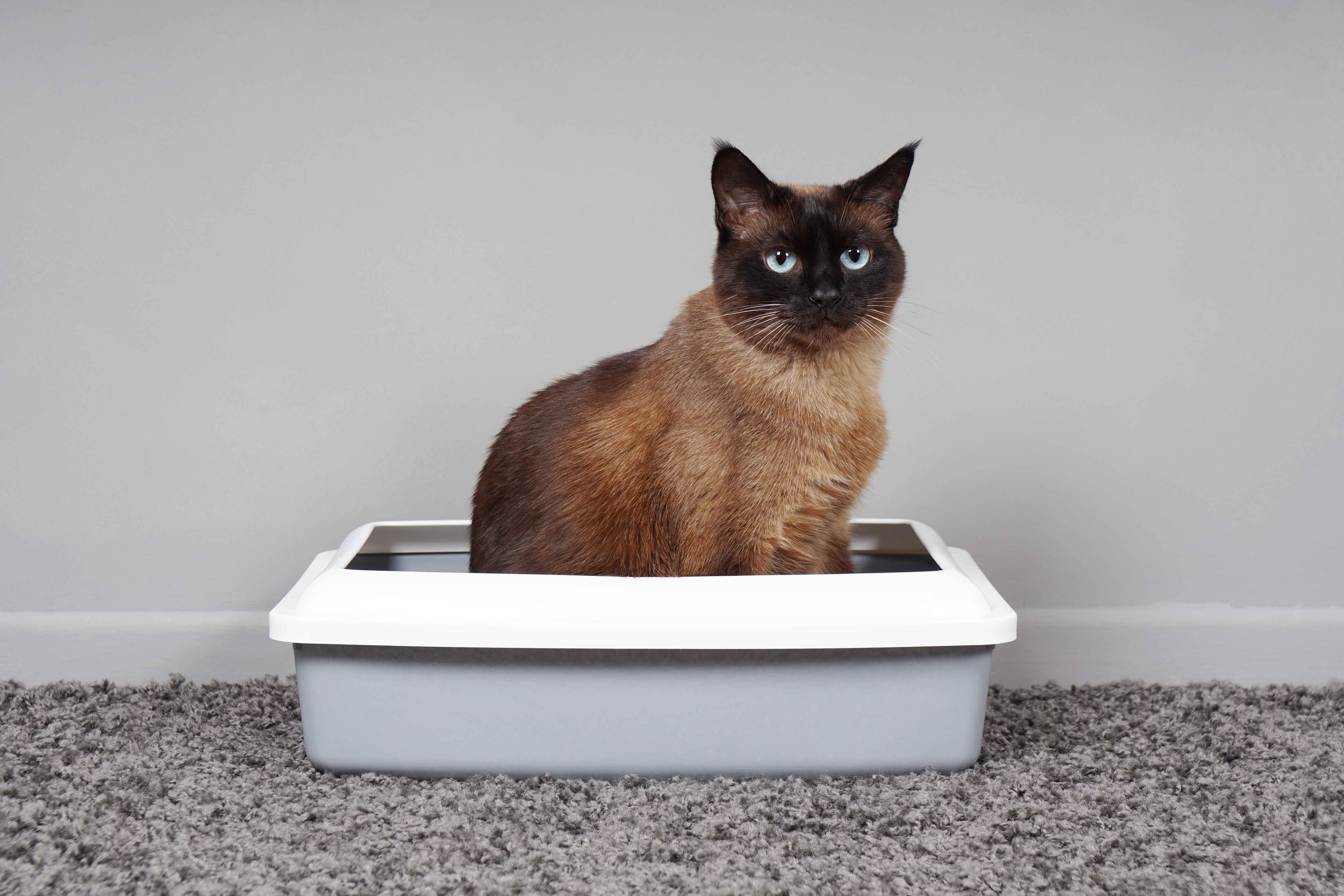
If you are constantly asking yourself exactly how often to clean a cat litter box, you have taken a crucial first step toward protecting your pet’s long-term health. Domestic cats are famously fastidious creatures.
- Why Litter Box Cleanliness Matters for Cats
- Can a Dirty Litter Box Cause Urinary Problems?
- How Often to Clean a Cat Litter Box: The Ultimate Schedule
- How Often Should You Scoop Cat Litter?
- How Often to Change Cat Litter Completely?
- Litter Box Cleaning Frequency Table
- How to Clean a Cat Litter Box Properly
- Signs Your Cat’s Litter Box Is Too Dirty
- Litter Box Setup Tips to Prevent Problems
- Conclusion
- Frequently Asked Questions (FAQ)
- Can a dirty litter box cause UTI in cats?
- How often should you scoop cat litter?
- How often to change cat litter completely?
- How many litter boxes should cats have?
- How do I disinfect a litter box safely?
- References & Further Reading
They spend a massive portion of their waking hours grooming themselves to ensure they remain completely odorless. Naturally, forcing a highly hygienic animal to step into a filthy, ammonia-filled bathroom goes against their deepest biological instincts.
Establishing a strict cat litter box cleaning schedule is not just about keeping your house smelling fresh. It is a critical aspect of preventative veterinary care.
In this comprehensive guide, we will break down exactly how often should you change cat litter to keep your feline happy. We will explore the dangerous link between a dirty litter box and cat urinary problems, and provide a vet-approved daily checklist for optimal hygiene.
Why Litter Box Cleanliness Matters for Cats
A cat’s sense of smell is roughly fourteen times stronger than a human’s sense of smell. When you walk past a litter box and notice a mild odor, your cat is experiencing a highly concentrated, overwhelming wall of stench.
If the box is full of waste, a cat will become highly stressed. They do not want to step on their own feces, and they certainly do not want urine soaking into their sensitive paw pads.
This stress directly leads to a cat avoiding dirty litter box situations entirely. Instead of using the box, they will seek out cleaner, softer areas in your home, such as your laundry basket, the living room rug, or your bed.
Can a Dirty Litter Box Cause Urinary Problems?
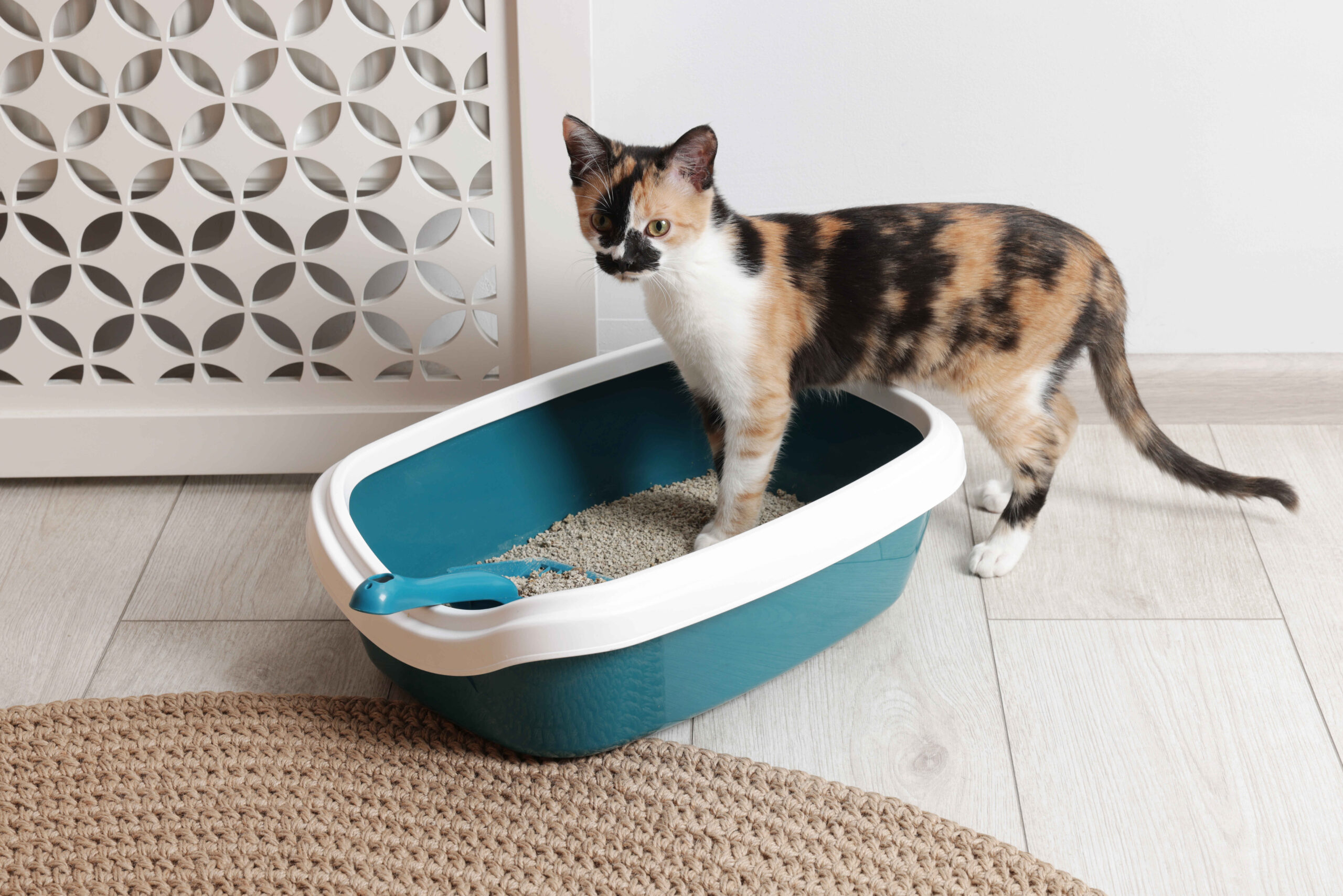
Many owners wonder, can dirty litter cause urinary problems? The veterinary answer is a definitive and resounding yes. The link between a dirty litter box and cat urinary problems is incredibly well-documented.
When a litter box is filthy, a cat will intentionally “hold” their urine for as long as physically possible to avoid stepping inside. Holding urine causes it to become highly concentrated within the bladder.
Highly concentrated urine is the perfect breeding ground for painful microscopic crystals, which eventually bind together to form massive bladder stones. This is a primary trigger for Feline Lower Urinary Tract Disease (FLUTD).
Furthermore, pet parents often ask, can a dirty litter box cause UTI in cats? While true bacterial UTIs are somewhat rare in young, healthy cats, stepping into a box filled with rotting, bacteria-laden feces can certainly introduce harmful pathogens into the urethra. Strict litter box hygiene for urinary health is non-negotiable.
How Often to Clean a Cat Litter Box: The Ultimate Schedule
To completely avoid these medical issues, you must know exactly how often to clean a cat litter box based on your specific household setup. The timeline changes depending on the number of cats you own and the exact type of litter you purchase.
How Often Should You Scoop Cat Litter?
Regardless of the type of litter you use, you must scoop solid waste and urine clumps at least once or twice every single day. If you have multiple cats, you may need to scoop three times a day to keep the environment pristine.
How Often to Change Cat Litter Completely?
If you are wondering how often should you change cat litter entirely, it depends on the absorbency of the material. Traditional, non-clumping clay litter becomes saturated quickly and must be completely dumped and replaced at least once a week.
High-quality clumping litter traps urine in tight balls, leaving the surrounding litter relatively clean. For clumping litter, a full replacement is usually only necessary every three to four weeks.
Litter Box Cleaning Frequency Table
Use this handy guide to establish the perfect cat litter box cleaning schedule for your home:
| Household Setup | Litter Type Used | Daily Scooping Frequency | Complete Wash & Change |
|---|---|---|---|
| 1 Cat | Clumping Clay / Natural | 1 to 2 times a day | Every 3 to 4 weeks |
| 1 Cat | Non-Clumping Clay | 1 to 2 times a day (solid waste) | Every 1 week |
| 2+ Cats | Clumping Clay / Natural | 2 to 3 times a day | Every 2 to 3 weeks |
| 2+ Cats | Non-Clumping Clay | 2 to 3 times a day (solid waste) | Every 3 to 5 days |
How to Clean a Cat Litter Box Properly
Now that you know the timeline, you need to know exactly how to clean a cat litter box effectively. Simply dumping the old litter is not enough; the plastic box itself absorbs odors over time.
Learning how to disinfect a litter box safely is paramount. You must strictly avoid harsh chemicals like bleach or ammonia, as these can create toxic fumes and deter your cat from using the box completely. The best litter box cleaning routine utilizes mild, unscented dish soap and warm water.
Your Litter Box Cleaning Checklist
- Daily Maintenance: Scoop all solid waste and urine clumps. Top off the box with an inch of fresh litter to maintain a depth of two to three inches.
- Weekly Maintenance (Non-Clumping): Dump all the saturated litter into a trash bag. Wash the empty plastic pan with warm water and unscented dish soap. Dry it completely with a paper towel before refilling it.
- Monthly Maintenance (Clumping): Dump the entire box of clumping litter. Scrub the pan thoroughly with mild soap. Inspect the plastic for deep scratches where bacteria can hide.
- Yearly Maintenance: Throw away the old plastic litter box entirely and purchase a brand new one. Even with diligent scrubbing, cat claws create microscopic gouges in the plastic that harbor permanent, foul-smelling bacteria over time.
Signs Your Cat’s Litter Box Is Too Dirty
Cats communicate their displeasure through distinct body language. If you miss a few days on your schedule, there are clear signs litter box is too dirty for cat comfort.
If your cat approaches the box, sniffs it, and immediately walks away, the odor is too strong. Another massive warning sign is “perching.” If your cat balances precariously on the very plastic edge of the box to avoid letting their paws touch the litter, it is absolutely filthy.
Finally, burying waste is an instinctual behavior to hide from predators. If your cat suddenly stops burying their feces and leaves it fully exposed on top of the litter, they are trying to exit the smelly box as fast as possible.
Litter Box Setup Tips to Prevent Problems
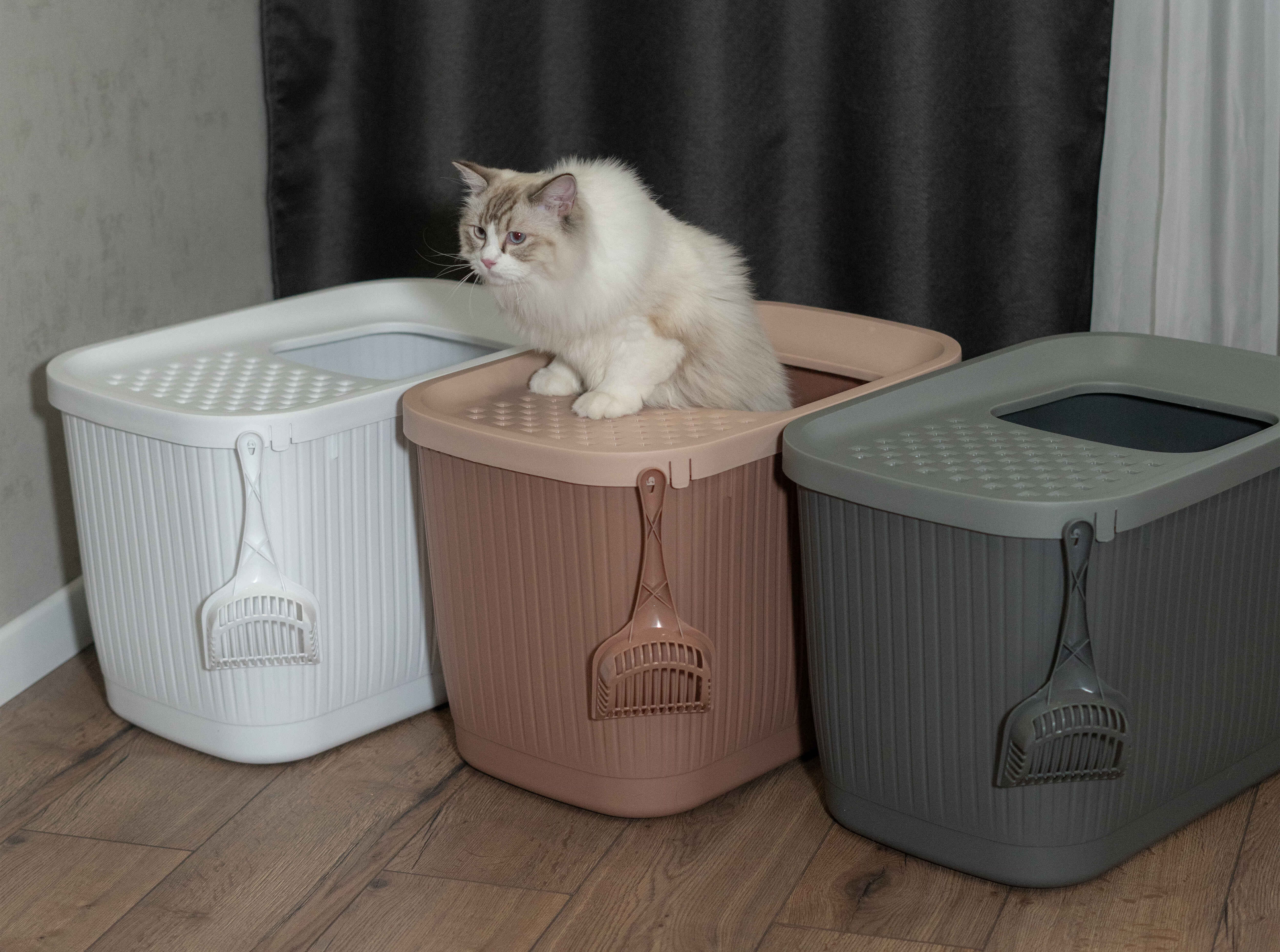
Even with a perfect cleaning schedule, poor environmental management can ruin your efforts. Preventing litter box avoidance requires understanding feline psychology.
The most important rule in veterinary medicine is determining exactly how many litter boxes should cats have in the home. The golden rule is one litter box per cat plus one.
If you own one cat, you need two boxes. If you own two cats, you need three boxes. Cats are highly territorial, and having multiple options prevents resource guarding and bullying.
Common Mistakes Owners Make
First, avoid heavily scented litters or strong chemical deodorizers. While “lavender fresh” smells great to humans, the artificial perfume is completely overwhelming to a cat’s sensitive nose.
Second, avoid covered or “hooded” litter boxes. While they hide the mess from human eyes, a hood traps all the toxic ammonia fumes inside, creating a horrifying porta-potty experience for the cat.
Finally, never place the litter box near loud appliances like washing machines, or directly next to their food and water bowls. Cats will not eat where they eliminate.
Conclusion
Figuring out exactly how often to clean a cat litter box is the absolute foundation of responsible pet ownership. By committing to daily scooping and regular deep cleaning, you are actively protecting your cat from dangerous, life-threatening urinary tract diseases.
Remember to provide one litter box per cat plus one, stick to unscented litters, and avoid harsh chemical cleaners. When you provide a pristine, welcoming bathroom environment, you eliminate stress and ensure a happy, healthy, and deeply affectionate feline companion.
Frequently Asked Questions (FAQ)
Can a dirty litter box cause UTI in cats?
Yes, a filthy litter box can directly contribute to a Urinary Tract Infection (UTI). If a cat is forced to step into a box overflowing with feces, harmful bacteria can easily travel up their urethra. Furthermore, if a cat holds their urine to avoid a dirty box, the stagnant urine in the bladder becomes a prime breeding ground for bacterial infections.
How often should you scoop cat litter?
You should scoop all solid waste and urine clumps from the litter box at least one to two times every single day. If you have multiple cats sharing the same environment, you must scoop the boxes two to three times a day to maintain proper hygiene and prevent territorial disputes.
How often to change cat litter completely?
The frequency of a complete litter change depends on the type of litter you use. Non-clumping clay litter becomes saturated with urine very quickly and must be dumped and replaced once a week. High-quality clumping litter can typically last three to four weeks before the entire box needs to be emptied and scrubbed.
How many litter boxes should cats have?
The golden veterinary rule for litter boxes is “one box per cat, plus one extra.” This means a single-cat household requires two litter boxes, while a two-cat household requires three. Providing multiple boxes prevents territorial resource guarding and ensures a clean option is always available.
How do I disinfect a litter box safely?
To safely disinfect a litter box, dump the old litter and scrub the plastic pan with warm water and a mild, unscented dish soap. Never use bleach or ammonia products, as ammonia mimics the smell of cat urine and bleach can create toxic fumes when mixed with urine residue. Always dry the box completely before refilling it.
References & Further Reading
- Cornell Feline Health Center: Comprehensive insights into Feline Lower Urinary Tract Disease (FLUTD) and litter box management.
- American Veterinary Medical Association (AVMA): Guidelines on preventative healthcare and feline hygiene.
- American Society for the Prevention of Cruelty to Animals (ASPCA): Expert tips on establishing a healthy feline environment.