

As devoted pet parents, we want to provide our dogs with lives filled with joy, comfort, and security. Yet, beneath the wagging tails and playful barks, millions of dogs silently struggle with stress.
- Understanding Canine Anxiety
- The Ultimate Dog Anxiety Symptoms Checklist
- What Actually Causes Dog Anxiety?
- Actionable Steps to Treat and Manage Anxiety
- 1. Visit the Vet First
- 2. Mental and Physical Enrichment
- 3. Create a Safe Space
- 4. Desensitization and Counter-Conditioning
- 5. Try Calming Aids
- Conclusion
- Frequently Asked Questions (FAQ)
- Can dog anxiety be cured completely?
- What is the difference between fear and anxiety in dogs?
- Are certain dog breeds more prone to anxiety?
- How long does it take to treat dog anxiety?
- Can diet affect dog anxiety?
- References
Dog anxiety is incredibly common. But because our furry best friends cannot sit us down and tell us what is bothering them, they communicate their panic through their body language and behavior. Unfortunately, many owners mistake these cries for help as “bad behavior” or stubbornness.
Understanding dog anxiety symptoms is the absolute most critical step in helping your pet. This comprehensive guide from PetsNPaw offers a clear, scannable checklist of symptoms, insights into what causes canine stress, and actionable, vet-approved strategies for bringing peace back to your dog’s life.
Understanding Canine Anxiety
Dog anxiety is more than just occasional nervousness; it is a persistent state of unease or panic. It can be triggered by a specific event, a change in environment, or it can simply be a pervasive part of a dog’s genetic personality.
The 5 Most Common Types of Dog Anxiety
- Separation Anxiety: The most well-known form of anxiety. The dog experiences severe panic when left alone or separated from their favorite human.
- Noise Phobia: Intense, trembling fear reactions to loud noises such as thunderstorms, fireworks, or even the vacuum cleaner.
- Generalized Anxiety: A constant, low-level state of worry without one specific trigger. These dogs seem chronically nervous.
- Social Anxiety: Intense fear, cowering, or reactivity around unfamiliar people or strange dogs.
- Situational Anxiety: Triggered by specific events, such as riding in the car, walking into the vet’s office, or going to the groomer.
The Ultimate Dog Anxiety Symptoms Checklist
Identifying anxiety requires careful observation. Your dog may exhibit just one of these signs, or a combination of several. If you are noticing these behaviors frequently, your dog is likely dealing with anxiety.
Behavioral Symptoms (How They Act)
- Destructive Chewing or Digging: While puppies chew to teeth, destructive chewing in an adult dog, especially around exit points like doors or window blinds, is a classic sign of separation anxiety.
- Excessive Barking or Howling: Anxious dogs vocalize to self-soothe or signal distress. If your neighbors complain about non-stop howling when you leave, anxiety is the culprit.
- Pacing and Restlessness: The dog constantly paces the room, walks in tight circles, or cannot settle down on their bed.
- Indoor House Soiling: If a perfectly house-trained adult dog starts peeing or pooping inside, it is often a severe stress response.
- Hiding or Cowering: Seeking refuge under the bed, in closets, or trying to make themselves look as small as possible.
- Compulsive Behaviors: Excessive, obsessive paw licking (which can cause “lick granulomas”), tail chasing, or flank sucking.
- Aggression: Fear is the number one cause of aggression. Growling, snapping, or lunging is often an anxious dog’s way of saying, “I am terrified, stay away from me.”
- Refusal to Eat: Severe stress shuts down the digestive system. An anxious dog will often refuse even their highest-value treats.
Physical Symptoms (What Their Body Does)
- Trembling or Shaking: Shaking uncontrollably, even when the room is warm.
- Panting and Drooling: Heavy, rapid panting and excessive drooling when they are not hot and haven’t been exercising.
- The “Whale Eye”: Their eyes appear wide, pupils are dilated, and you can see the whites of their eyes.
- Tucked Tail & Flattened Ears: The universal canine sign of fear. The tail is pinned tightly between the back legs, and the ears are glued flat against the skull.
- Yawning: If your dog is yawning in a stressful situation (like at the vet), they aren’t tired. Yawning is a “calming signal” dogs use to displace anxiety.
- Lip Licking: Rapid, repetitive lip smacking or nose licking when no food is present.
- Shedding: Dogs can “blow their coat” and shed massive amounts of fur instantly during a highly stressful event.
What Actually Causes Dog Anxiety?
To fix the problem, you need to find the root cause. Canine anxiety typically stems from:
- Lack of Socialization: If a puppy is not exposed to different people, places, sounds, and surfaces before they are 14 weeks old, they often grow into fearful, anxious adults.
- Traumatic Experiences: A single scary event—like being attacked by another dog or frightened by a massive firework—can induce a lifelong phobia.
- Genetics: Some breeds (like Border Collies, German Shepherds, and Chihuahuas) are simply wired to be more alert and prone to anxiety.
- Changes in Routine: Dogs thrive on predictability. Moving to a new house, a change in your work schedule, or bringing home a new baby can completely shatter a dog’s sense of security.
- Medical Conditions: Underlying pain, thyroid issues, or cognitive decline in senior dogs (canine dementia) can manifest purely as behavioral anxiety.
Actionable Steps to Treat and Manage Anxiety

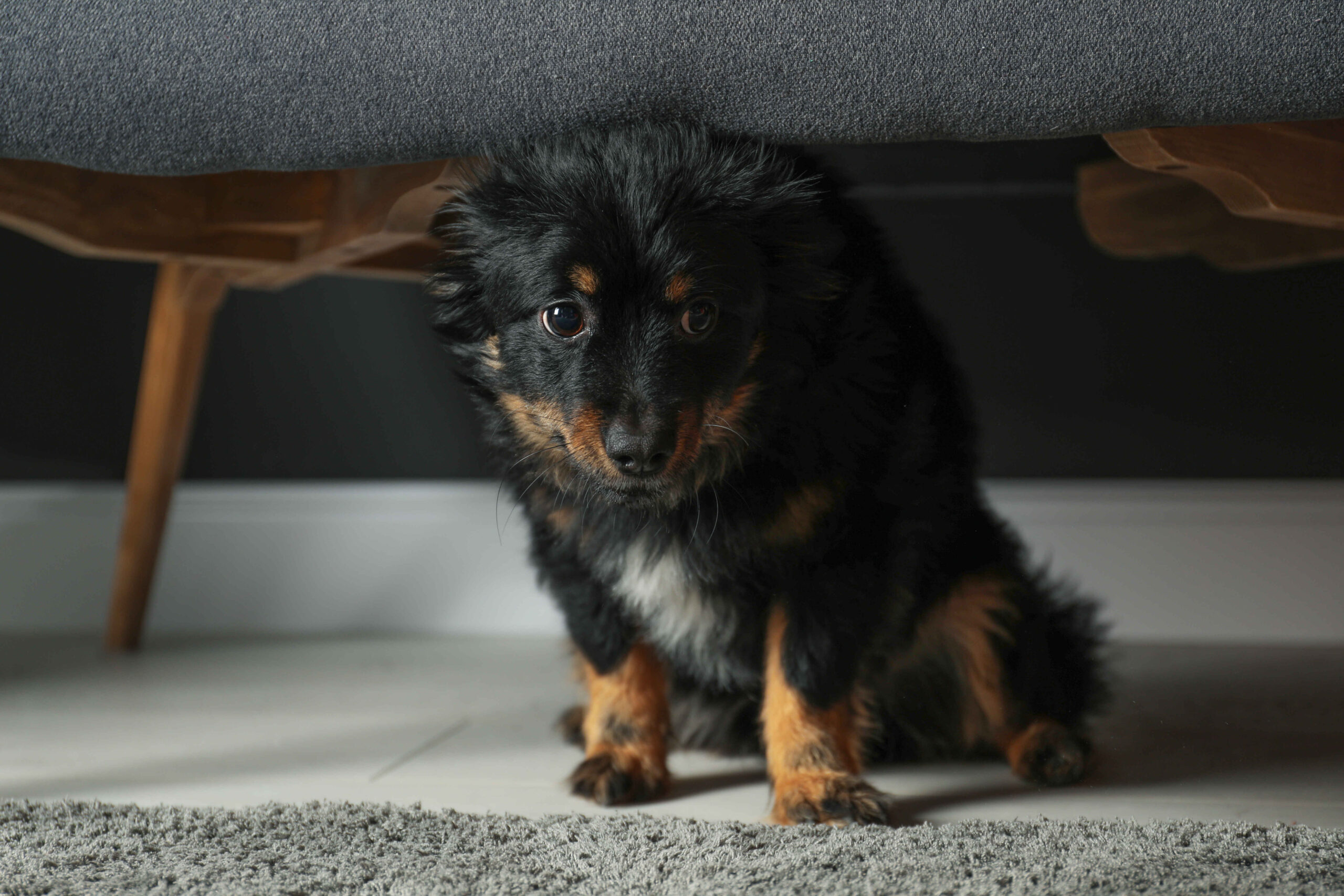
If your dog is checking multiple boxes on the dog anxiety symptoms checklist, do not panic. Here is exactly how to help them:
1. Visit the Vet First
Always rule out physical pain first. A dog with an undiagnosed ear infection or arthritis will act highly anxious. Once your vet gives them a clean bill of health, you can discuss behavioral interventions. In severe cases, your vet may prescribe anti-anxiety medications (like Fluoxetine or Trazodone) to lower your dog’s panic threshold so they can actually focus on training.
2. Mental and Physical Enrichment
A tired dog is a calm dog. Ensure your dog is getting enough physical exercise for their breed. More importantly, exhaust their brain. Use puzzle feeders, snuffle mats, and obedience training to give them a “job.” Mental stimulation burns off nervous energy incredibly fast.
3. Create a Safe Space
Give your dog a designated “zen zone” where they can retreat when they feel overwhelmed. This could be a cozy crate covered with a blanket (leave the door open!) in a quiet bedroom. Never force your dog out of their safe space.
4. Desensitization and Counter-Conditioning
This is the gold standard of anxiety training. It involves exposing your dog to their trigger at a very low, un-scary level, and pairing it with high-value treats (like real chicken). Over time, you slowly increase the exposure. For example: playing thunderstorm sounds on your phone at volume 1 while feeding them, and gradually turning it up over weeks.
5. Try Calming Aids
Many dogs benefit from over-the-counter calming aids. Products like pheromone diffusers (Adaptil), compression garments (ThunderShirts), or vet-approved calming chews containing L-Theanine can take the edge off during stressful events.
Conclusion
Living with an anxious dog can be heartbreaking and exhausting, but you are not alone. By learning to read your dog’s unique body language and recognizing the early warning signs of stress, you can intervene before their panic takes over. With patience, consistent positive-reinforcement training, and the support of your veterinarian, you can help your best friend build confidence and create a much more peaceful, happy home for both of you.
Frequently Asked Questions (FAQ)
Can dog anxiety be cured completely?
While some forms of situational anxiety can be fully resolved with training, chronic or severe generalized anxiety often requires lifelong management rather than a “cure.” The goal is to drastically reduce the intensity and frequency of their panic attacks. With the right tools, routine, and sometimes medication, anxious dogs can lead incredibly happy, fulfilling lives.
What is the difference between fear and anxiety in dogs?
Fear is an emotional response to an immediate, identifiable threat (e.g., a dog cowering because a loud vacuum is currently running next to them). Anxiety is the anticipation of a future threat or a state of constant worry even when no obvious danger is present (e.g., a dog pacing and panting nervously because it looks like it *might* rain later).
Are certain dog breeds more prone to anxiety?
Yes, genetics play a massive role. Breeds that were historically bred to be highly alert, protective, or attached to their owners tend to have higher rates of anxiety. This includes Herding breeds (Border Collies, Australian Shepherds), Working breeds (German Shepherds), and certain companion breeds (Chihuahuas, Toy Poodles).
How long does it take to treat dog anxiety?
Treating anxiety is a marathon, not a sprint. Mild cases might show improvement within a few weeks of establishing a solid routine and counter-conditioning. However, severe separation anxiety or deep-rooted phobias can take months or even years of dedicated, consistent effort to manage.
Can diet affect dog anxiety?
Yes, indirectly. A high-quality, balanced diet supports overall brain health. Additionally, some prescription veterinary diets are specifically formulated with calming supplements (like alpha-casozepine or L-tryptophan) to help manage stress. Always consult your vet before changing your dog’s diet to treat a behavioral issue.
References
- American Kennel Club (AKC). Understanding, Preventing, and Treating Dog Anxiety. AKC.org
- American Veterinary Medical Association (AVMA). Separation Anxiety. AVMA.org
- ASPCA. Common Dog Behavior Issues: Separation Anxiety. ASPCA.org
Image Credits: Images sourced via Envato elements license. Representative imagery used for illustrative purposes.