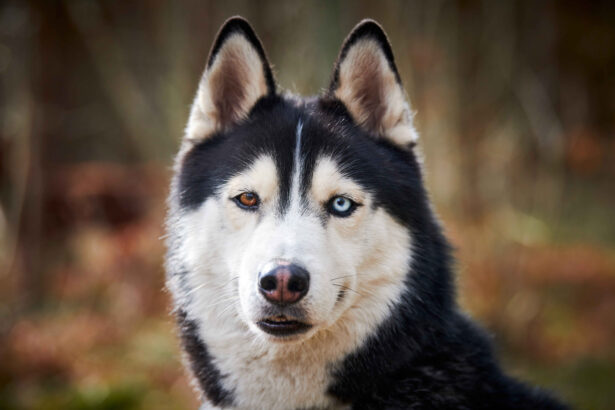

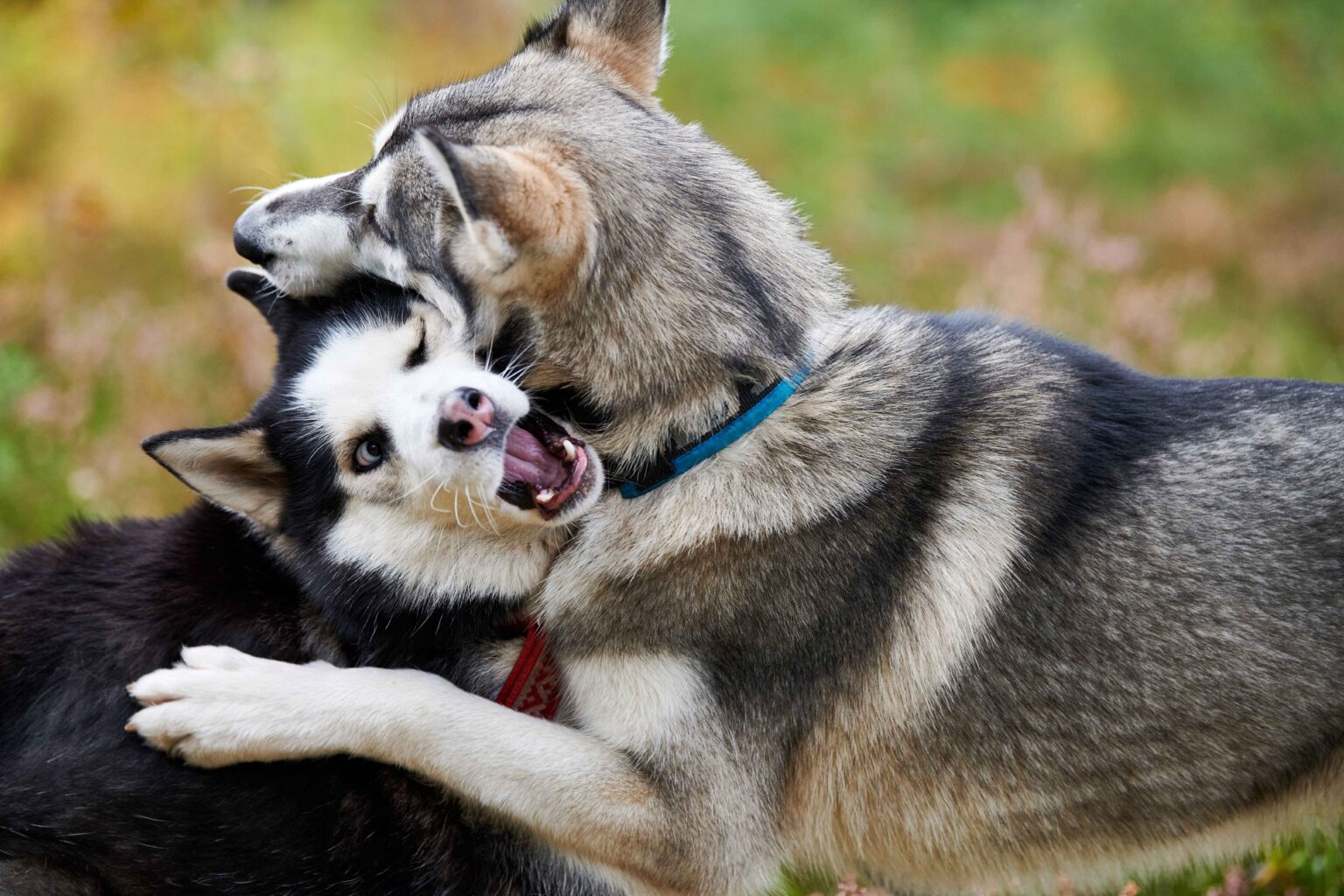
If you have recently brought a Siberian Husky into your home, you have likely asked yourself: do Huskies play rough? The immediate, direct answer is yes. Huskies frequently engage in highly physical, rough play, but this is usually completely normal behavior, not true aggression.
Because they are an ancient breed closely related to their wild ancestors, their interactions often look like wolves sparring in the wild. This intense Husky play behavior can easily alarm first-time owners or other dog parents at the local dog park.
However, understanding the crucial difference between healthy play fighting in dogs and a dangerous, aggressive encounter is vital. In this comprehensive guide, we will explore exactly why your Husky plays so intensely, how to read their body language, and when you should step in to break up the fun.
Do Huskies Play Rough? (The Quick Answer)
Yes, they absolutely do. If you watch two Huskies interact, you will quickly notice that they play like young wolves. Their interactions are incredibly fast-paced, highly vocal, and intensely physical.
This roughhousing typically includes loud growling, open-mouth play biting, high-speed chasing, and aggressive-looking wrestling matches. To the untrained eye, it looks like a vicious fight, but it is actually cooperative, joyful interaction.
Why Do Huskies Play Rough?
To understand why do Huskies play rough, you must look at their history. Huskies were bred to work closely together in tight-knit sled dog teams. This required intense, constant physical interaction to establish social bonds and pack hierarchy.
Furthermore, they possess staggering Husky energy levels. They need an outlet for that massive stamina. Engaging in predatory play behavior, like chasing and tackling, is a healthy way for them to burn off excess adrenaline.
Rough play is simply a form of “play fighting” seen in many wild animals. It helps young puppies develop crucial social skills, coordination, and bite inhibition that they carry into adulthood.
What Does Husky Rough Play Look Like?
A classic Husky play style is highly distinct from how a Golden Retriever or a Poodle might interact. Their play sessions frequently involve the following dramatic behaviors:
- Neck Biting: They will gently grab their playmate’s neck or scruff with their mouth.
- Loud Vocalizing: Huskies are notoriously vocal, using deep growls and loud yowls during play.
- Jumping and Tackling: They love to launch their entire body weight onto their friends.
- Pawing: They frequently use their front paws to box or smack their playmates in the face.
- Chasing: High-speed pursuit is a favorite game, tapping into their working dog instincts.
While this husky rough play behavior looks incredibly aggressive, it is usually entirely consensual and highly cooperative. But does this make the husky dangerous?
Are Huskies Aggressive or Just Playing?
Many new owners frantically search the internet asking: are Huskies aggressive or just playing? You can rest easy knowing that Huskies are generally NOT aggressive dogs.
They are a famously friendly and highly social breed that loves humans and other canines. The key idea to remember is that rough does not equal aggressive. Their Husky temperament dictates a loud, boisterous play style, but it is almost always rooted in pure fun, not malice.
How to Tell If Dogs Are Playing or Fighting
Being able to accurately read Husky body language is your best defense against dog park disasters. Knowing how to tell if dogs are playing or fighting prevents unnecessary panic.
Use this quick clinical comparison table to evaluate their interaction:
| Healthy Play Behavior | Dangerous Aggressive Behavior |
|---|---|
| Loose, bouncy, and exaggerated body movements. | Stiff, rigid, and intensely frozen posture. |
| Initiating with a “play bow” (front elbows on the ground). | Raised hackles (hair standing up on the back). |
| Frequent, short pauses to shake off and reset. | Relentless attacking with absolutely no breaks. |
| Role switching (taking turns being the chaser and the chased). | One-sided attack where one dog is constantly pinned. |
| Open, relaxed mouths with no physical injuries. | Biting with severe intent to puncture or tear skin. |
The American Kennel Club (AKC) strongly emphasizes that observing these brief pauses and mutual role-reversals is the absolute best way to confirm that both dogs are actively enjoying the interaction.
Do Huskies Play Rough With Humans?
Yes, they certainly do. This is especially true during the Husky puppy behavior phase. Because they interact physically with their littermates, they naturally try to play the exact same way with their human family.
This often translates to intense mouthiness, grabbing your sleeves, and jumping directly onto your chest. While it is meant playfully, a 50-pound dog jumping on you can be dangerous.
This is precisely why strict obedience training is mandatory. Unmanaged rough play is absolutely not ideal for households with small children, as the dog can easily knock a toddler over by accident.
Do Huskies Play Rough With Other Dogs?
Huskies play significantly rougher than your average suburban dog. When a Husky encounters a highly sensitive breed, their intense approach can easily overwhelm the calmer dog.
This mismatch in husky social behavior can quickly escalate into a real fight if the other dog feels threatened by the Husky’s constant tackling. Proper, early socialization is crucial.
Huskies must be taught to read the room. If another dog is not reciprocating their wild dog dominance play, the Husky needs to learn how to back off gracefully.
Is Rough Play Normal for Huskies?
Yes, it is completely normal and healthy. You should not try to completely eliminate this behavior from your dog’s life.
Their rough play is deeply linked to their endless energy, their sled-dog genetics, and their instinctual pack behavior. Allowing them to wrestle safely with other well-matched dogs is incredibly enriching for their mental health.
When Does Rough Play Become a Problem?
Even standard play fighting in dogs can cross the line. You must intervene immediately if you notice specific warning signs.
If one dog tucks their tail and desperately tries to escape the interaction, the play is no longer consensual. If the playful growling suddenly drops into a deep, intense, sustained snarl, a fight is imminent.
Furthermore, if any injuries occur or if the roughhousing triggers dangerous resource guarding over a nearby toy, you must separate the dogs instantly to let them cool down.
How to Manage Rough Husky Play
Managing dog play vs aggression requires proactive, confident leadership. You must establish clear boundaries for your pet.
- Teach a “Stop” Command: Train your Husky to disengage and look at you immediately upon hearing a specific command, like “Break” or “Enough.”
- Interrupt When Needed: Do not be afraid to physically step in and separate the dogs for a 30-second breather if the energy gets too frantic.
- Provide Adequate Exercise: A tired Husky is a polite Husky. Ensure they are thoroughly exercised before taking them to a highly stimulating dog park.
- Avoid Overstimulation: If your Husky has been playing intensely for 30 minutes, it is time to leave before they become overtired and cranky.
- Supervise Closely: Never leave two intensely playing dogs completely unmonitored in a backyard.
Why Are Huskies So Energetic and Rough?
To accept your dog’s behavior, you must accept their working dog instincts. They were bred by the Chukchi people to run for dozens of miles across frozen tundra.
That incredible, genetic high stamina does not simply disappear because they live in a modern house. They require 1 to 2 hours of vigorous, heart-pumping exercise daily to prevent their energy from boiling over into inappropriate, destructive play.
Are Huskies Hard to Deal With Because of This?
Yes, they can be exceptionally difficult for inexperienced dog owners. The combination of intense rough play, massive energy, and legendary stubbornness makes them a challenging breed.
A Husky absolutely requires a structured daily routine. If you cannot provide confident leadership and a constructive physical outlet for their stamina, they will quickly become unmanageable.
Common Mistakes Owners Make
Navigating Husky play behavior is tricky. Avoid these frequent pitfalls to ensure a peaceful household:
- Thinking It Is Aggression: Panicking and punishing your dog for natural play growling can actually create real fear and reactivity.
- Not Training Early: Allowing a tiny puppy to bite your hands is cute; allowing a 60-pound adult to do it is dangerous. Teach bite inhibition immediately.
- Not Exercising Enough: Expecting a Husky to be calm indoors without a daily run is a recipe for disaster.
- Allowing Rough Play with Kids: Never allow your Husky to practice their tackling and mouthy play style on small children.
References & Further Reading
- American Kennel Club (AKC): How to Read Dog Body Language (Understanding Play vs. Aggression).
- American Veterinary Medical Association (AVMA): Guidelines on Socialization and Play Behavior in Dogs.
Frequently Asked Questions (FAQ)
Do Huskies play rough with each other?
Yes, Huskies naturally engage in very rough play with other dogs, especially during social interactions with their own breed. They love to wrestle, tackle, and vocalize loudly, which is a completely healthy and consensual way for them to burn off excess energy.
Why do Huskies play so rough?
Huskies play rough because of their incredibly high energy levels, their sled-dog pack instincts, and their natural predatory play-fighting behaviors. This intense interaction helps them establish social bonds and practice their physical coordination.
How do I know if my Husky is playing or fighting?
You can tell they are playing by looking at their body language. Healthy play involves loose, bouncy movements, frequent pauses, play bows, and role-switching where both dogs take turns chasing each other. A real fight features stiff postures, raised hackles, and relentless, one-sided attacks.
Do Huskies play fight a lot?
Yes, play fighting is one of the absolute most common play styles for a Siberian Husky. They frequently use their mouths to gently grab each other’s necks and will vocalize loudly throughout the entire wrestling match.
Are Huskies aggressive when playing?
No, rough play is not the same as aggression. While their loud growls and open-mouth tackling can look incredibly intimidating to strangers, it is almost always a friendly, cooperative behavior rooted in pure fun rather than malice.
Is it normal for Huskies to bite when playing?
Yes, light “play biting” or mouthiness is an entirely normal part of Husky interaction. However, this behavior should be strictly controlled and redirected onto toys when they attempt to play-bite human hands or arms.
Why are Huskies so hard to deal with?
Huskies are considered challenging because of their boundless working-dog energy, fierce independence, and strong pack instincts. They require massive amounts of daily exercise and incredibly consistent, patient training to remain well-behaved in a modern household.