

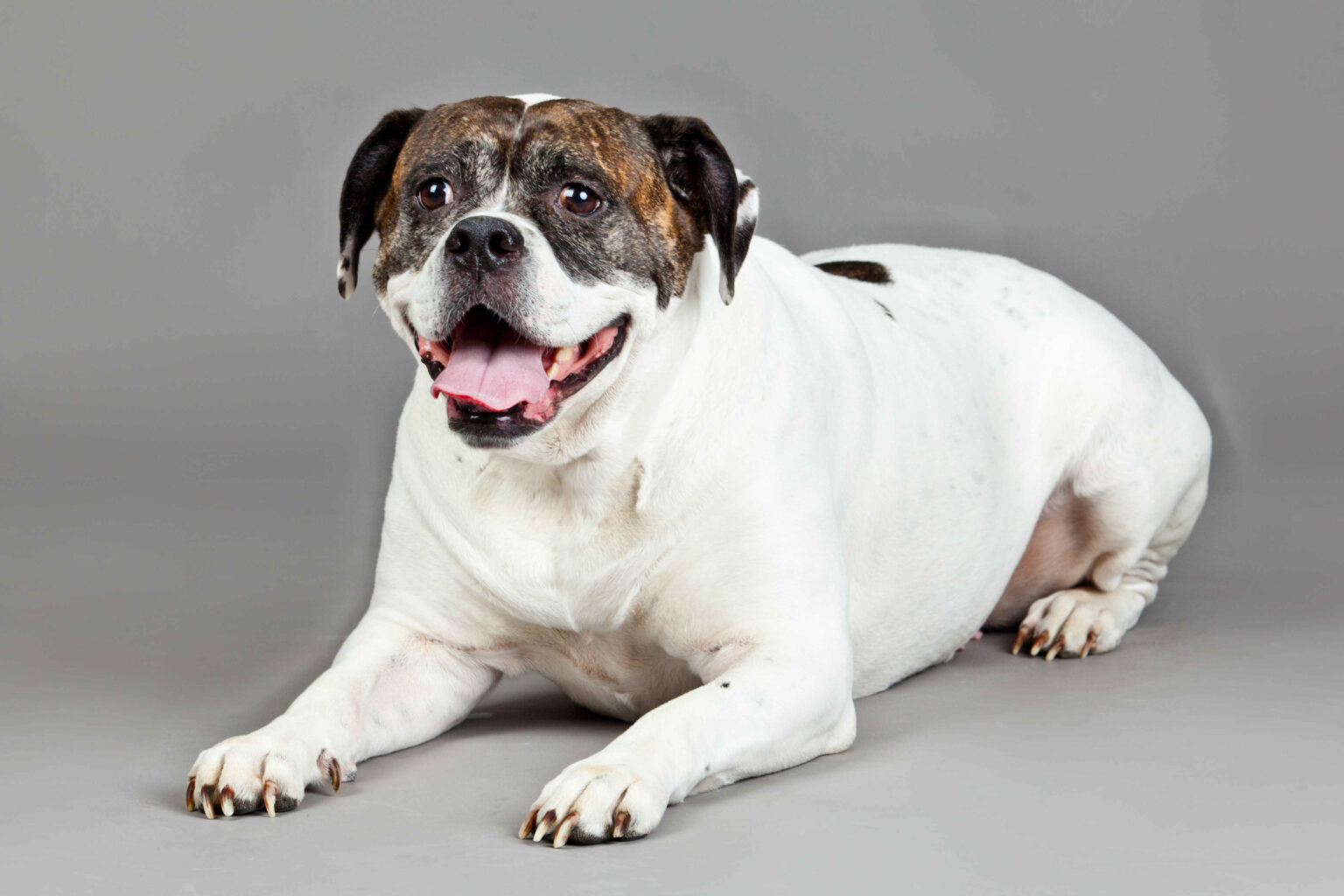
The American Bulldog is not your average bulldog. Taller, leaner, and infinitely more athletic than their English cousins, this breed is a true working dog with a rich history rooted in the rural American South. Many first-time owners are drawn to their powerful build—but quickly realize they’ve taken on far more dog than they expected.
- Pros and Cons of Owning an American Bulldog
- Are American Bulldogs Good for First-Time Owners?
- American Bulldog vs. English Bulldog
- Size and Bloodlines: Scott vs. Johnson Types
- American Bulldog Puppy: What to Expect
- Temperament: Protective and Affectionate
- Training and Exercise Requirements
- How Much Does an American Bulldog Cost?
- Grooming: The Basics
- Common Health Issues in American Bulldogs
- Adopting an American Bulldog
- Final Thoughts
- Frequently Asked Questions (FAQ)
- References & Further Reading
In this complete American Bulldog breed guide, you’ll learn about their towering size, puppy costs, the distinct differences between their bloodlines, common health issues, and whether this powerful, strong-willed breed is the right fit for your home. Make no mistake—this is a dog that demands respect, early socialization, and a confident leader.
The American Bulldog at a Glance (Quick Guide)
- Height: 20 to 28 inches at the shoulder
- Weight: 60 to 100+ pounds
- Lifespan: 10 to 12 years
- Temperament: Confident, protective, affectionate, and athletic
- Coat: Short, stiff or soft coat (moderate shedder)
- Price Range: $800 – $3,000+ (Breed-specific rescues highly recommended)
Pros and Cons of Owning an American Bulldog
Before bringing a massive, working-class bully breed into your home, you must weigh the incredible benefits against the daily responsibilities.
Pros:
- Incredibly devoted and loving with their immediate family
- Excellent, fearless watchdogs and visual deterrents
- Low-maintenance grooming requirements
- Highly versatile working dog (agility, nose work, farm tasks)
Cons:
- Immense physical strength requires strict leash training
- High prey drive (often cannot live with cats or small animals)
- Can be highly suspicious of strangers if under-socialized
- Prone to drooling and heavy chewing when bored
Are American Bulldogs Good for First-Time Owners?
The short answer is no. This is not a breed for inexperienced dog owners.
The best owners for these dogs are individuals already familiar with and knowledgeable about bully breeds. American Bulldogs are smart, but they will test boundaries. Without a confident leader who utilizes firm but positive reinforcement, a bored or untrained American Bulldog can become highly destructive—chewing furniture to pieces or exhibiting dangerous reactivity.
Who Should NOT Own an American Bulldog?
- Novice Owners: Their 100-pound frame and stubborn streak will easily overwhelm a beginner.
- Apartment Dwellers: While they can adapt to city living with rigorous daily exercise, they are best suited to life on an acreage or a home with a large, securely fenced yard.
- Hands-Off Owners: They need a job to do. If you do not have time for daily training, exercise, and heavy socialization, look for a lower-energy breed.
American Bulldog vs. English Bulldog
Do not confuse the American Bulldog with the English Bulldog. While they share ancestors, they have diverged completely:
- Appearance: The English Bulldog is short, squat, and heavily wrinkled. The American Bulldog is tall, athletic, and muscular with longer legs.
- Health: English Bulldogs are severely brachycephalic (flat-faced) and struggle with breathing and heat. American Bulldogs have longer muzzles, allowing them to run, hike, and work in tougher conditions.
- Drive and Purpose: Unlike English Bulldogs, American Bulldogs retain much of their original working-dog drive, which means they are not content with passive companionship—they need structured activity and purpose to stay balanced.
Size and Bloodlines: Scott vs. Johnson Types
One of the most unique aspects of the American Bulldog size and appearance is that they vary significantly depending on the bloodline they were bred from. The two most famous strains are the Scott and Johnson lines (though Painter, Williamson, and hybrid lines also exist).
| Feature | Johnson Type (Classic) | Scott Type (Standard) |
|---|---|---|
| Build | Larger, bulkier, heavier bone structure | Leaner, taller, more athletic |
| Muzzle | Shorter, more distinct “bulldog” undershot bite | Longer muzzle, tighter lips |
| Energy/Work | Built for short, explosive blasts of energy | Built for long hours of endurance work |
Color Standard: The American Bulldog is usually white, or white with patches of brindle, black, or red/fawn. According to the United Kennel Club (UKC), solid black, solid blue, or merle are disqualifying faults in the show ring.
American Bulldog Puppy: What to Expect

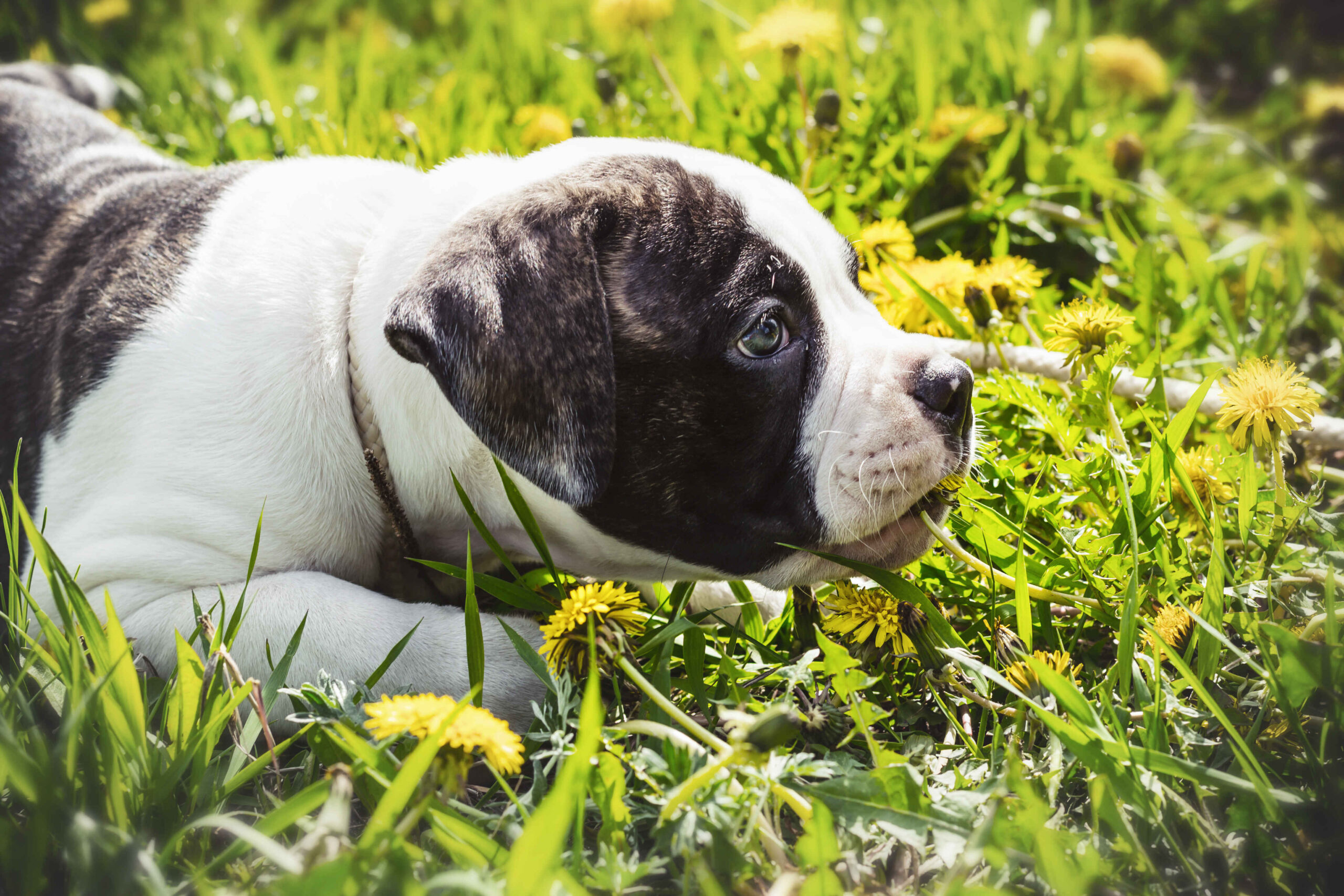
Bringing a massive working-breed puppy into your home is an adventure that requires serious commitment and preparation.
- Growth Stages: They grow incredibly fast, piling on bone density and muscle. Do not overfeed them or force them to jump from high places, as this can permanently damage their developing joints.
- The Biting Phase: They are notoriously mouthy puppies. You must consistently redirect their sharp teeth onto appropriate chew toys to teach them bite inhibition.
- Training Difficulty: They are brilliant but will test your patience daily. They need a handler who is firm but entirely positive.
- Energy Level: They have boundless energy that must be channeled into structured play and obedience rather than destructive chewing.
Temperament: Protective and Affectionate
The American Bulldog typically shadows his owners, always wanting to be right by their side. He isn’t above acting like a 100-pound lapdog. However, outside of their inner circle, their working-dog instincts take over.
Without proper leadership, an American Bulldog may begin guarding doorways, pulling aggressively on the leash, or reacting strongly to strangers—behaviors that can quickly become dangerous in such a powerful dog.
- Watchdog Ability: They are generally excellent watchdogs. They do not bark excessively unless there is something genuine to bark about.
- Protective Instincts: As family dogs, they are highly protective, especially toward children and women in the household. However, no dog should ever be left unsupervised with a young child.
- Animal Aggression: American Bulldogs are often aggressive toward animals they consider prey. If housed with other dogs, they usually do best with a dog of the opposite sex.
Training and Exercise Requirements
Start training an American Bulldog the day you bring him home. If you wait until he is 6 months old and 60 pounds, you will have a headstrong powerhouse on your hands.
- Socialization is Mandatory: He must meet hundreds of new people, animals, and situations. This early exposure inhibits his instinct to bite or act fearfully when encountering unfamiliar situations.
- Positive Reinforcement: Despite their tough exterior, they have a sensitive nature. To avoid common puppy training mistakes, train with loving, firm patience rather than harsh corrections. They hate being in trouble and will pout when scolded.
- Exercise Needs: A healthy American Bulldog can excel at sports like agility and nose work. They make great companions for joggers, hikers, and bicyclists.
How Much Does an American Bulldog Cost?
Acquiring and caring for a large, muscular breed is a significant financial commitment. The cost of an American Bulldog involves much more than just the initial puppy price.
| Expense Category | Estimated Cost |
|---|---|
| Puppy Price (Reputable Breeder) | $800 – $3,000+ USD |
| Adoption / Rescue Fee | $200 – $500 USD |
| Monthly Care (Food, Toys, Preventatives) | $120 – $250 USD |
| Estimated Lifetime Cost | $15,000 – $25,000+ USD |
Note: Veterinary care, medications, and parasite preventatives are dosed by weight, making medical care for a 100-pound American Bulldog significantly more expensive than for a small breed dog. Investing in pet insurance early is highly recommended.
Grooming: The Basics
The American Bulldog has a short coat that sheds moderately year-round. Grooming is refreshingly basic, though keeping a dog shedding guide handy for seasonal shifts is helpful.
- Brush the coat weekly with a hound glove or bristle brush to distribute skin oils.
- Trim their thick nails every three to four weeks.
- Brush their teeth several times a week to prevent periodontal disease.
- Sun Protection: Dogs with white or mostly white hair are highly prone to sunburn and skin cancer. Apply a dog-safe sunscreen to their nose, ears, and belly if they are outdoors for long periods.
Common Health Issues in American Bulldogs
The American Bulldog is a fairly healthy breed with an expected lifespan of 10 to 12 years. However, their size and genetics make it critical to understand large breed health issues:
- Hip and Elbow Dysplasia: A malformation of the joints causing severe arthritis. This is especially prevalent if the dog grows or gains weight too quickly in their first two years. Always ensure parent dogs have OFA or CHIC health clearances.
- Skin Conditions: They are prone to Demodectic Mange (a mite overpopulation causing hair loss) and severe environmental allergies.
- Brachycephalic Syndrome: Particularly in Johnson-type Bulldogs with shorter muzzles, they can have difficulty breathing and cooling down in hot, humid weather.
- Hypothyroidism: A thyroid deficiency that can cause lethargy and weight gain.
Dietary Warning: You have the power to protect him from the most common health problem: obesity. Feed a high-quality large breed dog food and measure every meal to keep pressure off their joints.
Adopting an American Bulldog
Because they are powerful dogs that require confident leadership, many young American Bulldogs end up in shelters when their novice owners realize they are overwhelmed. We strongly encourage you to consider adopting an adult dog.
Adopting an adult American Bulldog allows you to bypass the destructive puppy phase, and you will already know the dog’s fully-formed personality and energy level. Start your search by reaching out to local experts and specialized networks like American Bulldog Rescue, Petfinder, or Adopt-a-Pet.
Final Thoughts
The American Bulldog is a breathtaking, hard-working, and fiercely loyal companion. They are not a breed for the casual pet owner who just wants a dog to sit in the backyard. They require immense time, rigorous exercise, consistent training, and unbreakable leadership.
If you are willing to put in the effort, embrace their sensitive nature, and commit to lifelong socialization, the American Bulldog will reward you by being the ultimate guardian and the most loving, 100-pound lapdog you could ever ask for.
Frequently Asked Questions (FAQ)
How much exercise does an American Bulldog need?
A healthy adult American Bulldog requires 60 to 90 minutes of daily physical exercise. This should be a combination of brisk walking, running, or playtime in a securely fenced yard, heavily supplemented with mental stimulation like obedience training or nose work to prevent destructive boredom.
Are American Bulldogs dangerous?
No breed is inherently “dangerous,” but the American Bulldog is a powerful, large breed with a strong prey drive and protective instincts. If they are abused, neglected, or poorly socialized by an inexperienced owner, they have the physical power to cause harm. Proper training is mandatory.
Do American Bulldogs drool a lot?
Yes, particularly the Johnson-type Bulldogs with looser lips and shorter muzzles. If you are a neat freak, you will need to get used to keeping a “drool rag” handy, especially after they drink water or beg for food.
Are American Bulldogs good with cats?
Generally, no. As former “catch dogs,” they have an incredibly high prey drive. While an American Bulldog raised with a cat from an 8-week-old puppy might tolerate it, they are prone to chasing and potentially harming unfamiliar cats or small pets.
Can American Bulldogs live in apartments?
While possible, it is highly discouraged. They are large, active dogs that do best with a securely fenced yard where they can patrol and play. An apartment-dwelling American Bulldog would require an owner dedicated to multiple hours of vigorous outdoor exercise every single day.
References & Further Reading
- United Kennel Club (UKC): American Bulldog Breed Standard – ukcdogs.com
- American Bulldog Rescue: Adoption and Breed Information – americanbulldogrescue.org
- Orthopedic Foundation for Animals (OFA): Canine Health Information Center – ofa.org
- Petfinder: Find an American Bulldog Near You – petfinder.com