

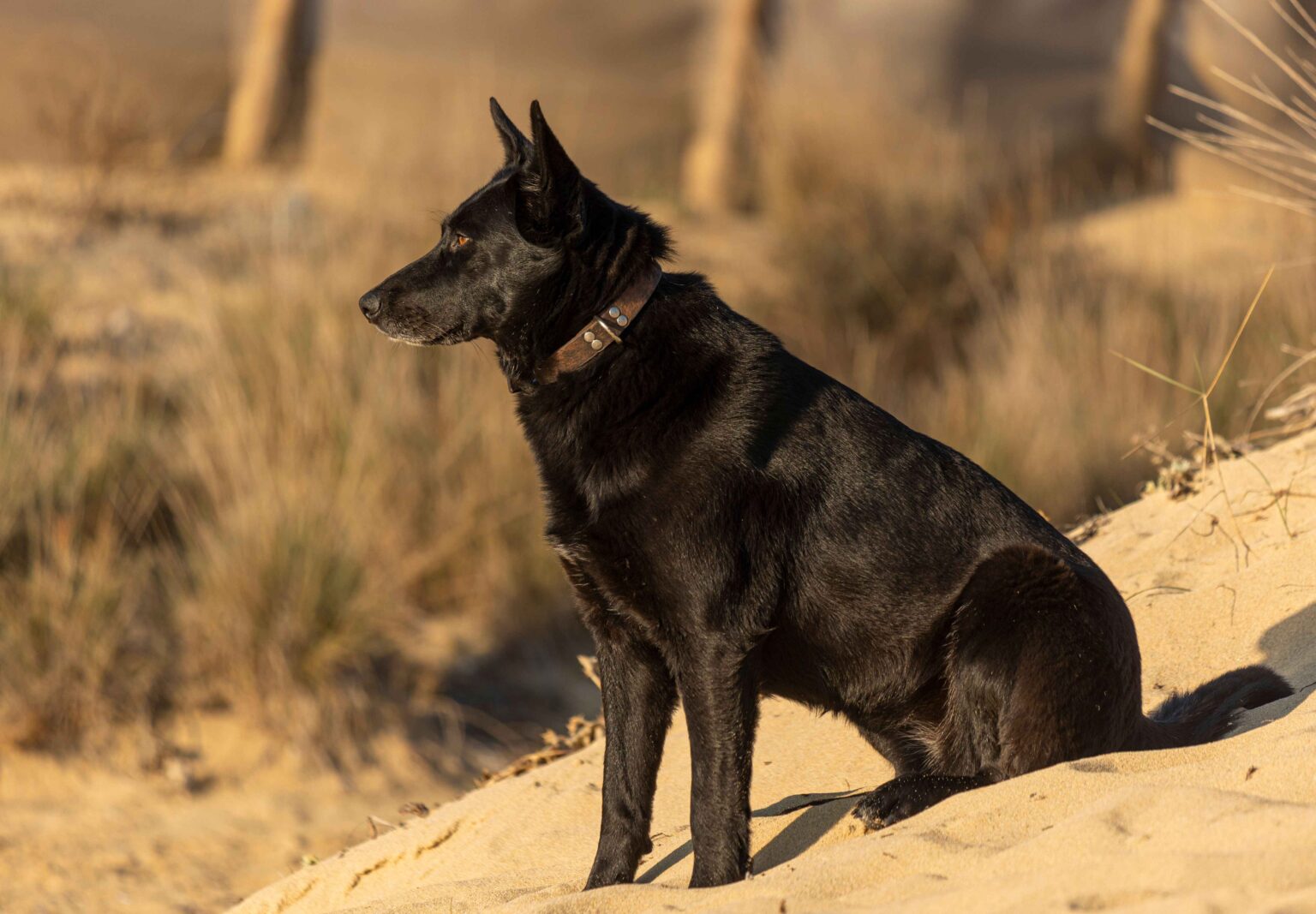
The Black German Shepherd is a rare and striking variation of the German Shepherd Dog, known for its solid black coat, intelligence, and powerful working ability. Despite their intimidating, wolf-like appearance, Black German Shepherds are not inherently more aggressive than standard German Shepherds, a common myth that often misleads new owners.
- Black German Shepherd vs Standard German Shepherd
- Are Black German Shepherds Good for First-Time Owners?
- Black German Shepherd Size: How Big Do They Get?
- Black German Shepherd Puppy: What to Expect
- Temperament and Behavior
- Training and Exercise Requirements
- Do Black German Shepherds Shed a Lot?
- Health and Nutrition
- Black German Shepherd Price: How Much Do They Cost?
- Final Thoughts
- Frequently Asked Questions (FAQ)
- References & Further Reading
In this complete Black German Shepherd guide, you’ll learn about their size, temperament, health issues, price, training needs, and whether this high-energy breed is the right fit for your lifestyle. Let’s be real, this is not a casual pet; this is a dog that needs a purpose. Beneath that stunning dark coat is a highly trainable, brilliant, and versatile working dog that thrives on structure and leadership.
Black German Shepherd (Quick Facts)
- Height: 22 to 26 inches at the shoulder
- Weight: 50 to 90 pounds
- Lifespan: 9 to 13 years
- Temperament: Handler-focused, protective, work-driven, and energetic
- Coat: Solid black (medium or long hair), heavy shedder
- Price Range: $800 – $2,500+ (Premium for solid black lineage)
Black German Shepherd vs Standard German Shepherd
When comparing the Black German Shepherd vs German Shepherd, it is crucial to understand that they are the exact same breed. The only true difference lies in their genetics and appearance.
- The Color Gene: Standard black-and-tan GSDs have a dominant gene pattern, while the solid black coat is caused by a recessive gene. Both parents must carry this recessive gene to produce an all-black puppy.
- Temperament: There is absolutely zero difference in personality. Both variations are equally work-driven, intelligent, and protective. A black coat does not make a dog more aggressive.
- Price Difference: Because the solid black gene is recessive and visually striking, Black German Shepherds are often in higher demand, meaning breeders frequently charge a premium for them.
- Myth Busting: Black GSDs are not “wolf hybrids” or a “new” breed. They have existed since the breed’s foundation in 1899.
Are Black German Shepherds Good for First-Time Owners?
The short answer? No, they are usually not ideal for beginners.
If you’re not prepared, this breed can quickly overwhelm even experienced dog owners. Black German Shepherds possess a deep “working dog mindset.” They require a confident leader who understands canine body language, extensive socialization, and structured obedience. Without consistent boundaries, a novice owner will likely end up with a 90-pound dog that pulls on the leash, barks incessantly at the window, and dictates the rules of the house.
Who Should NOT Own a Black German Shepherd?
If any of the following apply to you, you may want to reconsider this breed:
- First-time dog owners with no prior training experience.
- People working long hours who must leave the dog alone for 8 to 10 hours a day.
- Low-activity households looking for a dog that just wants to cuddle on the couch.
- Owners seeking a hands-off pet; GSDs require constant grooming, training, and engagement.
Black German Shepherd Size: How Big Do They Get?
The Black German Shepherd size mirrors the standard GSD perfectly. They have a muscular, athletic build that is slightly longer than it is tall, featuring a deep chest and a straight back that slopes slightly towards the tail.
| Gender | Average Height (at the shoulder) | Average Weight |
|---|---|---|
| Male | 24 to 26 inches | 65 to 90 pounds (29.5 to 40.8 kg) |
| Female | 22 to 24 inches | 50 to 70 pounds (22.7 to 31.7 kg) |
Black German Shepherd Puppy: What to Expect

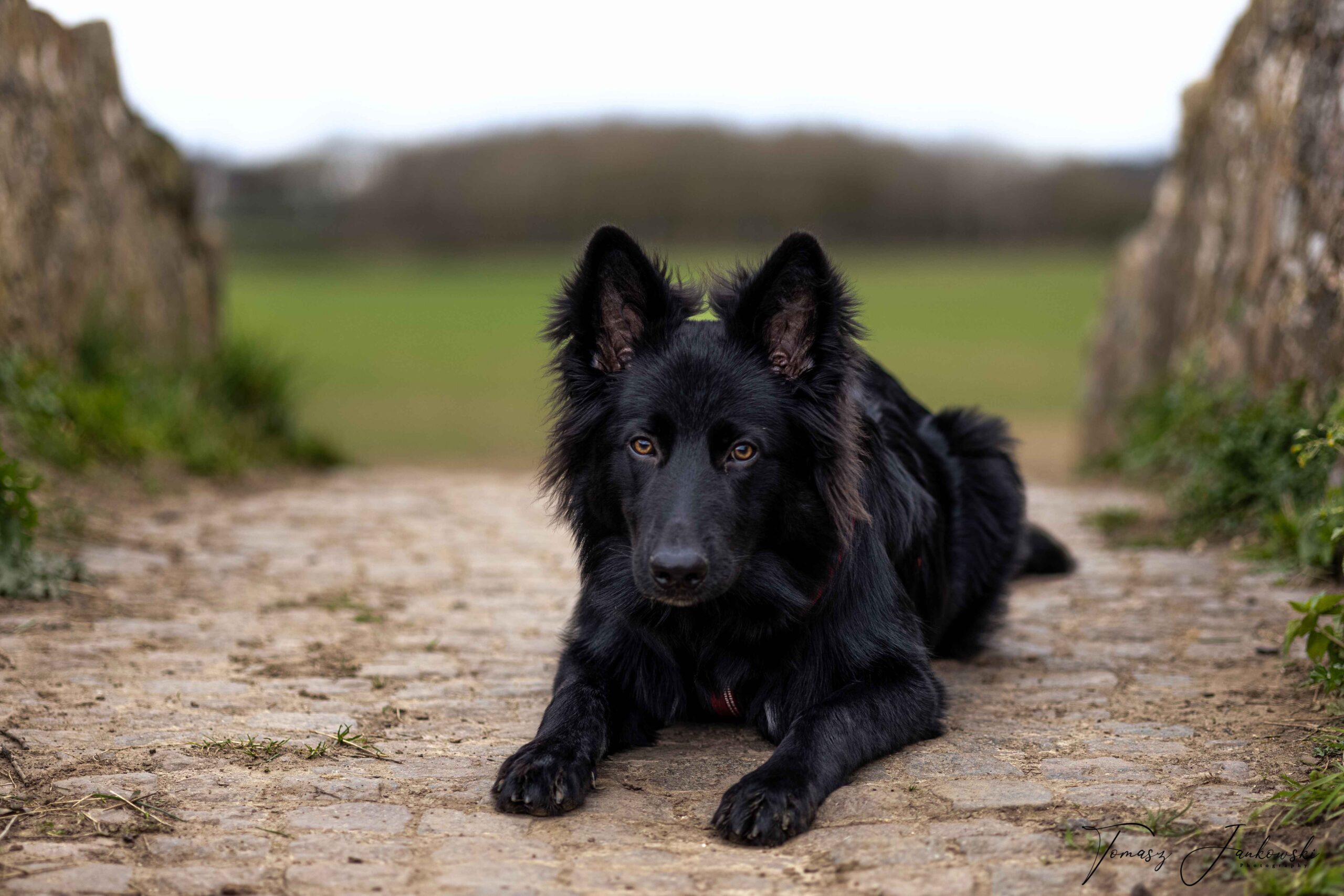
Bringing a Black German Shepherd puppy into your home is a major commitment. These puppies are not couch potatoes; they are tiny tornadoes of energy.
- Growth Stages: They grow incredibly fast. Proper nutrition is required to ensure their bones do not grow too quickly, which can lead to joint issues.
- Early Socialization: Because they are naturally protective, puppy socialization must begin the moment they are vaccinated. Exposing them to diverse people, sounds, and other dogs is crucial to prevent fear-based aggression.
- High Energy: A Black GSD puppy needs plenty of physical outlets and mental games to prevent them from chewing your furniture or developing anxiety.
Temperament and Behavior
Owners often describe Black German Shepherds as extremely loyal but demanding dogs that require daily structure and mental stimulation. They are intensely handler-focused, meaning they will constantly watch you for cues and direction.
However, without proper leadership, a Black German Shepherd may begin to take on a dominant role in the household, leading to behaviors such as ignoring commands or actively guarding spaces and favorite family members.
| Personality Trait | What to Expect |
|---|---|
| Handler-Focused | Unmatched loyalty. They bond deeply with their family and actively watch their owner for cues. |
| Highly Trainable | Ranked as the 3rd smartest dog breed. They thrive when given complex tasks. |
| Protective Instincts | Naturally aloof and wary of strangers. Proper socialization helps them differentiate between normal visitors and actual threats. |
| Prey Drive | High. They love to chase toys but need supervision around cats and small pets. |
Training and Exercise Requirements
A bored German Shepherd is a destructive German Shepherd. This breed requires an owner who is committed to referencing a solid German Shepherd training guide.
Many Black German Shepherd owners underestimate their mental energy needs. Even after a grueling five-mile run, a GSD may still pace the living room restlessly without structured activities. You must provide 60 to 90 minutes of physical exercise combined with mental stimulation like advanced obedience training, puzzle toys, or scent work.
Common Training Challenges
- The Stubborn Phase: Around 6 to 12 months, adolescent GSDs will test boundaries. Consistency is key.
- Over-protectiveness: If poorly socialized, their natural guarding instinct can turn into reactivity toward guests or other dogs.
- Separation Anxiety: They are deeply bonded to their “pack.” If left alone for long hours without a job to do, they can suffer from severe distress.
Do Black German Shepherds Shed a Lot?
If you bring a Black German Shepherd into your home, be prepared for dog hair. They are affectionately nicknamed “German Shedders” for a reason!
- Year-Round Shedding: They possess a thick double coat (a harsh outer coat and a soft, insulating undercoat) that sheds moderately all year long.
- Seasonal Blowouts: Twice a year (usually spring and fall), they will “blow” their undercoat, resulting in heavy, clumped shedding.
- Grooming Frequency: You must brush them 3 to 4 times a week using an undercoat rake. To manage the mess, many owners rely on a strict dog grooming and shedding guide. Bathe them only every 2 to 3 months to avoid stripping their black coat of its natural, glossy oils.
Health and Nutrition
Understanding common health issues in dogs is vital. While a black coat does not make them more susceptible to disease, like all purebred GSDs, they are prone to specific conditions:
- Hip and Elbow Dysplasia: A genetic joint malformation leading to arthritis. Always buy from a breeder who provides OFA joint clearances.
- Gastric Dilatation-Volvulus (Bloat): A life-threatening emergency where the stomach fills with gas and twists. Prevent this by feeding smaller meals and avoiding rigorous exercise right after eating.
- Degenerative Myelopathy (DM): A progressive neurological disease causing hind-leg paralysis.
To support their joints and digestion, you must feed them the best dog food for German Shepherds. Look for a large-breed specific formula featuring a whole animal protein as the first ingredient, and avoid cheap fillers like corn, wheat, and soy.
Black German Shepherd Price: How Much Do They Cost?
Because the solid black gene is recessive, completely black puppies are less common. As a result, the demand is high, and the Black German Shepherd price is often elevated.
| Region | Estimated Breeder Price Range | Estimated Rescue/Adoption Fee |
|---|---|---|
| United States | $1,000 – $2,500+ USD | $100 – $400 USD |
| United Kingdom | £800 – £2,000+ GBP | £150 – £300 GBP |
| Australia | $1,500 – $3,000+ AUD | $200 – $500 AUD |
Buyer Warning: Never purchase a puppy from a breeder who breeds solely for coat color while ignoring health and temperament testing. Alternatively, consider breed-specific German Shepherd rescues, which frequently take in beautiful black GSDs.
Final Thoughts
The Black German Shepherd is a breathtaking, loyal, and fiercely intelligent companion. While their all-black coat makes them look uniquely majestic, beneath the dark fur is the exact same devoted, hard-working German Shepherd the world has loved for over a century.
They are not a breed for the casual, inactive owner. They require time, rigorous exercise, consistent training, and plenty of grooming. But if you are willing to put in the work and establish clear leadership, a Black German Shepherd will reward you with an unbreakable bond and a lifetime of protective, unconditional love.
Frequently Asked Questions (FAQ)
Are Black German Shepherds good family dogs?
Yes, when properly trained and extensively socialized, they make phenomenal family dogs. They are deeply devoted to their “pack” and excellent with children, though interactions with toddlers should be supervised due to their large size and energy.
Are Black German Shepherds easy to train?
They are highly trainable due to their ranking as one of the smartest dog breeds. They pick up commands quickly, but they require a confident, consistent handler to channel their high drive into positive behaviors.
Are Black German Shepherds rare?
While they are less common than the traditional black-and-tan or sable German Shepherds, they are not incredibly rare. The solid black coat simply requires a specific recessive gene to be passed down from both parents.
Are Black German Shepherds a different breed?
No. They are 100% purebred German Shepherd Dogs, fully recognized by the AKC. The only difference is the color of their coat.
Are Black German Shepherds more aggressive?
Absolutely not. Coat color has zero impact on a dog’s temperament. A Black German Shepherd has the same protective, loyal, and loving personality as any other well-bred German Shepherd.
References & Further Reading
- Embark Veterinary: Dog Genetics – embarkvet.com
- VCA Animal Hospitals: Nutritional Requirements of Large and Giant Breed Dogs – vcahospitals.com
- American Kennel Club (AKC): Smartest Dogs – akc.org
- Orthopedic Foundation for Animals (OFA): Canine Health Information Center – ofa.org
- American College of Veterinary Surgeons (ACVS): Gastric Dilatation-Volvulus – acvs.org