
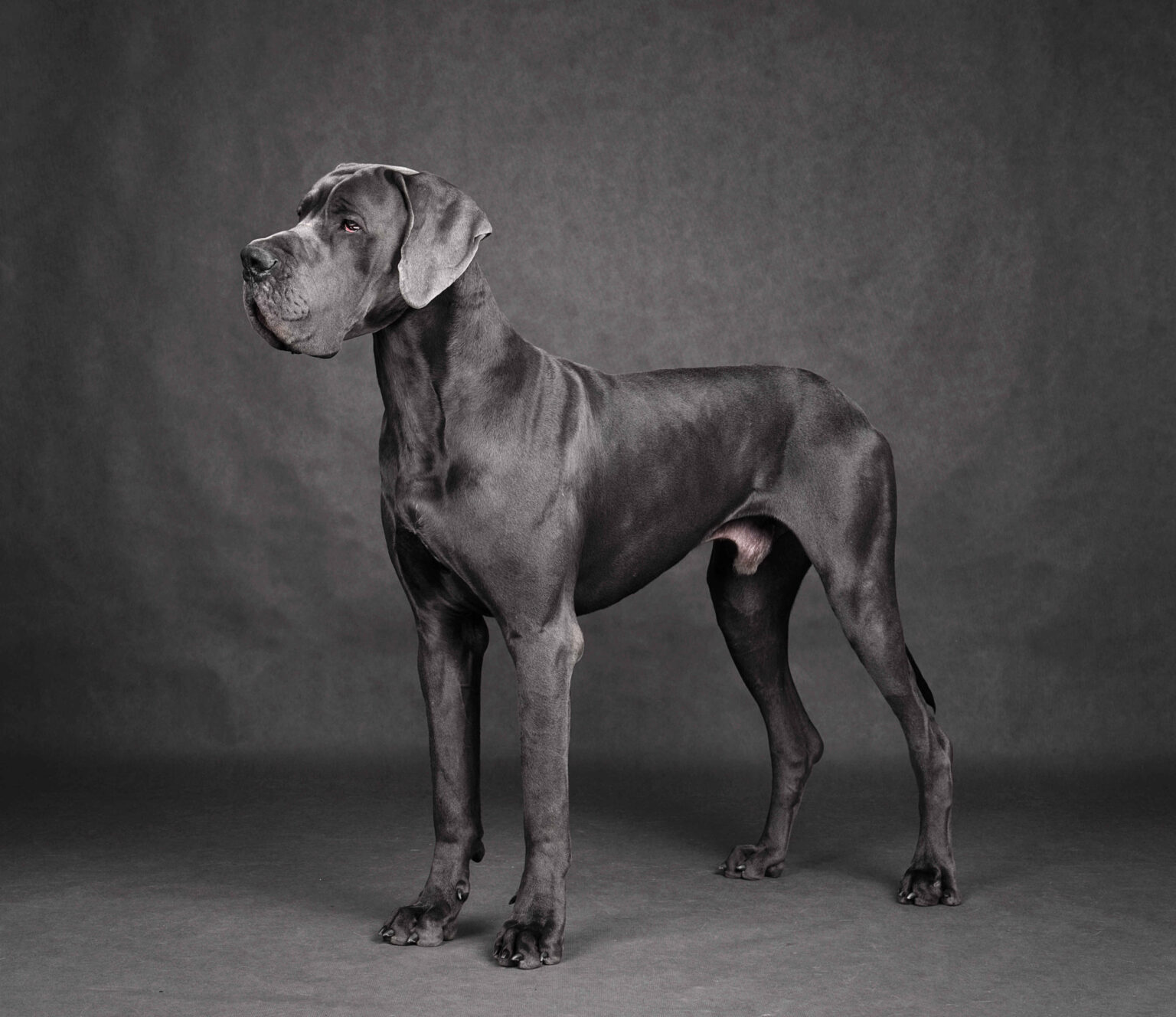
The Great Dane (Apollo of dogs) is one of the largest dog breeds in the world, known for its gentle temperament, massive size, and loyal personality. In this complete Great Dane breed guide, you’ll learn about their size, lifespan, temperament, common health issues, exercise needs, and whether this giant breed is right for your home.
- Pros and Cons of Owning a Great Dane
- Is a Great Dane Right for You?
- How Big Do Great Danes Get?
- Breed Characteristics and Coat
- Temperament and Behavior: The Gentle Giant
- Care Requirements for Great Danes
- Common Health Issues in Great Danes
- Adoption, Breeder, and Lifetime Costs
- The History of the Great Dane
- Frequently Asked Questions (FAQ)
While their sheer scale might seem intimidating at first glance, anyone who has shared their home with a Dane knows they are famously affectionate, comical, and endlessly loyal. Whether you are considering bringing a Great Dane puppy into your family or simply want to learn more about this magnificent “Apollo of Dogs,” this comprehensive guide covers everything from their historic origins to their daily care requirements.
The Great Dane at a Glance (Quick Guide)
- Height: 28 to 34+ inches at the shoulder
- Weight: 110 to 175 pounds
- Lifespan: 7 to 10 years
- Temperament: Friendly, patient, dependable, and affectionate
- Best For: Families with space, owners prepared for giant-breed costs, active yet relaxed households
Pros and Cons of Owning a Great Dane
Before bringing a giant breed into your home, it is important to weigh the benefits against the challenges.
Pros:
- Gentle and affectionate temperament
- Incredibly loyal and good with families
- Lower exercise requirements than many working breeds
- Short, low-maintenance coat
Cons:
- Short lifespan compared to smaller breeds (7 to 10 years)
- Highly expensive to feed and provide vet care for
- Large space requirements
- Prone to serious health issues like bloat
Is a Great Dane Right for You?
Great Danes are remarkable pets, but they are not for everyone. Because of their immense size, they require owners who are prepared for the realities of living with a 150-pound animal. They need extensive obedience training early in life; a jumping, pulling 20-pound puppy is cute, but an unmannered 150-pound adult is dangerous.
Furthermore, they are an incredibly expensive breed. Everything from their food to their beds, heartworm preventatives, and surgical anesthetics costs significantly more than it would for a medium-sized dog. If you have the time for proper training, the budget for their care, and the space for a giant bed on your living room floor, a Great Dane will reward you with unparalleled love.
Ideal Living Environment
While their massive footprint makes them best suited for houses with spacious, fenced-in yards, Great Danes can surprisingly adapt to apartment living if given adequate daily exercise. Inside the home, they are famously inactive “couch potatoes.” However, they are deeply social animals. They are not ideal for highly inactive owners or people who work 12-hour shifts away from home, as they can develop severe separation anxiety.
How Big Do Great Danes Get?
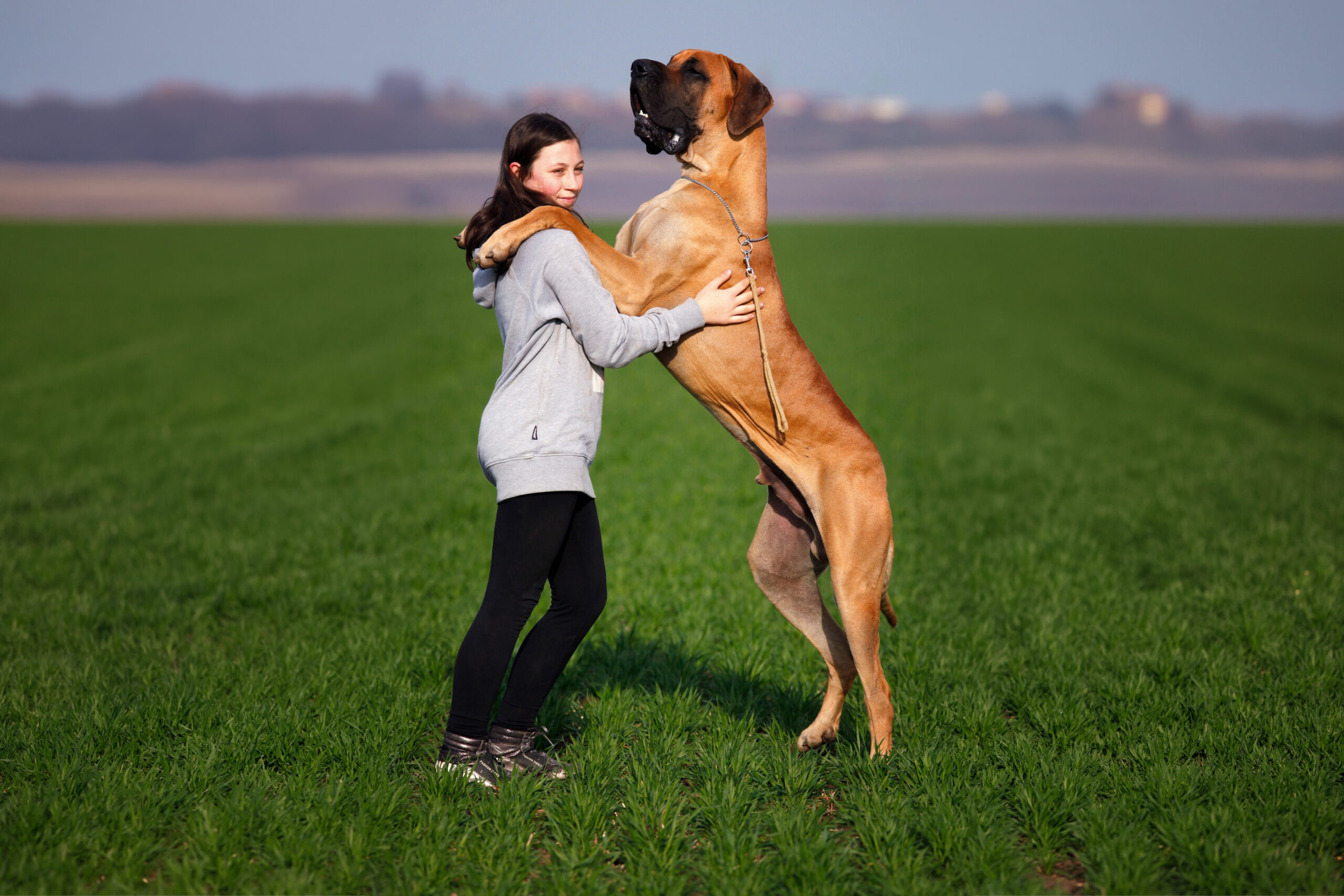
If you are wondering exactly how big do Great Danes get, the answer is: massive. The Great Dane size is one of the defining features of this giant breed, dictating everything from how much they eat to the size of the vehicle you need to transport them.
- Males: Typically reach 30 to 34+ inches (76 to 86+ cm) at the shoulder and weigh a robust 140 to 175 pounds (63 to 79 kg).
- Females: Slightly smaller and more refined, standing 28 to 32 inches (71 to 81 cm) and weighing 110 to 145 pounds (50 to 66 kg).
Growth Timeline: A Great Dane does not reach their full adult size overnight. While they may reach their full height by 12 to 15 months, they will continue to fill out, build muscle, and broaden their chest until they are 18 to 24 months old. Protecting their joints during this extended growth phase is absolutely critical.
Breed Characteristics and Coat
Great Danes have a short, thick, and sleek coat that requires minimal grooming. A quick weekly brush with a hound glove or bristle brush will keep shedding under control and distribute healthy skin oils. The breed standard, as recognized by the American Kennel Club (AKC), recognizes several stunning coat colors and patterns:
- Fawn: Golden yellow with a distinct black “mask” on the face.
- Brindle: Fawn base with black tiger-like stripes.
- Harlequin: Pure white base with irregular, torn black patches.
- Mantle: Black and white, resembling a tuxedo.
- Blue: A solid, deep steel grey.
- Black: Glossy, solid black.
Temperament and Behavior: The Gentle Giant
Do not let their imposing stature fool you; the Great Dane temperament is widely known for being calm, friendly, and affectionate. They embody a unique combination of strength and absolute gentleness, earning them the nickname of “gentle giants.”
Great Danes are incredibly loyal and thrive on human companionship. They are people-pleasers who want nothing more than to lean heavily against your leg or attempt to fold their massive bodies onto your lap. In fact, many families find that Great Danes are extraordinarily tolerant of children. However, due to their massive size, interactions with toddlers must always be supervised, as a Dane can easily knock a small child over with a single, happy tail wag.
Care Requirements for Great Danes
Caring for a giant breed is vastly different from caring for a medium or small dog. Their sheer scale amplifies everything from their exercise routines to their dietary needs.
1. Exercise Needs
Despite their size, adult Great Danes do not need hours of grueling exercise. A brisk 30-to-45-minute daily walk, coupled with some free playtime in a fenced yard, is usually sufficient. Care must be taken to avoid excessive running or jumping during their rapid puppy growth stages to prevent catastrophic joint damage.
2. Feeding & Nutrition
Proper diet is critical for Great Danes due to their risk of bloat and rapid growth-related issues. They require the best large breed dog food available. Large breed puppy food carefully controls the calcium-to-phosphorus ratio to ensure their bones do not grow too quickly. A fully grown Dane can consume anywhere from 6 to 10 cups of premium dog food per day.
3. Training & Socialization
Following a solid Great Dane training guide must begin the moment you bring them home. Early leash training is especially important due to the Great Dane’s strength and size. Use positive reinforcement to build trust, and heavily socialize them to new people, dogs, and environments early on to ensure they become confident, well-adjusted adults.
4. Grooming Needs
Grooming routines for Great Danes are relatively straightforward. Regular brushing once a week helps minimize shedding. Regular nail trimming and dental care are also mandatory to maintain overall health.
Common Health Issues in Great Danes
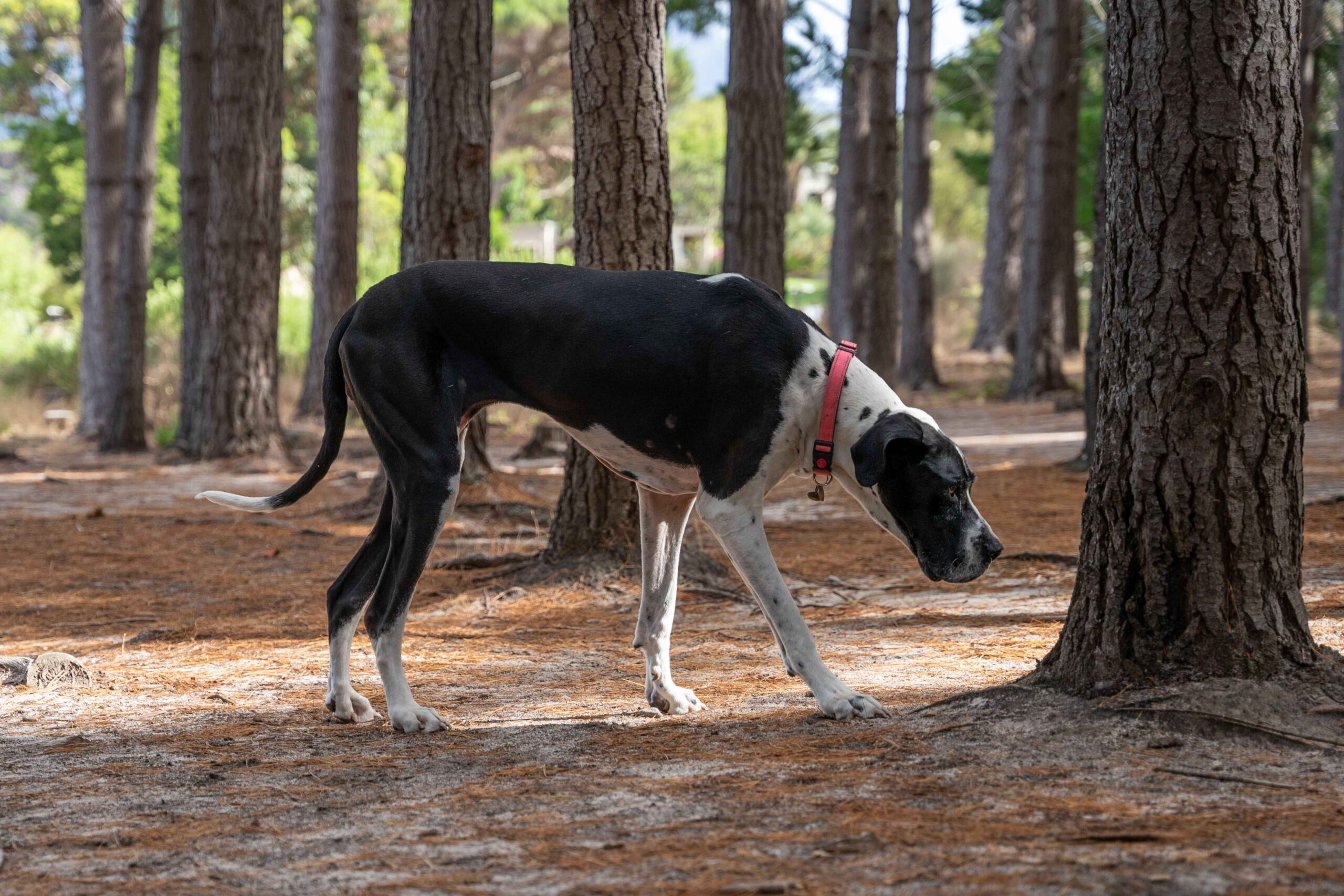
The lifespan of a Great Dane generally ranges from 7 to 10 years. Understanding dog health issues in large breeds is vital, as their massive size predisposes them to several serious conditions.
- Bloat (Gastric Dilatation-Volvulus): According to veterinary experts, bloat is the leading killer of Great Danes. The stomach fills with gas and twists on itself.How to prevent bloat in Great Danes:
- Feed 2–3 smaller meals daily
- Avoid exercise 1 hour before/after meals
- Use slow feeder bowls
- Consider elevated bowls (case-by-case, consult your vet)
- Discuss prophylactic gastropexy surgery with your vet
- Hip Dysplasia: A genetic malformation of the hip joint that leads to arthritis. Reputable breeders will screen for this.
- Dilated Cardiomyopathy (DCM): A serious condition that affects the heart’s ability to pump blood effectively.
- Wobbler Syndrome: A neurological condition causing compression of the spinal cord in the neck, impairing coordination in the hind legs.
Adoption, Breeder, and Lifetime Costs
Adopting a Great Dane is a major financial decision. Owning a Great Dane can cost $2,000–$4,000 per year depending on food, vet care, and supplies.
| Expense | Estimated Monthly Cost |
|---|---|
| Food | $100–$200 |
| Vet Care & Preventatives | $50–$150 |
| Pet Insurance | $30–$80 |
| Supplies (Toys, Beds, Bags) | $20–$50 |
Purchasing a puppy from a highly reputable breeder, vetted by the Great Dane Club of America, typically ranges from $1,500 to $3,000. Factoring in emergency vet visits, giant-sized beds, and premium diets over a 7-to-10-year lifespan, owners can expect to spend upwards of $20,000 to $35,000 over the dog’s life.
The History of the Great Dane
The Great Dane has a rich and storied history. Originally bred in Germany, this magnificent breed was developed from a lineage of large mastiff-type dogs and fast sighthounds. Their original purpose was hunting wild boar, which required both immense strength and agility.
Throughout the centuries, the breed’s role shifted from a fierce hunter to a noble estate companion. By the late 19th century, the Great Dane was officially recognized as a distinct breed, and early breeding practices successfully bred out their aggressive hunting instincts, leaving behind the sweet, protective companion we see today.
Frequently Asked Questions (FAQ)
Are Great Danes good for first-time owners?
While they are loving and eager to please, Great Danes are generally not recommended for first-time dog owners. Their massive size requires a confident leader who understands large-breed obedience training and is prepared to manage their expensive health and dietary needs.
How much exercise does a Great Dane need?
Despite their size, Great Danes only need moderate exercise. Around 30–45 minutes of daily walking combined with some light play in a securely fenced yard is usually plenty to keep them healthy and happy.
How long do Great Danes live?
The average lifespan of a Great Dane is 7 to 10 years. Large and giant breeds age much faster than smaller dogs, which sadly leads to a shorter time spent with their human families.
Do Great Danes bark a lot?
Great Danes are not known to be nuisance barkers. However, they have an incredibly deep, booming bark that they will use to alert their families if a stranger approaches the property.
Are Great Danes aggressive?
No, modern Great Danes are bred specifically for their gentle, sweet nature. While their size is intimidating and they make excellent visual deterrents, a well-bred and properly socialized Great Dane is friendly, patient, and deeply affectionate.