
With their striking fox-like appearance, spirited personality, and internet-famous “doge” meme status, the Shiba Inu has captured the hearts of dog lovers worldwide. But beneath that plush double coat and curling tail lies an ancient, independent hunter with a temperament that is often compared more to a cat than a dog.
- Pros and Cons of Owning a Shiba Inu
- Are Shiba Inus Good for First-Time Owners?
- Shiba Inu vs Akita: What’s the Difference?
- Shiba Inu Size and Appearance
- Temperament: The “Cat-Dog” Personality
- History and Origins
- Do Shiba Inus Shed a Lot? (Grooming Needs)
- Common Health Issues in Shiba Inus
- What to Feed My Shiba Inu? (Diet & Nutrition)
- Adopting a Shiba Inu
- Final Thoughts
- Frequently Asked Questions (FAQ)
- References & Further Reading
In this complete Shiba Inu breed guide, you’ll learn about their unique size, fiercely loyal temperament, specific dietary needs, and whether this highly intelligent, sometimes stubborn breed is the right fit for your lifestyle. Let’s be clear, this is not a golden retriever in a smaller body. A Shiba Inu demands respect, patience, and a dedicated owner who understands their early canine instincts.
The Shiba Inu at a Glance (Quick Guide)
- Height: 13 to 17 inches at the shoulder
- Weight: 17 to 23 pounds
- Lifespan: 13 to 16 years
- Temperament: Independent, loyal, alert, and fastidious
- Coat: Thick double coat (heavy seasonal shedder)
- Availability: Moderate (Breed-specific rescues and adoption networks strongly encouraged)
Pros and Cons of Owning a Shiba Inu
Before committing to adopting a Shiba Inu, it is crucial to understand the daily realities of living with an independent, primitive breed.
Pros:
- Incredibly clean and fastidious (virtually house-train themselves)
- Fiercely loyal to their immediate family
- Quiet indoors; excellent apartment dogs
- Long lifespan and generally very healthy
Cons:
- Notoriously stubborn and difficult to train
- Extreme seasonal shedding (“blowing coat”)
- High prey drive; cannot be trusted off-leash
- Prone to the dramatic “Shiba Scream” during grooming or vet visits
Are Shiba Inus Good for First-Time Owners?
The honest answer? Usually no. While their medium size and adorable faces are highly appealing, the Shiba Inu is a primitive breed that requires an experienced handler.
If you are expecting a dog that lives to please you and comes running every time you call, the Shiba will deeply frustrate you. They are highly independent thinkers. They know exactly what you want them to do, but they will weigh whether or not it is worth their time to do it. Without consistent, firm, and overwhelmingly positive dog training, a Shiba will easily outsmart a novice owner and establish themselves as the ruler of the household.
Who Should NOT Own a Shiba Inu?
- Owners wanting an off-leash hiking buddy: Their prey drive is immense. If they see a squirrel, they will bolt, and their recall is famously unreliable.
- Households with small pets: Birds, rabbits, and rodents will be viewed as prey.
- People who want a cuddly lap dog: While they love their owners, Shibas prefer to sit near you rather than on you. They are affectionate on their own terms.
Shiba Inu vs Akita: What’s the Difference?
Because they share similar Japanese origins and fox-like features, people often confuse the Shiba Inu with the Akita. While they are related as part of Japan’s native Spitz breeds, they are vastly different dogs:
- Size: This is the biggest difference. The Shiba Inu is small (around 20 pounds), while the Akita is a giant working breed that can weigh over 100 pounds.
- Purpose: Shibas were bred to flush birds and small game in dense underbrush. Akitas were bred to hunt bears and guard royalty.
- Temperament: Shibas are more nimble, fiery, and aloof. Akitas are deeply serious, highly protective guard dogs that require immense physical strength to manage.
Shiba Inu Size and Appearance
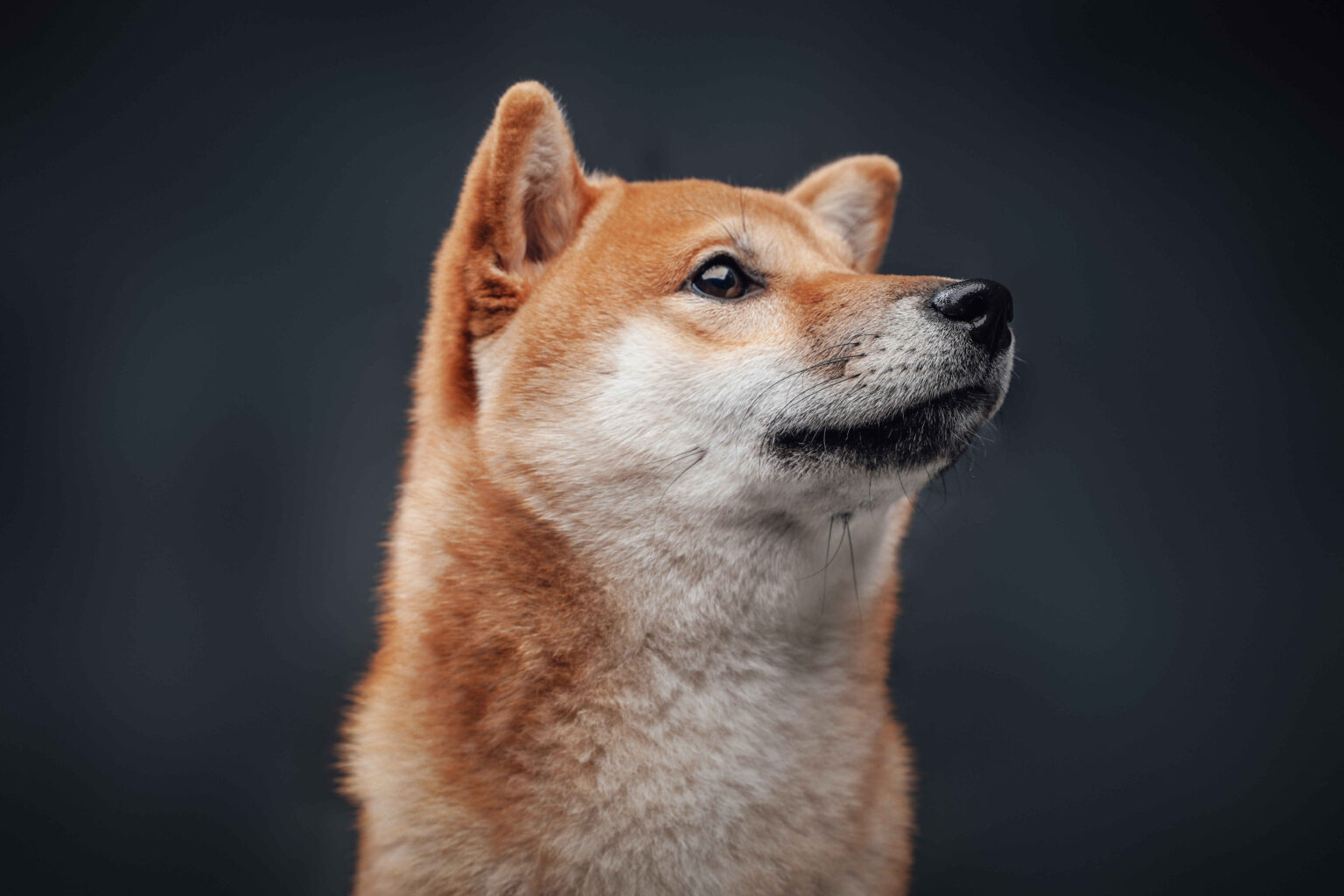
Shiba Inus are a small-sized, well-muscled dog breed that typically weighs between 17 and 23 pounds and stands 13 to 17 inches tall at the shoulder. They are incredibly agile, moving with a light, nimble step.
- The Coat: They have a thick, plush double coat. The AKC breed standard recognizes four primary colors: Red, Black and Tan, Sesame (red with black-tipped hairs), and Cream. All Shibas (except cream) must possess “Urajiro”—the distinct white markings on the cheeks, muzzle, chest, and belly.
- The Tail: Their distinctive curled tail, which rests highly over their back, is one of their most recognizable and expressive features.
- The Face: They feature a broad forehead, deep-set triangular eyes, and pricked ears that angle slightly forward, giving them their famous fox-like expression.
Temperament: The “Cat-Dog” Personality
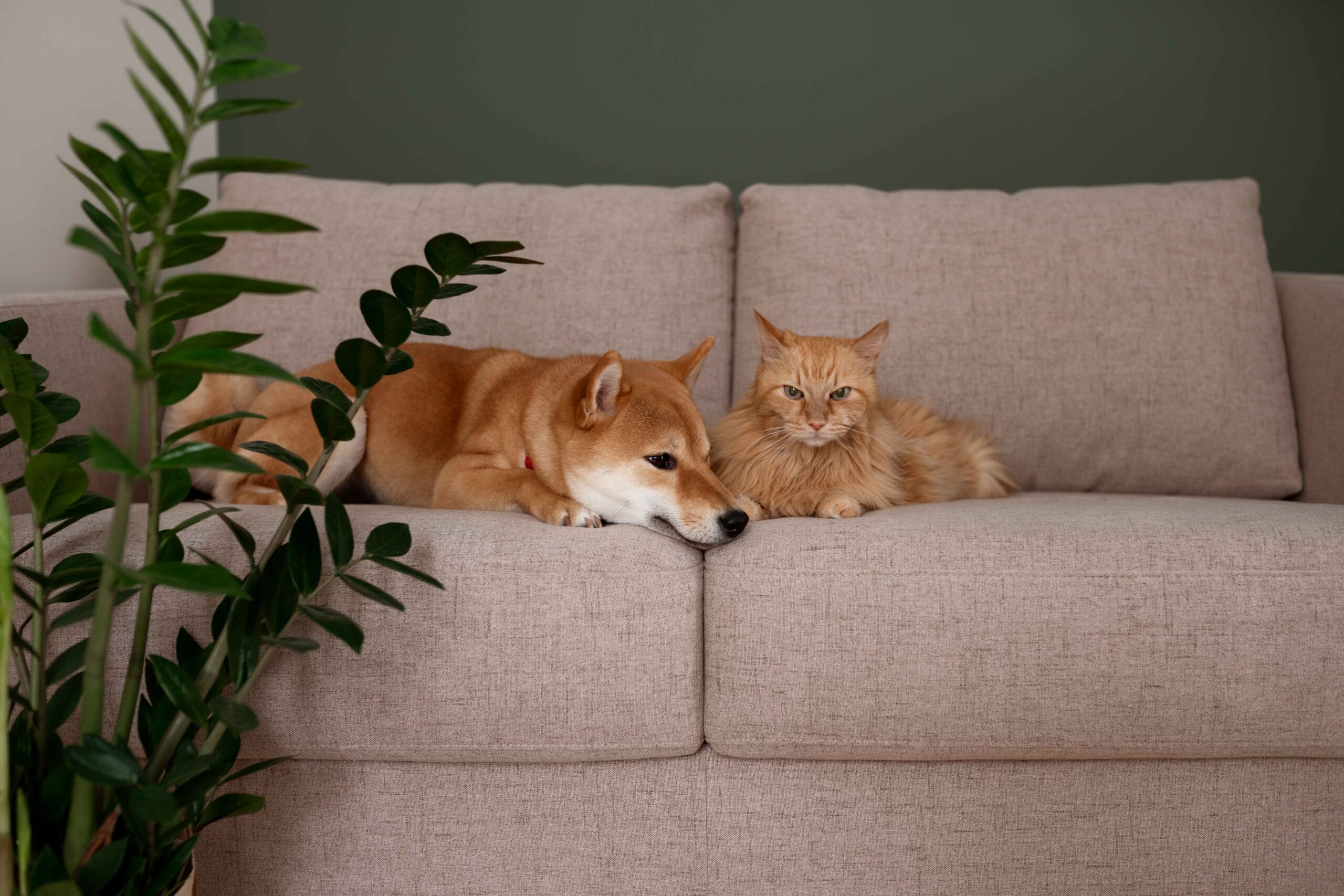
Shiba Inus are known for their highly unique personalities. They are fiercely loyal and protective of their owners, making them excellent, alert watchdogs. However, they are also independent and can be incredibly stubborn.
Owners frequently compare living with a Shiba Inu to living with a cat. They are notoriously fastidious and will groom themselves like felines, avoiding mud puddles and keeping their coats pristine. They are also incredibly quiet indoors, rarely barking unless there is a genuine reason.
The “Shiba Scream”: You cannot talk about this breed without mentioning their vocalizations. When a Shiba is unhappy, frightened, or simply offended by a nail clipper, they emit a loud, high-pitched shriek known as the “Shiba Scream.” It is dramatic, hilarious, and something every prospective owner must be prepared for.
History and Origins
The Shiba Inu is the oldest and smallest of Japan’s native dog breeds, with a history dating back to ancient times (circa 300 B.C.). The word “Shiba” means brushwood, and “Inu” means dog. They were originally bred for hunting small game such as birds and rabbits in the dense undergrowth of Japan’s mountainous regions. Despite their small size, they were highly valued for their bravery and were even used to flush out larger game like wild boar.
During World War II, the Shiba Inu breed nearly became extinct due to bombing raids and a devastating post-war distemper epidemic. After the war, only three bloodlines remained. Dedicated Japanese breeders worked tirelessly to combine these lines and revive the breed. Today, they are the most popular companion dog in Japan and continue to gain immense popularity around the world.
Do Shiba Inus Shed a Lot? (Grooming Needs)
Yes. If you own a Shiba Inu, you must invest in a high-quality vacuum cleaner.
While they are naturally clean and lack a “doggy odor,” they are heavy shedders. They possess a thick double coat that sheds moderately throughout the year. However, twice a year (usually in spring and fall), they will “blow their coat.” During this 3-to-4 week period, they shed their dense undercoat in massive, snow-like clumps. Daily brushing with a deshedding tool and referencing a proper dog grooming guide is absolutely mandatory during this time.
Common Health Issues in Shiba Inus
Overall, the Shiba Inu is a very hardy and healthy breed with a long lifespan. However, like all purebreds, they are prone to specific genetic conditions. Understanding common canine health issues can help you catch problems early:
- Allergies: Shibas are highly prone to environmental and food allergies, which manifest as itchy skin, paw licking, and hot spots.
- Patellar Luxation: A common issue in small breeds where the kneecap slips out of place, causing a skipping gait.
- Eye Problems: They are genetically predisposed to Glaucoma and Progressive Retinal Atrophy (PRA), which can lead to blindness.
- Hip Dysplasia: A malformation of the hip joint that can cause painful arthritis later in life.
What to Feed My Shiba Inu? (Diet & Nutrition)
Shiba Inus are a breed that requires a well-balanced, high-protein diet to maintain their muscular build and boundless energy levels. Feeding your Shiba the right dog food helps protect their joints and maintain their beautiful coat.
Commercial Dog Food Options
When choosing commercial kibble, avoid cheap fillers like corn and soy. Look for brands that utilize high-quality animal proteins (chicken, salmon, or lamb) and healthy complex carbohydrates.
- Royal Canin: They offer breed-specific formulas tailored to the exact jaw shape and metabolic needs of small, energetic breeds.
- Blue Buffalo Life Protection: An excellent option free from artificial preservatives, utilizing real chicken and brown rice to support digestive health.
Homemade Dog Food for Shiba Inus
If your Shiba suffers from food allergies, homemade dog food allows you to control exactly what goes into their bowl. Note: Always consult your veterinarian before transitioning to a fully homemade diet to ensure it meets all nutritional requirements.
1. Chicken and Rice Recipe
Ingredients:
- 2 cups cooked brown rice
- 1 pound boneless, skinless chicken breast
- 1 cup chopped carrots
- 1 cup chopped green beans
- 1 tablespoon olive oil
Directions:
- Cook the brown rice according to package instructions.
- Cut the chicken breast into small pieces.
- In a large skillet, heat the olive oil over medium heat, add the chicken, and cook until browned.
- Add the chopped carrots and green beans, cooking for 5-7 minutes.
- Mix in the cooked brown rice until well combined. Allow to cool completely before serving.
2. Beef and Sweet Potato Recipe
Ingredients:
- 1 pound ground beef (lean)
- 2 cups chopped sweet potatoes
- 1 cup chopped spinach
- 1 tablespoon coconut oil
Directions:
- Heat the coconut oil in a skillet over medium heat.
- Add the ground beef and cook thoroughly.
- Add the chopped sweet potatoes and cook until soft (about 5-7 minutes).
- Stir in the chopped spinach and cook for an additional 2-3 minutes until wilted. Let cool before serving.
Feeding Tips for Shibas
Shiba Inus have small stomachs but big appetites. Divide their daily caloric intake into two smaller meals to prevent digestive discomfort. Because they are not as hyperactive indoors as other breeds, they are prone to obesity. Measure their food strictly and limit high-calorie treats.
Adopting a Shiba Inu
If you have decided that the independent, loyal spirit of the Shiba Inu is perfect for your home, we strongly encourage you to look into adoption.
Because they are challenging for first-time owners, many young adult Shibas end up in shelters when their owners realize they cannot handle their stubbornness or shedding. Adopting a Shiba Inu gives a deserving dog a second chance and allows you to bypass the difficult puppy teething phase.
Excellent places to start your search include the National Shiba Rescue network or checking with local chapters of the National Shiba Club of America. Adoption fees generally range from $200 to $500, which is significantly lower than breeder prices and typically includes spaying/neutering and vaccinations.
Final Thoughts
Shiba Inus are a deeply unique, ancient dog breed that requires a specific type of owner. They are not needy lap dogs, nor are they eager-to-please golden retrievers. They are proud, independent, and fastidious companions that demand mutual respect.
If you are willing to put in the time for consistent training, accept their dramatic vocalizations, and invest in a very good vacuum cleaner, the Shiba Inu will reward you with an unbreakable bond and a lifetime of fierce, unwavering loyalty.
Frequently Asked Questions (FAQ)
Do Shiba Inus bark a lot?
No, they are generally very quiet dogs indoors and only bark when there is a clear reason to alert you. However, when they are stressed, excited, or displeased (like during nail trims), they will emit the infamous, high-pitched “Shiba Scream.”
Are Shiba Inus good apartment dogs?
Yes! Because of their small size, clean nature, and quiet demeanor indoors, they make fantastic apartment dogs, provided they get adequate daily outdoor exercise and mental stimulation.
Can a Shiba Inu be let off the leash?
It is highly advised against. Shibas have an intense prey drive and an independent streak. If they see a squirrel or a bird, instinct takes over, and they will ignore your commands to return.
Are Shiba Inus good with children?
They can be, provided they are raised alongside children and properly socialized. However, because they are independent and do not tolerate rough handling or having their boundaries crossed, they are generally better suited for families with older, respectful children.
References & Further Reading
- American Kennel Club (AKC): Shiba Inu Breed Standard & Information – akc.org
- National Shiba Club of America: Breed Health, History, and Rescue – shibas.org
- Orthopedic Foundation for Animals (OFA): Canine Health Information Center – ofa.org
- VCA Animal Hospitals: Patellar Luxation in Dogs – vcahospitals.com
- ASPCA: Dog Nutrition Tips – aspca.org