
The Siberian Husky is undeniably one of the most strikingly beautiful and globally recognized canines in the world. With their piercing eyes, wolf-like features, and boundless energy, it is easy to see why so many people fall in love with them.
However, bringing a Siberian Husky into your home requires a deep understanding of their unique needs. They are highly intelligent, fiercely energetic working dogs that were bred to run for miles in freezing temperatures.
Because of their intense drive, they are not the best fit for every household or lifestyle. This ultimate Siberian Husky breed guide will cover absolutely everything you need to know before adopting one. We will dive deep into the Siberian Husky temperament, their rigorous grooming requirements, and exactly how to keep these incredible escape artists safe, healthy, and happy.
Is a Siberian Husky Right for You at a Glance?
Before diving into the detailed Husky dog breed information, use this quick comparison chart to see if your current lifestyle matches this demanding breed’s daily needs.
| Good Fit If You… | Not Ideal If You… |
|---|---|
| Love intense outdoor exercise and hiking. | Want a low-maintenance, sedentary lap dog. |
| Can provide 1–2 hours of daily vigorous activity. | Work long hours away from home. |
| Do not mind heavy, year-round shedding. | Need a dog with reliable off-leash recall. |
| Have a highly secure, high-fenced yard. | Have a delicate garden or live in a tiny apartment. |
Siberian Husky Breed Overview
To truly understand the modern Siberian Husky, you must look at their ancient history. They originated thousands of years ago in the brutal, freezing climate of northeastern Siberia.
They were meticulously bred by the Chukchi people, an indigenous semi-nomadic tribe. The Chukchi needed an incredibly resilient sled dog capable of pulling light loads over vast, icy expanses at moderate speeds.
Because they lived closely with the tribe’s families, they were also bred to be highly sociable and gentle with children. The American Kennel Club (AKC) officially recognized the breed in 1930. Today, they still retain their legendary endurance, incredibly thick coats, and deeply ingrained pack-animal mentality.
Siberian Husky Quick Facts
Here is a rapid overview of the core physical and behavioral traits that define the Siberian Husky breed standard.
| Trait | Details |
|---|---|
| Size / Weight | 35 to 60 lbs (Medium to Large) |
| Husky Lifespan | 12 to 14 years |
| Energy Level | Very High (Requires vigorous daily exercise) |
| Shedding | Heavy (Blows coat twice a year) |
| Trainability | Moderate (Intelligent but highly stubborn) |
| Good With Kids | Usually Yes (When properly socialized) |
| Apartment Friendly | Sometimes (Only if heavily exercised daily) |
| Beginner Friendly | Usually No (Requires strong, consistent leadership) |
Is a Siberian Husky Right for You? (Owner Match)
The Siberian Husky is not a breed for the faint of heart. They are one of the most frequently surrendered breeds in animal shelters because novice owners severely underestimate their energy and rigorous Husky coat maintenance.
The ideal Husky owner is highly active, patient, and possesses a wonderful sense of humor. You must have a securely fenced yard—Huskies can easily scale six-foot fences or dig underneath them, and the dedicated time to run them every single day.
Furthermore, climate considerations are important. While their double coat naturally insulates them against heat, they absolutely thrive in cooler climates. If you live in a hot environment, you must exercise them strictly during the cool early mornings to prevent dangerous heatstroke.
Common Mistakes New Husky Owners Make
Avoid these frequent pitfalls to ensure a harmonious relationship with your new working dog:
- Underestimating Exercise Needs: A quick walk around the block will not tire out a Husky. They require intense cardiovascular running or pulling daily.
- Letting Them Off Leash Too Early: Huskies have a massive instinct to run. If they see a squirrel, their recall vanishes. They should never be off-leash in an unenclosed area.
- Poor Fence Setup: These dogs are notorious escape artists. Your yard needs tall, jump-proof fences and concrete or wire buried at the base to prevent digging.
- Neglecting Mental Stimulation: Physical exercise is only half the battle. Without puzzle toys and training, their brilliant minds will turn to destructive chewing.
- Choosing a Husky for Looks Only: Adopting a dog solely because of their beautiful blue eyes, while ignoring their intense working-breed temperament, almost always ends in disaster.
Siberian Husky Appearance
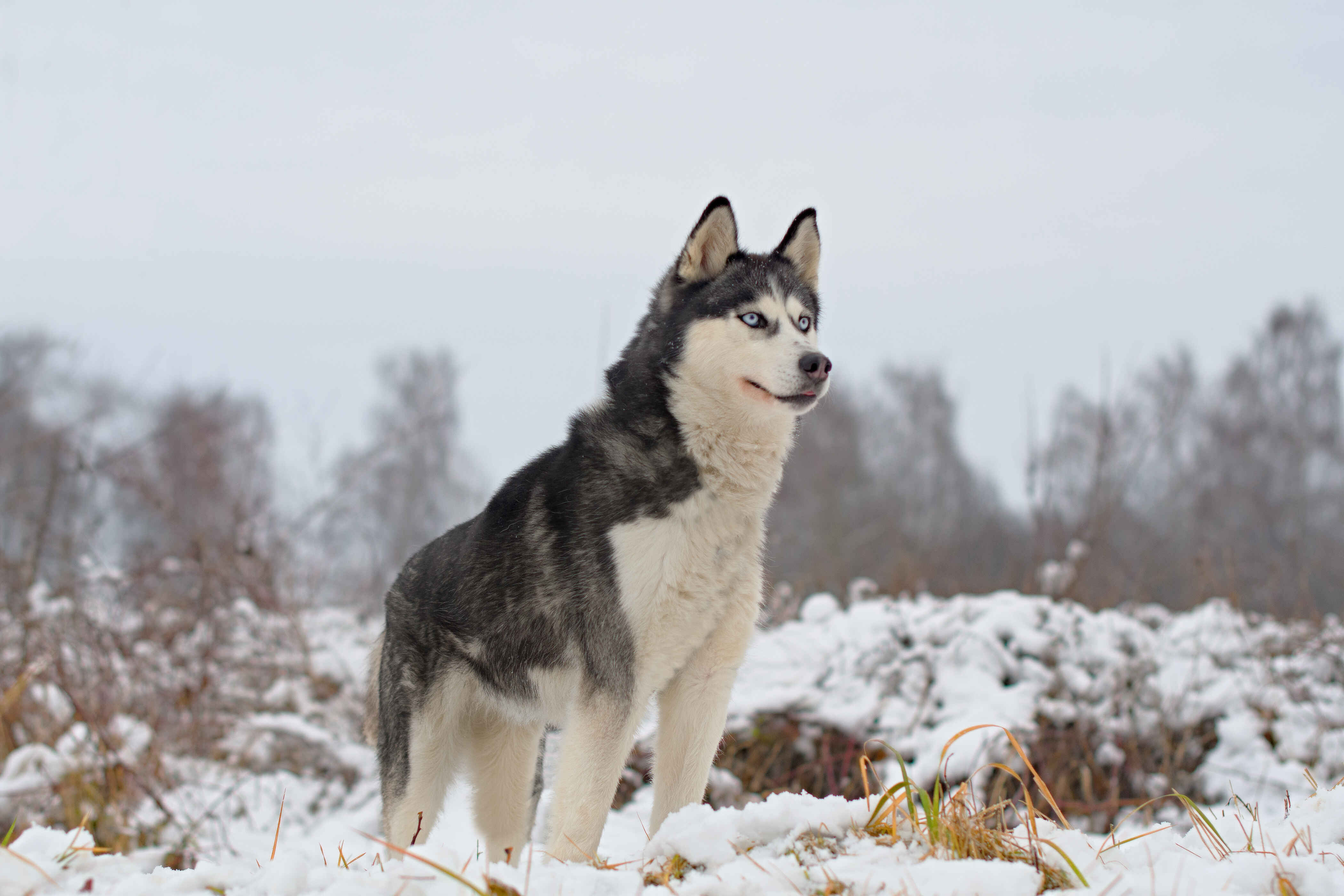
The Siberian Husky is a medium-sized working dog known for its graceful, highly athletic build. Males generally weigh between 45 and 60 pounds, while females are slightly smaller, weighing between 35 and 50 pounds.
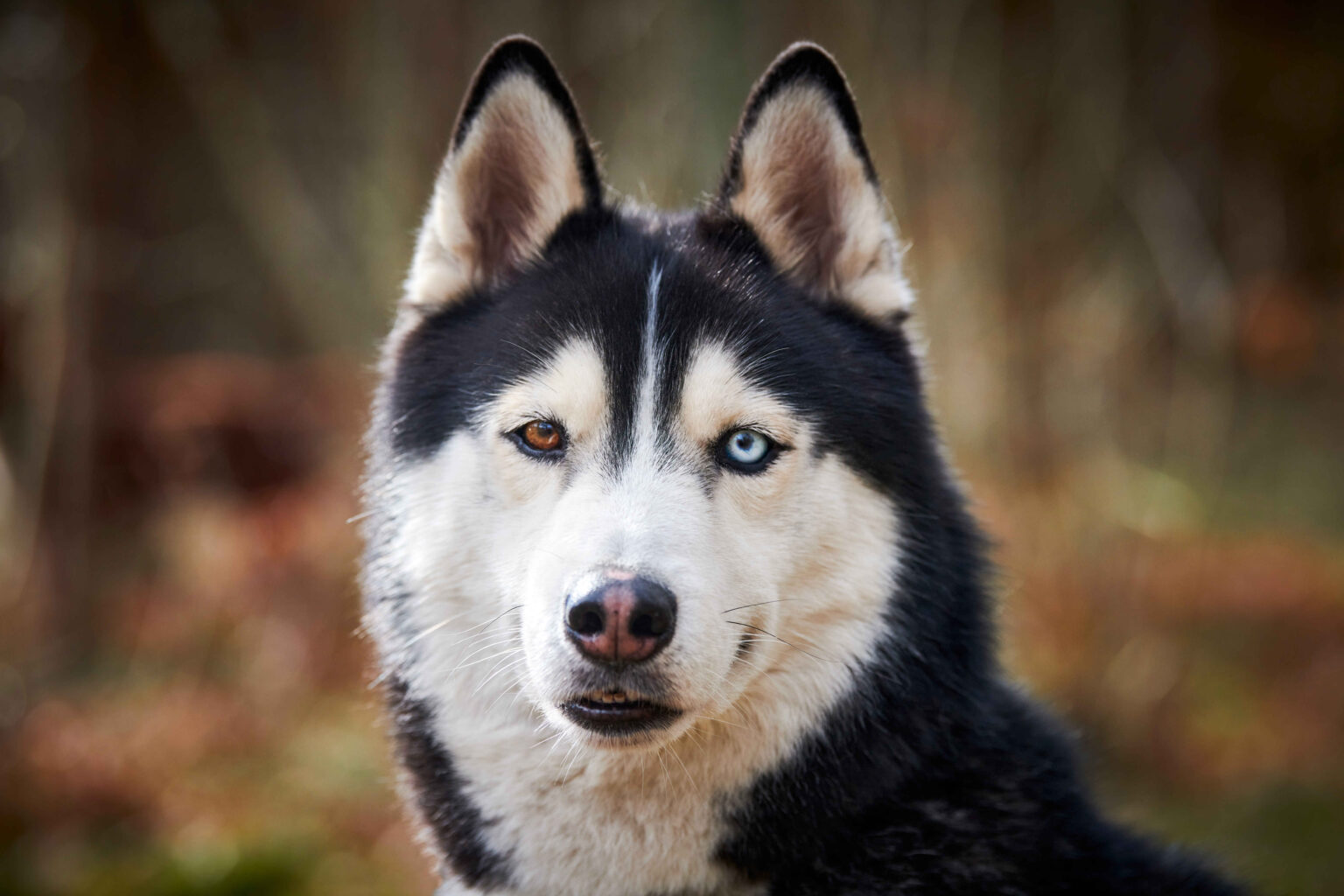
As a classic double-coated dog, they possess a dense, plush undercoat and a longer, water-resistant topcoat. Their coat comes in a massive variety of colors, ranging from pure white to jet black, often featuring striking facial masks and underbelly markings.
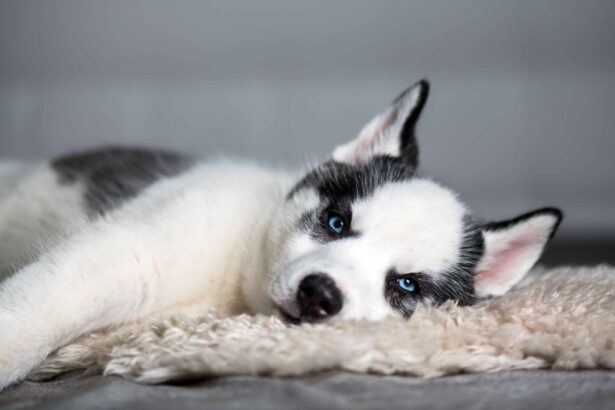
Their eyes are one of their most famous features. While many have piercing, icy blue eyes, deep brown eyes are equally common. A fascinating genetic trait in this breed is heterochromia, where the dog has two entirely different colored eyes. Understanding a Husky puppy’s eye color and how it changes as they grow is a fascinating part of their early development.
Siberian Husky Temperament
The Siberian Husky temperament is a complex mix of intense loyalty, boundless energy, and hilarious stubbornness. They are deeply affectionate dogs that truly thrive on human companionship.
Because of their sled-dog heritage, they possess a very strong pack mentality. They view their human family as their pack and absolutely despise being left alone for long periods. This strong bond means they are famously friendly, often welcoming strangers into the home rather than acting as effective guard dogs.
However, the Siberian Husky personality is also heavily defined by fierce independence. They are incredibly intelligent problem-solvers. If they decide they do not want to follow a command, their legendary stubbornness will take over.
Are Huskies Good Family Dogs?
Many prospective owners ask, are Huskies good family dogs? In the right environment with an active lifestyle, they make spectacular, deeply loving family companions.
Their history with the Chukchi tribe means the Husky temperament with children is typically excellent. They are naturally playful, tolerant, and highly affectionate with kids. They love being included in family hikes, beach trips, and outdoor games.
However, their high energy means they can accidentally knock over small toddlers during boisterous play. Furthermore, proper, early socialization is absolutely mandatory to ensure they interact safely with smaller household pets.
Are Huskies Dangerous?
Due to their striking, wolf-like appearance, a common misconception is that Huskies are inherently aggressive. This is completely false. The official breed standard explicitly states that a Husky should never display aggressive or overly suspicious behavior.
When severe behavior problems do arise, they are almost entirely the result of extreme neglect, profound boredom, or a lack of basic obedience training. An under-exercised Husky will become highly frustrated and destructive, but they are not naturally vicious dogs.
If you are worried about their high prey drive or how they interact with strangers, read our detailed breakdown: Are Huskies Dangerous? The Myth vs Reality.
Do Huskies Play Rough?
Husky behavior traits during playtime can often alarm new owners or strangers at the dog park. They are a highly physical breed that loves to aggressively wrestle, tackle, and chase their friends.
They frequently engage in “mouthiness,” where they gently use their mouths to grab their owners’ hands or their playmates’ necks. While this looks like dangerous biting, it is a completely natural canine play behavior for northern breeds.
Because their play style is so intense and vocal, it is crucial to monitor them closely around unfamiliar dogs. Understanding why Huskies play rough helps you distinguish between healthy fun and genuine aggression.
Why Do Huskies Howl?
If you are wondering, are Huskies vocal? The answer is a resounding yes. Huskies rarely bark; instead, they communicate through an elaborate vocabulary of dramatic howls, yowls, and hilarious grumbles.
Howling is a deeply ingrained biological instinct. In the frozen wilderness, howling allowed sled dogs to communicate their exact location to the rest of the pack over vast distances.
Today, your Husky might howl simply because they hear a siren or because they are experiencing severe boredom. Learning exactly why Huskies howl is essential for managing their daily tantrums and preventing severe Husky separation anxiety.
Exercise Needs of a Siberian Husky
Most adult Huskies need an absolute minimum of 1 to 2 hours of vigorous, heart-pumping exercise daily, plus targeted mental enrichment to stay calm indoors.
You cannot discuss this breed without emphasizing massive Husky exercise requirements. This is not a dog that will be satisfied with a quick 15-minute walk around the suburban block.
They were genetically engineered to run for miles pulling heavy sleds, and they desperately need a safe, constructive outlet for that massive stamina. Without sufficient exercise, a Husky will rapidly become highly destructive.
They will dig massive trenches in your yard, chew your drywall, and aggressively attempt to escape your property. Providing them with a job, like pulling a sled, hiking, or running alongside a bicycle, is the best way to keep them sane and happy.
Training a Siberian Husky
Husky training difficulty is famously high. This is not because they are unintelligent, but rather because they are fiercely independent thinkers. They learn commands incredibly fast, but they will only obey them if they see a tangible reward for doing so.
If you ask, are Huskies stubborn? Any experienced owner will emphatically say yes. Training requires immense patience, highly valuable treats, and unwavering, daily consistency. You must establish yourself as a calm, confident pack leader.
Furthermore, because of their intense instinct to run and explore, a Siberian Husky should never be trusted off-leash in an unenclosed area. Their recall is notoriously unreliable once their high prey drive is triggered by a passing squirrel.
Grooming and Shedding
Understanding Husky grooming needs is critical before bringing one into your spotless home. Because they are a northern double-coated dog, they shed continuously throughout the entire year.
You must brush them at least twice a week to remove loose fur and prevent painful matting. Twice a year, usually in the spring and fall, they go through a massive shedding event known as “blowing their coat.”
During the intense Husky shedding season, your house will be covered in tumbleweeds of white fur. Daily brushing with a specialized undercoat rake is mandatory during this time. Fortunately, Huskies are incredibly clean dogs that naturally lack a strong “doggy odor,” meaning they rarely require full baths.
Common Siberian Husky Health Problems
Overall, the Siberian Husky is a remarkably robust, genetically healthy breed with a long lifespan of 12 to 14 years. However, there are a few specific Husky health concerns that prospective owners must screen for.
Veterinary guidelines emphasize routine preventative screening for the following conditions:
- Hip Dysplasia: A genetic malformation of the hip joint that can cause painful arthritis. Surgery can cost upwards of $3,000 per hip, making preventative weight management and OFA screening vital.
- Ocular Diseases: Huskies are prone to juvenile cataracts and Progressive Retinal Atrophy (PRA), both of which can lead to early blindness. Responsible breeders perform annual CERF eye exams on their dogs.
- Zinc-Responsive Dermatosis: A genetic condition where the dog’s intestines cannot properly absorb zinc, leading to severe crusting, hair loss, and itchy lesions around the face and paws. It requires lifelong zinc supplementation.
Different Types of Husky Breeds
The term “Husky” is often used broadly as a catch-all for various Northern sled dogs. While the Siberian Husky is a specific, recognized purebred, they are part of a much larger family of ancient working dogs.
For example, the Alaskan Malamute is significantly larger and heavier, bred strictly for pulling massive weight rather than speed. The Alaskan Husky is not a purebred at all, but rather a highly athletic mixed-breed specifically engineered for elite sled racing.
There is also the highly controversial Pomsky (a mix between a Pomeranian and a Husky), often marketed heavily as a “Miniature Husky.” Exploring all the different types of Husky breeds can help you decide which Northern dog truly fits your family’s lifestyle.
Frequently Asked Questions (FAQ)
Are Siberian Huskies good for first-time owners?
Siberian Huskies can be incredibly challenging for first-time owners due to their extreme high energy, fierce independence, and complex training needs. Without experienced, confident leadership and massive amounts of daily exercise, they easily develop destructive behavioral problems.
How much exercise does a Husky need daily?
Most healthy adult Huskies need an absolute minimum of 1 to 2 hours of vigorous exercise every single day. A short walk is never enough; they require intense running, hiking, or pulling activities, combined with puzzle toys for deep mental stimulation.
Why do Huskies howl so much?
Huskies howl primarily because of their deeply ingrained pack-animal genetics. They use howling to communicate over long distances, express intense excitement, or loudly register their complaints regarding severe boredom and separation anxiety.
Do Huskies bark a lot?
Interestingly, Huskies are not known to be nuisance barkers. Instead of traditional barking, they are highly vocal in other ways, frequently “talking,” grumbling, yowling, and howling to communicate with their owners.
Do Huskies shed a lot?
Yes, Huskies are notoriously heavy shedders. Because they are a double-coated breed, they shed moderately year-round and completely “blow” their dense undercoat twice a year, requiring aggressive daily brushing to manage the massive fur clumps.
Are Huskies aggressive?
Huskies are not typically aggressive dogs; their breed standard demands a friendly, gentle disposition. However, any dog can develop aggression or reactivity if they are severely under-exercised, unsocialized, or lack proper, consistent obedience training.
Can Huskies live in hot weather?
Yes, Huskies can adapt to warmer climates because their double coat actually acts as insulation against the heat. However, owners must take strict precautions, providing constant air conditioning, endless cool water, and restricting all vigorous exercise to the coolest hours of the morning.