

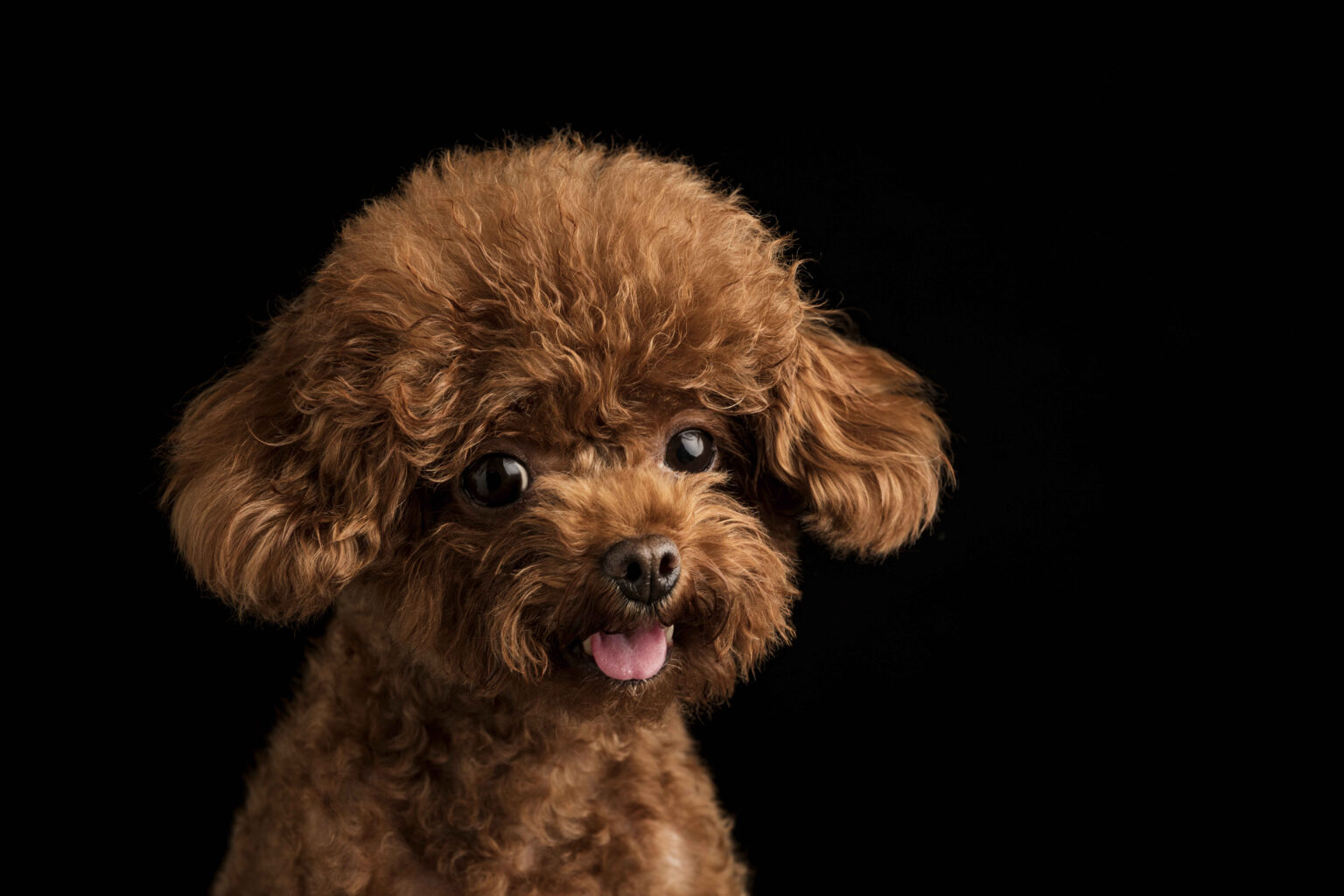
The Toy Poodle is one of the smartest and most versatile small dog breeds in the world—but it’s also one of the most misunderstood. While many see them as delicate lap dogs, they are highly intelligent, energetic companions that demand mental stimulation, grooming, and daily interaction.
- Pros and Cons of Owning a Toy Poodle
- Is a Toy Poodle High Maintenance?
- Toy Poodle vs Miniature Poodle: What’s the Difference?
- Toy Poodle Size: How Big Do They Get?
- Are Toy Poodles Hypoallergenic? (Grooming Needs)
- Temperament and Personality
- Training and Exercise Requirements
- Common Toy Poodle Owner Mistakes
- Common Health Issues in Toy Poodles
- Adopting a Toy Poodle
- History and Origins of the Toy Poodle
- Final Thoughts
- Frequently Asked Questions (FAQ)
- References & Further Reading
Do not let their elegant, sometimes “frou-frou” show-ring appearance fool you. Beneath the extravagant haircuts lies a brilliant, athletic, and hardy little dog. Toy Poodles consistently rank as the second smartest dog breed in the world (right behind the Border Collie). In this complete Toy Poodle breed guide, you’ll learn about their size, temperament, intense grooming needs, common health issues, and whether this highly affectionate breed is the right fit for your home.
The Toy Poodle at a Glance (Quick Guide)
- Height: 10 inches or under at the shoulder
- Weight: 4 to 6 pounds
- Lifespan: 10 to 18 years
- Temperament: Brilliant, alert, active, and deeply affectionate
- Coat: Dense, curly, and low-dander (requires professional grooming)
- Availability: High demand (Breed-specific rescues and adoption networks strongly encouraged)
Pros and Cons of Owning a Toy Poodle
Before bringing a highly intelligent toy breed into your home, it is critical to weigh the everyday benefits against the long-term challenges.
Pros:
- Virtually non-shedding and highly allergy-friendly
- Incredibly smart and easy to train
- Long lifespan (often living 15+ years)
- Perfectly sized for apartment living
Cons:
- Requires expensive, professional grooming every 4-6 weeks
- Prone to severe dental disease and knee issues
- Can develop intense separation anxiety (“velcro dog”)
- Fragile; easily injured by rough handling or larger dogs
Is a Toy Poodle High Maintenance?
If you are wondering about Toy Poodle care difficulty, the honest answer is yes, they are high maintenance.
- Grooming Cost Reality: You cannot skip grooming. A Toy Poodle’s hair grows continuously. You must budget for a professional grooming appointment every 4 to 6 weeks for the next 15 years, which can cost anywhere from $60 to $100+ per visit.
- Time Commitment: In between those professional clips, they require rigorous daily brushing to prevent painful matting down to the skin.
- Mental Needs: They are not passive ornaments. Their brilliant minds require daily engagement, puzzle toys, and active training. A bored Poodle is a destructive Poodle.
Toy Poodle vs Miniature Poodle: What’s the Difference?
Many prospective owners find themselves choosing between the Toy and the Miniature Poodle. It is important to know that the AKC recognizes the Poodle as one breed with three size varieties (Standard, Miniature, and Toy). They share the exact same breed standard, just scaled to different heights.
| Feature | Toy Poodle | Miniature Poodle |
|---|---|---|
| Height | 10 inches and under | 10 to 15 inches |
| Weight | 4 to 6 pounds | 10 to 15 pounds |
| Durability | Fragile; better for adults or older children | Sturdier; excellent for families with younger kids |
| Energy Level | High, but tired out easily indoors | Very high; excellent hiking companions |
Toy Poodle Size: How Big Do They Get?
The Toy Poodle size is defined strictly by its height. According to the breed standard, a Toy Poodle must stand 10 inches or under at the highest point of the shoulders. They typically weigh between 4 and 6 pounds.
If a Poodle stands 10.1 inches tall, they are technically classified as a Miniature Poodle for show purposes. Be extremely wary of breeders advertising “Teacup Poodles.” Teacup is a marketing gimmick, not a recognized size, and these micro-sized dogs often suffer from devastating genetic defects, hypoglycemia, and drastically shortened lifespans.
Are Toy Poodles Hypoallergenic? (Grooming Needs)
One of the massive appeals of the Toy Poodle is their coat. While Toy Poodles are often described as hypoallergenic, no dog is truly 100% allergy-free. They simply produce significantly less dander than most breeds and have hair that continuously grows rather than sheds.
However, “non-shedding” does not mean “low maintenance.” Toy Poodles are one of the most high-maintenance breeds in the world to groom. Keeping up with a strict dog grooming schedule is mandatory.
- Daily Brushing: You must brush them down to the skin every single day using a slicker brush and a metal greyhound comb. If their curly hair mats near the skin, it causes severe pain and hot spots, requiring the dog to be shaved entirely bald.
- Professional Grooming: They must visit a professional groomer every 4 to 6 weeks for a bath, blowout, and haircut.
- Ear Care: Poodles grow hair inside their ear canals. This hair must be regularly plucked or trimmed, and the ears cleaned weekly to prevent chronic ear infections.
Temperament and Personality
The Toy Poodle temperament is characterized by extreme loyalty, alertness, and a sense of humor. They are often described as “velcro dogs” because they bond intensely with their primary caregiver and will follow them from room to room.
Without proper stimulation, a Toy Poodle may develop behaviors such as excessive barking, clinginess, or even anxiety-driven pacing. Due to their intelligence, Toy Poodles can quickly outsmart inconsistent owners, which is why structured training and clear boundaries are essential from an early age.
Training and Exercise Requirements
Do not underestimate the athletic ability of a Toy Poodle. While their short legs mean they don’t need a five-mile run, they still require structured daily exercise.
- Physical Exercise: Two 20-minute walks a day, plus some indoor playtime, is usually sufficient to keep them physically fit.
- Mental Stimulation: This is non-negotiable. Teaching them puzzle games, scent work, or agility tricks will exhaust a Toy Poodle faster than a walk.
- Socialization: Because they are so small, the world can be an intimidating place. Extensive puppy socialization is required to prevent them from developing “small dog syndrome,” where they act aggressively out of fear.
Common Toy Poodle Owner Mistakes
Because they are so cute and tiny, many novice owners fall into traps that lead to behavioral and health problems. Avoid these common pitfalls to ensure your dog thrives:
- Treating them as “just a lap dog”: Assuming they don’t need walks or rules because they are small leads to highly reactive, fearful dogs.
- Lack of mental stimulation: Failing to engage their active brains is one of the biggest puppy training mistakes, leading to destructive chewing and separation anxiety.
- Skipping grooming: Letting their coat mat because you “prefer the fluffy look” is neglectful and causes severe skin infections.
- Overfeeding: Toy breeds have tiny caloric needs. A few extra table scraps can quickly lead to severe obesity, putting devastating strain on their fragile joints.
Common Health Issues in Toy Poodles
While Toy Poodles enjoy a very long lifespan, their miniature genetics predispose them to several specific small dog health issues. Reputable breeders use genetic testing via organizations like the Orthopedic Foundation for Animals (OFA) to clear their lines.
- Luxating Patella: A very common toy breed issue where the kneecap slips out of its groove, causing the dog to hop or skip on one leg. Severe cases require surgery.
- Dental Disease: Because they have standard-sized teeth crammed into a tiny jaw, overcrowding leads to rapid tartar buildup, periodontal disease, and early tooth loss. A strict dental care routine is mandatory.
- Progressive Retinal Atrophy (PRA): A genetic eye disorder that eventually leads to blindness.
- Hypoglycemia: Toy Poodle puppies are susceptible to dangerous drops in blood sugar if they skip a meal or play too hard.
Adopting a Toy Poodle
If you have decided that a Toy Poodle is the perfect fit for your lifestyle, we strongly encourage you to look into adoption and rescue organizations before seeking out a breeder. Because they are such a popular breed, many Toy Poodles end up in rescues due to their owners underestimating their grooming needs or experiencing unexpected life changes.
Adopting an adult Toy Poodle is a fantastic way to bypass the exhausting puppy phase while giving a loving home to a dog in need. Breed-specific rescues, such as those affiliated with the Poodle Club of America, are excellent places to start your search. Adoption fees typically range from $200 to $600, which usually covers their spay/neuter, microchip, and up-to-date vaccinations.
Buyer Warning: If you do decide to shop instead of adopt, never purchase a Toy Poodle from a pet store or an online broker. These are almost always fronts for puppy mills where dogs are kept in horrific conditions and suffer from severe genetic health issues.
History and Origins of the Toy Poodle
The Poodle breed is widely believed to have originated in Germany, where it was bred as a rugged water retriever. The word “Poodle” comes from the German word pudeln, which means “to splash in water.” Their iconic “poodle cut” was actually highly functional; hunters shaved the dog’s hindquarters to make them lighter in the water, but left puffs of hair around the chest and joints to protect vital organs from freezing.
The breed gained immense popularity in France (eventually becoming the national dog of France), where nobles desired the intelligence of the Standard Poodle in a lap-sized package. By selectively breeding the smallest Miniature Poodles together (and possibly mixing in Maltese lines), the Toy Poodle was born. They quickly became the favored companions of European royalty and later gained worldwide popularity in the show ring.
Final Thoughts
Toy Poodles are brilliant, charming, and highly athletic dogs that make spectacular companions for the right owners. Their low-dander coats make them ideal for allergy sufferers, and their sharp minds make them a joy to train.
However, they are not low-maintenance pets. They require significant investments in grooming, dental care, and daily mental stimulation. If you are prepared to brush them daily, keep them engaged, and treat them as an active, integrated member of your family, an adopted Toy Poodle will reward you with over a decade of fierce loyalty and entertainment.
Frequently Asked Questions (FAQ)
Are Toy Poodles good apartment dogs?
Yes, they are excellent apartment dogs! Due to their tiny size, they do not need a large backyard to burn off energy. As long as they receive two daily walks and plenty of indoor mental stimulation, they thrive in smaller living spaces.
Do Toy Poodles bark a lot?
They can be quite vocal. Toy Poodles are highly alert watchdogs and will bark to notify you of anyone approaching the home or hearing unfamiliar noises. If they are bored or under-exercised, this can escalate into nuisance barking. Early training to a “quiet” command is essential.
How long do Toy Poodles live?
They are one of the longest-living dog breeds. With proper veterinary care, dental hygiene, and a high-quality diet, a healthy Toy Poodle routinely lives between 14 and 18 years.
Are Toy Poodles good with cats?
Yes! Because of their small size and generally friendly nature, Toy Poodles usually get along wonderfully with cats, especially if they are introduced and socialized properly from puppyhood.
What is the best food for a Toy Poodle?
Because their mouths are so small, they require a premium, toy-breed specific kibble. High-quality small breed dog food features a smaller kibble size that is easier for them to chew and is calorically dense to support their fast metabolisms.
References & Further Reading
- American Kennel Club (AKC): Poodle (Toy) Breed Standard – akc.org
- The Poodle Club of America (PCA): Breed Health and Information – poodleclubofamerica.org
- Orthopedic Foundation for Animals (OFA): Canine Health Information Center – ofa.org
- VCA Animal Hospitals: Luxating Patella in Dogs – vcahospitals.com
- American Veterinary Medical Association (AVMA): Pet Dental Care – avma.org