
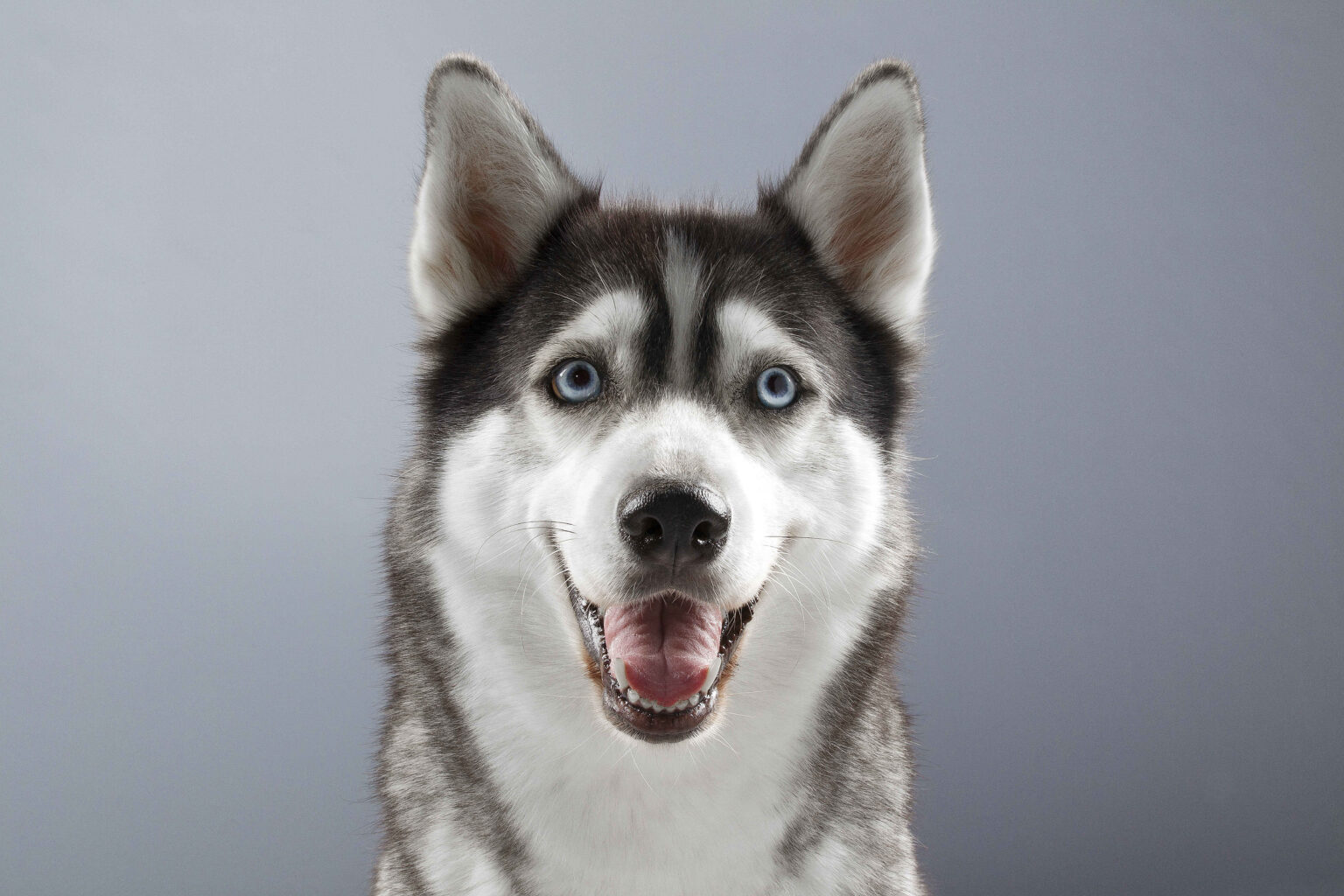
The moment you hear the word “Husky,” you likely picture a striking, wolf-like canine with piercing blue eyes bounding through the snow. But exactly how many husky breeds are there?
- Quick Comparison: Top Husky Breeds
- Part 1: True Purebred Husky Breeds & Arctic Sled Dogs
- 1. The Siberian Husky
- 2. The Alaskan Malamute
- 3. The Samoyed
- 4. The Sakhalin Husky (Karafuto Ken)
- 5. The Labrador Husky
- 6. The Chinook Dog
- 7. The Canadian Eskimo Dog (Qimmiq)
- 8. The MacKenzie River Husky
- Part 2: Husky Mixes, Color Variations & Spitz Cousins
- 9. The Agouti Husky (Color Variation)
- 10. The White Husky (Color Variation)
- 11. The American Eskimo Dog (Spitz Cousin)
- 12. The Alaskan Klee Kai (Spitz Cross)
- 13. The Alaskan Husky (Performance Mix)
- 14. The Utonagan (Designer Mix)
- 15. The Pomsky (Designer Mix)
- 16. The Hug Dog (Husky x Pug)
- Which of the Different Husky Breeds is Right for You?
- Frequently Asked Questions (FAQ)
- Final Thoughts
- Watch: Types of Husky Breeds Explained
What most people don’t realize is that there isn’t just one Husky, there are dozens of distinct types, each with completely different personalities, sizes, and care needs. Despite their shared name, many “Husky” types differ so dramatically that choosing the wrong one for your lifestyle is one of the most common mistakes new dog owners make.
In this comprehensive list of husky dogs, we break down 16 specific types. To give you the most accurate information, we have separated the true, purebred Arctic sled dogs from the popular mixes, color variations, and Spitz cousins so you know exactly what you are getting.
Quick Comparison: Top Husky Breeds
| Breed | Size | Weight | Temperament | Best For |
|---|---|---|---|---|
| Siberian Husky | Medium | 35–60 lbs (16–27 kg) | Friendly, Stubborn | Active runners & hikers |
| Alaskan Malamute | Large | 75–85+ lbs (34–39+ kg) | Dignified, Powerful | Families with large yards |
| Samoyed | Medium | 35–65 lbs (16–29 kg) | Gentle, Vocal | Active families with kids |
| Pomsky (Mix) | Small | 15–30 lbs (7–14 kg) | Playful, Alert | Apartment dwellers |
| Alaskan Husky (Mix) | Medium | 35–50 lbs (16–23 kg) | Intense, Driven | Working mushers |
Part 1: True Purebred Husky Breeds & Arctic Sled Dogs
These eight breeds represent the true purebreds of the northern dog world, ranging from AKC-recognized stars to ancient, isolated landraces.
1. The Siberian Husky
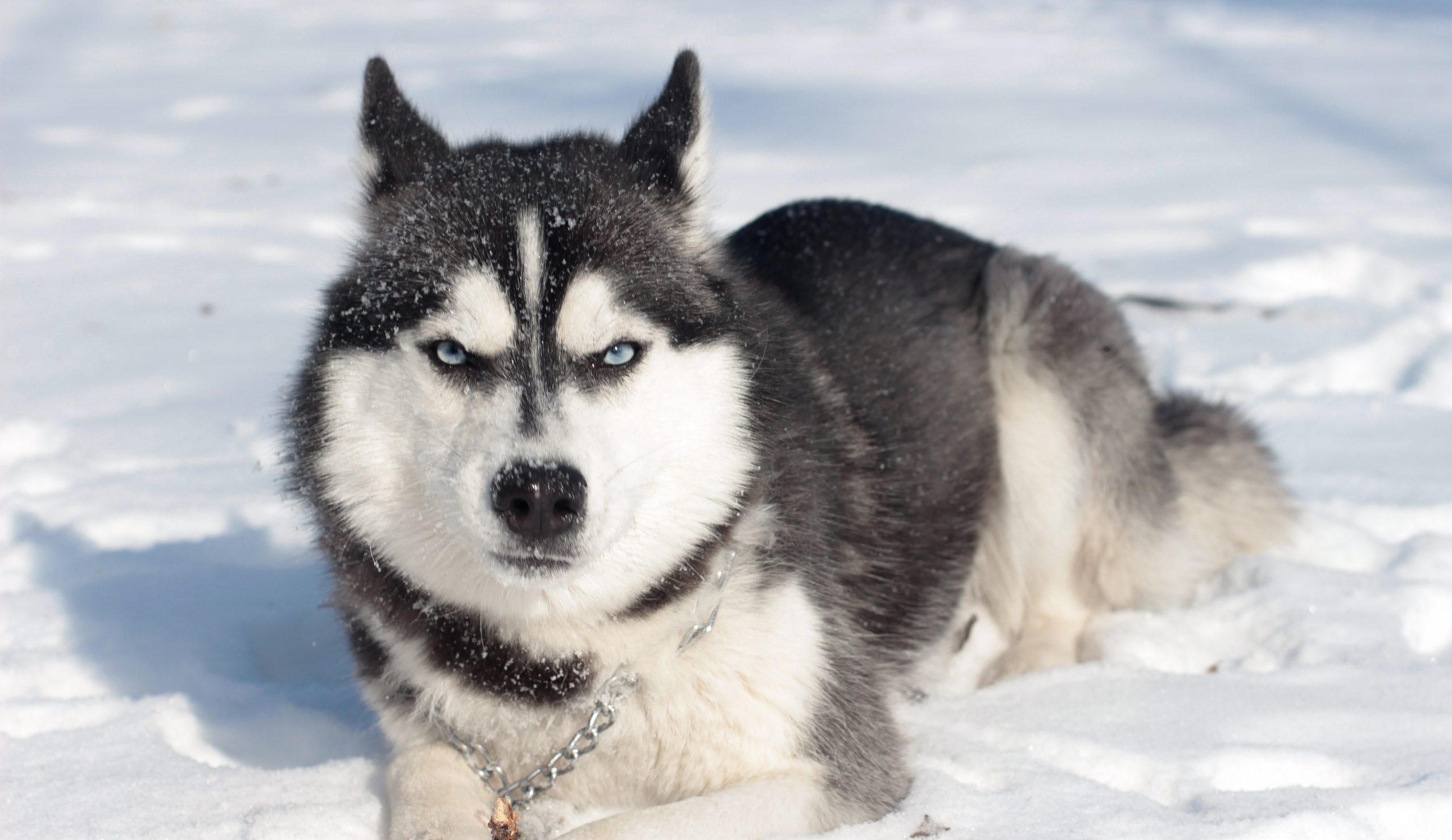
Bred by the Chukchi people of Northeastern Asia, the Siberian Husky is the fastest, most recognized sled dog on the planet. Built to travel vast distances with light loads, their fame skyrocketed after the heroic 1925 Serum Run to Nome.
Siberians are incredibly intelligent yet famously stubborn. They are highly sociable pack animals, making them terrible watchdogs but excellent family companions. However, they are notorious escape artists with an intense urge to run.
- Height: 20–23.5 inches
- Weight: 35–60 lbs
- Temperament: Friendly, mischievous, highly vocal.
Pros
- Exceptionally friendly and non-aggressive.
- Incredibly clean; they lack typical “doggy odor.”
Cons
- Extreme shedding twice a year.
- High prey drive; cannot safely be trusted off-leash.
2. The Alaskan Malamute
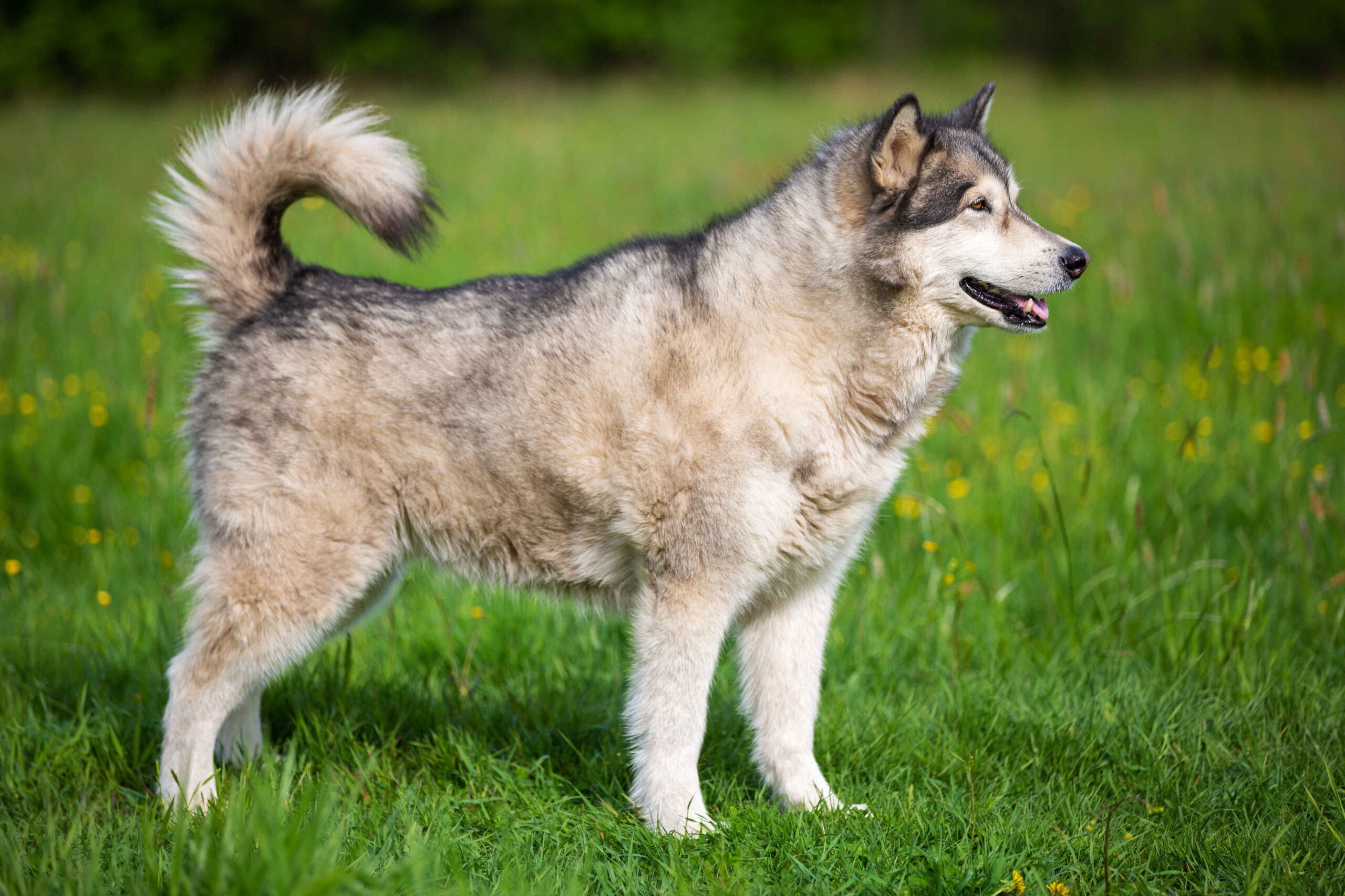
If the Siberian is a sports car, the Alaskan Malamute is a heavy-duty freight truck. Developed by the Mahlemiut Inuit people, they were bred to haul massive loads—not for speed, but for relentless endurance.
Malamutes are immensely powerful and deeply dignified. While a Siberian might greet every dog like a friend, Malamutes possess a strong pack hierarchy and can be bossy. In terms of sheer physical strength, they rival breeds like the American Bulldog, requiring a confident owner.
- Height: 23–25 inches
- Weight: 75–85+ lbs
- Temperament: Loyal, dignified, powerful.
Pros
- Deeply devoted to their family pack.
- Quieter than Siberians; they rarely bark.
Cons
- Can be dominant or aggressive with same-sex dogs.
- Immense pulling power makes leash training difficult.
3. The Samoyed
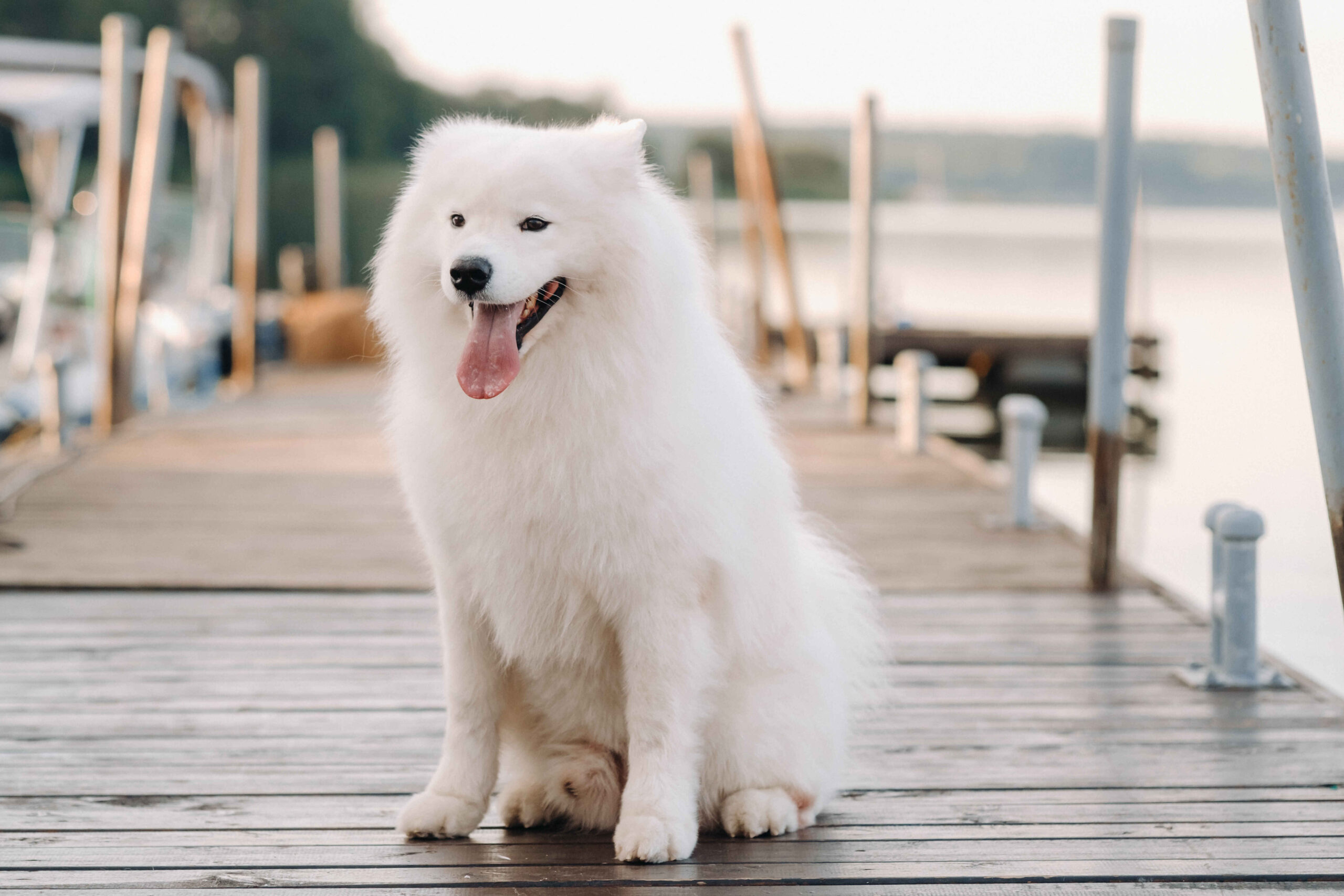
Originating from the freezing Oymyakon region of Siberia, the Samoyed was bred to herd reindeer, pull light sledges, and sleep inside family tents to keep children warm. Their signature feature is the “Sammy Smile”, an evolutionary trait preventing drool from freezing on their lips.
They are incredibly gentle and affectionate, but their working heritage means they need a job to do. If left alone in a backyard, a bored Samoyed will dig massive holes and bark continuously.
- Height: 19–23.5 inches
- Weight: 35–65 lbs
- Temperament: Gentle, highly social, very vocal.
Pros
- Excellent with children and highly adaptable.
- Stunning, show-stopping appearance.
Cons
- Requires monumental amounts of grooming.
- Prone to separation anxiety and high-pitched barking.
4. The Sakhalin Husky (Karafuto Ken)
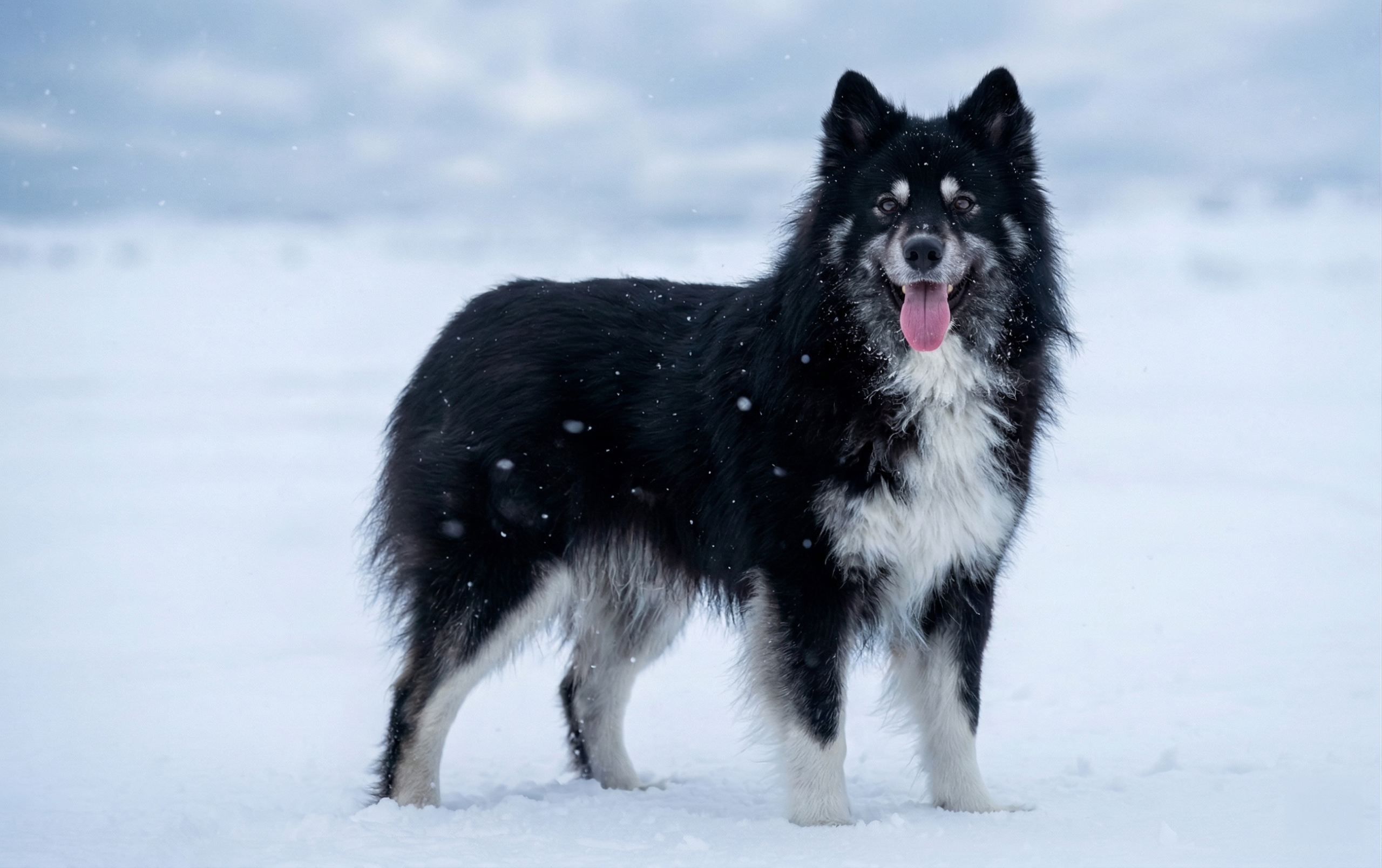
The Sakhalin Husky is a critically endangered Japanese/Russian sled dog. Famous for surviving the 1958 Antarctic expedition (which inspired the movie Eight Below), they are rugged, heavily boned dogs utilized for hunting bears and pulling sleds.
Despite their fame, the breed’s numbers plummeted throughout the 20th century. Today, efforts to revive the breed are ongoing, but it is considered functionally extinct.
- Height: 22–26 inches
- Weight: 60–77+ lbs
- Status: Functionally Extinct
Pros
- Exceptionally fearless and loyal to their master.
- Incredible cold-weather survival instincts.
Cons
- Nearly impossible to find or adopt.
- Requires an expert handler due to high prey drive.
5. The Labrador Husky
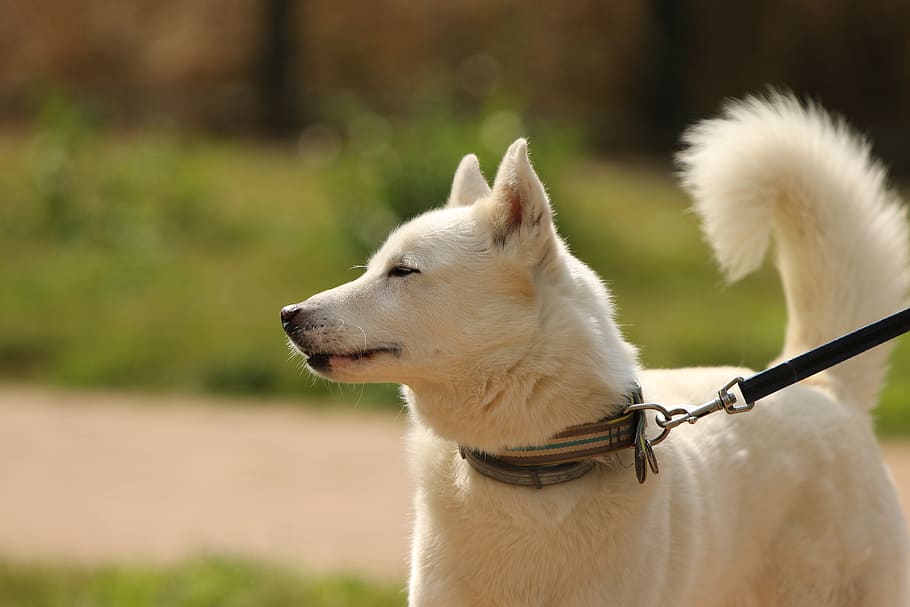
Despite its name, this is not a Labrador Retriever mix. The Labrador Husky is an ancient, distinct, purebred Spitz dog from Northern Canada. Bred by the Thule Inuit, they were versatile workers used to pull sleds and defend camps from polar bears.
Because they developed in isolation, they retain primitive instincts. They are highly protective, making them much better watchdogs than standard Siberians, but they require extensive socialization.
- Height: 20–28 inches
- Weight: 60–100 lbs
- Temperament: Protective, wild, deeply loyal.
Pros
- Excellent, fearless watchdogs.
- Larger and stronger than the Siberian Husky.
Cons
- Can be wary or aggressive toward strangers if under-socialized.
- Not safe around small animals.
6. The Chinook Dog
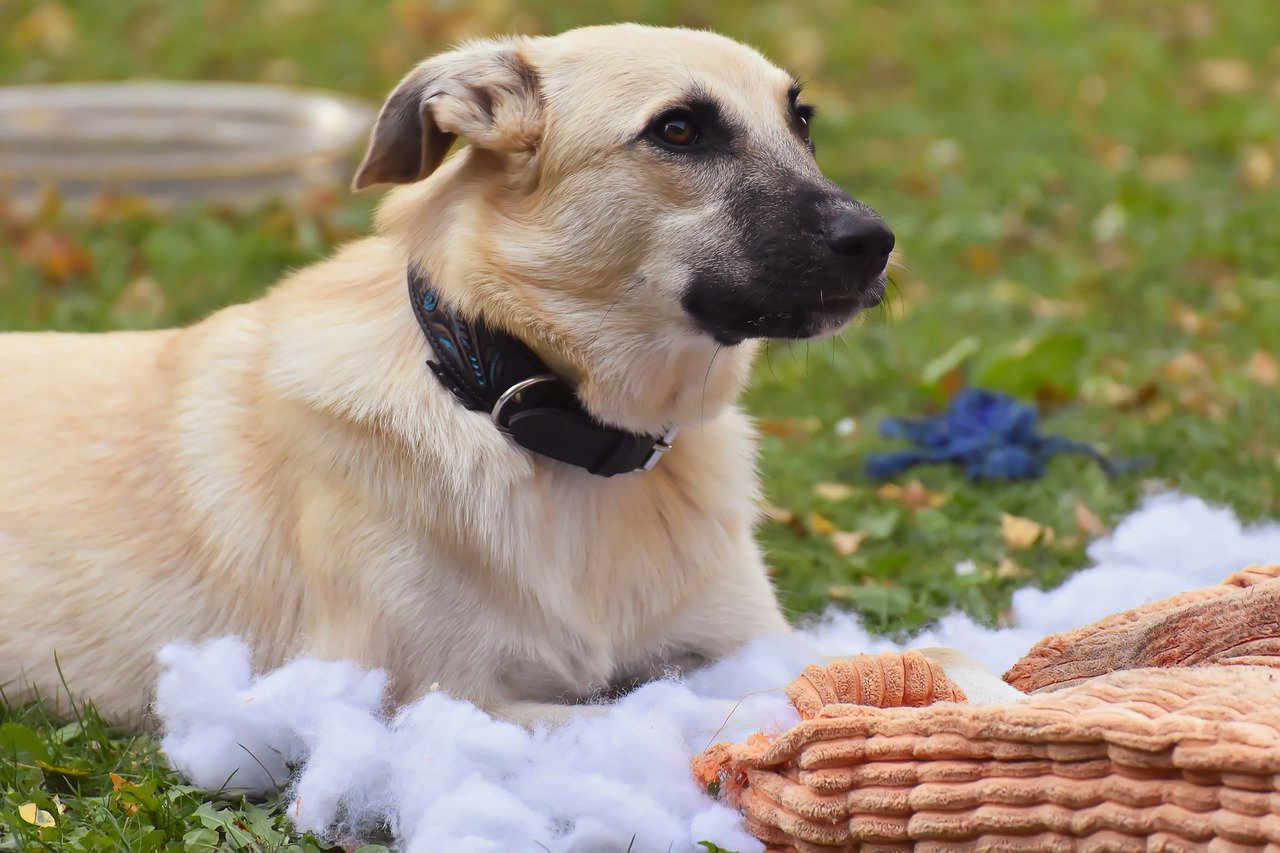
The Chinook is a rare, American-made sled dog developed in New Hampshire. Bred to combine the freighting power of a Malamute with a friendly farm dog temperament, they are remarkably calm and eager to please.
Unlike the hyperactive Siberian, the Chinook is not an excessive barker or howler. They are deeply affectionate and make fantastic family pets who excel at pulling carts or going for a quiet family hike.
- Height: 22–26 inches
- Weight: 50–90 lbs
- Temperament: Calm, eager to please, gentle.
Pros
- Phenomenal with children; great family temperament.
- Much easier to train than other sled dogs.
Cons
- Very rare and difficult to find breeders.
- Can suffer from separation anxiety.
7. The Canadian Eskimo Dog (Qimmiq)
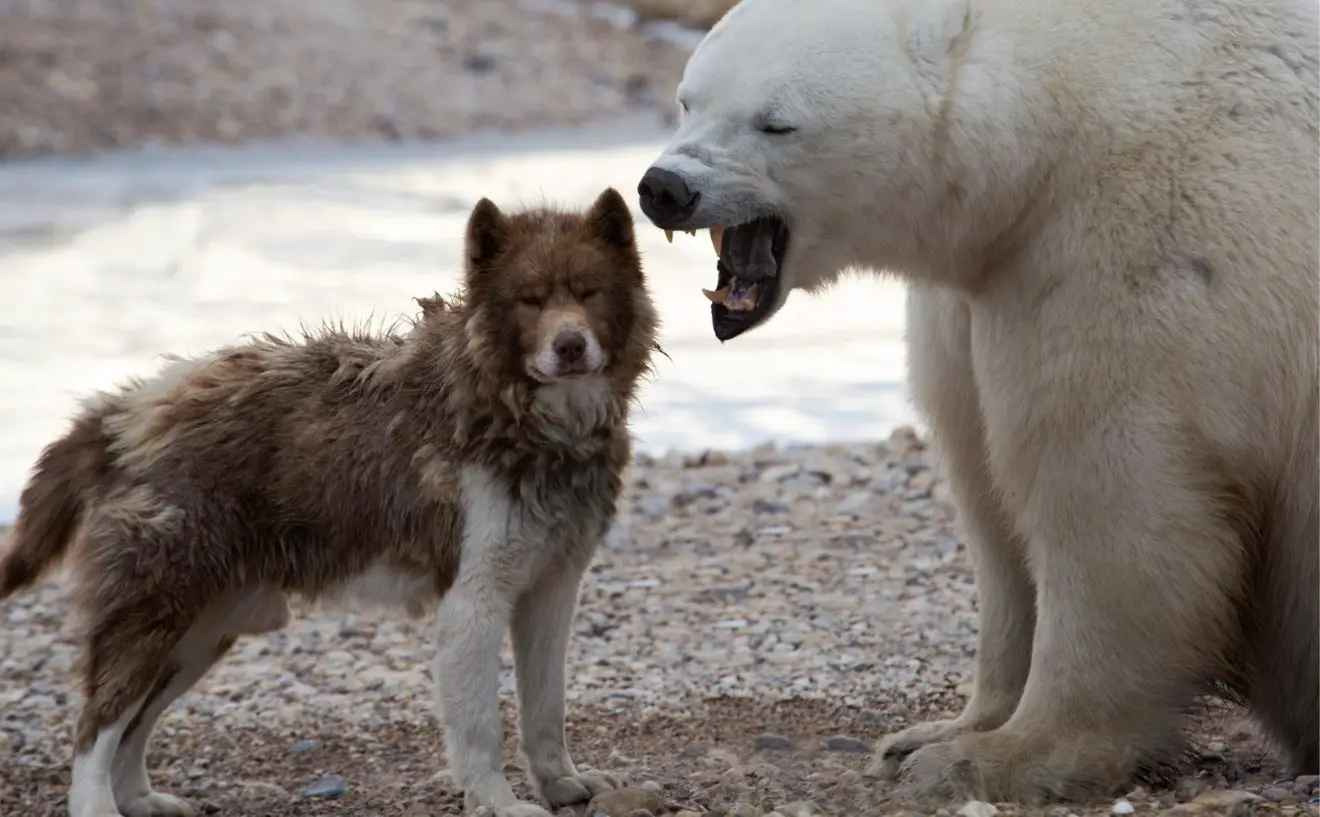
One of North America’s oldest and rarest indigenous canines, the Qimmiq is a fierce, primitive working dog. Historically used to track polar bears and pull heavy ice sleds, they have survived in the Arctic for over 4,000 years.
These are not traditional house pets. They are dominant, fiercely independent, and require intense physical exertion. They thrive on primitive diets and are not recommended for urban environments.
- Height: 20–28 inches
- Weight: 40–88 lbs
- Temperament: Primitive, independent, hard-working.
Pros
- Incredible stamina and survival skills.
- Deeply loyal to a strong, experienced owner.
Cons
- Not suited for novice owners or apartment living.
- Highly reactive prey drive.
8. The MacKenzie River Husky
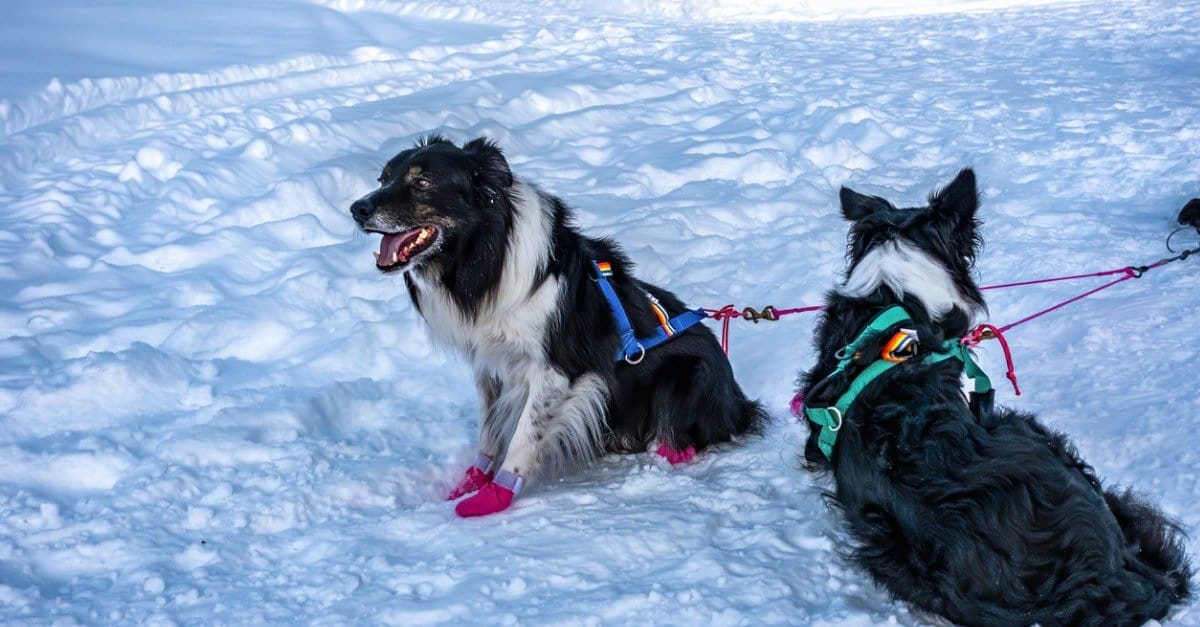
Developed during the Klondike Gold Rush, these towering, deep-chested sled dogs were bred specifically to break trails through chest-high snow. To achieve this, Arctic Spitz dogs were crossed with large European breeds like Mastiffs and St. Bernards.
Today, true MacKenzie River Huskies are rare, kept alive strictly by dedicated long-distance mushers in the Yukon. They are hardy, loyal, and possess an immense work ethic.
- Height: Up to 30 inches
- Weight: 70–120 lbs
- Temperament: Hardy, loyal, stubborn.
Pros
- Unmatched strength for heavy freighting in deep snow.
- Forms strong, protective bonds with their owners.
Cons
- Requires an incredible amount of space and exercise.
- Not recognized by kennel clubs; hard to find.
Part 2: Husky Mixes, Color Variations & Spitz Cousins
Search intent is crucial here. Many dogs frequently called “Huskies” are actually specific coat color genetics, distinct Spitz cousins, or modern designer crosses. If you are researching different husky breeds, you must know the difference.
9. The Agouti Husky (Color Variation)
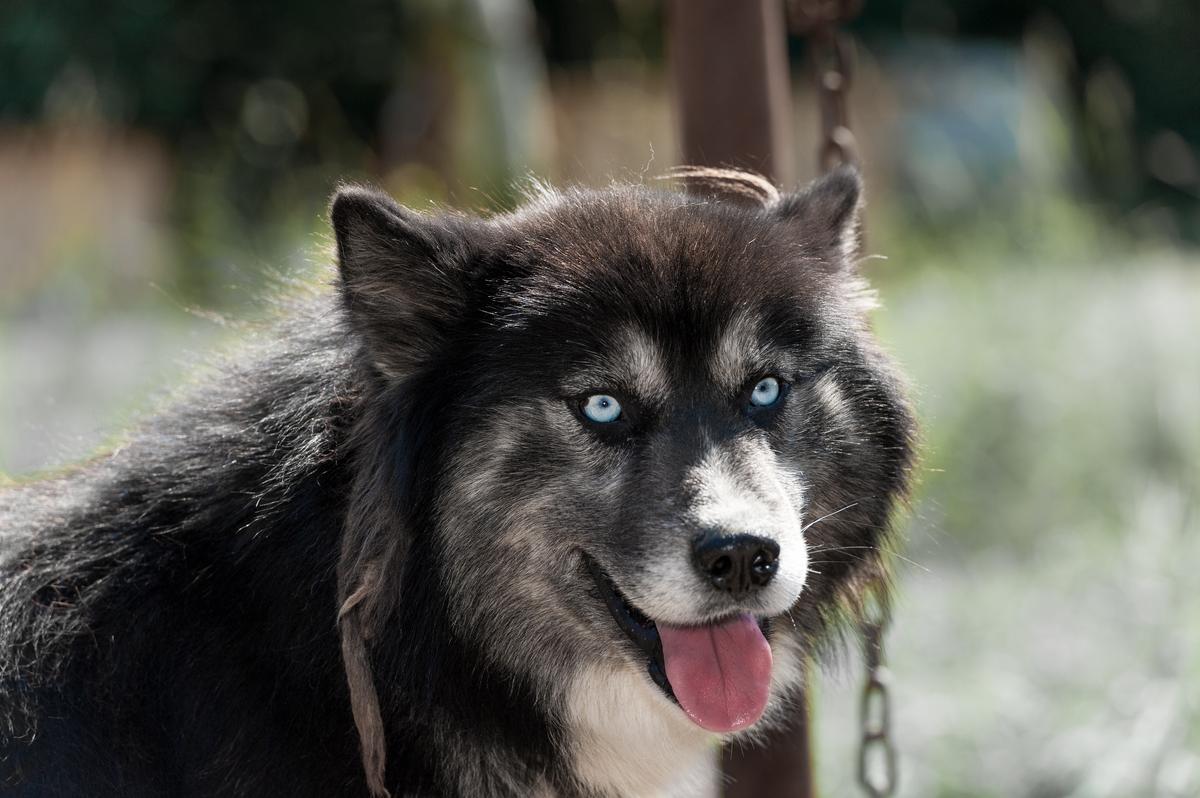
The Agouti Husky is not a separate breed; it is a “wild” or wolf-like coat color variation of the Siberian Husky. The term “Agouti” refers to the banding of pigment on each individual hair shaft.
Because this color is favored by competitive mushers, Agouti Huskies usually come from intense, high-energy working lines rather than show lines. They require an incredibly active owner.
- Height: 20–23.5 inches
- Weight: 35–60 lbs
- Temperament: Intense, athletic, driven.
Pros
- Striking, wild wolf-like appearance.
- Elite athletic performance for hiking or running.
Cons
- Too high-energy for the average family.
- Requires extensive mental and physical stimulation.
10. The White Husky (Color Variation)
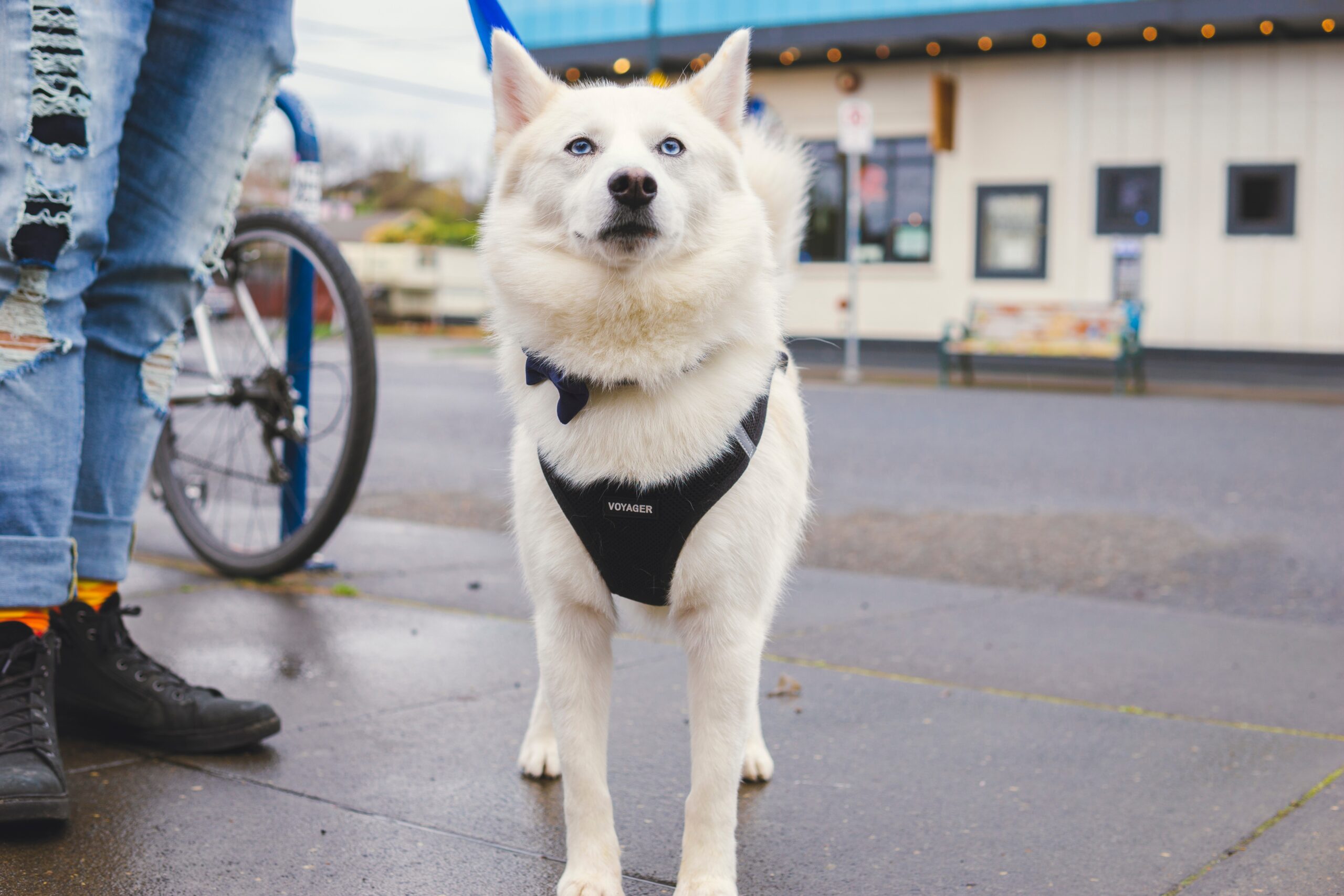
Similarly, a White Husky is a Siberian Husky with a recessive gene masking its true color. These dogs are not albino; they retain dark pigment on their nose and the rims of their eyes.
They act exactly like standard Siberians, though owners must apply dog-safe sunscreen to their lighter-pigmented noses during the summer to prevent sunburn.
- Height: 20–23.5 inches
- Weight: 35–60 lbs
- Temperament: Social, vocal, energetic.
Pros
- Beautiful, unique snow-white coat.
- Retains the friendly Siberian personality.
Cons
- Shows dirt and mud instantly.
- Prone to sunburn in hot climates.
11. The American Eskimo Dog (Spitz Cousin)
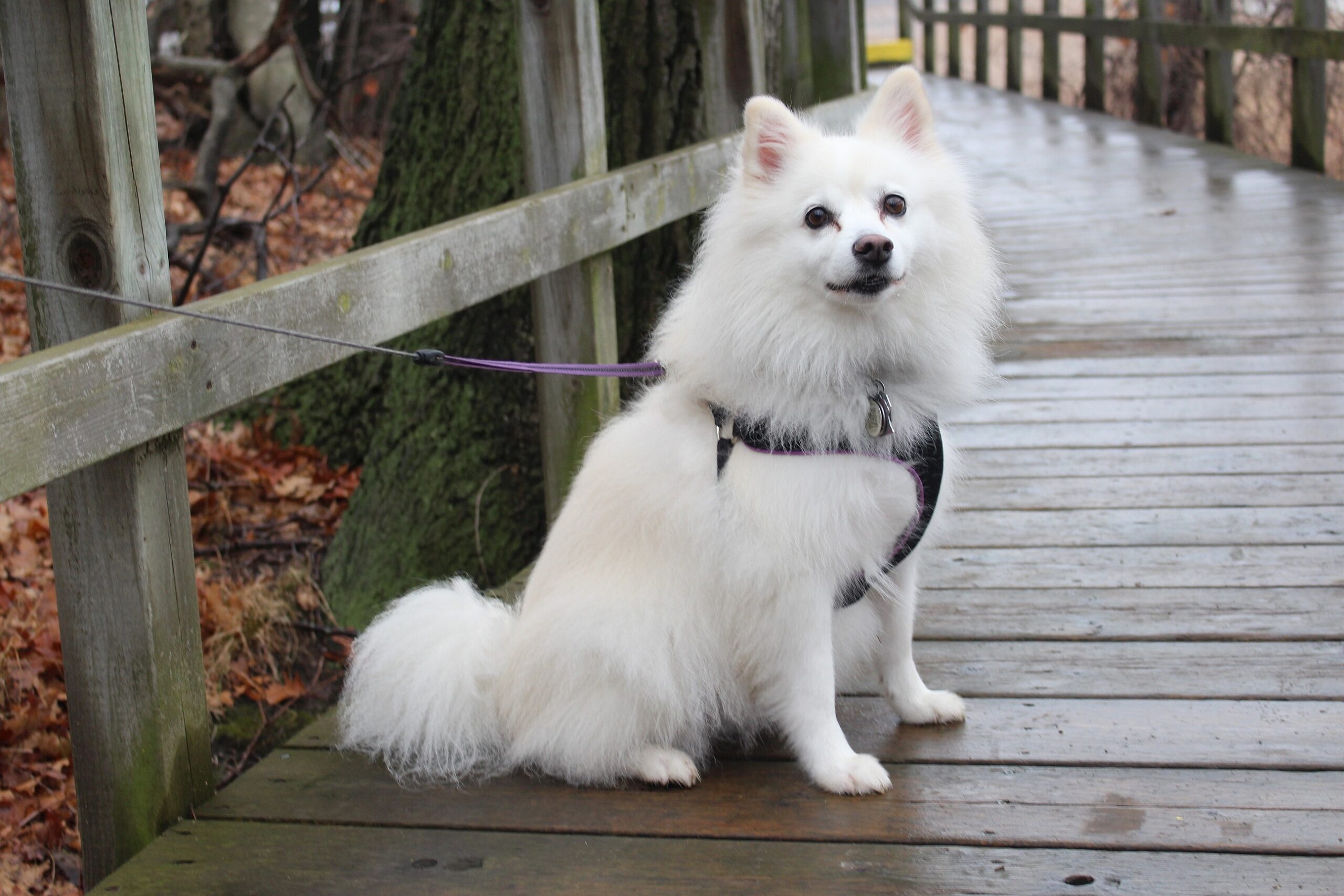
The American Eskimo Dog has no connection to Eskimo culture. It is actually a German Spitz brought to America in the 1800s. They come in Toy, Miniature, and Standard sizes.
Highly intelligent and famously used as circus dogs in the 1900s, they make excellent, highly trainable watchdogs who will loudly announce any stranger approaching the house.
- Height: 9–19 inches (Depending on size class)
- Weight: 6–35 lbs
- Temperament: Alert, intelligent, trainable.
Pros
- One of the most trainable Spitz breeds.
- Excellent, alert watchdogs.
Cons
- Can become excessive barkers if not trained.
- Requires frequent grooming to maintain the white coat.
12. The Alaskan Klee Kai (Spitz Cross)
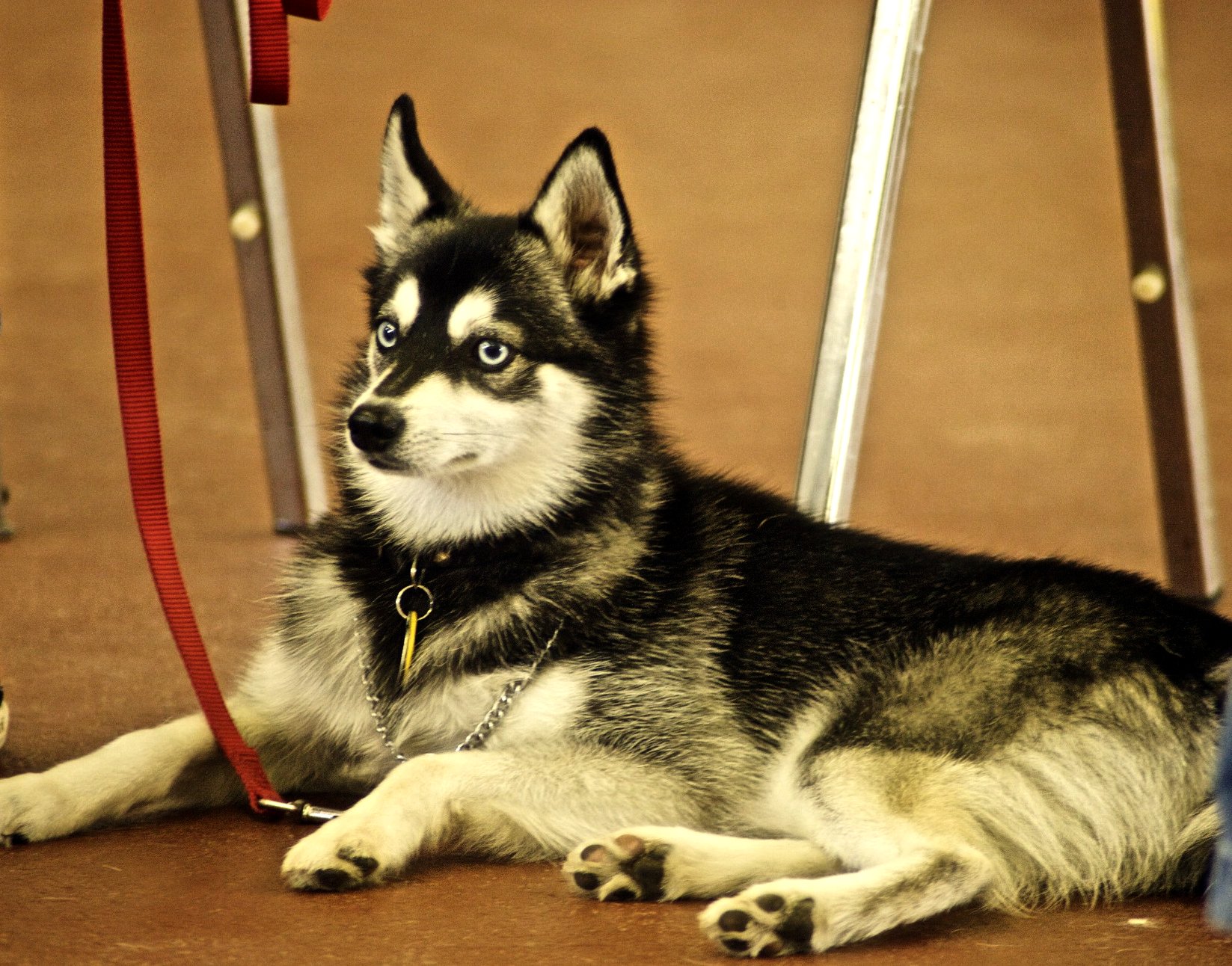
Developed in the 1970s, the Klee Kai is a miniature Husky maxing out around 20 pounds, created by crossing Siberians with smaller Spitz dogs like the Schipperke.
Unlike friendly Siberians, they are highly reserved, cautious, and form an intense, velcro-like bond with a single owner. They are highly agile and vocal, “talking back” to owners when frustrated.
- Height: 13–17 inches
- Weight: 10–20 lbs
- Temperament: Aloof, intelligent, vocal.
Pros
- Perfect size for apartment living.
- Highly devoted to their primary owner.
Cons
- Prone to shyness or fearfulness around strangers.
- Can be very chatty/noisy in small apartments.
13. The Alaskan Husky (Performance Mix)
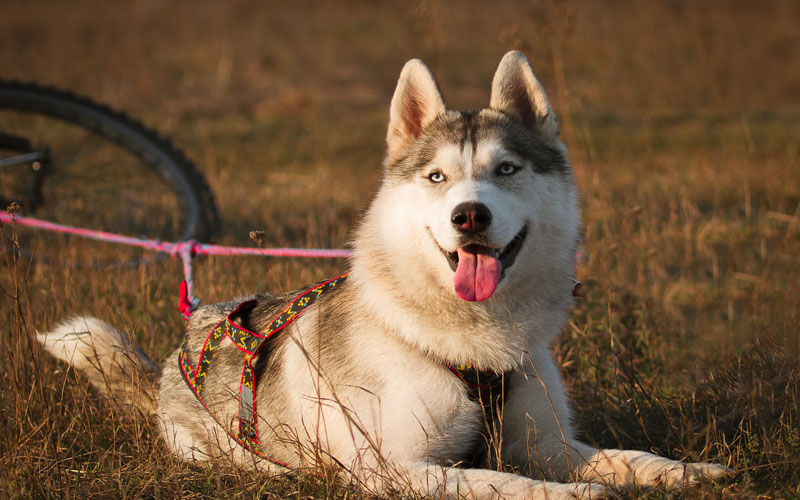
The Alaskan Husky is not a recognized breed; it is the ultimate high-performance racing mutt. A mix of Siberian Husky, Greyhound, and Pointer, they are bred strictly for speed and endurance.
They dominate modern sled dog races like the Iditarod. Highly affectionate, extremely social, and practically vibrate with excess energy. They are born to run, not sit on a couch.
- Height: Varies greatly
- Weight: 35–50 lbs
- Temperament: Energetic, driven, friendly.
Pros
- Unrivaled cardiovascular endurance.
- Highly social and excellent with other dogs.
Cons
- Too energetic for traditional pet homes.
- Inconsistent physical appearance due to mixed genetics.
14. The Utonagan (Designer Mix)
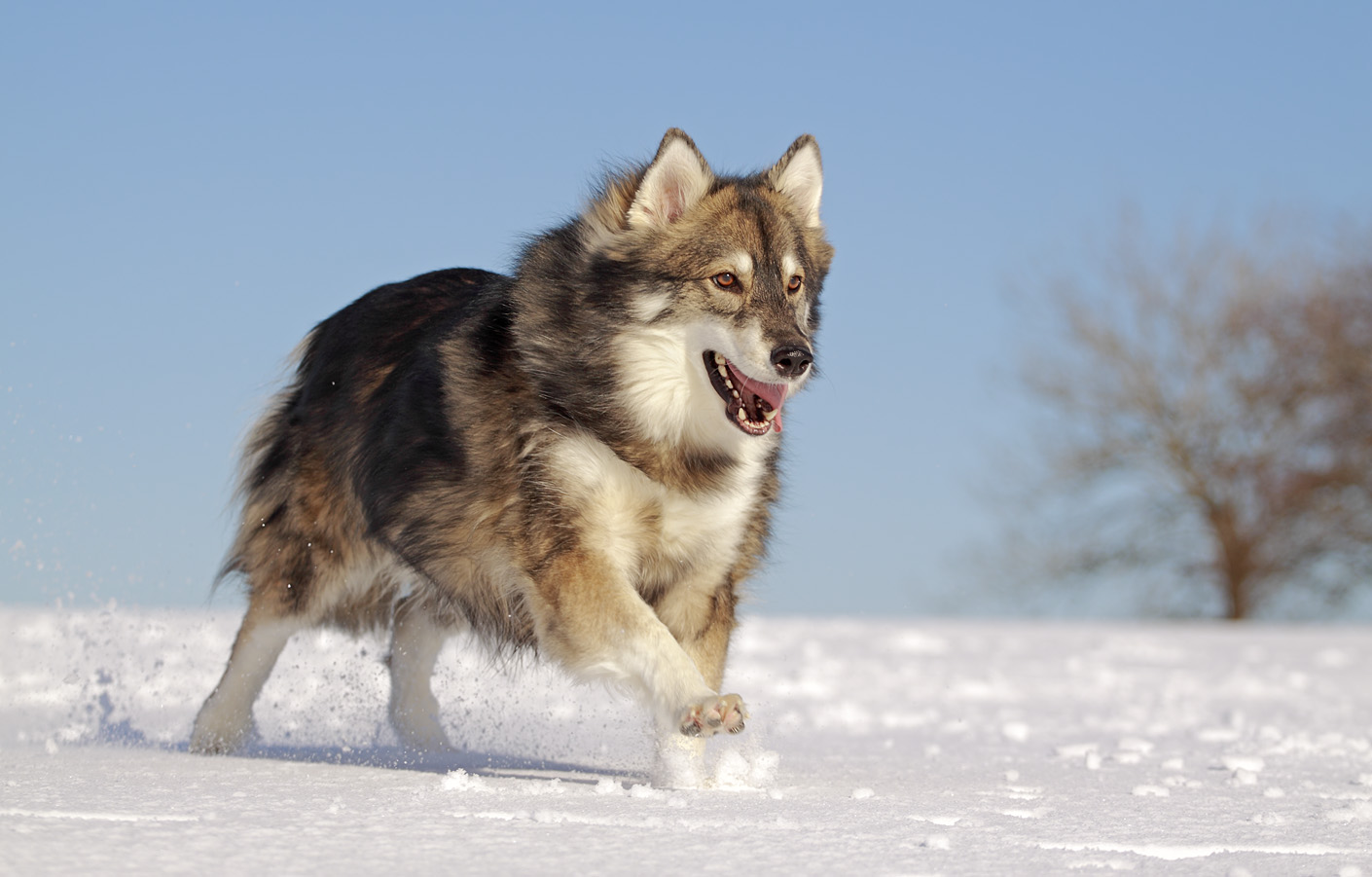
Bred in the UK in the 1980s, the Utonagan was created to look exactly like a timber wolf without any actual wolf DNA. It is a managed mix of Siberian Husky, Alaskan Malamute, and German Shepherd.
They are highly social, fantastic with families, and generally much easier to train in obedience than purebred sled dogs, thanks to the German Shepherd genetics.
- Height: 23–30 inches
- Weight: 55–110 lbs
- Temperament: Gentle, trainable, social.
Pros
- Stunning wolf-like appearance with a gentle temperament.
- More eager to please than a purebred Husky.
Cons
- Small gene pool has led to some health issues (epilepsy).
- Requires a securely fenced yard to manage prey drive.
15. The Pomsky (Designer Mix)
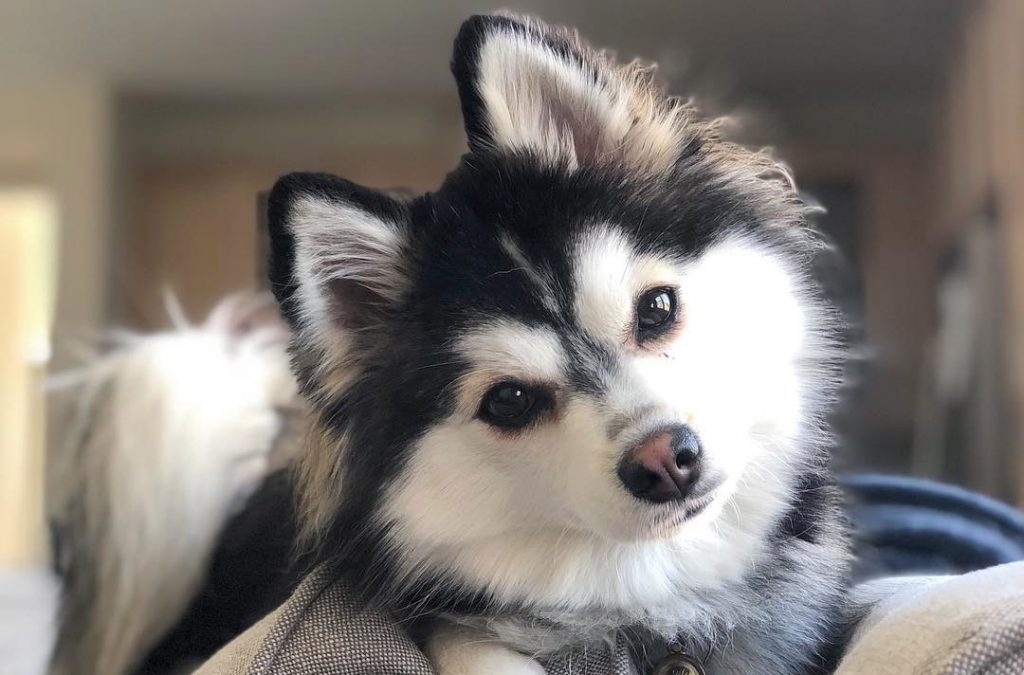
A cross between a Siberian Husky and a Pomeranian, Pomskies are bred specifically to be apartment-sized companions that retain the stunning blue eyes of the Husky.
They are incredibly loving but require strict, positive-reinforcement training to curb the stubbornness of the Husky and the vocal bossiness of the Pomeranian. They also shed heavily year-round.
- Height: 10–15 inches
- Weight: 15–30 lbs
- Temperament: Playful, vocal, affectionate.
Pros
- Adorable, permanently puppy-like appearance.
- Fits well into smaller homes or apartments.
Cons
- Prone to “small dog syndrome” if not properly trained.
- Very expensive designer dog.
16. The Hug Dog (Husky x Pug)
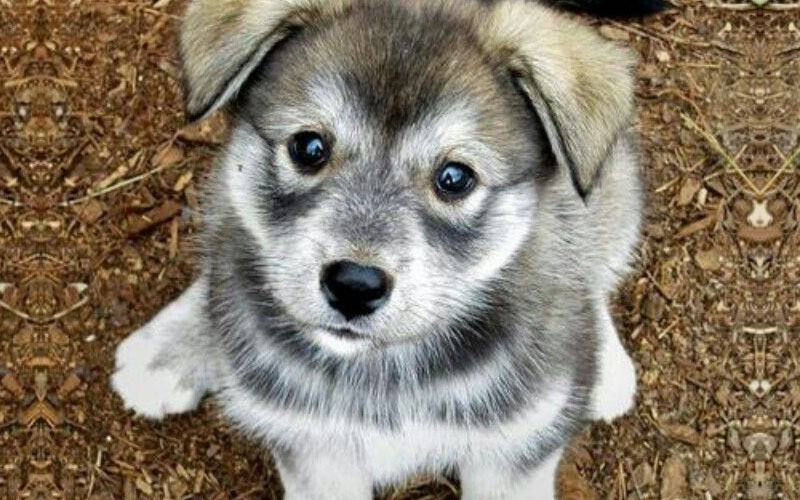
The “Hug” dog is a highly controversial designer cross, combining a hyper-athletic Husky with a brachycephalic (flat-faced) Pug. They often inherit the stocky build of the Pug paired with Husky markings.
Due to the Pug’s restricted airways, this mix can suffer from severe heat exhaustion if they inherit the Husky’s relentless drive to run. Extensive veterinary consultation is highly recommended before adopting.
- Height: 16–22 inches
- Weight: 30–60 lbs
- Temperament: Unpredictable, affectionate, quirky.
Pros
- Highly devoted and affectionate with families.
- Unique, striking physical appearance.
Cons
- High risk of severe respiratory issues (Brachycephalic syndrome).
- Temperament is highly unpredictable.
Which of the Different Husky Breeds is Right for You?
Choosing a Spitz breed is a major lifestyle decision. Here is how they align with different owners:
- Best for Families with Children: Alaskan Malamute, Samoyed, and Chinook Dog.
- Best for Apartments: Alaskan Klee Kai and Pomsky.
- Best for Active Runners: Siberian Husky, Agouti Husky, and Alaskan Husky.
- Worst for Beginners: Canadian Eskimo Dog, MacKenzie River Husky, and the Utonagan.
Frequently Asked Questions (FAQ)
1. Which Husky breed sheds the most?
While all double-coated Spitz breeds shed constantly, the Siberian Husky and the Alaskan Malamute are notorious for “blowing their coat” twice a year, losing their entire undercoat in massive clumps. A high-velocity dog dryer and a heavy-duty vacuum are mandatory.
2. Are Husky breeds dangerous dogs?
No, they are not inherently dangerous to humans. However, due to primitive origins, almost all Huskies possess a very high prey drive, posing a significant danger to cats, chickens, and rabbits if not properly socialized and contained.
3. Which Husky breed is the easiest to train?
For strict obedience, the American Eskimo Dog is the easiest to train. Among sled-pulling breeds, the Samoyed and the Chinook are much more compliant than the famously stubborn Siberian Husky.
Final Thoughts
Whether you are drawn to the immense freighting power of the Alaskan Malamute, the fluffy charm of the Samoyed, or the apartment-friendly cuteness of the Pomsky, there is a northern breed for almost every lifestyle.
However, no matter which type you choose from this list of husky dogs, you are making a profound commitment. These are shedding, howling, running creatures that demand a present and patient leader. If you embrace their wild spirit, a Husky will reward you with a lifetime of loyalty and adventure.
Watch: Types of Husky Breeds Explained
If you prefer a visual overview, watch this video where we break down the different types of Husky breeds and their key differences.