


Ensuring the health and happiness of our dogs is a lifelong responsibility and needs a dog care guide. While giving them the absolute best life possible is a priority, doing so on a budget is easier than you might think. By implementing a few affordable dog care tips right from the start, you can provide balanced nutrition and routine veterinary care without breaking the bank.
- Vaccinations: The Cornerstone of Preventative Health
- Regular Vet Check-Ups: Essential Affordable Dog Care Tips
- Exercise: Keep Your Dog Active for Free
- DIY Grooming: Health, Hygiene, and Savings
- Nutrition: Feeding Your Dog Right on a Budget
- Mental Health: Low-Cost Enrichment and Stimulation
- Seasonal Care: Adjusting to the Changing Weather
- Conclusion
- Frequently Asked Questions (FAQ)
- References & Further Reading
Balanced nutrition, regular exercise, and mental stimulation are pivotal components of a harmonious relationship with your dog. Consulting with your local veterinarian provides valuable insights into preventative measures tailored to your dog’s unique requirements. As highlighted by the ASPCA’s general pet care guidelines, this integrated approach greatly enhances the quality of life for your furry companion, allowing them to thrive while keeping your wallet happy.
Vaccinations: The Cornerstone of Preventative Health
Vaccinations play a fundamental role in maintaining the health of dogs by safeguarding them against highly infectious diseases. Introducing a harmless component of a pathogen enables your dog’s immune system to respond effectively to future threats. This proactive measure not only protects your individual dog but also saves you from catastrophic emergency vet bills later.
There are two primary categories of canine vaccinations: core and non-core. Core vaccines are deemed essential for all dogs to protect against severe diseases such as rabies, distemper, and parvovirus. Non-core vaccines are recommended based on your dog’s specific environment, such as the Bordetella vaccine. For deeper insights into preventing illness, explore our dog health topics.
A recommended vaccination schedule is vital for ensuring proper immunizations. According to the American Veterinary Medical Association (AVMA), puppies typically begin their vaccination series at six to eight weeks of age. Subsequent doses are administered every three to four weeks until they reach sixteen weeks of age. Adult dogs require booster shots at regular intervals, and community clinics often offer these at a significant discount to keep your budget intact.
Regular Vet Check-Ups: Essential Affordable Dog Care Tips
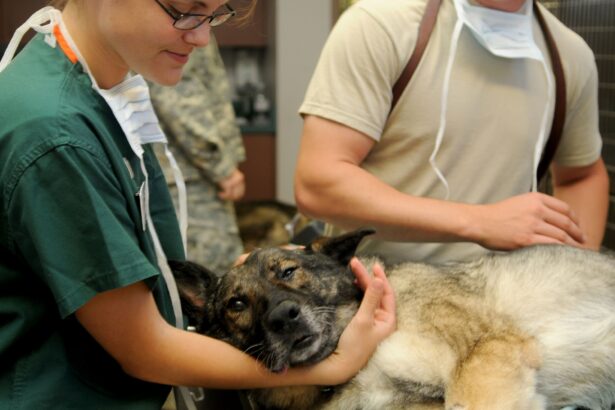
If you are fist time dog owner, or you already have an experience, you should know that regular veterinary check-ups are an essential aspect of maintaining the long-term health and well-being of your dog. These routine visits allow veterinarians to conduct comprehensive physical examinations. As noted by experts at VCA Animal Hospitals, catching potential health issues early prevents them from becoming serious and wildly expensive to treat. Incorporating preventative care is one of the most effective affordable dog care tips you can follow.
During a typical veterinary appointment, your dog will undergo a thorough evaluation. The vet assesses their heart rate, respiratory function, weight, and dental health. Additionally, health screenings such as blood tests may be performed to detect underlying concerns like infections or parasites before they cause visible symptoms.
As a general guideline, adult dogs should visit the vet at least once a year. Dogs with chronic health conditions or senior dogs over the age of seven may require more frequent visits to maintain an excellent quality of life.
Exercise: Keep Your Dog Active for Free
The exercise starts when your companian is still a puppy,as ensuring your dog remains active is crucial for their physical health and mental well-being. Regular exercise is essential for all dogs, regardless of their breed. It helps prevent obesity, enhances cardiovascular health, and promotes better digestion. Best of all, it costs absolutely nothing.
Dogs that do not receive adequate exercise are highly prone to excessive weight gain. Canine obesity often leads to serious, expensive medical conditions such as diabetes and severe arthritis. Dedicating time each day to keep your dog moving can significantly improve their quality of life. Simple activities like a daily walk or engaging in fetch perfectly meet their physical needs.
Incorporating fun activities into your dog’s routine can also enhance their engagement. Agility courses built from household items or basic obedience training sessions serve as excellent avenues for free exercise. These activities simultaneously foster a strong, unbreakable bond between you and your dog.
DIY Grooming: Health, Hygiene, and Savings
Grooming is a crucial aspect of dog care that directly contributes to both health and hygiene. Different breeds have highly specific grooming requirements. Dogs with long fur require frequent brushing to prevent painful matting (which requires expensive professional shaving), while short-haired breeds need occasional brushing to reduce shedding.
Regular bathing promotes cleanliness and comfort. The frequency depends heavily on your dog’s lifestyle. Active dogs that spend considerable time outdoors will need more regular baths than indoor dogs. Always use dog-friendly shampoos to avoid skin irritations. Learning to groom your dog at home is a fantastic way to apply these affordable dog care tips. For step-by-step guidance, check out our dog grooming tips.
Nail trimming is an often-overlooked aspect of grooming. It is essential for preventing painful overgrowth and potential joint injury. Additionally, maintaining proper oral hygiene through regular tooth brushing prevents dental diseases, which often lead to severe and expensive surgical complications.
Nutrition: Feeding Your Dog Right on a Budget
Ensuring your dog receives a balanced diet is indispensable for promoting health and longevity. A well-rounded nutritional plan significantly influences immune function, energy levels, and overall well-being. The American Animal Hospital Association (AAHA) emphasizes that choosing the right food often depends on their current life stage, as growing puppies require different nutrients than senior dogs.
Understanding how to read pet food labels is crucial in making informed, cost-effective choices. If you want to know more about recognizing key ingredients and following proper feeding guidelines, dive into our dog nutrition topics. This ensures you are providing the best fuel for your dog without overspending on unnecessary marketing fillers.
Hydration is another critical aspect of canine nutrition that should never be overlooked. Access to fresh, clean water is vital to prevent dehydration and support bodily functions. This is particularly important in hot weather or after intense physical activity.
Mental Health: Low-Cost Enrichment and Stimulation
Mental health is a frequently overlooked aspect of dog care that significantly impacts their overall well-being. Veterinary experts at PetMD note that dogs require consistent mental stimulation to thrive. A lack of engagement can quickly lead to boredom, anxiety, and severe behavioral issues like destructive chewing (which can ruin your expensive furniture!).
Engaging your dog with puzzle toys promotes cognitive stimulation, forcing them to think critically to access a reward. You do not need to buy expensive store-bought games. Creating homemade puzzles using old towels (rolling treats inside them) or hiding kibble in cardboard boxes is a wonderful addition to your list of affordable dog care tips.
Socialization is another critical factor in enhancing your dog’s mental health. Introducing them to new environments, people, and other dogs expands their comfort zone and reduces anxiety. Regular interaction through free local playdates helps your dog develop confidence and adapt to different settings easily.
Seasonal Care: Adjusting to the Changing Weather
As the seasons change, so do the unique care needs of your dog. During the winter, you must be aware of the dangers posed by extreme cold and icy conditions. To protect them, limit their outdoor time in frigid weather and ensure they have a warm, insulated place to sleep to prevent cold-related illnesses.
In contrast, the summer poses its own set of distinct challenges. High temperatures and humidity can easily lead to fatal heatstroke, particularly in breeds with thick double coats. It is vital to provide ample shade and curtail outdoor walks during the hottest part of the day.
Awareness of your dog’s physical responses to different weather conditions allows you to tailor their care year-round. To ensure you are fully prepared for every season and stage of your companion’s life, browse our comprehensive dog care guide.
Conclusion
Raising a healthy, happy dog requires dedication and commitment, but it absolutely does not have to be a financial burden. By consistently applying these affordable dog care tips, you can confidently navigate preventative veterinary visits, high-quality nutrition, and daily mental enrichment without overspending. Prioritize your dog’s holistic health, stay active together, and enjoy a long, fulfilling life with your canine best friend without stressing over your budget, are dog care basics.
Frequently Asked Questions (FAQ)
How can I save money on my dog’s veterinary bills?
The best way to save on vet bills is through preventative care. However, when visits are necessary, look for low-cost community clinics, mobile veterinary services, or local animal shelters. Many of these organizations offer highly discounted vaccine packages and basic wellness exams that are much cheaper than private practices.
Is it cheaper to make my own dog food?
Generally, no. High-quality commercial kibble is usually the most cost-effective way to ensure your dog receives a scientifically balanced diet. Homemade diets require specific, often expensive, vitamin and mineral supplements to prevent severe nutritional deficiencies, which can lead to costly vet bills down the line.
What are some free ways to keep my dog mentally stimulated?
You do not need expensive store-bought puzzle toys. You can create DIY enrichment games by hiding their daily kibble ration around the house for a “scavenger hunt,” rolling treats tightly inside old towels, or simply dedicating 10 minutes a day to teaching them a new obedience trick.
How often should I groom my dog at home to avoid professional fees?
This depends heavily on your dog’s breed and coat type. However, for most dogs, brushing thoroughly a few times a week and bathing every 1 to 3 months is sufficient. Consistent at-home brushing prevents severe matting, which is the most common reason owners are forced to pay for expensive professional grooming interventions.