
People love their furry best friends, but when it comes to dog care, sparing no expense can get very expensive. Vet bills, premium kibble prices, kennel fees, and training classes can make quite a dent in the family budget. One of the most frequent recurring expenses is maintaining your dog’s coat and overall hygiene. If you find yourself asking how much does dog grooming cost this year, you are certainly not alone. As pet care standards rise, so do the expenses associated with keeping our pups looking and feeling their absolute best.
- Average Dog Grooming Prices by Size in 2026
- Small Dogs (Under 20 lbs)
- Medium Dogs (21 to 50 lbs)
- Large Dogs (51 to 90 lbs)
- Giant Dogs (Over 90 lbs)
- Dog Grooming Cost by Breed: Why Genetics Matter
- Mobile Grooming vs. Traditional Salon Prices
- Factors Affecting Dog Grooming Prices and Hidden Fees
- Coat Condition and Matting Fees
- Dog Behavior and Handling Fees
- Luxury Spa Add-Ons
- Regional Price Differences
- How Often Do Dogs Need Professional Grooming?
- DIY vs. Professional Grooming Cost: The Ultimate Money-Saving Tips
- Try Clipping and Brushing at Home
- Keep That Doggy Smile Healthy
- Trim Nails Safely and Consistently
- Clean Your Dog’s Ears
- Conclusion
- Frequently Asked Questions (FAQ)
In 2026, the dog grooming costs has evolved significantly. From luxury spa add-ons to the immense popularity of mobile grooming vans, owners have more choices than ever before. However, these choices come with varying price tags. Understanding average dog grooming prices is essential for proper budgeting. A poorly maintained coat can lead to severe skin infections, painful matting, and costly veterinary interventions, making regular grooming a non-negotiable aspect of responsible pet ownership.
This comprehensive guide will break down exactly what you can expect to pay at the salon, explore dog grooming cost by breed and size, and uncover the hidden fees you might encounter. Furthermore, we will share actionable advice for those who want to tackle basic maintenance at home. With a little DIY bravado, dog owners can keep their lapdogs in luxury without going into debt.
Average Dog Grooming Prices by Size in 2026
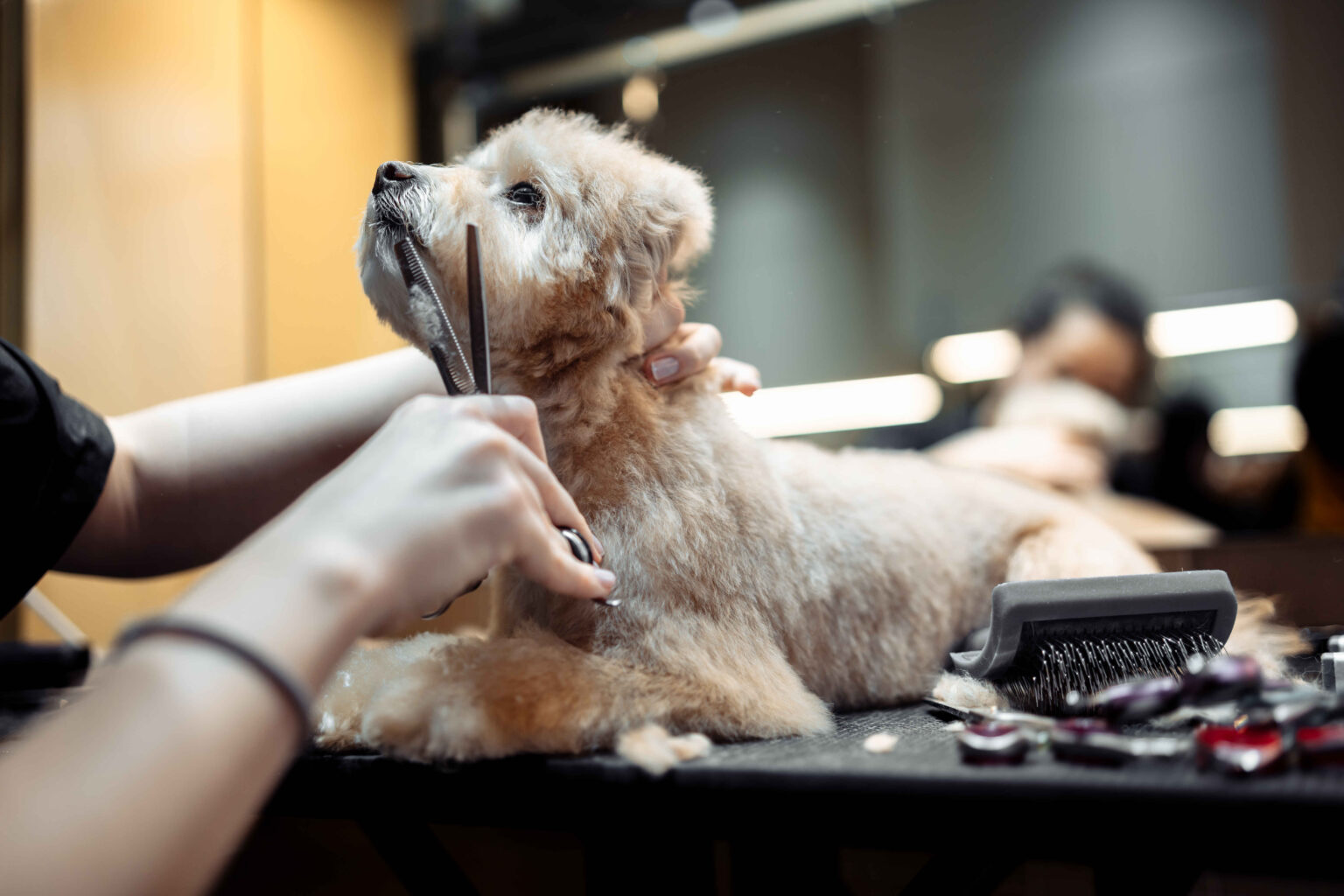
The most significant baseline factor determining dog grooming prices is the physical physical dimensions of your dog. Simply put, a larger dog requires more shampoo, more water, more drying time, and significantly more physical labor from the groomer. While exact prices fluctuate based on your region and the local cost of living, here are the average base rates for a standard full-service groom in 2026. A standard service typically includes a bath, blow-dry, brush out, haircut, nail trim, and ear cleaning.
Small Dogs (Under 20 lbs)
Small breeds are generally the most affordable to maintain. A standard grooming session for a small dog typically ranges from $50 to $75. Because they fit easily into standard tubs and take very little time to blow-dry, groomers can schedule multiple small dogs in a single day. This high volume efficiency keeps the baseline costs relatively low for the consumer. Breeds in this category include Chihuahuas, Yorkshire Terriers, and Miniature Dachshunds.
Medium Dogs (21 to 50 lbs)
For medium-sized dogs, average dog grooming prices sit between $70 and $100. This category is incredibly broad and includes everything from dense-coated Corgis to athletic Australian Cattle Dogs. The price often leans toward the higher end of this spectrum if the medium dog has a particularly thick undercoat that requires extensive brushing and shedding treatments.
Large Dogs (51 to 90 lbs)
Grooming a large dog is a physically demanding task. For breeds in this weight class, you can expect to pay between $90 and $140 for a full-service appointment. Groomers must spend a considerable amount of time lifting, scrubbing, and safely handling these heavier dogs, which directly translates to higher labor costs. Standard Poodles, Golden Retrievers, and Labrador Retrievers fall into this bracket.
Giant Dogs (Over 90 lbs)
Giant breeds require massive amounts of time, space, and specialized equipment. Dog grooming costs for giant breeds start around $120 and can easily exceed $200 or more per session. Many salons require two groomers to safely lift and maneuver dogs of this size, particularly senior giant breeds that struggle to stand in the grooming tub for long periods. Examples include Great Danes, Saint Bernards, and Newfoundlands.
Dog Grooming Cost by Breed: Why Genetics Matter
While size provides a good starting point, evaluating dog grooming cost by breed gives you a much more accurate estimate. A dog’s genetic coat type dictates the specific tools, techniques, and time required to complete the groom safely and effectively.
Consider the difference between a Greyhound and a Standard Poodle. Both are large dogs, but their grooming needs are worlds apart. A Greyhound has a short, sleek single coat. A full grooming session for a Greyhound is essentially a quick bath, a towel dry, and a nail trim. This appointment might only cost $60. Conversely, a Standard Poodle has a dense, continuously growing curly coat that requires meticulous washing, high-velocity blow-drying, and highly skilled scissor work to achieve a breed-standard haircut. A Standard Poodle’s grooming appointment will easily cost upwards of $130.
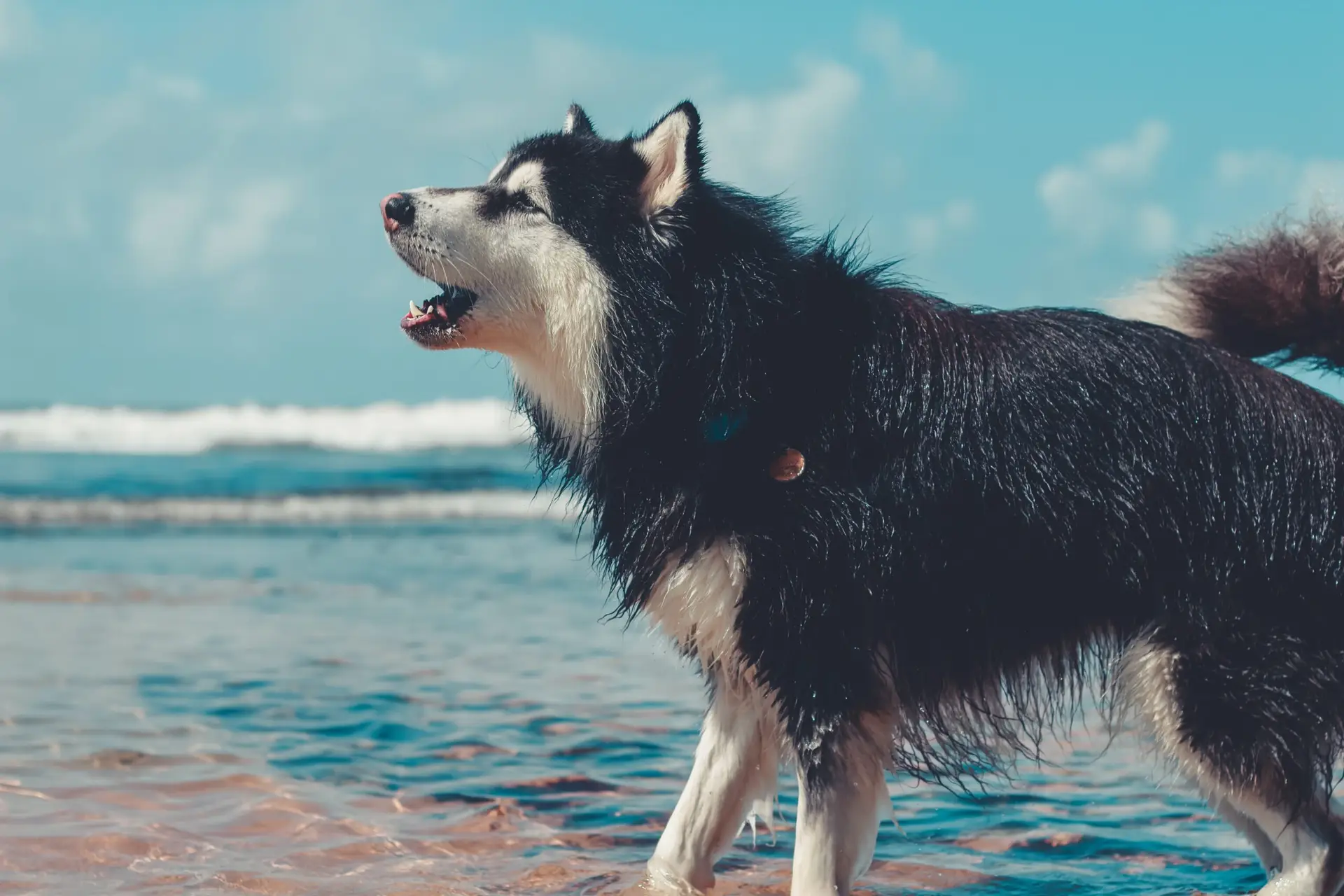
Double-coated breeds, such as Siberian Huskies, Malamutes, and Samoyeds, also command premium dog grooming prices. These dogs do not get shaved, but they require intensive deshedding treatments. Groomers spend hours using specialized rakes and high-powered dryers to blow out the dead undercoat. This labor-intensive process is crucial for the dog’s skin health but significantly increases the final bill.
Mobile Grooming vs. Traditional Salon Prices
The rise of mobile pet grooming has revolutionized the industry, offering unmatched convenience for busy pet parents and a stress-free environment for anxious dogs. However, this premium doorstep service naturally comes with higher dog grooming prices.
A traditional brick-and-mortar salon operates on volume. You drop your dog off in the morning, and the groomer cycles through washing, drying, and cutting multiple dogs throughout the day. This business model keeps costs lower. In contrast, a mobile groomer drives a fully equipped, custom van directly to your driveway. Your dog receives exclusive, one-on-one attention from start to finish without ever waiting in a kennel surrounded by barking dogs.
Because mobile groomers factor in driving time, fuel costs, vehicle maintenance, and the inability to groom multiple dogs simultaneously, their rates are typically 30% to 50% higher than a standard salon. For example, a haircut that costs $80 at a local shop might cost $130 or more in a mobile grooming van. For owners of highly reactive, aggressive, or elderly dogs, the calm and stress-free convenience is often well worth the extra expense.
Factors Affecting Dog Grooming Prices and Hidden Fees
When you call a salon to ask how much does dog grooming cost, the receptionist will almost always give you a “starting at” price. The final bill can be much higher once the groomer actually assesses your dog in person. Here are the main factors and potential add-on fees that influence the final price.
Coat Condition and Matting Fees
If you bring in a dog with a severely matted coat, prepare to pay extra. Removing tight mats is a slow, delicate, and dangerous process. Groomers must use extreme caution to avoid cutting the dog’s skin. Most salons charge a matting fee ranging from $20 to $50 extra to compensate for the additional time and the severe wear and tear on their expensive clipper blades.
Dog Behavior and Handling Fees
A cooperative dog is fast and easy to groom. A dog that thrashes, bites, or panics requires significantly more time and often the assistance of a second groomer to hold them safely. Salons frequently apply a special handling fee for aggressive or highly anxious dogs to cover the extra time and the physical risk to the staff.
Luxury Spa Add-Ons
Modern grooming salons offer a menu of spa upgrades that can quickly inflate your dog grooming costs. These optional add-ons include blueberry facials to remove tear stains, specialized medicated shampoos for allergies, paw pad conditioning balms, and teeth brushing services. While these extras are wonderful for pampering your pet, they can easily add $15 to $40 to your total bill.
Regional Price Differences
Geography plays a massive role in average dog grooming prices. A grooming salon located in downtown Manhattan or San Francisco will naturally charge significantly more than a salon in a rural Midwestern town due to overhead costs, rent, and local economic factors.
How Often Do Dogs Need Professional Grooming?
To accurately budget your annual dog grooming costs, you must calculate how often your specific dog needs to visit the salon. Frequency depends entirely on their coat type and lifestyle.
Dogs with continuously growing hair, such as Shih Tzus, Bichon Frises, Doodles, and Poodles, require a full haircut every 4 to 6 weeks. If you wait longer than six weeks, their hair will likely become painfully matted. Dogs with thick double coats, like German Shepherds and Huskies, should visit the groomer every 8 to 12 weeks for a thorough bath and deshedding treatment, with more frequent visits during their heavy shedding seasons in the spring and fall. Short-haired dogs, like Beagles and Boxers, only need professional baths every few months, though their nails should be trimmed much more frequently.
DIY vs. Professional Grooming Cost: The Ultimate Money-Saving Tips
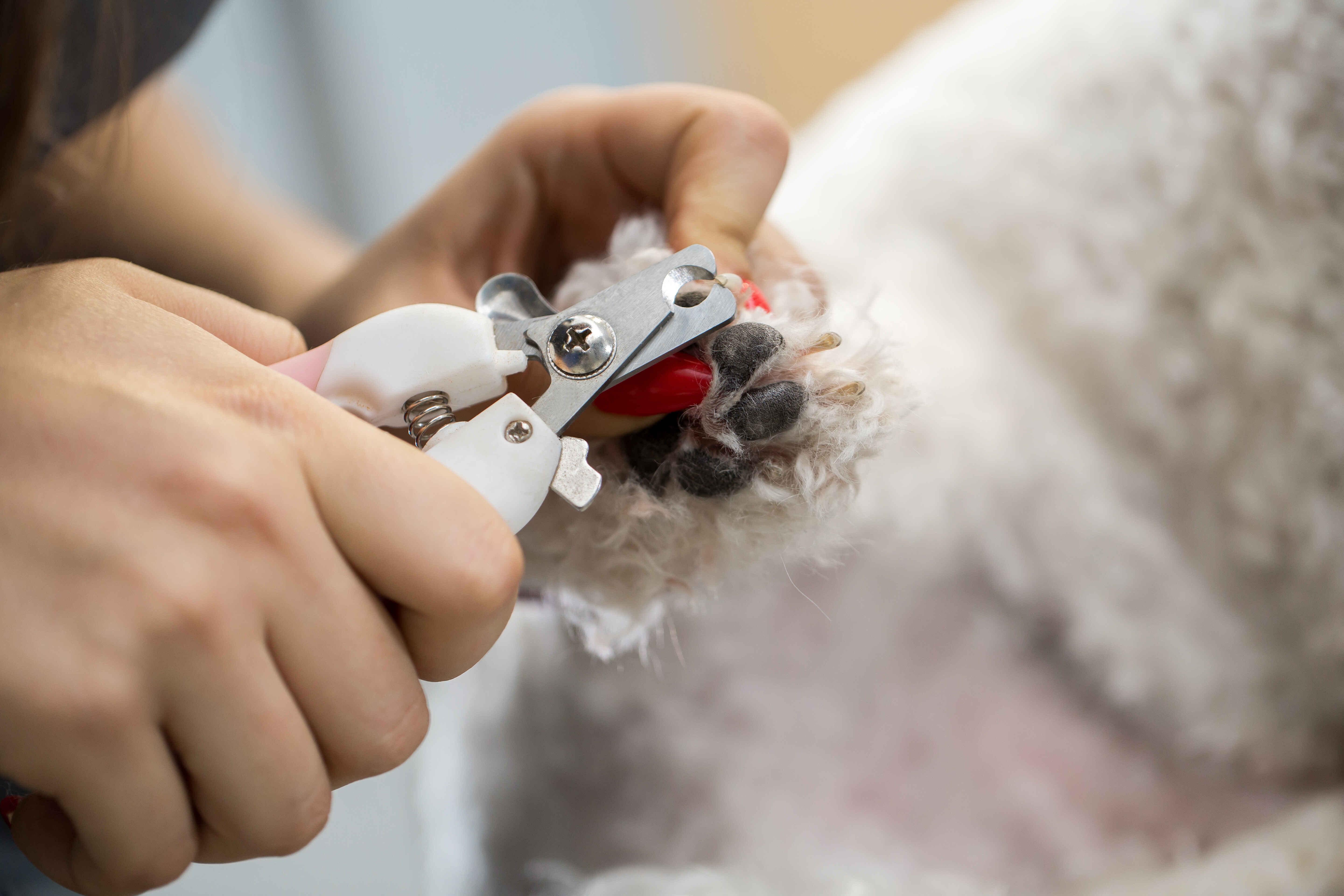
Professional grooming is a fantastic service, but relying on it for every single aspect of your dog’s hygiene will drain your wallet quickly. With a little DIY bravado, dog owners can keep their lapdogs in luxury without going into debt. For example, many dog owners can perform basic dog grooming at home and save up to $500 a year on canine shampoos and styles in the process.
By establishing a solid at-home maintenance routine, you can stretch the time between professional salon visits and completely avoid extra charges for matted fur or overgrown nails. Here are some expert tips for mastering DIY dog grooming.
Try Clipping and Brushing at Home
As a dog owner, using clippers might take a little practice, but you will save time and money in the long run. If you are feeling brave enough to give them a haircut, always start at the head and run the clippers strictly in the direction of your dog’s fur growth. Be very careful not to cut the delicate skin. If you need to trim the fur around your dog’s face or eyes, use blunt-nosed safety scissors.
Not all dogs need trimming, but absolutely all dogs benefit from regular brushing. Frequent brushing encourages healthy blood circulation, distributes natural skin oils, and keeps the fur entirely mat-free. A mat-free dog means no extra detangling fees at the salon.
Keep That Doggy Smile Healthy
If your dog’s kisses make you want to gag, it is time to take immediate action, as bad breath is caused by destructive bacteria growing around the gum line. Veterinary dental cleanings are incredibly expensive and require general anesthesia, but prevention truly is the best medicine.
When it comes to your dog, dental prevention can be as simple as sprinkling oral care probiotics over kibble. Beneficial good bacteria leave very little room for bad, odor-causing bacteria to grow, so they naturally improve your dog’s breath. High-quality oral probiotics also help break down plaque and release low levels of hydrogen peroxide, helping to naturally whiten their teeth and save you hundreds of dollars in veterinary dental fees.
Trim Nails Safely and Consistently
Overgrown nails cause immense pain and can permanently alter the skeletal structure of your dog’s paws. Use sharp, high-quality canine clippers to cut the nails, taking great care not to cut through the quick, which is the highly sensitive area of the nail that contains vital nerves and blood vessels. Nails should ideally be trimmed or ground down with a dog-safe tool about once a month.
Clean Your Dog’s Ears
If you notice severe redness, constant head shaking, frantic scratching, or a foul odor coming from your dog’s ears, it is time to schedule a vet visit. Ear infections are highly painful and, if left untreated, can lead to permanent hearing loss.
To prevent this, check your dog’s ears twice a month for signs of yeast or bacterial buildup. Use a soft cotton ball moistened with a little warm water or a vet-approved liquid ear cleaner to gently wipe the visible underside of your dog’s ear flaps. Never stick a cotton ball or a cotton swab deep into the ear canal, as this can pack debris further down and damage the eardrum.
Conclusion
Navigating dog grooming costs does not have to be a source of financial stress. By understanding the average dog grooming prices in your area and recognizing how your dog’s specific size, breed, and temperament affect the final bill, you can budget effectively for the year ahead. While professional groomers provide an invaluable service for achieving breed-standard haircuts and managing difficult coats, you hold the power to significantly reduce your expenses.
Investing a small amount of money in high-quality brushes, nail clippers, and oral care probiotics will pay for itself almost immediately. By dedicating just ten minutes a day to at-home brushing and dental care, you keep your dog healthy, comfortable, and looking fabulous while keeping your hard-earned money right where it belongs in your wallet.
Frequently Asked Questions (FAQ)
How much does dog grooming cost on average in 2026?
In 2026, the national average for a standard full-service dog grooming appointment ranges between $60 and $100. However, this price fluctuates heavily based on the dog’s size, the geographical location of the salon, and the specific condition of the dog’s coat at the time of the appointment.
Why is dog grooming cost by breed so different?
Grooming prices are heavily dependent on the labor required for specific coat types. A short-haired breed like a Boxer only requires a simple bath and dry, which is fast and inexpensive. A breed like a Poodle or a Bichon Frise requires extensive, highly skilled scissor work and styling, which demands significantly more of the groomer’s time and expertise.
Are mobile dog grooming prices worth the extra money?
For many pet owners, mobile groomers are absolutely worth the premium price. Mobile grooming eliminates the stress of car rides, prevents your dog from sitting in a noisy kennel for hours, and provides dedicated, uninterrupted attention from the stylist. This is especially beneficial for elderly dogs or dogs with severe salon anxiety.
How can I lower my dog grooming prices?
The absolute best way to lower your professional grooming bills is to brush your dog thoroughly every single day at home. Salons charge premium fees for dematting tangled fur. By keeping your dog’s coat smooth and free of knots, you ensure the groomer can complete a standard, base-price haircut without any expensive upcharges.
Do I tip my dog groomer, and how much?
Yes, tipping your dog groomer is customary and highly appreciated, just as you would tip a human hairstylist. A standard tip is typically 15 to 20 percent of the total grooming bill. If your dog was particularly difficult to handle or had severe matting, a slightly larger tip is a great way to show your gratitude for their hard work.