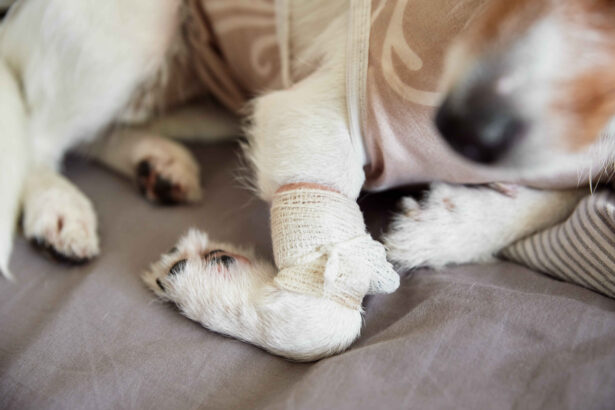

When you suddenly notice your dog scratching relentlessly at a bright red patch on their belly, your first instinct is to find immediate relief. You are likely frantically searching your medicine cabinet and wondering, what is the best thing to put on a dog’s rash right now?
- Before Putting Anything on Your Dog’s Rash
- The Best Thing to Put on a Dog’s Rash
- Quick Recommendation Table
- Colloidal Oatmeal for Itchy, Inflamed Skin
- Pet-Safe Hydrocortisone Sprays and Creams
- Aloe Vera and Calendula Gels
- Antiseptic/Chlorhexidine Wipes for Minor Irritation
- Medicated Rash Shampoos for Widespread Skin Issues
- Looking for ready-made, vet-approved options?
- How to Apply Treatment Safely
- What NOT to Put on a Dog’s Rash
- Unsafe Human Creams
- Essential Oils and DIY Remedies
- Undiluted Apple Cider Vinegar
- Alcohol or Hydrogen Peroxide
- When At-Home Treatment Is Not Enough
- Conclusion
- Frequently Asked Questions (FAQ)
Finding a safe, fast-acting anti-itch treatment is critical for restoring your dog’s comfort. However, applying the wrong ointment can easily trap bacteria, cause painful stinging, or lead to accidental poisoning if your dog licks it off.
Before you reach for a random tube of lotion, you must ensure the product is specifically formulated for canine skin. In this focused guide, we will break down exactly what to apply on dog rash flare-ups safely, what hazardous home remedies to completely avoid, and how to apply topical treatments correctly.
Before Putting Anything on Your Dog’s Rash
It is tempting to immediately slather a rash ointment over your dog’s itchy red skin to stop the scratching. However, you must carefully evaluate the area first to ensure a topical remedy is actually safe to use.
Make Sure It’s Actually a Rash
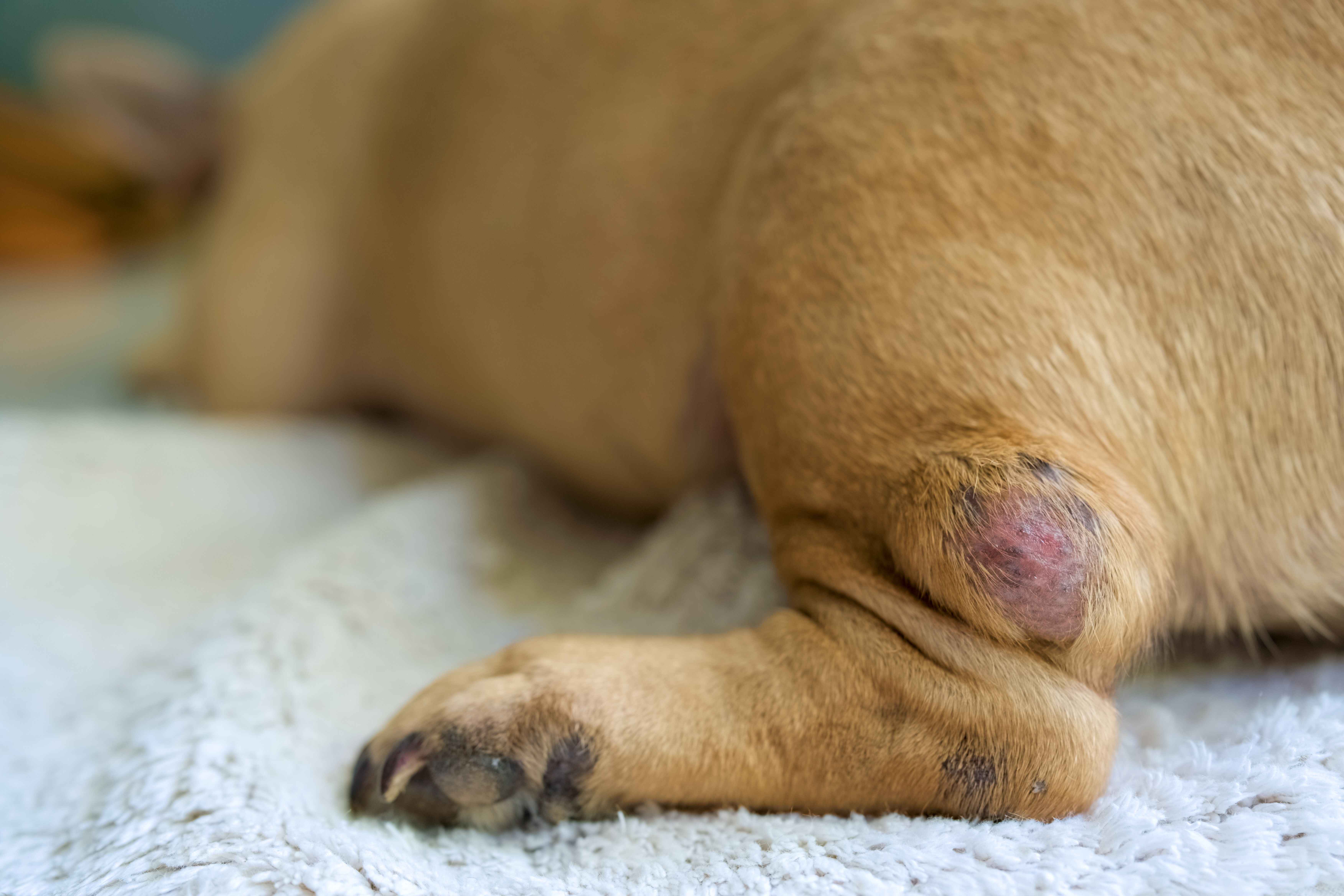
A simple allergic rash typically presents as dry, pink, and slightly raised skin without any broken tissue. If the area is a rapidly oozing, incredibly moist, and raw patch of skin, it is likely a hot spot rather than a basic rash.
Signs the Rash May Be Infected
Before applying a thick topical cream, check for signs of a bacterial or fungal issue. If you notice yellow or green crusting, pus, or a distinct musty odor, the skin is infected.
Applying a thick, greasy ointment over an active infection can trap the bacteria against the skin, making the condition significantly worse. Infected skin requires targeted veterinary medications, not basic soothing topicals.
When Home Treatment Is Not Safe
You should never attempt how to treat dog rash at home if the skin is an active, bleeding open wound. If your dog whimpers or pulls away aggressively when you gently examine the area, the skin irritation is too severe for over-the-counter products.
The Best Thing to Put on a Dog’s Rash
If you have confirmed that the area is simply a dry, mildly inflamed skin reaction, you have several excellent over-the-counter options. Here is a quick guide to matching the symptom with the safest remedy.
Quick Recommendation Table
| Current Situation | Best Safe Option |
|---|---|
| Mild, widespread redness | Colloidal oatmeal bath |
| Intensely itchy, localized rash | Pet-safe hydrocortisone spray |
| Dry, raw, or irritated skin | Pure aloe vera or calendula gel |
| Slight musty or yeasty smell | Antifungal/antiseptic wipe |
| Widespread bumpy rash all over | Medicated rash shampoo |
Colloidal Oatmeal for Itchy, Inflamed Skin
If you are asking can I put anything on my dog’s rash safely, colloidal oatmeal is universally recommended by veterinarians. It naturally binds to the skin to form a protective barrier that locks in moisture and aggressively reduces inflammation.
You can mix pure, unflavored colloidal oatmeal powder into a lukewarm bath to provide full-body relief. It is incredibly gentle and completely safe if your dog happens to lick the bathwater.
Pet-Safe Hydrocortisone Sprays and Creams
A veterinary-formulated hydrocortisone spray is arguably the best thing to put on a dog’s rash for immediate, localized itch relief. These sprays utilize a very low concentration of steroids designed specifically for a dog’s delicate skin structure.
Because they are sprayed directly onto the skin, you do not have to rub a thick pet-safe cream into a tender area. This touch-free application prevents further irritation and reduces the risk of introducing bacteria from your hands.
Aloe Vera and Calendula Gels
Pure, 100% natural aloe vera gel is a fantastic, cooling soothing topical. It provides instant relief for mild contact dermatitis, such as a rash caused by brushing against rough grass.
Calendula is another excellent botanical extract known for its powerful tissue-healing properties. You must ensure any aloe or calendula product you purchase does not contain added alcohol or artificial fragrances.
Antiseptic/Chlorhexidine Wipes for Minor Irritation
If the rash is located in a skin fold, an armpit, or between the paw pads, medicated wipes are incredibly effective. Wipes containing chlorhexidine safely clean away surface yeast and bacteria without over-drying the skin.
Medicated Rash Shampoos for Widespread Skin Issues
Sometimes a topical cream is impossible to apply because the rash covers the dog’s entire chest or back. In these cases, bathing your dog with a medicated shampoo containing chlorhexidine or ketoconazole is the most efficient treatment method.
Looking for ready-made, vet-approved options?
Finding the right product in a crowded pet aisle can be stressful. To ensure you are buying safe, effective ingredients, see our complete guide to the best dog rash creams available today.
How to Apply Treatment Safely
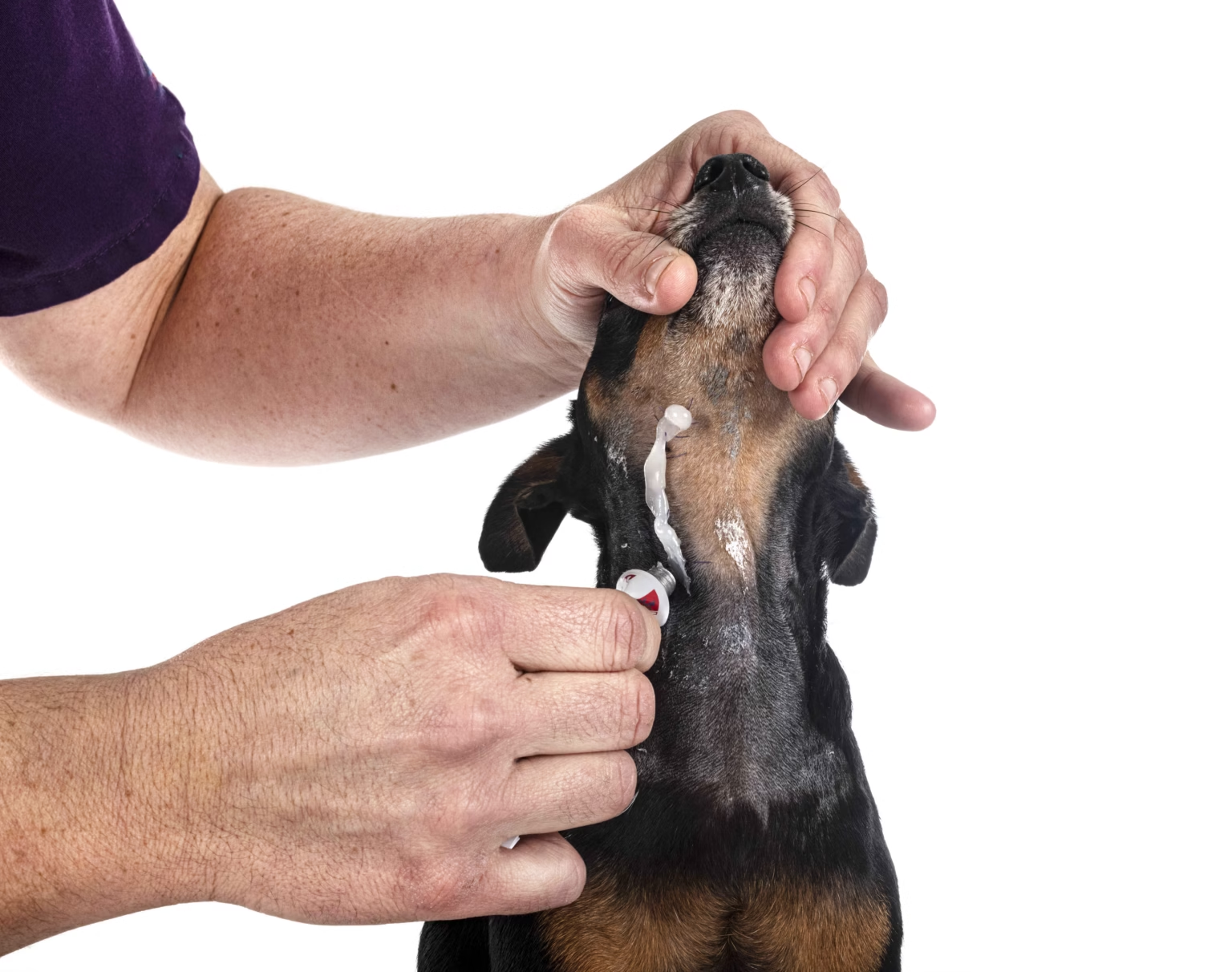
Even if you select the absolute perfect dog rash cream, applying it incorrectly can completely ruin its effectiveness. Follow this clinical protocol for the best results.
Clean the Area First
Never apply a soothing topical directly over a dirty rash. You must gently wash the area with lukewarm water or a mild antiseptic spray to remove any lingering environmental allergens, dirt, or dried saliva.
Dry Thoroughly Before Applying Products
Moisture is the enemy of healing skin. According to skin care guidelines from the Cornell Canine Health Center, trapping water under a thick ointment rapidly promotes yeast infections.
Use a clean paper towel to gently pat the rash completely dry. Never vigorously rub the irritated skin with a rough bath towel.
Prevent Licking After Application
You must allow the medication time to absorb into the dermal layers. If your dog instantly licks the cream off, they will not experience any relief.
Applying an Elizabethan collar (a recovery cone) is the most reliable way to prevent self-trauma. You can also apply the cream right before their daily walk to safely distract them while the product absorbs.
What NOT to Put on a Dog’s Rash
Knowing what to avoid is just as critical as knowing what to apply. Many common household items are highly dangerous when used as safe remedies for dog rash issues.
Unsafe Human Creams
You must strictly avoid using human diaper rash creams or generic anti-itch lotions on your pet. These products frequently contain high levels of zinc oxide or hydrocortisone, which are toxic if ingested by a dog.
Essential Oils and DIY Remedies
Tea tree oil, eucalyptus, and peppermint oil are frequently touted online as natural cures. However, essential oils are highly irritating to damaged skin and can be systemically toxic to dogs if absorbed into the bloodstream.
Undiluted Apple Cider Vinegar
While diluted vinegar can help manage healthy skin pH, you should never pour undiluted apple cider vinegar onto a raw or inflamed rash. It is highly acidic and will cause agonizing stinging and pain for your dog.
Alcohol or Hydrogen Peroxide
Never use rubbing alcohol or hydrogen peroxide to clean a dog’s rash. Veterinary guidelines published by the AVMA explicitly state that these harsh chemicals actually destroy healthy, healing skin cells and significantly delay the recovery process.
When At-Home Treatment Is Not Enough
While a mild allergic rash can easily be managed at home, you must monitor the skin closely. If your dog’s condition deteriorates, you must escalate to a professional dog rash treatment plan overseen by a veterinarian.
Rash Is Spreading
A mild contact allergy usually stays highly localized to the area that touched the irritant. If the rash rapidly spreads down the legs or across the chest, you are likely dealing with an aggressive bacterial pathogen.
Rash Is Oozing or Bleeding
Healthy, healing skin should remain relatively dry. If the rash begins to weep clear fluid, drip yellow pus, or bleed easily, an active infection is present that requires prescription oral antibiotics.
Dog Seems Painful
If your dog growls, whimpers, or hides under the bed when you attempt to look at the rash, their pain level is too high for basic home care. A veterinarian will need to prescribe safe canine pain management medication.
No Improvement After 48–72 Hours
If you have diligently applied pet-safe soothing topicals for three days and the rash looks exactly the same—or slightly worse—stop home treatment. Your dog requires a clinical diagnostic workup to identify the exact cause of the irritation.
Conclusion
Determining the best thing to put on a dog’s rash depends entirely on the specific symptoms you observe. For dry, mild redness, utilizing a pet-safe hydrocortisone spray, aloe vera gel, or a soothing colloidal oatmeal bath can provide rapid, highly effective relief.
Always remember to gently clean and dry the area before applying any topical cream, and strictly prevent your dog from licking the medication. By avoiding harsh human products and knowing exactly when to consult your veterinarian, you can safely resolve your dog’s skin irritation and restore their happy, itch-free life.
Frequently Asked Questions (FAQ)
What can I put on my dog’s rash for immediate relief?
For immediate relief of mild, unbroken red skin, drawing a lukewarm bath mixed with colloidal oatmeal is highly effective. For targeted relief on a small area, applying a veterinary-formulated hydrocortisone spray or a pure aloe vera gel will rapidly cool the inflammation and stop the itching.
Can I use hydrocortisone cream on my dog?
You should only use hydrocortisone creams or sprays that are specifically formulated and clearly labeled for veterinary use. Human hydrocortisone creams are often too strong for canine skin and frequently contain additional ingredients that are highly toxic if your dog accidentally licks the ointment off.
Is Neosporin safe for dog rash?
Neosporin is generally not recommended for treating a dog rash without explicit veterinary approval. While it can act as a barrier for minor scrapes, it is not formulated to be ingested by canines. If your dog licks the Neosporin off their skin, it can cause moderate gastrointestinal upset.
Can I treat my dog’s rash at home?
Yes, but only if the rash is incredibly mild, localized, and completely free of any open wounds, bleeding, or yellow pus. You can treat a mild rash at home by keeping the area clean, applying a pet-safe soothing topical, and using an Elizabethan collar to strictly prevent your dog from licking the area.
How long does it take for a dog rash to heal?
The healing timeline depends entirely on the underlying cause of the irritation. A minor contact rash may visibly improve and fade within 24 to 48 hours of applying a soothing topical. However, a rash caused by a bacterial infection or severe allergies may take 10 to 14 days of consistent veterinary treatment to fully resolve.