

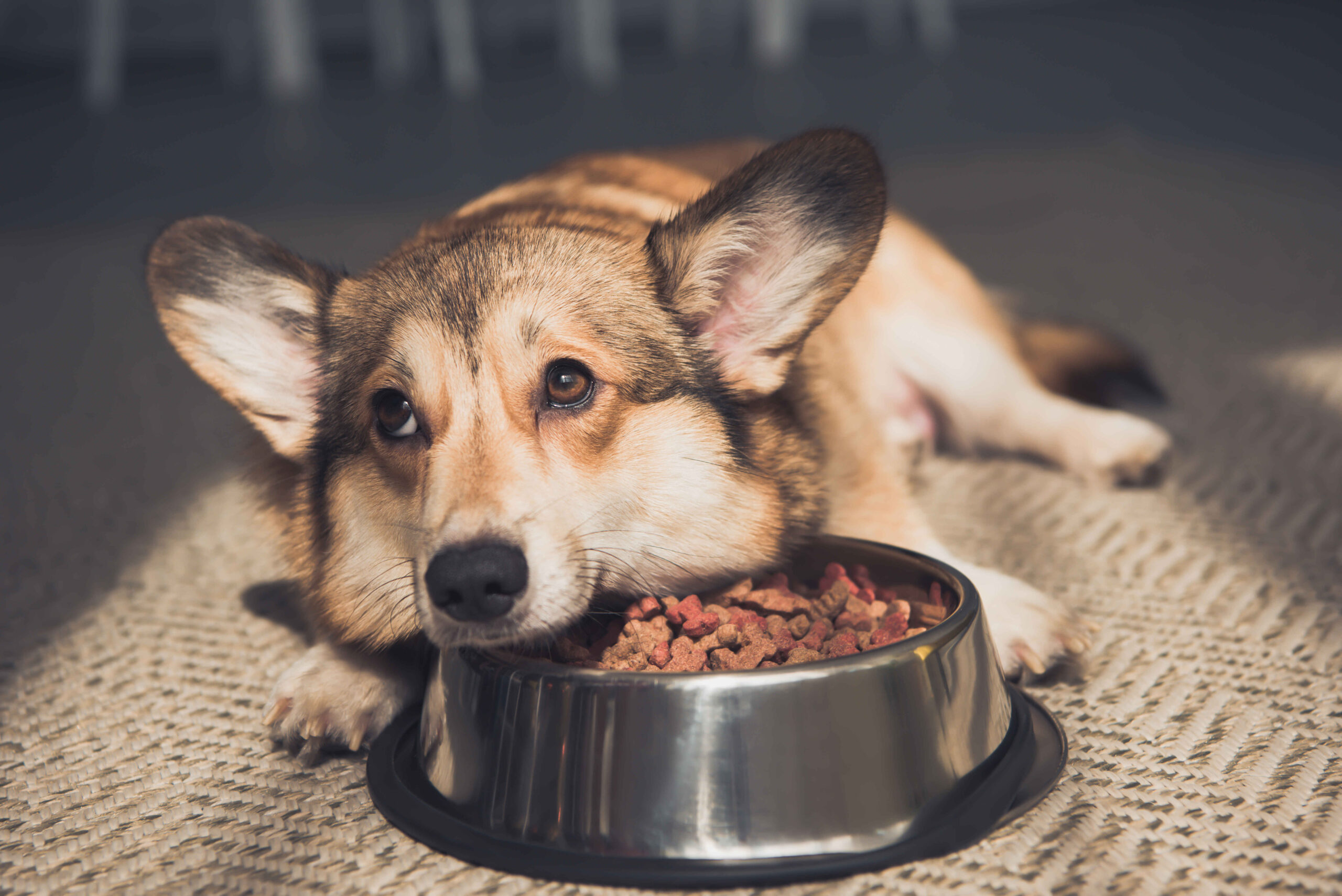
Few things strike fear into a pet parent’s heart quite like seeing their beloved dog refuse their food and water bowl. While a dog skipping a single meal might just mean you have a picky eater on your hands, a dog that won’t eat or drink is a major red flag. Adequate hydration and nutrition are fundamental to their survival, and a sudden refusal of water can cause a healthy dog to become critically ill in a matter of days.
- How Long Can a Dog Safely Go Without Food or Water?
- Why Won’t My Dog Eat or Drink? (Top Causes)
- 1. Serious Medical Emergencies
- 2. Mild Illnesses, Pain, and Medications
- 3. Behavioral and Environmental Causes
- Signs of Dehydration in Dogs: How to Check at Home
- Safe Home Care: How to Encourage a Sick Dog to Drink and Eat
- Frequently Asked Questions (FAQ)
- References
This comprehensive guide is designed to empower you with the knowledge to identify potential causes, check for dangerous signs of dehydration at home, implement safe hydration hacks, and most importantly, know exactly when it’s time to rush to the emergency vet.
How Long Can a Dog Safely Go Without Food or Water?
Before diving into the causes, it is critical to understand your timeline. The urgency of the situation depends entirely on what your dog is refusing and their age.
- Without Water: A dog can become dangerously dehydrated in just 24 hours. If your dog refuses to drink for a full day, they are at risk of severe kidney damage and systemic organ failure. This is an immediate medical emergency.
- Without Food: A healthy adult dog can survive several days without food. However, if your dog skips meals for more than 48 hours, a veterinary visit is necessary to prevent liver complications and identify the underlying illness.
- The Puppy Rule: Puppies (under 6 months old) are incredibly fragile. Because they have virtually no fat reserves, refusing to eat or drink for even 12 hours can cause life-threatening hypoglycemia (low blood sugar), which the American Kennel Club (AKC) notes is a primary reason to seek immediate veterinary care.
Why Won’t My Dog Eat or Drink? (Top Causes)
A dog refusing food and water is a symptom, not a diagnosis. The reasons can range from mild behavioral anxiety to severe, life-threatening internal blockages.
1. Serious Medical Emergencies
Many acute canine health issues aggressively suppress a dog’s appetite and thirst, requiring prompt veterinary intervention:
- Foreign Body Obstruction: If your dog has swallowed a non-digestible object (a sock, a toy, a bone fragment), it can cause a severe intestinal blockage. This leads to vomiting, lethargy, and an absolute refusal of food and water.
- Pancreatitis: Inflammation of the pancreas is agonizingly painful. It causes severe vomiting, hunched posture, and a complete loss of appetite.
- Organ Disease (Kidney & Liver): Acute and chronic kidney disease cause a buildup of toxins in the blood, leading to profound nausea, lethargy, and a complete refusal to eat or drink.
- Toxin Ingestion: Ingesting poisons like human medications, xylitol (artificial sweetener), chocolate, or toxic plants will lead to acute illness and appetite loss, according to the ASPCA Animal Poison Control Center.
2. Mild Illnesses, Pain, and Medications
- Gastrointestinal Upset: A simple “tummy bug” from eating something gross in the yard can cause temporary nausea and diarrhea, making them unwilling to eat.
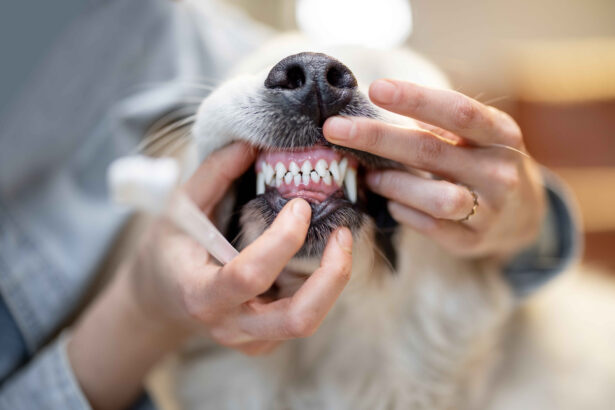
- Dental Problems: A broken tooth, severe gum disease, or an oral abscess makes eating and drinking physically excruciating. They may approach the bowl, whine, and walk away. Maintaining proper dog dental care is essential, as the AVMA warns that neglected dental health can severely impact their systemic well-being.
- Vaccine Reactions or New Meds: It is very common for dogs to feel lethargic and lose their appetite for 12 to 24 hours after receiving routine vaccinations or starting a new medication.
3. Behavioral and Environmental Causes
Sometimes, the refusal is rooted in their emotional state rather than a physical illness:
- Stress and Anxiety: Dogs are highly sensitive to changes. Moving to a new home, the arrival of a new baby, loud noises (fireworks/thunder), or severe separation anxiety can temporarily kill their appetite.
- Picky Eating or Food Aversion: Some dogs are simply stubborn. If you suddenly changed their dog food brand without a gradual transition, they may refuse it out of protest or mild stomach upset.

Signs of Dehydration in Dogs: How to Check at Home
If your dog is not drinking, you must monitor them for dehydration. You can perform two simple, vet-approved tests at home to check their hydration levels:
- The Skin Tent Test: Gently pinch a fold of skin on the back of your dog’s neck or between their shoulder blades, pull it up slightly, and release it. In a well-hydrated dog, the skin will instantly snap back into place. If the skin falls back slowly or stays “tented” in a ridge, your dog is severely dehydrated.
- Capillary Refill Time (Gum Check): Lift your dog’s lip and look at their gums. They should be slick, wet, and bubblegum pink. Gently press your finger against the gum until it turns white, then release. The pink color should return in under 2 seconds. If the gums are sticky/tacky, or if it takes longer than 2 seconds for the color to return, your dog is dehydrated.
🚨 The Emergency Vet Checklist
Do not wait to see if things improve if your dog exhibits any of these critical warning signs alongside their refusal to eat or drink. Go to an emergency clinic immediately if you notice:
- No water intake for 24 hours (or 12 hours for a puppy).
- Repeated, uncontrollable vomiting or bloody diarrhea.
- A hard, swollen, or painfully distended abdomen (signs of deadly bloat).
- Extreme lethargy, inability to stand, or unresponsiveness.
- Pale white, gray, or yellow (jaundiced) gums.
Safe Home Care: How to Encourage a Sick Dog to Drink and Eat
If your adult dog is acting completely normal, has plenty of energy, and has only skipped one or two meals (without vomiting or diarrhea), you can often monitor them at home for 12 to 24 hours. Here are safe ways to encourage intake:
Hydration Hacks (The Priority)
- Offer Ice Cubes: Some nauseous dogs will happily lick or crunch on an ice cube even if they turn their nose up at a bowl of water.
- Add Low-Sodium Bone Broth: Adding a splash of plain, low-sodium chicken or beef broth to their water bowl makes it highly enticing. Crucial: Ensure the broth contains absolutely NO onions or garlic, as these are toxic to dogs.
- Wet Food: Canned dog food contains up to 80% moisture. Offering a small spoonful can help hydrate a dog that refuses to drink from a bowl.
Enticing Their Appetite
- The Bland Diet: If they have a mild upset stomach, offer a small amount of boiled, plain chicken breast (no skin, no bones, no seasoning) mixed with plain white rice. This binds the stomach and is a staple in gentle dog nutrition during illness.
- Warm the Food: Dogs rely heavily on their sense of smell. Heating their wet food or adding warm water to their kibble enhances the aroma, which can stimulate a sluggish appetite.
- Hand Feeding: Sometimes, the comfort of being gently hand-fed by their trusted owner is enough to coax a stressed or slightly nauseous dog to eat.
Frequently Asked Questions (FAQ)
My dog is drinking water but not eating food. What should I do?
This is significantly better than refusing both, but it is still concerning. It often points to dental pain, a mild gastrointestinal upset, or pickiness. Offer a bland diet (boiled chicken and rice) for 24 hours. If they refuse food for 48 hours, or if they begin vomiting the water they drink, call your vet.
Can I use a syringe to force my dog to drink water?
If directed by a vet, you can use a plastic, needle-less syringe to gently squirt small amounts of water into the side or cheek pouch of their mouth. However, you must be extremely gentle. Never forcefully squirt water straight down their throat, as they can easily inhale it into their lungs (aspiration pneumonia).
Can I give my dog human antacids if their stomach is upset?
No. Never give your dog over-the-counter human medications like Pepto-Bismol, Tums, or Ibuprofen without explicit, direct instructions from your veterinarian. Many human medications are highly toxic to dogs and can cause severe, fatal stomach ulcers or kidney failure.
References
- American Veterinary Medical Association (AVMA). (2023). Pet Dental Care and Systemic Health.
- ASPCA Animal Poison Control Center. (2024). Common Canine Toxins and Symptoms.
- American Kennel Club (AKC). (2023). Why Won’t My Dog Eat? Common Causes of Loss of Appetite.