

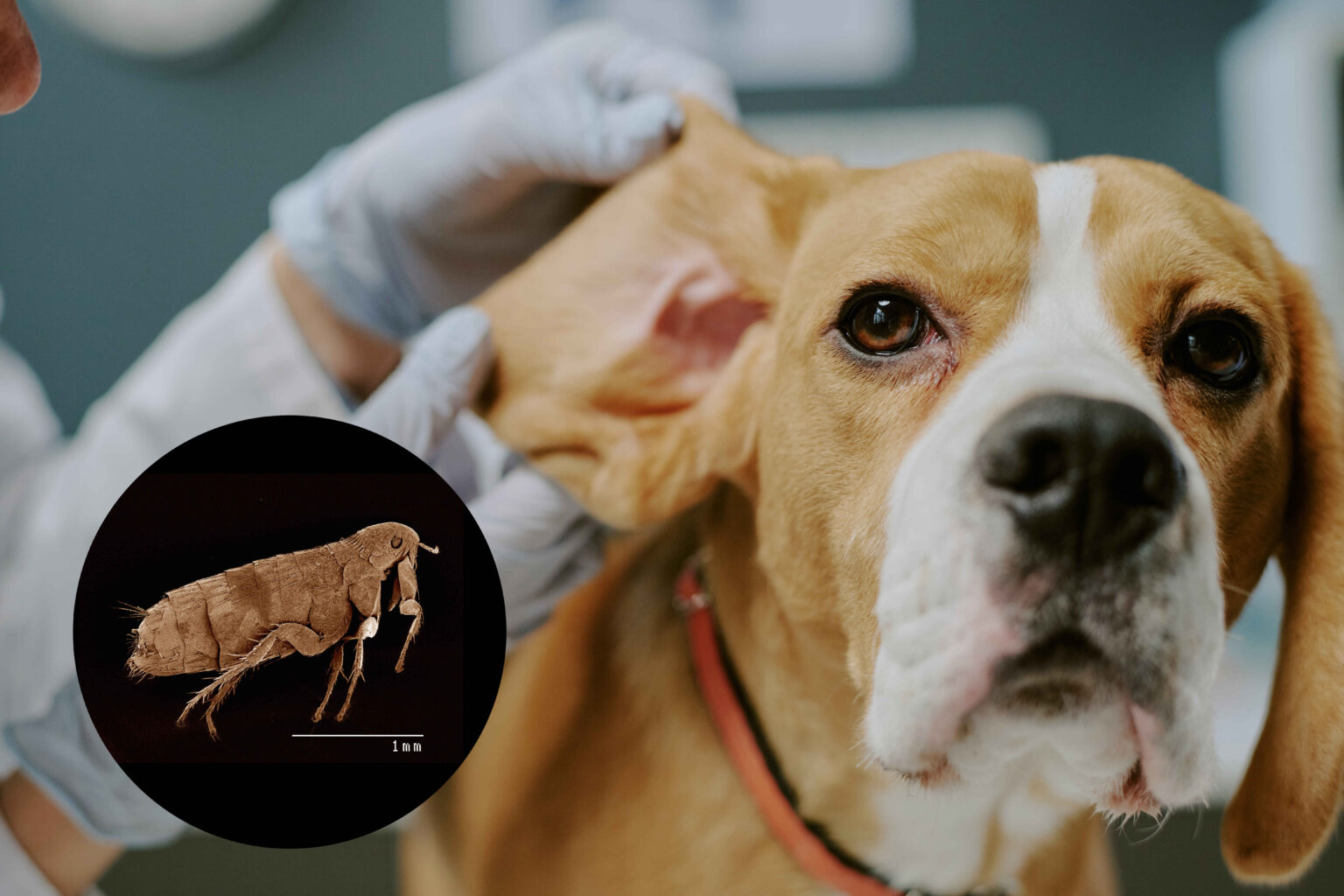
If you’re wondering how to keep fleas off dogs, you’re not alone. Fleas are one of the most common problems dog owners face, causing constant itching, skin irritation, and even serious health issues if left untreated.
- Understanding the Enemy: The Flea Lifecycle
- The Hidden Health Risks of Flea Infestations
- Crucial Safety Rules for Young Puppies
- 5 Proven Ways to Keep Fleas Off Dogs
- 1. Use Vet-Approved Preventative Medications
- 2. Implement Strategic Grooming and Bathing
- 3. Aggressively Eradicate Fleas Inside Your Home
- 4. Treat and Maintain Your Yard
- 5. Catch Infestations Early with the Paper Towel Test
- Frequently Asked Questions (FAQ)
- Can my strictly indoor dog still get fleas?
- How long does it take to completely get rid of a house infestation?
- Are natural home flea remedies, like garlic or essential oils, safe for my dog?
- Why am I still seeing fleas on my dog after giving them their monthly pill?
- Conclusion
The key to stopping fleas is not just treating your dog, but also targeting your home and environment to break the flea lifecycle. In this guide, you’ll learn simple, vet-approved strategies to prevent and eliminate fleas effectively, keeping your dog healthy, comfortable, and protected.
Understanding the Enemy: The Flea Lifecycle

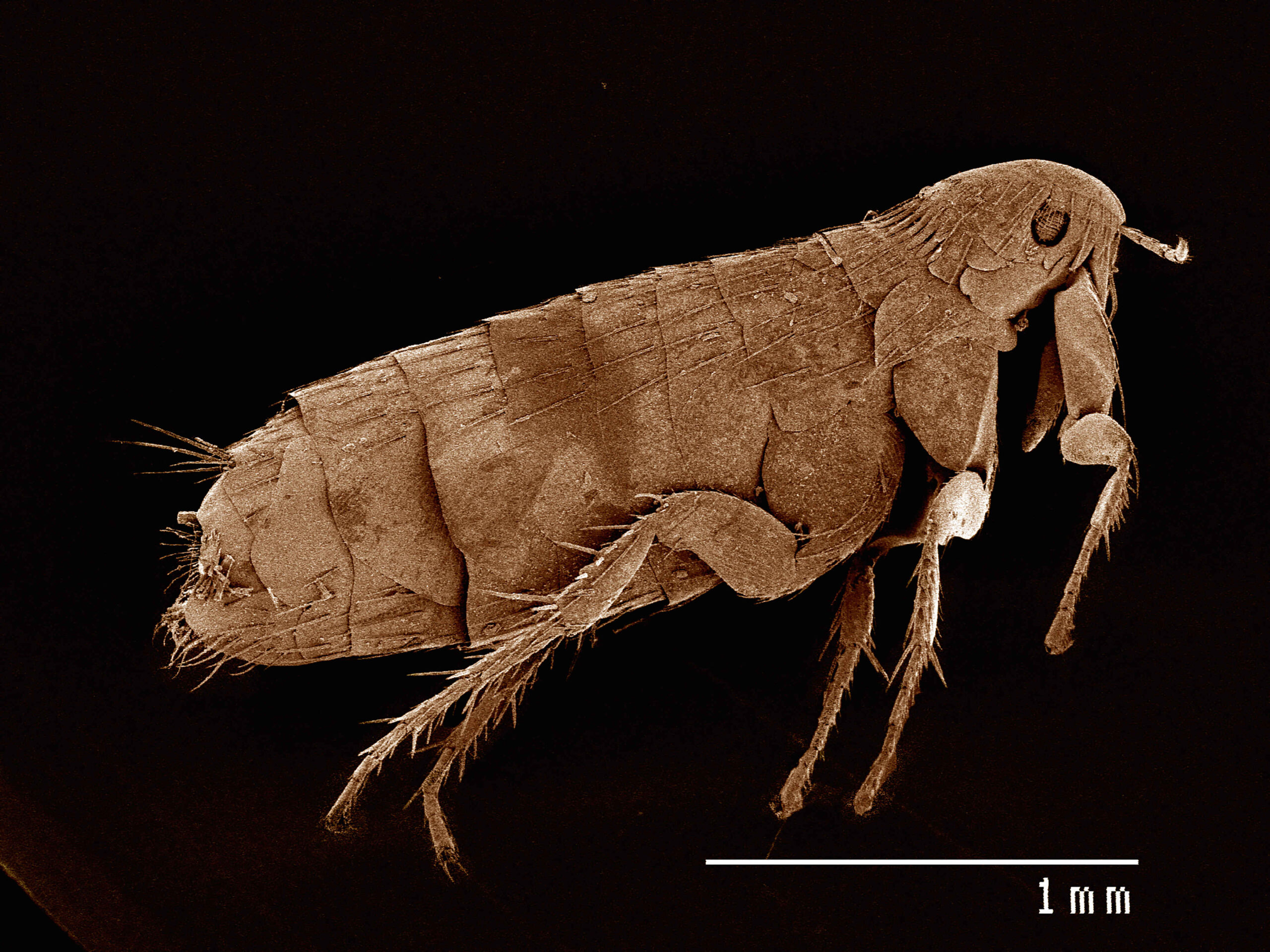
To effectively keep fleas off your dog long-term, you must first understand how they survive and multiply in your environment. One of the biggest mistakes pet owners make is treating only the adult fleas they can see on their dog’s coat. This approach will never solve a home infestation, because adult fleas only make up about five percent of the total flea population. The other ninety-five percent are currently in various stages of development, hidden away in your living room carpets, your dog’s favorite bed, and the shady spots in your backyard.
-
The Egg Stage:
An adult female flea can lay up to fifty eggs a single day on your dog. These eggs are smooth and not sticky. They quickly fall off your dog’s coat like salt from a shaker wherever your dog walks, sleeps, or plays. Within a few days, a single flea can scatter hundreds of eggs throughout your house.
-
The Larval Stage:
Within two to fourteen days, the eggs hatch into microscopic, worm-like larvae. These larvae actively avoid light, burrowing deep into dark, safe places like thick carpet fibers, floorboard cracks, and underneath baseboards. They survive by feeding on organic debris and “flea dirt,” which is the dried blood feces of adult fleas.
-
The Pupal Stage:
This is the most frustrating and resilient stage of a flea infestation. The larvae spin themselves into sticky, protective cocoons to become pupae. In this dormant stage, they are nearly invincible to common household insecticidal chemicals and sprays. They can lie completely dormant in your carpet for months, waiting for the specific vibration, carbon dioxide, or body heat of a passing dog to signal them to emerge.
-
The Adult Stage:
Once the adult flea hatches from its cocoon, it immediately jumps onto your dog, begins feeding on their blood within minutes, and the entire reproductive cycle starts all over again. A newly hatched female can begin laying eggs within just 24 hours of her first blood meal.
Because the pupal stage is so incredibly resistant to treatment, true flea eradication requires patience, consistency, and treating the environment just as aggressively as you treat the dog.
The Hidden Health Risks of Flea Infestations
Fleas pose serious, sometimes life-threatening health risks, particularly to young puppies, senior dogs, or dogs with compromised immune systems. Understanding these risks highlights why proactive flea prevention is a mandatory part of responsible dog ownership.
Flea Allergy Dermatitis (FAD)
Flea Allergy Dermatitis is one of the most common skin diseases seen in veterinary medicine. Many dogs develop a severe allergic reaction to the specific proteins found in flea saliva. For a normal dog, a flea bite is mildly itchy. However, according to the Merck Veterinary Manual, for a dog with FAD, a single flea bite can trigger a massive, whole-body allergic reaction. This leads to intense, frantic itching, the development of painful weeping hot spots, significant hair loss—especially around the base of the tail and hind legs—and dangerous secondary bacterial skin infections that require antibiotics and steroids to heal.
Tapeworm Infections
Fleas and tapeworms go hand in hand. If your dog accidentally swallows an infected flea while grooming themselves or biting at an itchy spot on their leg, that flea can transmit a tapeworm infection directly into your dog’s intestinal tract. Tapeworms attach themselves to the lining of the intestines and absorb the nutrients your dog eats. You will often notice a tapeworm infection if you see tiny, white, rice-like segments crawling around your dog’s anus or sitting in their fresh stool. While not usually fatal, tapeworms cause weight loss and poor coat condition.
Severe Anemia in Puppies
Because fleas survive by consuming the blood of their host, a severe infestation can be incredibly dangerous for small puppies. A high volume of feeding fleas can drain a small puppy’s blood supply faster than their little bodies can regenerate it. This leads to life-threatening anemia, characterized by pale gums, extreme lethargy, weakness, and a dangerously low red blood cell count. In severe cases, flea anemia can be rapidly fatal to young pups if not treated with blood transfusions and immediate parasite removal.
Crucial Safety Rules for Young Puppies


Before diving into modern treatment methods, it is absolutely vital to address puppy safety. You cannot treat a young puppy with the same medications you use for a fully grown adult dog. The internal organs, specifically the liver and kidneys, of a puppy under eight weeks old are not fully developed, and their bodies cannot safely process the active ingredients found in standard preventative medications.
Most commercial flea collars, topical drops, and oral chewables explicitly state on their packaging that the dog must be at least seven or eight weeks old and weigh a minimum number of pounds (usually two to four pounds, depending on the brand). Applying adult flea medication to a young, underweight puppy can cause severe neurological damage, muscle tremors, seizures, and even death.
If you find fleas on a puppy under eight weeks old, your safest immediate option is a gentle bath using a mild, puppy-safe shampoo (like a tearless oatmeal formula) and a fine-toothed flea comb to physically remove the parasites. Always consult your veterinarian and refer to AVMA guidelines on safe flea product usage before applying any chemical treatment to a young or underweight puppy.
5 Proven Ways to Keep Fleas Off Dogs
1. Use Vet-Approved Preventative Medications
The absolute most critical step when learning how to keep fleas off dogs is the consistent, year-round use of veterinary-grade preventative products. Over-the-counter grocery store collars and cheap topical drops often rely on older, outdated chemicals. Decades of continuous use have allowed fleas to grow highly resistant to these cheap formulas. To truly protect your dog, consult your veterinarian to choose a modern, prescription-strength option tailored to your dog’s specific weight, breed, and medical history.
- Oral Chewable Medications: These are highly palatable, beef or pork-flavored pills given once a month or once every three months. They work systemically through the dog’s bloodstream. When a flea bites your dog, it ingests the medication and dies rapidly, long before it has the chance to lay eggs. These are incredibly effective, safe for the home environment, and leave no messy, greasy residue on your dog’s fur, making them perfect for families with small children who pet the dog often.
- Topical Spot-On Treatments: Applied directly to the skin on the back of your dog’s neck or between the shoulder blades, these liquid treatments spread naturally across the lipid layer of the dog’s skin. They kill fleas on contact, meaning the flea does not even need to bite your dog to absorb the poison and die. They typically provide solid protection for thirty days.
- Prescription Flea Collars: Unlike cheap supermarket collars that only protect the immediate neck area and lose their potency quickly, veterinary-grade prescription collars slowly and continuously release active ingredients over a period of up to eight months. They offer long-lasting, reliable protection for highly active, outdoorsy dogs and hunting breeds.
2. Implement Strategic Grooming and Bathing
While chemical preventatives are your main shield against infestations, physical grooming is your early warning system. One of the best, most affordable tools you can own is a high-quality, metal, fine-toothed flea comb.
Regularly comb through your dog’s coat, making sure to pull the comb all the way down to the skin rather than just skimming the top of the fur. Pay special attention to the base of the tail, the back of the neck, and the soft, sparse fur on the belly, as these are the warmest areas where fleas love to hide. Keep a small bowl of warm, soapy water next to you. If you trap a live flea in the teeth of the comb, immediately dunk the comb into the soapy water. The soap breaks the surface tension of the water, causing the flea to sink and drown instantly.
If your dog is heavily infested and miserable, a bath can provide immediate, soothing relief. Begin by lathering the shampoo heavily around your dog’s neck first. This creates a soapy barrier that prevents fleas from running up into your dog’s ears, eyes, and nose as the rest of their body gets wet. Use a gentle, dog-specific moisturizing shampoo to wash away adult fleas and irritating flea dirt. However, avoid bathing your dog too frequently. Excessive bathing strips the coat of natural, protective oils, leading to dry, flaky skin. Furthermore, heavy bathing with harsh detergents can wash off certain topical spot-on treatments, rendering them useless.
3. Aggressively Eradicate Fleas Inside Your Home
Because the vast majority of a flea infestation lives in your house rather than on your dog, treating your indoor environment is absolutely non-negotiable. If you skip this step, newly hatched fleas will continuously jump onto your dog, making it seem like your expensive preventative medications are failing.
Vacuum your entire home vigorously and frequently. During an active infestation, you should be vacuuming daily. Focus heavily on carpets, area rugs, along baseboards, under the sofa, and deep underneath beds. Vacuuming physically sucks up thousands of eggs and larvae. More importantly, the physical vibration and heat of the vacuum cleaner simulate a passing host. This stimulates the dormant, invincible pupae to hatch out of their cocoons into vulnerable adult fleas, which are then immediately sucked up into the machine. Crucial tip: Always empty your vacuum canister or throw away the vacuum bag in an outside trash can immediately after you finish vacuuming. If you leave the dirt inside the vacuum in your closet, the fleas will simply crawl back out and re-infest your home.
Gather all of your dog’s bedding, plush squeaky toys, blankets, and your own bed sheets if your dog sleeps with you. Wash everything in the washing machine using the hottest water setting possible, and dry them on high heat to destroy any hidden eggs and larvae.
For severe, stubborn infestations that will not go away, you may need to use premise sprays or indoor foggers that contain an Insect Growth Regulator, commonly known as an IGR. An IGR is a specific chemical compound that stops eggs and larvae from physically maturing into reproducing adults, effectively breaking the lifecycle at its source.
4. Treat and Maintain Your Yard
Dogs love to explore, sniff, and lounge in the yard, which is exactly where many home flea infestations begin. Fleas thrive in dark, warm, and highly humid outdoor environments. They cannot survive in hot, direct sunlight. Therefore, to keep fleas off dogs when they go outside to play, you must make your yard completely inhospitable to parasites.
Keep your lawn mowed short to allow sunlight to penetrate all the way down to the soil level. Relentlessly rake up and remove organic debris like piles of dead autumn leaves, thick grass clippings, and dense brush where fleas love to breed and hide. Pay special attention to the shaded, damp areas where your dog likes to rest on hot summer days, such as underneath wooden decks, beneath large bushes, or around patio furniture.
You can use dog-safe outdoor yard sprays targeting these specific shaded zones. Alternatively, a highly popular, environmentally friendly method is applying beneficial nematodes to your soil. These are microscopic, naturally occurring worms that you spray over your lawn using a standard garden hose. They actively hunt down and consume flea larvae hidden in the dirt without causing any harm to your plants, your garden, or your dog.
5. Catch Infestations Early with the Paper Towel Test
The best offense in flea control is a good, vigilant defense. Catching a minor flea problem early is the easiest and cheapest way to prevent a full-blown house infestation from taking root. Watch your dog closely for behavioral changes, such as sudden, intense scratching, frantically nibbling at their legs and paws, or sudden restlessness and an inability to sleep comfortably through the night.
The most definitive proof of a brewing flea issue is finding flea dirt. Flea dirt looks exactly like tiny, black specks of ground pepper resting against your dog’s skin, usually accumulating near the tail or on the belly.
The Paper Towel Test: If you see dark specks on your dog but aren’t sure if it is just regular mud from the yard or actual flea dirt, try this simple test. Take a damp, white paper towel and gently press it against the black specks. If the specks dissolve and spread into a rusty red or brown color, that is dried, digested blood. You have confirmed a flea problem and need to take immediate, comprehensive action to treat your dog and your home.
Frequently Asked Questions (FAQ)
Can my strictly indoor dog still get fleas?
Yes, absolutely. Even if your dog only steps outside for quick, supervised potty breaks, fleas are excellent hitchhikers. You, your family members, or your houseguests can easily carry a live flea inside the house on your shoes, socks, or pant legs. Furthermore, if you live in an apartment complex or a townhome, fleas can travel from neighboring infested units or be brought in by wild rodents living in the walls. Because of this, all dogs, regardless of their indoor lifestyle, should be kept on a preventative medication year-round.
How long does it take to completely get rid of a house infestation?
Because of the highly resilient, armored pupae stage of the flea lifecycle, it can take anywhere from three to four months of consistent, aggressive treatment to completely break the cycle and eradicate an infestation from your home. You must continue vacuuming the house daily and giving your dog their preventative medication on time long after you stop seeing adult fleas bouncing around on your carpets.
Are natural home flea remedies, like garlic or essential oils, safe for my dog?
No. Veterinary professionals strongly advise against relying on internet home remedies for flea control. Feeding your dog garlic or onions is highly toxic, as warned by the ASPCA Animal Poison Control Center, and can cause a life-threatening condition called Heinz body anemia, which destroys their red blood cells. Similarly, many essential oils, such as tea tree oil, eucalyptus, and citrus oils, are severely toxic to dogs when applied to their skin, causing chemical burns, liver failure, and neurological damage. Always rely on scientifically proven, vet-approved medications to keep your pet safe.
Why am I still seeing fleas on my dog after giving them their monthly pill?
Oral and topical medications do not create an invisible, impenetrable forcefield around your dog. The flea still has to physically jump onto the dog’s coat to absorb the active ingredients or bite the dog to ingest the medication and die. If your home or yard has an active flea infestation, newly hatched adult fleas will continue jumping onto your dog from the carpet or the grass. The medication is doing its job and will kill them, but it takes a few hours. If you continue seeing live, active fleas weeks after treatment, consult your vet about escalating your home and yard environmental treatments.
Conclusion
Dealing with fleas is undoubtedly a formidable and frustrating challenge, but it is an entirely defeatable one. By utilizing high-quality, vet-approved preventative medications, maintaining strict grooming habits for your dog, aggressively cleaning your indoor environment, and managing your yard, you can successfully learn how to keep fleas off dogs for good. Remember that protecting a delicate puppy requires extra care regarding medication age and weight limits. Prevention is always vastly cheaper and significantly less stressful than treating a full-blown home infestation. If you ever feel overwhelmed by the process, do not hesitate to contact your veterinarian to create a safe, customized flea-eradication plan for your loyal companion. By following these steps, you’ll know exactly how to keep fleas off dogs long-term.