
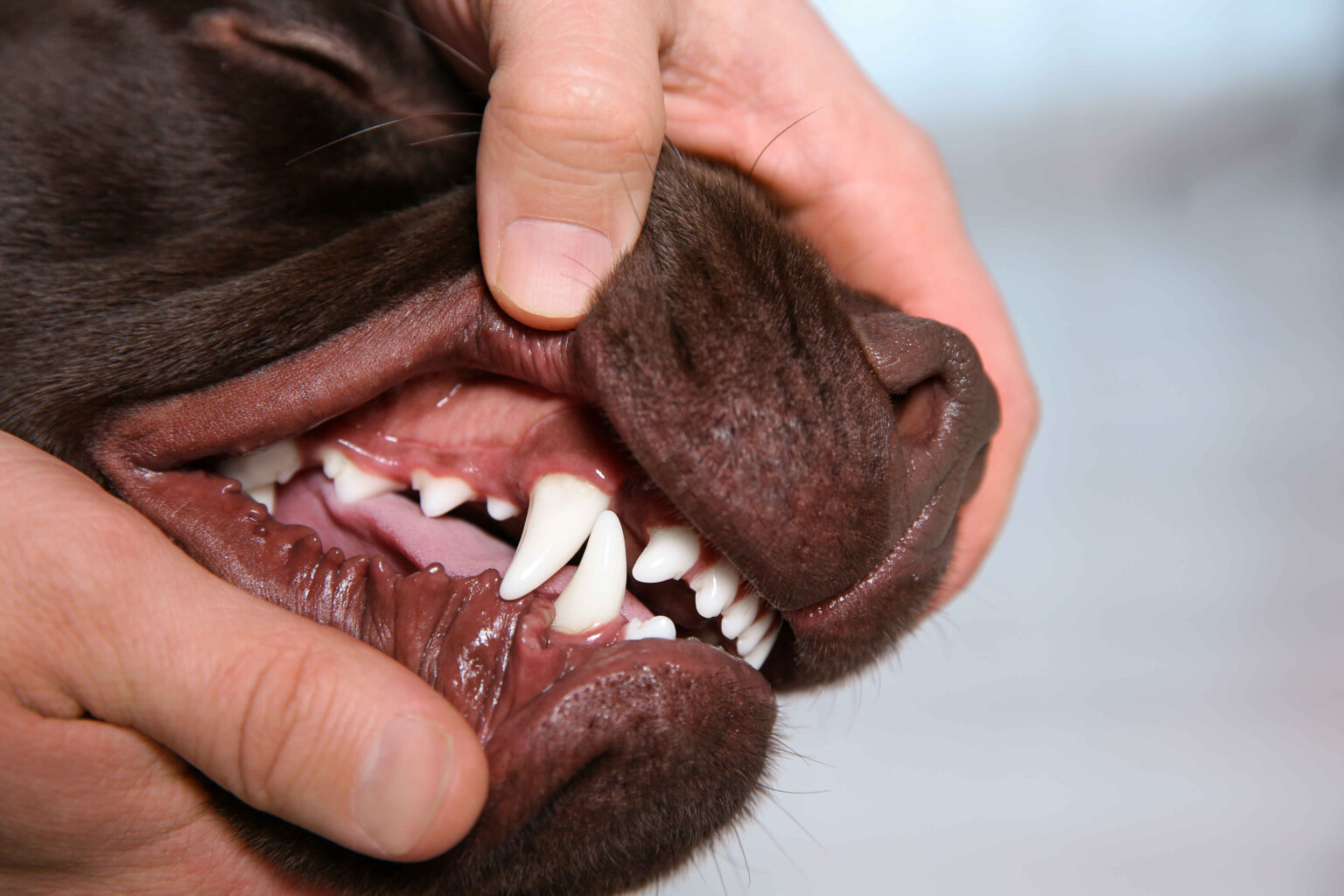
Taking care of your dog’s teeth is an essential part of maintaining their overall health and well-being. Just like humans, dogs are prone to severe dental problems such as plaque buildup, tooth decay, and painful gum disease.
In fact, according to the American Veterinary Medical Association (AVMA), over 80% of dogs show active signs of periodontal disease by the time they are just three years old. If left untreated, bacteria from infected gums can enter the bloodstream and cause irreversible damage to your dog’s heart, liver, and kidneys.
Fortunately, there are many highly effective ways to promote good dental health in your furry friend. In this article, we will discuss five proven methods to take care of your dog’s teeth. By incorporating these daily and annual practices into your dog’s hygiene routine, you can help keep their teeth healthy, white, and pain-free for years to come.
1. Brush Their Teeth Regularly (The Gold Standard)
Brushing your dog’s teeth is universally considered the “gold standard” of veterinary dentistry. It physically scrubs away sticky plaque and prevents the rapid buildup of tartar. This is vital because tartar buildup leads directly to periodontal disease, which causes chronic pain and tooth loss in dogs.
To get started, never use human toothpaste, as ingredients like xylitol and fluoride are toxic to dogs. Purchase a pet-safe enzymatic toothpaste and a soft-bristled canine toothbrush. Allow your dog to sniff and taste the toothpaste to get used to the flavor. Then, gently lift their lips and start brushing their teeth in a circular motion, focusing heavily on the outside surfaces where the tooth meets the gumline. Remember to reach the back molars, where tartar accumulates the fastest.
It may take some time for your dog to get used to having their teeth brushed, so start slowly and be incredibly patient. With time and positive reinforcement, your dog will become more comfortable with the process.
2. Provide Safe Chew Toys
When dogs chew, the mechanical abrasive action helps to scrape away soft plaque from their teeth. Additionally, chewing on toys can help strengthen your dog’s jaw muscles, relieve stress, and prevent destructive boredom.
It is important to choose toys that are safe and appropriate for your dog’s size and specific chewing style. Avoid toys that are too small and could become a choking hazard, as well as toys that are too hard (like real antlers or thick nylon bones), which can easily fracture and break your dog’s teeth.
There are many different types of chew toys available, including durable rubber toys with textured ridges designed specifically to massage the gums. Experiment with different types of toys to find the ones that your dog enjoys the most, but always supervise your dog when they are chewing.
3. Offer VOHC-Approved Dental Chews
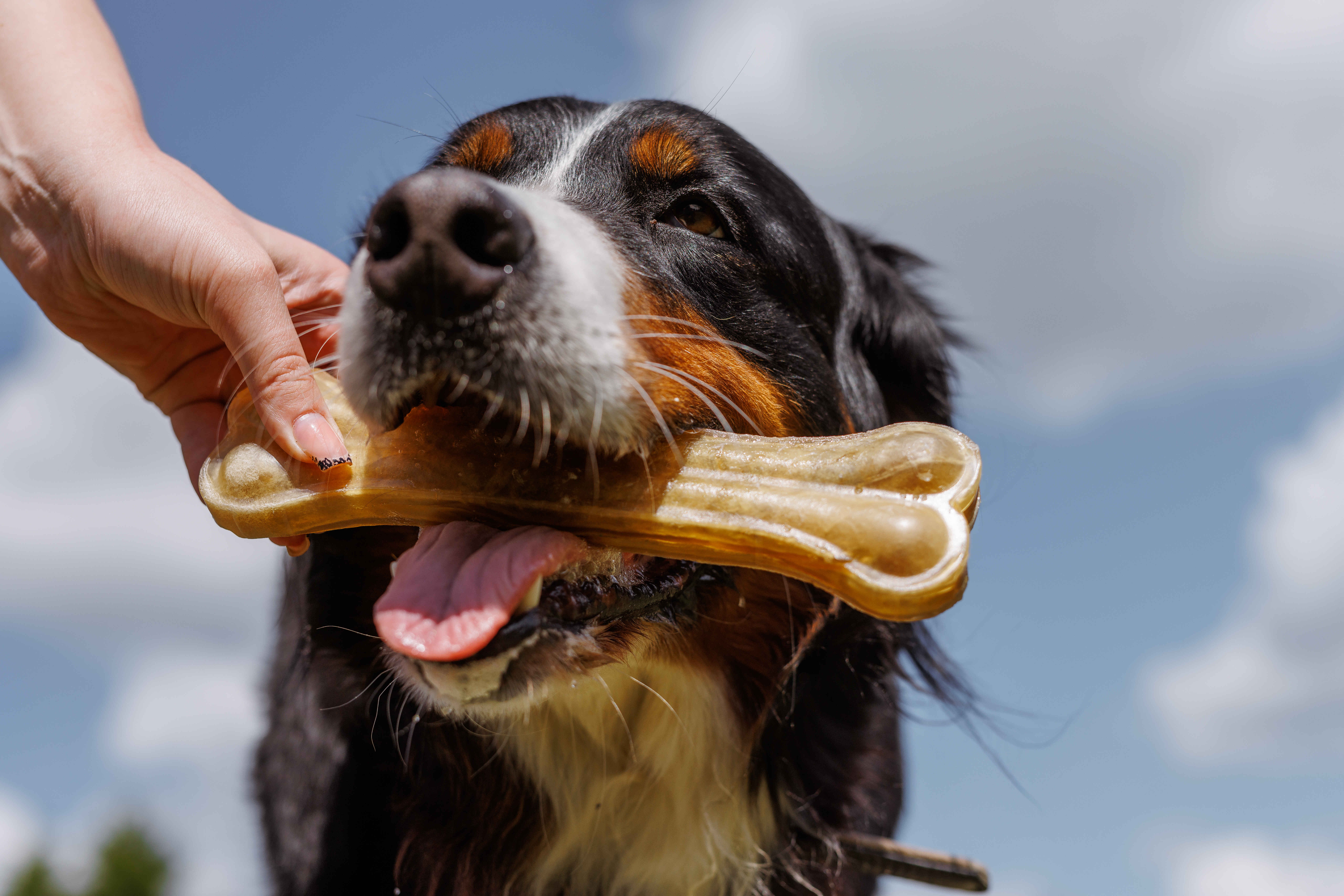
Dental chews work by scraping away plaque and tartar from your dog’s teeth as they gnaw. They are often made from highly digestible ingredients and contain specialized enzymes that help break down the bacteria that cause bad breath and gum disease.
When shopping for dental chews, do not just trust the marketing on the front of the bag. You should specifically look for products that carry the registered seal from the Veterinary Oral Health Council (VOHC). The VOHC only awards its seal to products that have been scientifically proven in clinical trials to effectively retard plaque and tartar accumulation.
It is also important to choose dental chews that are the correct size for your dog’s weight. Chews that are too small can be swallowed whole, causing a dangerous intestinal blockage, while chews that are too hard can damage teeth.
4. Add Dental Supplements and Diets
If your dog absolutely refuses to let you brush their teeth, you can utilize supplements to help control the bacterial load in their mouth.
| Type of Supplement | How It Works |
|---|---|
| Water Additives | These are odorless, tasteless liquids added directly to your dog’s drinking water. They contain safe ingredients like chlorhexidine or zinc to neutralize bacteria and freshen breath. |
| Prescription Dental Diets | Certain dry dog foods are engineered with larger, fibrous kibble that acts like a squeegee on the teeth. As the dog bites down, the kibble scrubs the tooth surface instead of shattering. |
| Probiotics & Powders | Food supplements containing beneficial probiotics or specific seaweeds (like Ascophyllum nodosum) are sprinkled over food to soften existing tartar over time. |
When selecting dental supplements, consult with your veterinarian to ensure they are safe and effective for your dog’s specific health status. Remember, while supplements are helpful, they are not a total substitute for physical brushing.
5. Schedule Regular Professional Dental Cleanings
Even with perfect at-home care, plaque can still find its way under the gumline where your toothbrush cannot reach. According to the American Animal Hospital Association (AAHA) guidelines, dogs require regular professional dental cleanings under general anesthesia.
During a dental cleaning, your veterinarian will perform a thorough examination of your dog’s teeth and gums. They will take dental x-rays to look for hidden issues below the gumline, such as root abscesses or bone loss. Next, your veterinarian will use an ultrasonic scaler to completely remove tartar buildup, followed by polishing the teeth to smooth out micro-abrasions, making it harder for new plaque to attach.
If your dog has severe periodontal disease or a broken tooth, your veterinarian may recommend extractions to relieve their chronic pain. Most veterinarians recommend a professional dental cleaning at least once a year, particularly for small breeds and flat-faced (brachycephalic) dogs who are genetically prone to severe dental crowding.
Keep That Smile Shining
Taking care of your dog’s teeth is crucial to their overall health and well-being, and it requires daily commitment. By incorporating these 5 effective ways into your dog’s dental hygiene routine, you can drastically reduce the risk of systemic infections and painful tooth loss.
Regular brushing, providing safe chew toys, offering VOHC-approved dental chews, adding water additives, and scheduling annual veterinary cleanings are all equally important steps. With proper preventative care, your dog can enjoy healthy teeth, fresh breath, and a happy, pain-free smile for their entire life.
Frequently Asked Questions (FAQ)
How often should I brush my dog’s teeth?
For the best results, you should brush your dog’s teeth daily. Plaque begins to harden into tartar within 48 hours, so brushing at least three times a week is the absolute minimum requirement to effectively prevent periodontal disease.
Are raw bones safe for cleaning my dog’s teeth?
While raw bones can scrape away plaque, most veterinarians strongly advise against them. Hard bones (like marrow bones or weight-bearing cow bones) frequently cause severe dental fractures that require painful, expensive extractions. They also pose a high risk of splintering and causing fatal intestinal blockages.
How do I know if my dog has dental disease?
Dogs are masters at hiding pain and will often continue eating even with a rotting tooth. The most obvious early sign is severe bad breath (halitosis). Other symptoms include red or bleeding gums, yellow/brown crust near the gumline, dropping food from their mouth, excessive drooling, or pawing at their face.