

You carefully measure your dog’s kibble every single morning. Usually, they devour the entire bowl in seconds. Then, the hot summer months arrive, and your dog suddenly starts leaving half their food behind. A few months later, the winter snow falls, and they suddenly act like they are starving all the time. If you are wondering about dog seasonal eating habits, you are certainly not alone.
- How Dog Seasonal Eating Habits Shift During the Summer
- Why Dog Seasonal Eating Habits Cause Increased Winter Hunger
- Breed Differences: How Genetics Affect Dog Seasonal Eating Habits
- How to Adjust Your Dog’s Diet for the Seasons
- When is a Change in Appetite a Medical Concern?
- Conclusion
- Frequently Asked Questions (FAQ)
- Is it normal for a dog to skip meals in the summer?
- Should I feed my dog warm food in the winter?
- How much extra food does an outdoor dog need in the winter?
- Why does my indoor dog eat more in winter if my house is heated?
- References
Many dog parents panic when they notice these sudden shifts at the food bowl. You might rush to the store to buy a different flavor of kibble or even schedule an emergency vet appointment. However, you can often take a deep breath and relax. Understanding dog seasonal eating habits is a completely normal part of pet parenthood. Just like humans crave heavy stews in the winter and light salads in the summer, your dog naturally responds to the changing weather.
A dog’s metabolism, activity level, and biological clock all shift when the seasons change. In this comprehensive guide, we will explore exactly why your dog’s appetite fluctuates throughout the year. We will also show you how to maintain optimal dog nutrition safely and how to spot actual medical problems.
How Dog Seasonal Eating Habits Shift During the Summer

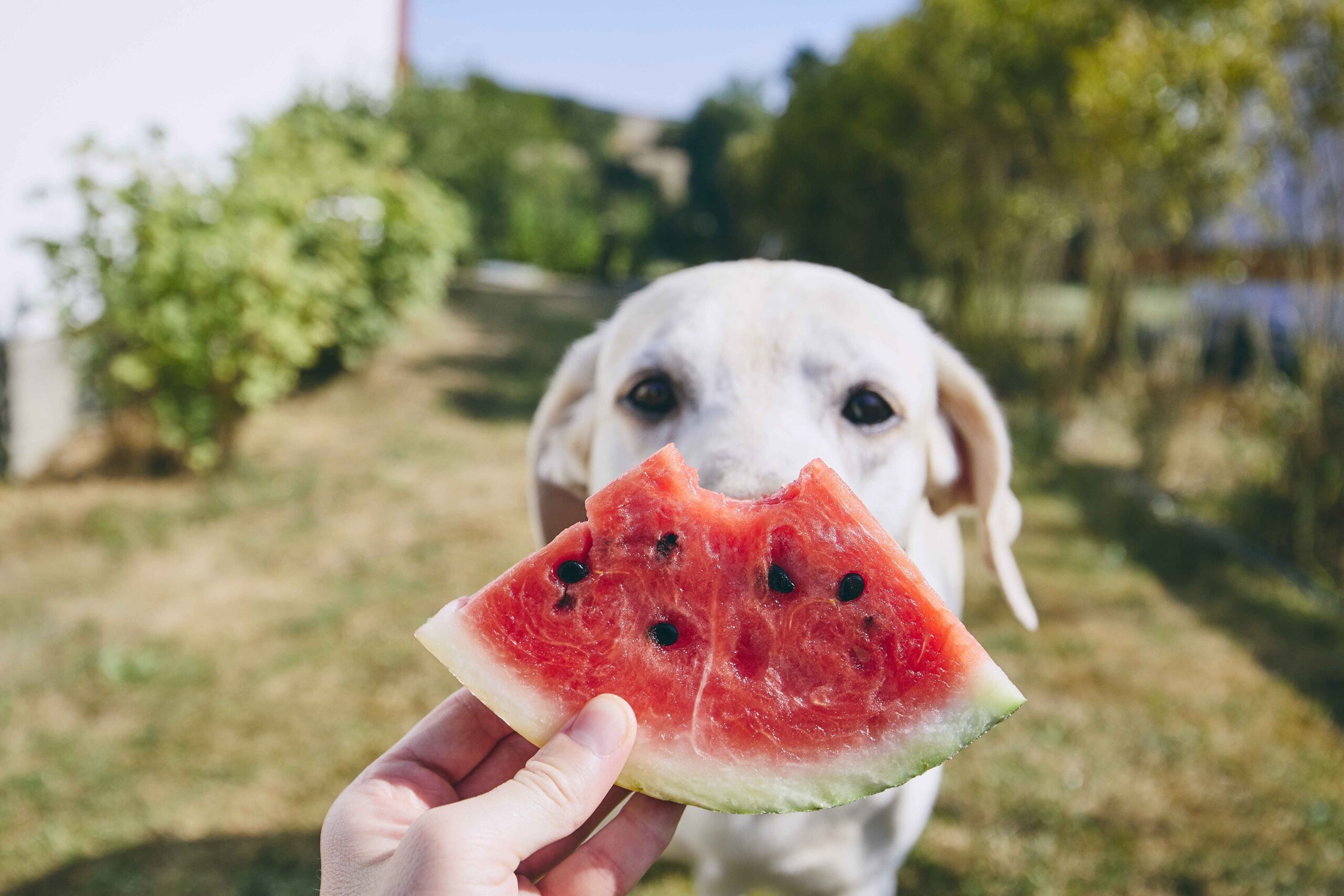
Summer brings long, sunny days and soaring temperatures. During this time, you will likely notice a sharp decrease in your dog’s appetite. This drop in hunger is entirely natural. A few specific biological and behavioral changes cause this summer fasting.
1. Decreased Need for Body Heat
Dogs are warm-blooded mammals. Their bodies burn calories simply to maintain a normal internal body temperature. During the freezing winter, they burn a massive amount of energy just to stay warm. When the summer heat arrives, their bodies no longer need to work hard to generate heat. Because they burn fewer calories regulating their temperature, they simply do not need to consume as much food.
2. Lower Activity Levels
Think about your own energy levels on a 95-degree day. You probably want to sit in the air conditioning and relax. Your dog feels the exact same way. Dogs naturally slow down when the weather gets hot. They spend more time sleeping on cool tile floors and less time running around the backyard. Because they are not burning off energy through intense physical activity, their appetite naturally decreases to match their sedentary lifestyle.
3. Hormonal Shifts from Daylight
The length of the day actually affects your dog’s brain chemistry. Summer brings extended daylight hours. Mammals possess a biological mechanism related to light exposure that alters their metabolism. Research from the American Kennel Club (AKC) notes that mammals naturally shed extra weight during the warmer, longer days of summer as a prehistoric survival mechanism.
Why Dog Seasonal Eating Habits Cause Increased Winter Hunger

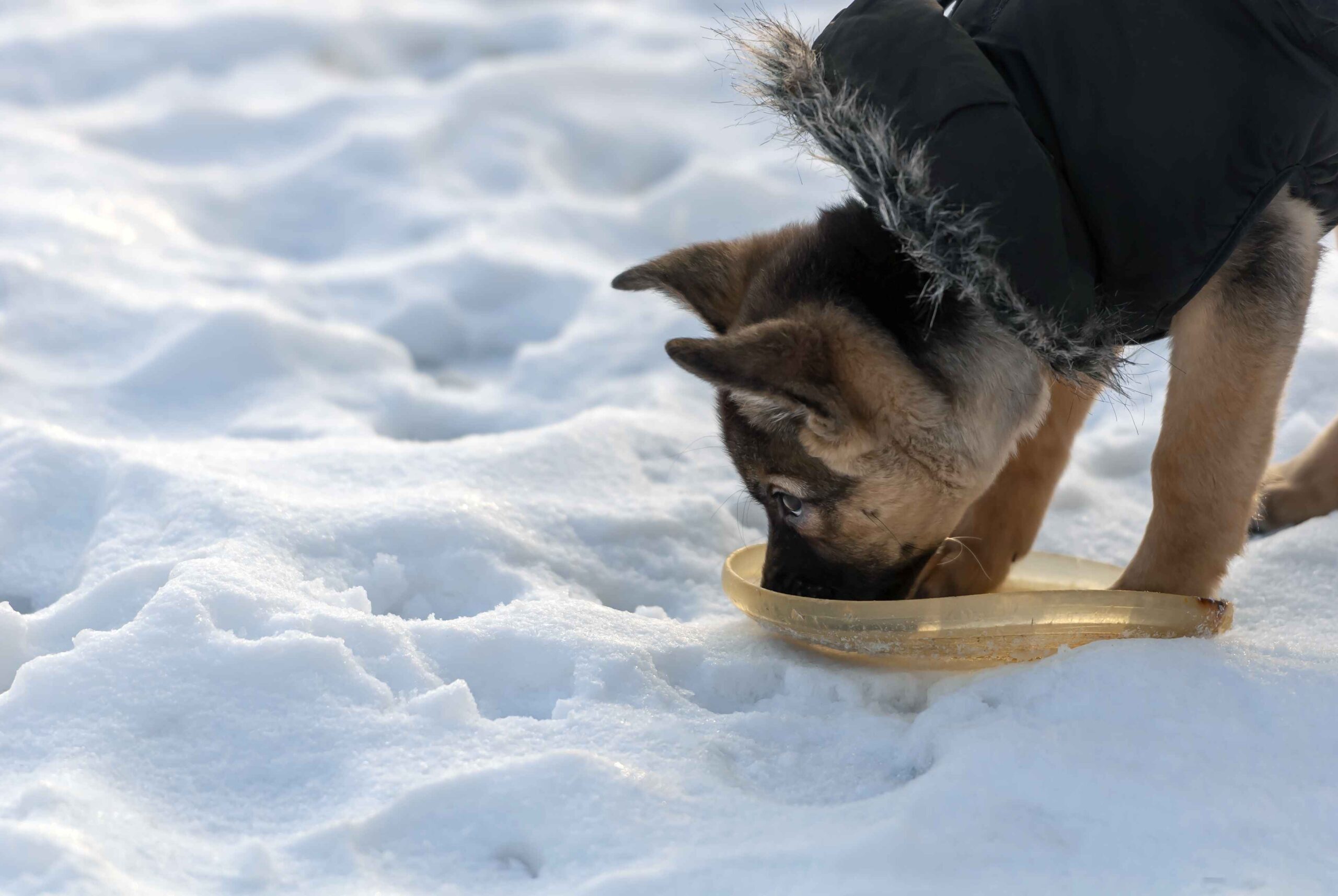
When the leaves fall and the winter chill sets in, your dog might transform into a bottomless pit. They might beg for treats more often or lick their empty bowl clean. Once again, biology drives this sudden spike in hunger.
1. Burning Calories to Stay Warm
As the temperature drops, your dog’s body works in overdrive to maintain a safe internal temperature. Shivering, panting, and simply existing in a cold environment burn a tremendous amount of energy. To fuel this internal furnace, your dog needs more calories. This is especially true for dogs who spend a lot of time playing outdoors in the snow.
2. Building a Winter Coat
Most dogs grow a thick, dense undercoat to protect themselves from the winter weather. Growing all that extra hair requires additional protein and fat. Their bodies signal them to eat more food to support this massive biological task. If your dog is a heavy shedder or a double-coated breed, you will notice this appetite increase even more.
3. The Prehistoric Urge to Bulk Up
Before dogs lived in our cozy, heated homes, they lived in the wild. Wild canines instinctively eat as much as possible during the autumn months to build up a layer of insulating body fat. This fat keeps them warm and provides stored energy for the lean winter months. While your domesticated dog does not need to hunt for kibble, those ancient genetic instincts still tell their brain to bulk up before the snow falls.
Breed Differences: How Genetics Affect Dog Seasonal Eating Habits
When evaluating dog seasonal eating habits, you must remember that every dog is unique. A dog’s breed plays a massive role in how they react to the changing seasons.
Northern Breeds and Winter Weather
Breeds like Siberian Huskies, Alaskan Malamutes, and Samoyeds thrive in the cold. They have thick double coats designed for freezing temperatures. These dogs might actually become more active and energetic during the winter. Because their activity level spikes in the snow, they will require significantly more food to keep up with their energy output.
Short-Haired and Toy Breeds
Consider breeds like Greyhounds, Chihuahuas, and French Bulldogs. These dogs have very short hair and little body fat, meaning they get cold very quickly. While they might need a few extra calories to stay warm, they will likely refuse to spend much time outside. If your short-haired dog spends the entire winter sleeping under a warm blanket, they are not burning extra calories. Feeding them more food will only lead to dangerous weight gain.
How to Adjust Your Dog’s Diet for the Seasons
Adjusting to dog seasonal eating habits requires making calculated, healthy changes. You should not just blindly pour more or less food into their bowl.
Monitor Their Body Condition Score
Do not rely solely on the feeding chart printed on your dog food bag. To protect overall dog health, learn how to check your dog’s Body Condition Score (BCS). You should be able to easily feel your dog’s ribs under their fur without pressing hard. When you look at them from above, they should have a visible waistline. If you cannot feel their ribs, they are gaining too much winter weight. If their ribs are sharply poking out, they need more food.
Make Small, Gradual Changes
If your dog needs more food in the winter, do not double their portion size overnight. Sudden diet changes upset a dog’s delicate digestive tract. Increase their daily food allowance by a maximum of 10% to start. Monitor their weight for two weeks, and add another small increment if they still seem hungry.
Focus on Summer Hydration
During the summer, you should worry more about water than solid food. Dogs lose moisture quickly through panting. This is an especially critical part of senior dog care, as older dogs can dehydrate rapidly. Always provide multiple bowls of fresh, cool water. If your dog refuses to eat dry kibble in the heat, try adding a splash of cool, low-sodium chicken broth to their bowl.
When is a Change in Appetite a Medical Concern?
While shifting appetites are normal, a sudden loss of hunger can also signal a serious medical problem. You must learn how to tell the difference between a harmless summer fast and a dangerous illness.
If your dog eats a little less in July but still wants to play and drink water, they are likely just reacting to the heat. However, if their loss of appetite comes with other symptoms, call your vet immediately. Look out for warning signs like severe vomiting, chronic diarrhea, extreme lethargy, excessive drooling, or a tight, painful stomach. Dental disease or intestinal parasites are common medical causes for sudden appetite loss that require professional treatment.
Conclusion
Navigating dog seasonal eating habits takes a sharp eye and a lot of patience. Remember that your dog is a biological creature directly connected to the natural world. It is completely normal for them to eat lighter meals during the sweltering summer and crave heavier portions during the freezing winter. By monitoring their weight closely, making gradual food adjustments, and keeping them hydrated, you can ensure they stay in peak physical condition all year round.
Frequently Asked Questions (FAQ)
Is it normal for a dog to skip meals in the summer?
Yes. Heat makes dogs lethargic, meaning they burn fewer calories. As long as your dog is drinking plenty of water, acting normal, and eventually eating small amounts in the cooler evening hours, skipping a daytime meal is usually no cause for panic.
Should I feed my dog warm food in the winter?
Warming up your dog’s food can be a wonderful winter treat! Adding a splash of warm (not boiling) chicken broth to dry kibble releases delicious aromas, making the food highly appetizing and comforting after they play in the snow.
How much extra food does an outdoor dog need in the winter?
Dogs who play or work outside in freezing temperatures burn a massive amount of calories to maintain body heat. Highly active dogs may require 20% to 30% more food during winter. Always consult your vet to determine the exact caloric increase needed.
Why does my indoor dog eat more in winter if my house is heated?
Even in a heated house, your dog senses the changing seasons. Shorter days and less sunlight trigger ancient biological responses, telling their body to build a thicker coat and store fat to prepare for winter.
References
- American Kennel Club (AKC). How Weather Affects Your Dog’s Appetite. AKC.org
- VCA Animal Hospitals. Feeding Your Dog in Winter. VCAHospitals.com