

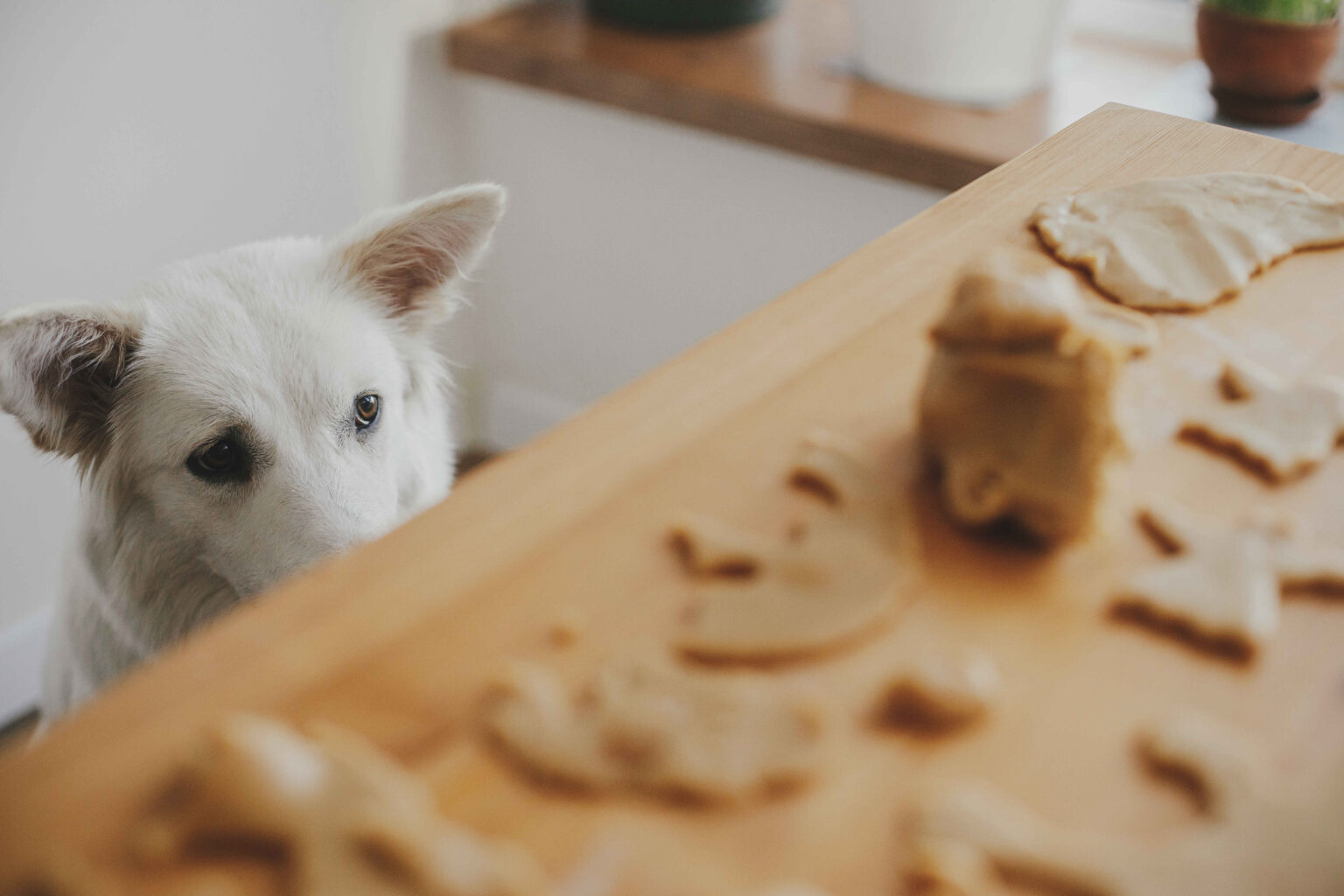
If you consider your dog a true member of the family, you likely care deeply about what goes into their bowl. In recent years, making easy homemade dog treats has moved from a niche hobby to a staple of holistic pet care. While commercial options are convenient, reading their ingredient labels can sometimes feel like deciphering a chemistry textbook.
- Why Choose Homemade Dog Treats?
- 1. Uncompromising Ingredient Quality
- 2. Tailored to Specific Dietary Needs
- 3. Long-Term Cost-Effectiveness
- 4. Strengthening the Canine Bond
- Essential Dog-Safe Ingredients to Keep on Hand
- Essential Kitchen Tools
- 5 Easy Homemade Dog Treats You Can Make Today
- 1. Classic Peanut Butter & Oat Biscuits
- 2. Soothing Pumpkin & Yogurt Pupsicles
- 3. Chewy Sweet Potato Jerky
- 4. Blueberry & Apple Training Drops
- 5. Grain-Free Turkey & Carrot Meatballs
- Customizing Your Dog Treat Recipes
- How to Properly Store Homemade Dog Treats
- Frequently Asked Questions (FAQ)
- References & Further Reading
Making dog treats from scratch gives you complete control over the nutritional value, ensuring your pup receives the best possible care without mystery additives. Whether you have an active working dog, a senior couch potato, or a pup with a sensitive stomach, this guide provides the healthy dog treat recipes and tips you need to become your dog’s favorite chef.
Why Choose Homemade Dog Treats?
The shift toward DIY pet food is driven by a desire for better nutrition and transparency. Here are the core benefits of firing up the oven for your dog:
1. Uncompromising Ingredient Quality
When preparing easy homemade dog treats, you select fresh, human-grade components. You can confidently ensure your dog consumes snacks entirely free from the artificial preservatives (like BHA and BHT), synthetic dyes, and cheap fillers often found in heavily processed commercial products.
2. Tailored to Specific Dietary Needs
Just like humans, dogs suffer from allergies and sensitive stomachs. Common commercial ingredients like wheat, soy, or specific animal proteins can trigger issues. Making your own dog treats gives you the ultimate power to customize, allowing you to effortlessly swap out allergens for dog-safe ingredients.
3. Long-Term Cost-Effectiveness
Buying high-quality, whole-food ingredients is surprisingly budget-friendly over time. Premium commercial dog treats carry a hefty price tag. DIY recipes yield larger quantities, allowing you to prepare and freeze snacks in bulk, drastically reducing the per-treat cost.
4. Strengthening the Canine Bond
Dogs thrive on shared experiences. The smells filling the kitchen will grab your dog’s attention, and spending time preparing something specifically for them strengthens your bond. Witnessing their excitement over a fresh biscuit adds pure joy to your day.
Essential Dog-Safe Ingredients to Keep on Hand
When making delicious and nutritious dog treats, selecting the right base is paramount. Utilizing whole, dog-safe ingredients promotes well-being and makes the treats highly motivating.
Oats
Whole rolled oats are a fantastic base for dog biscuits. They are naturally gluten-free, highly digestible, and packed with soluble fiber to support healthy digestion.
Pureed Pumpkin
Pumpkin is a canine superfood. It is nutrient-dense and acts as a fantastic digestive aid. Note: Always use 100% pure pumpkin puree, never pumpkin pie filling, which contains dangerous spices and sugars. You can read more about the benefits of pumpkin for dogs on the American Kennel Club website.
Peanut Butter
Peanut butter provides protein and healthy fats. Crucial Warning: Read the label carefully. Many commercial brands use an artificial sweetener called xylitol (or “birch sugar”), which is highly toxic to dogs. Choose natural, unsweetened peanut butter containing only peanuts.
Bone Broth
A splash of broth adds moisture and rich flavor while providing collagen for joint health. Always use low-sodium, dog-specific broth strictly free of onions and garlic.
Fresh Fruits and Vegetables
Apples (core and seeds removed), blueberries, carrots, and sweet potatoes make excellent additions, providing natural sweetness, crunch, and antioxidants.
Safe vs. Unsafe Foods for Dogs
| Dog-Safe Ingredients | Toxic Ingredients (DO NOT USE) |
|---|---|
| Carrots, Green Beans, Sweet Potatoes | Onions, Garlic, Leeks, Chives |
| Apples (no seeds), Blueberries, Bananas | Grapes, Raisins, Macadamia Nuts |
| Plain Greek Yogurt, Kefir | Chocolate, Cocoa Powder, Caffeine |
| Lean Chicken, Turkey, Beef, Salmon | Xylitol / Birch Sugar (Artificial Sweetener) |
| Rolled Oats, Brown Rice, Quinoa | Nutmeg, Excessive Salt, Yeast Dough |
Essential Kitchen Tools
Creating healthy dog treat recipes does not require a commercial kitchen. A few specific tools make the process smooth:
- Mixing Bowls: Stainless steel or glass bowls do not retain odors and are perfect for mixing thick doughs.
- Measuring Cups/Spoons: Accurate measurement ensures your dog treats bind properly and bake evenly.
- Silicone Baking Mats: Lining sheets with reusable mats or parchment paper prevents sticking without added oils.
- Cookie Cutters: Bone or paw-shaped cutters make the process fun and help control portion size.
- Food Processor: Essential for grinding oats into flour or pureeing meats and veggies.
5 Easy Homemade Dog Treats You Can Make Today
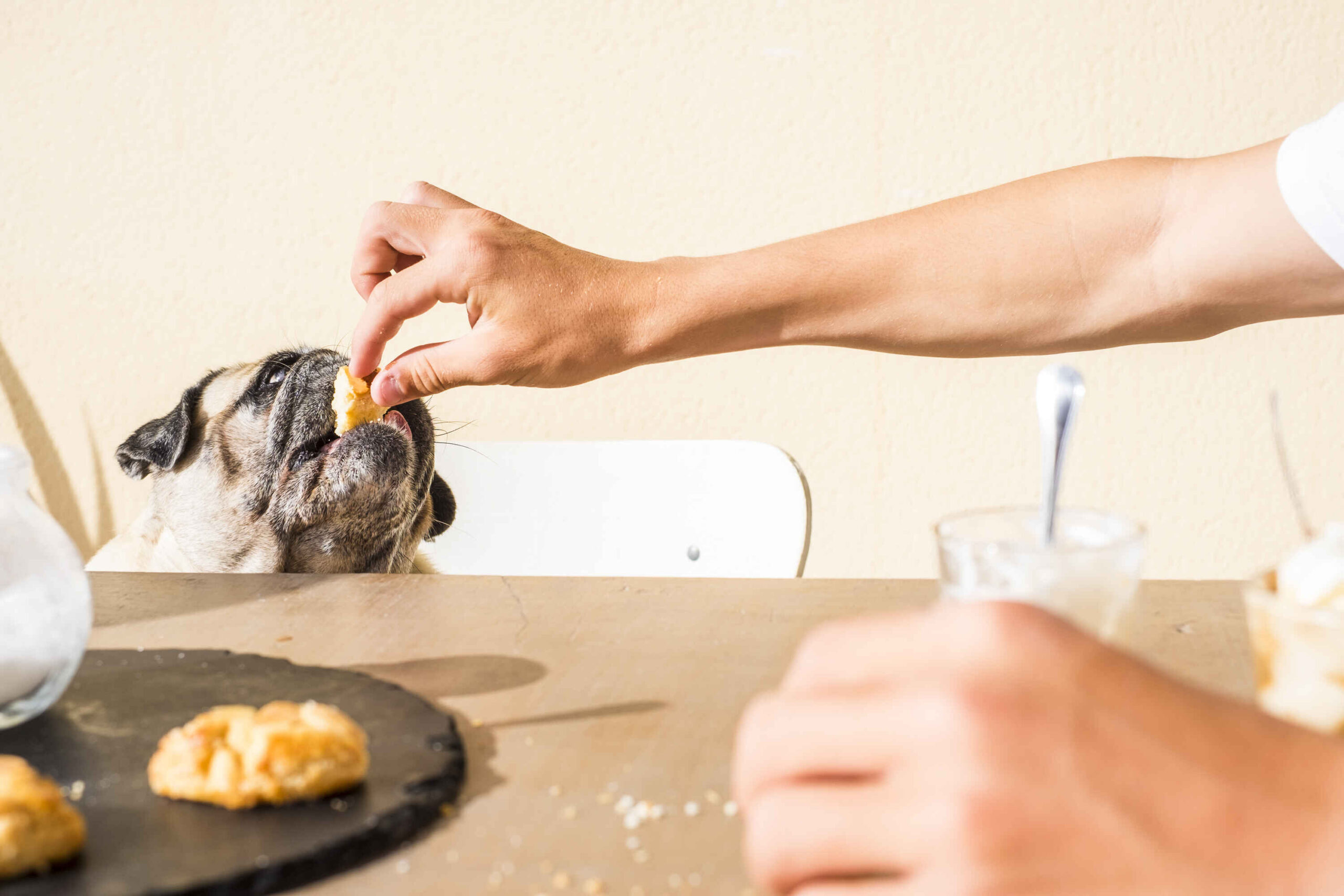
Here are five highly requested, healthy dog treat recipes ranging from crunchy baked biscuits to cooling summer snacks.
1. Classic Peanut Butter & Oat Biscuits
This quintessential dog treat yields a satisfying crunch that helps clean teeth.
Ingredients:
- 2 cups whole wheat flour (or oat flour for gluten-sensitive dogs)
- 1 cup rolled oats
- 1/2 cup natural, xylitol-free peanut butter
- 1 cup hot water
- 1 egg
Instructions:
- Preheat oven to 350°F (175°C) and line a baking sheet with parchment paper.
- In a large bowl, mix the flour and oats.
- In a separate bowl, whisk hot water and peanut butter until smooth.
- Pour the wet mixture and egg into the dry ingredients. Mix until a thick dough forms.
- Knead on a floured surface, roll to 1/4-inch thickness, and cut out shapes.
- Bake for 20-25 minutes until golden brown. Leave in the cooling oven for an extra crunch.
2. Soothing Pumpkin & Yogurt Pupsicles
Perfect for hot days, these frozen dog treats provide hydration and probiotics.
Ingredients:
- 1 cup plain, unsweetened Greek yogurt
- 1 cup 100% pure pumpkin puree
- 1/4 cup dog-safe bone broth
Instructions:
- Combine yogurt, pumpkin, and broth in a blender until smooth.
- Pour into silicone ice cube trays or fun molds.
- Freeze for at least 4 hours until solid. Serve immediately!
3. Chewy Sweet Potato Jerky
A single-ingredient alternative to expensive store-bought jerkies.
Ingredients:
- 2 large sweet potatoes
Instructions:
- Preheat oven to 250°F (120°C). Line two baking sheets with parchment paper.
- Wash sweet potatoes (do not peel) and slice lengthwise into 1/4-inch thick strips.
- Place strips on the baking sheets without overlapping.
- Bake for 2.5 to 3 hours, flipping halfway through, until shriveled and chewy. Let cool completely.
4. Blueberry & Apple Training Drops
These tiny, low-calorie dog treats are perfect for long training sessions.
Ingredients:
- 1/2 cup fresh or frozen blueberries
- 1/2 cup unsweetened applesauce
- 1 cup oat flour
Instructions:
- Preheat oven to 350°F (175°C).
- Puree blueberries and applesauce in a food processor.
- Transfer to a bowl and stir in oat flour until a dough forms.
- Roll pea-sized amounts of dough into balls and place on a lined baking sheet.
- Bake for 12-15 minutes until firm.
5. Grain-Free Turkey & Carrot Meatballs
For dogs on a strict grain-free diet, these savory meatballs are a guaranteed hit.
Ingredients:
- 1 lb ground lean turkey
- 1/2 cup grated carrots
- 1/4 cup fresh parsley, finely chopped
- 1 egg
Instructions:
- Preheat oven to 375°F (190°C). Line a baking sheet with parchment paper.
- Combine turkey, carrots, parsley, and egg in a bowl. Mix thoroughly.
- Roll into bite-sized meatballs and place on the baking sheet.
- Bake for 15-20 minutes until cooked through (165°F/74°C internal temp).
- Cool completely and store in the refrigerator!
Customizing Your Dog Treat Recipes
Customizing recipes is essential if your dog has specific constraints:
Allergies: If your dog suffers from a wheat allergy, substitute with dog-safe ingredients like rice flour, chickpea flour, or coconut flour. For protein allergies, opt for novel proteins like turkey or duck in your savory dog treats.
Weight Management: Treats should not exceed 10% of your dog’s daily caloric intake. For overweight dogs, use low-calorie bases like mashed green beans or zucchini, avoid extra fats, and slice treats into tiny pieces.
Senior Dogs: Older dogs may find crunchy biscuits painful to chew. Focus on soft-baked treats or pupsicles, and consider mixing in vet-approved liquid joint supplements after the cooking process.
How to Properly Store Homemade Dog Treats
Because easy homemade dog treats lack chemical preservatives, proper storage prevents spoilage:
- Dry Biscuits: Fully dried treats can be stored in an airtight container in a cool, dark pantry for up to two weeks.
- Soft/Meat-Based Treats: Treat recipes containing meat, high moisture, or fresh veggies must be refrigerated in an airtight container, lasting up to a week.
- Freezing: The best way to manage bulk baking. Almost all dog treats freeze beautifully in heavy-duty bags for up to three months.
Frequently Asked Questions (FAQ)
1. Can I use regular all-purpose flour for dog treats?
Yes, it is generally safe unless they have a wheat allergy. However, whole wheat or oat flour is preferred in healthy dog treat recipes because they retain more natural nutrients and fiber.
2. Is baking powder safe for dogs?
In the very small amounts used in standard baking, it is safe. Never let your dog consume these powders raw, as they cause severe stomach upset.
3. My dog loved the treat, but now has diarrhea. What happened?
Introducing any new food too quickly can upset their stomach. Always introduce new dog treats in small quantities. If symptoms persist for 24 hours, consult your vet.
4. Can I use essential oils to flavor the treats?
No. Avoid essential oils entirely, as many are highly toxic to dogs. Stick to dog-safe ingredients like fresh parsley, mint, or a dash of cinnamon.
References & Further Reading
For more detailed information regarding canine nutrition and safe food handling, consult these trusted resources:
- American Kennel Club (AKC): Human Foods Dogs Can and Can’t Eat – akc.org/expert-advice/nutrition/human-foods-dogs-can-and-cant-eat/
- ASPCA Animal Poison Control Center: Toxic and Non-Toxic Plants and Foods List – aspca.org/pet-care/animal-poison-control
- VCA Animal Hospitals: Nutrition – General Feeding Guidelines for Dogs – vcahospitals.com/know-your-pet/nutrition-general-feeding-guidelines-for-dogs
- Tufts University: Clinical Nutrition Service (Petfoodology Blog) – vetnutrition.tufts.edu/petfoodology/