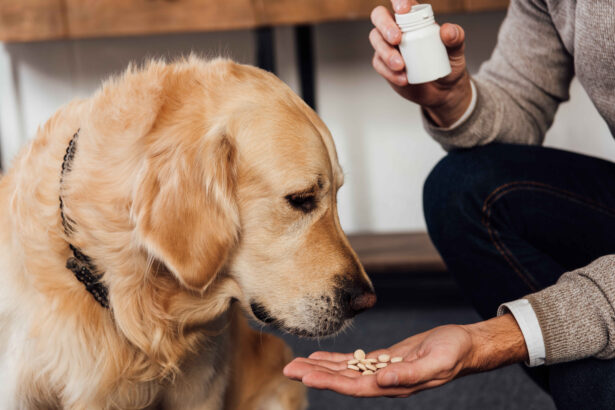

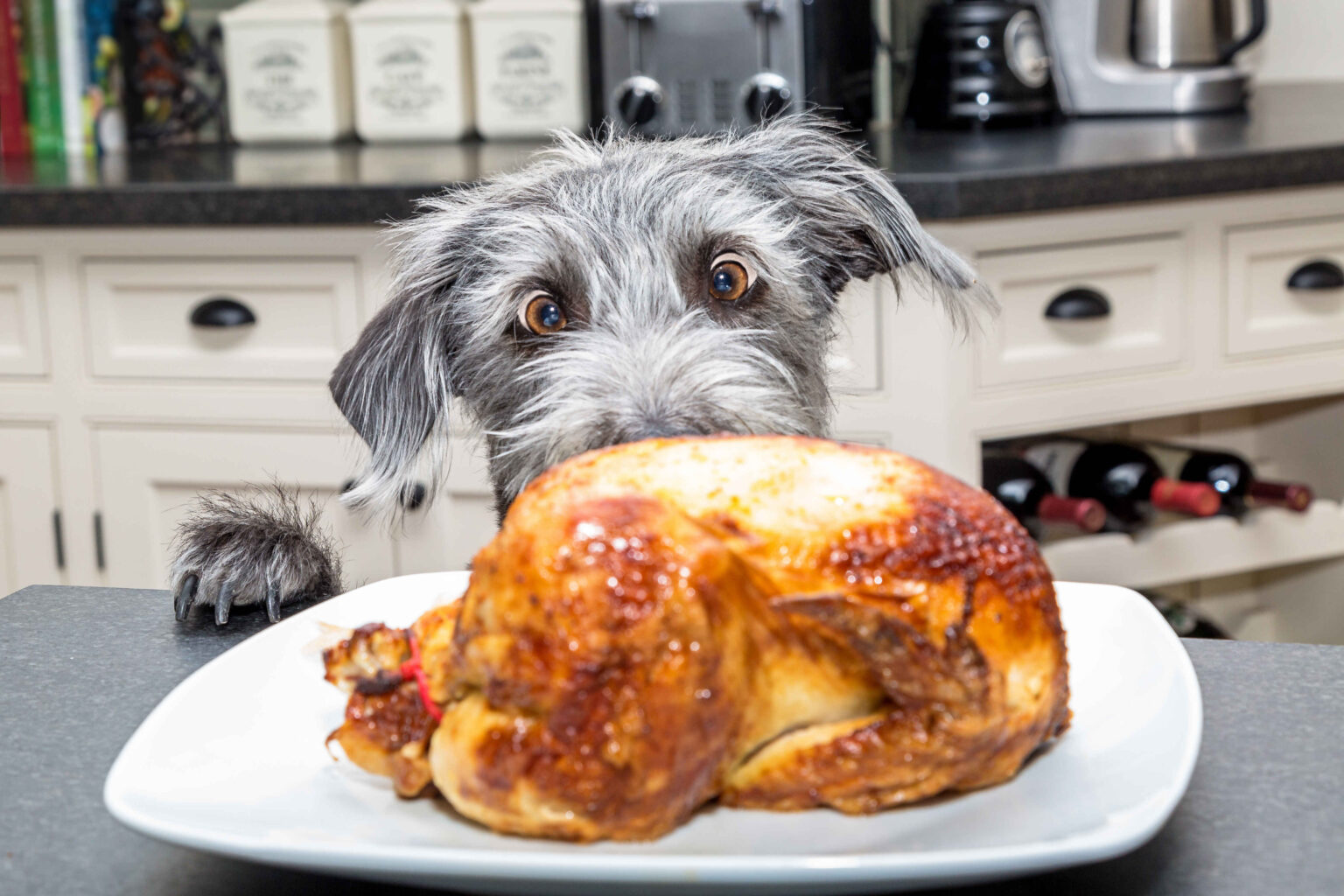
If you are a dog owner, you know the drill: you sit down to enjoy a meal, and suddenly, you feel a pair of soulful, pleading eyes staring up at you. It is incredibly tempting to share a bite of your dinner with your furry best friend. However, before you toss that scrap under the table, it is crucial to pause and ask, “Is this safe for my dog?”
- Understanding Canine Dietary Needs
- Can Dogs Eat Ham? Insights and Considerations
- Is Turkey Safe for Dogs? Pros and Cons
- Shrimp and Dogs: Should You Serve It?
- Strawberries for Dogs: A Sweet Treat Worth Considering
- The “Never Feed” List: Highly Toxic Foods for Dogs
- Dog Food Safety: Dos and Don’ts
- Consulting Your Veterinarian: The Best Approach
- Frequently Asked Questions (FAQ)
- References
While sharing human food can be a fun way to bond and provide high-value treats, not all human foods are safe for canines. In fact, some can be severely harmful or even toxic. Dog nutrition is essential for your pup’s overall health, energy levels, and longevity.
In this comprehensive guide, we are answering the most trending questions about what foods are safe for dogs. We will dive deep into canine dietary needs, break down popular human foods, and provide a strict list of dos and don’ts to keep your dog thriving.
Understanding Canine Dietary Needs
To understand why certain human foods are safe or unsafe, we first need to understand the biological dietary requirements of dogs. Ensuring your dog’s overall health and longevity starts with a balanced diet rich in essential nutrients.
Contrary to popular belief, dogs are not strict obligate carnivores like cats; they are adaptable omnivores. This means their bodies are designed to extract nutrients from both plant and animal sources. A complete and balanced canine diet consists of proteins, fats, carbohydrates, vitamins, and minerals.
- Proteins: Proteins are the building blocks of your dog’s body. They are crucial for the development and maintenance of muscle mass, as well as for the synthesis of vital hormones and enzymes. Dog food rich in high-quality protein sources, such as beef, chicken, fish, and turkey, supports strong tissue development and immune function. The dietary protein requirement varies based on your dog’s age, breed, and activity level.
- Fats: Fats are a concentrated source of energy and are vital for the absorption of fat-soluble vitamins (A, D, E, and K). Essential fatty acids, such as Omega-3 and Omega-6 found in fish oil and flaxseed, promote healthy skin and a shiny coat. However, excessive fat intake can lead to obesity and severe conditions like pancreatitis, which is why moderation is key.
- Carbohydrates: While dogs do not strictly need high amounts of carbohydrates, complex carbs from sources like sweet potatoes, whole oats, and brown rice provide a readily available source of energy. They also contribute dietary fiber, which is absolutely crucial for healthy digestion and firm stools.
- Vitamins and Minerals: These micronutrients are vital in small amounts to support bodily functions, from bone growth (calcium and phosphorus) to blood clotting and brain health.
When determining the best diet for your dog, always consider their life stage (puppy, adult, or senior), breed size, and any existing health conditions to ensure they receive tailored nutrition.
Can Dogs Eat Ham? Insights and Considerations
The Short Answer: It is not recommended.

Feeding ham to dogs is a highly debated topic among pet owners. While ham is a popular and delicious protein for humans, it is generally unsuitable for canine consumption for several critical reasons.
One of the primary concerns is the astronomically high sodium content typically found in store-bought, cured hams. Excessive sodium intake can lead to a condition called sodium ion poisoning in dogs. Early signs include increased thirst and urination, which can quickly escalate to vomiting, diarrhea, tremors, and seizures.
Furthermore, ham is an incredibly fatty meat. Dogs have a much lower tolerance for high-fat foods than humans do. Consuming a large amount of fat in a single sitting can trigger pancreatitis, a painful and potentially life-threatening inflammation of the pancreas.
If you bought a bone-in ham, keep it far away from your dog. Ham bones pose significant risks, as they can splinter upon chewing, leading to internal injuries, choking, or severe blockages in the digestive tract, warns Petco. Additionally, ham often contains nitrates—preservatives that may be toxic to dogs, according to the Merck Veterinary Manual.
If you absolutely must give your dog a taste, a tiny piece of unseasoned, thoroughly cooked, lean ham can be safe as a rare treat. However, there are far better, safer protein options available for your dog.
Is Turkey Safe for Dogs? Pros and Cons
The Short Answer: Yes, plain and unseasoned turkey is excellent for dogs.
When considering the inclusion of turkey in a dog’s diet, the benefits heavily outweigh the risks—provided it is prepared correctly. Turkey is renowned for being an excellent source of lean protein, which is essential for maintaining strong muscles. It is also highly digestible, making it a great option for dogs with sensitive stomachs.
Turkey is rich in essential vitamins, such as Vitamin B6 and niacin, which support a healthy metabolism and promote vibrant skin and coat. Furthermore, it contains essential minerals like phosphorus and selenium, contributing to strong bone health and robust immune function.
Despite these benefits, there are vital precautions. The most significant danger comes during the holidays. Thanksgiving turkey is often slathered in butter, oils, garlic, and onions—ingredients that are toxic and dangerous for dogs. Furthermore, the presence of cooked turkey bones is a massive hazard. Cooked bird bones become brittle and can easily splinter, puncturing a dog’s stomach or intestines.
To safely feed your dog turkey, stick to plain, boiled, or baked white meat with the skin and fat removed.
Shrimp and Dogs: Should You Serve It?
The Short Answer: Yes, if it is fully cooked and peeled.
Shrimp can be a delightful and healthy addition to a dog’s diet when served appropriately. This shellfish is low in calories, fat, and carbohydrates, yet incredibly high in protein, making it an excellent high-value training treat for dogs that need to maintain a healthy weight. Shrimp is also packed with Vitamin B12, phosphorus, and antioxidants, which support joint health and a healthy circulatory system.
However, there are rules to follow. One important consideration is allergies. While rare, some dogs may be allergic to shellfish. Symptoms of a shellfish allergy may include facial swelling, vomiting, diarrhea, or severe itching.
Preparation is absolutely crucial. Never serve raw shrimp to your dog, as it may harbor harmful pathogens like salmonella, listeria, or parasites that can lead to severe illness. It is advisable to cook the shrimp thoroughly by boiling or steaming it without adding any salt, garlic, butter, or oil. After cooking, you must remove the entire shell, the tail, and the digestive vein to prevent choking hazards and intestinal blockages.
Strawberries for Dogs: A Sweet Treat Worth Considering
The Short Answer: Yes, strawberries are a fantastic, healthy treat.
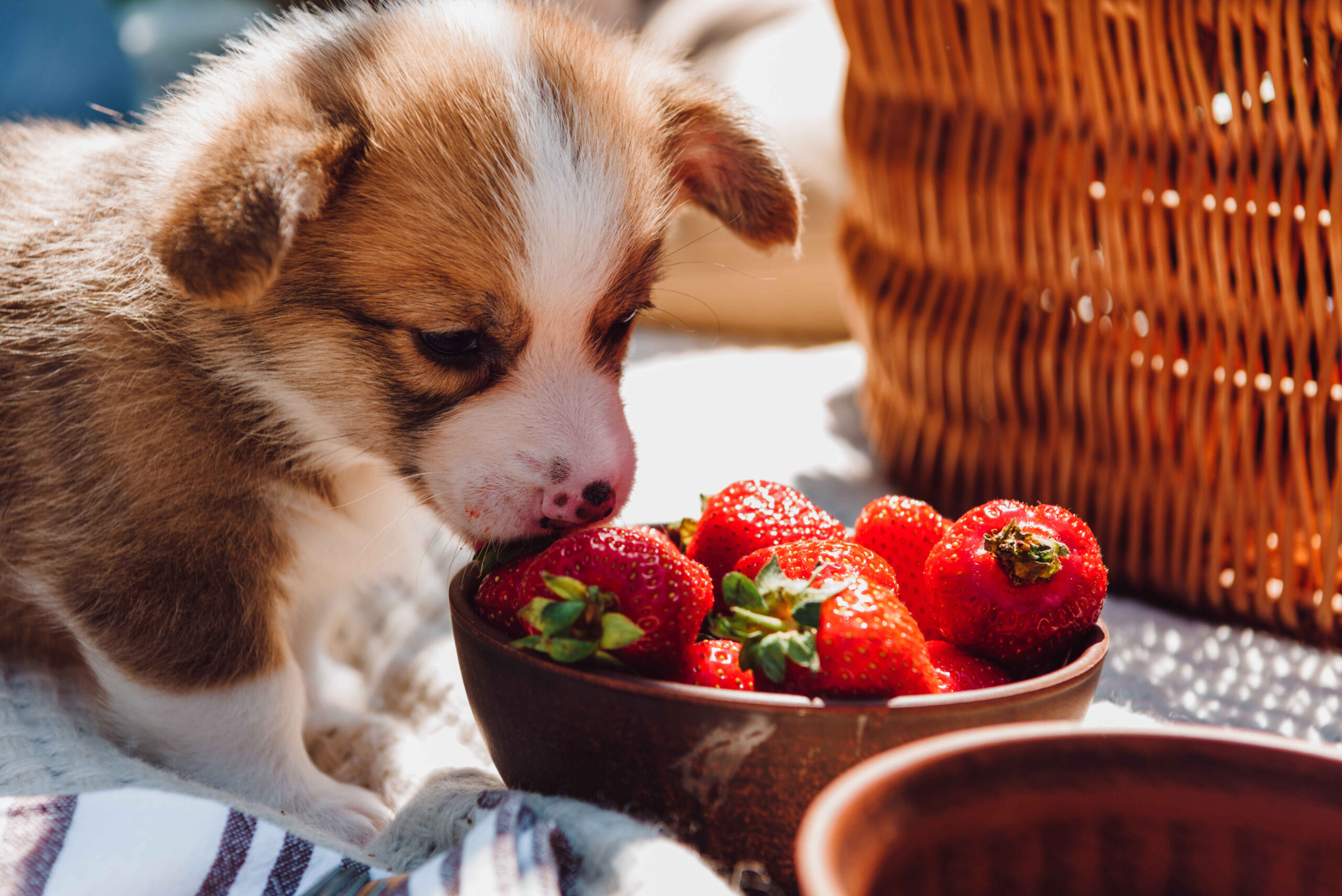
Strawberries are not only delicious for humans, but they also make a fantastic, health-boosting snack for dogs. Rich in essential vitamins and minerals, strawberries provide a variety of benefits for our canine companions.
They are loaded with antioxidants and Vitamin C, which can aid in boosting the immune system and reducing inflammation. Surprisingly, strawberries also contain a natural enzyme called malic acid, which can actually help whiten your dog’s teeth as they chew! Additionally, the high water and fiber content in strawberries can contribute to healthy digestion.
According to Vet Explains Pets, when integrating strawberries into a dog’s diet, several precautions are necessary. Firstly, always wash the fruit thoroughly to remove pesticides. You must also remove the green leafy tops and cut the strawberries into small, manageable pieces to prevent choking, especially for smaller breeds like Pugs or Chihuahuas.
Because strawberries contain natural sugars, they should be fed in moderation. Too much sugar, even natural fruit sugar, can lead to weight gain and gastrointestinal upset.
The “Never Feed” List: Highly Toxic Foods for Dogs
While it is fun to explore what our dogs can eat, it is even more critical to know what they absolutely cannot eat. As a responsible dog owner, you must keep the following trending human foods completely out of your dog’s reach.
-
Grapes and Raisins:
These are among the most toxic foods for dogs. Even a single grape or raisin can cause rapid and acute kidney failure in certain dogs. The exact toxic substance within the grape is still unknown, but the consequences are severe. If your dog ingests a grape, contact your emergency vet immediately.
-
Chocolate:
Chocolate contains a chemical compound called theobromine, which dogs cannot metabolize effectively. Dark chocolate and baking cocoa are the most dangerous. Symptoms of chocolate toxicity include vomiting, extreme restlessness, elevated heart rate, tremors, and in severe cases, seizures or death.
-
Onions, Garlic, and Leeks:
These members of the allium family contain thiosulfate, a substance that damages canine red blood cells, leading to a life-threatening condition called hemolytic anemia. This applies to powdered, cooked, and raw forms.
-
Xylitol (Birch Sugar):
Often found in sugar-free gums, certain peanut butters, baked goods, and even toothpaste, xylitol is incredibly deadly to dogs. It causes a massive release of insulin, leading to profound hypoglycemia (low blood sugar), liver failure, and death within hours. Always check your peanut butter labels before stuffing a Kong!
-
Macadamia Nuts:
These nuts are uniquely toxic to dogs, causing weakness (particularly in the hind legs), depression, vomiting, tremors, and hyperthermia.
Dog Food Safety: Dos and Don’ts
Ensuring the safety of your dog’s diet requires consistency and common sense. When introducing new human foods into your dog’s daily routine, adhering to specific dos and don’ts will keep your pup safe and healthy.
DO follow the 10% Rule: The American Kennel Club (AKC) strongly recommends that treats—including safe human foods—should never make up more than 10% of your dog’s daily caloric intake. The remaining 90% must come from a high-quality, complete, and balanced dog food.
DO introduce foods slowly: When offering a safe human food (like a piece of carrot or a strawberry) for the first time, give only a tiny piece. Wait 24 hours to monitor your dog for any signs of gastrointestinal upset, such as diarrhea, excessive gas, or vomiting.
DON’T feed from the table: Feeding your dog directly from the dining table encourages begging behaviors and makes it harder to track exactly how much extra food they are consuming. Place safe treats directly into their dog bowl instead.
DON’T assume human safety means dog safety: Just because a food is a healthy “superfood” for humans (like avocados or macadamia nuts) does not mean it is safe for canine biology. Always research before you feed.
Consulting Your Veterinarian: The Best Approach
When it comes to ensuring the health and well-being of your dog, the internet is a great starting point, but your veterinarian should always be your ultimate authority. Dogs have highly individualized dietary needs that fluctuate based on age, breed, weight, and medical history.
By collaborating with a vet, you can obtain tailored advice regarding the most appropriate dog food and whether specific human food supplements are right for your pet. For example, if your dog is prone to calcium oxalate bladder stones, your vet will advise you to avoid foods high in oxalates, like sweet potatoes or spinach. If your dog has diabetes, sugary fruits must be heavily restricted.
Regular wellness exams and nutritional consultations with your veterinarian contribute massively to your dog’s immediate dietary health and long-term vitality. Preemptively addressing your dog’s nutritional requirements sets the foundation for a healthier, happier life together.
Frequently Asked Questions (FAQ)
1. Can dogs eat bananas?
Yes, dogs can eat bananas in moderation. They are a great source of potassium, magnesium, and fiber. However, because they are high in sugar, they should only be given as an occasional treat. Do not let your dog eat the banana peel, as it is difficult to digest and can cause blockages.
2. Can dogs eat eggs?
Absolutely. Fully cooked eggs (boiled or scrambled without butter or seasoning) are a wonderful source of highly digestible protein and riboflavin for dogs. Raw eggs should be avoided due to the risk of salmonella and the potential for a biotin deficiency caused by an enzyme in raw egg whites.
3. Can dogs eat cheese?
Yes, most dogs can eat cheese in small to moderate quantities. Cheese is a high-value training treat. However, some dogs are lactose intolerant. It is best to stick to low-fat, low-lactose cheeses like mozzarella or cottage cheese, and avoid highly processed or heavily salted cheeses.
4. What should I do if my dog eats a grape or chocolate?
Do not wait for symptoms to appear. Immediately contact your local veterinarian or an emergency animal poison control center (such as the ASPCA Animal Poison Control Center). Keep the packaging (if applicable) so you can tell the vet exactly what and how much was consumed.
5. Are raw vegetables good for dogs?
Many raw vegetables are fantastic for dogs. Carrots, cucumbers, and celery are safe, low-calorie, and provide a satisfying crunch that can help clean their teeth. Always cut vegetables into bite-sized pieces to prevent choking.
References
- American Kennel Club (AKC): Fruits and Vegetables Dogs Can or Can’t Eat – akc.org/expert-advice/nutrition/fruits-vegetables-dogs-can-and-cant-eat/
- ASPCA Animal Poison Control Center: People Foods to Avoid Feeding Your Pets – aspca.org/pet-care/animal-poison-control/people-foods-avoid-feeding-your-pets
- Merck Veterinary Manual: Poisonous Plants and Foods for Dogs – merckvetmanual.com
- PetMD: Safe Human Foods for Dogs – petmd.com/dog/nutrition/evr_dg_human_foods_for_dogs