
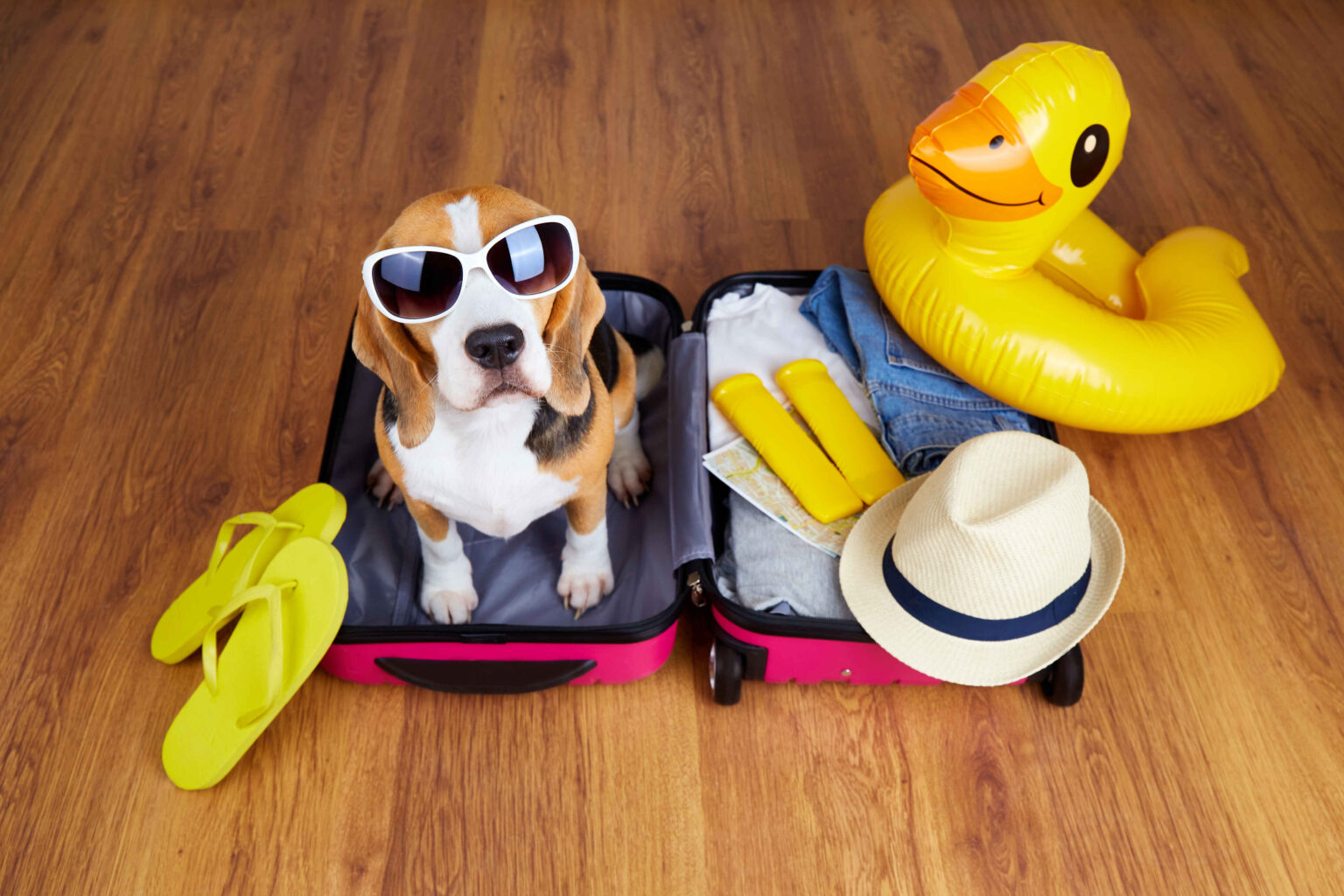
The holidays bring magic, joy, and a whole lot of chaos into our homes. We love having family over, cooking huge meals, and decorating the living room. But let’s be honest about the reality of pet parenting. This busy season can completely overwhelm our dogs. Your quiet house suddenly fills with strange noises, loud guests, and tempting smells.
- 1. Keep Toxic Holiday Foods Far Away
- The Danger of Bones and Fatty Scraps
- Hidden Poisons in Baked Goods
- Raw Yeast Dough and Alcohol
- Secure the Trash Can
- 2. Beware of Dangerous Holiday Plants
- 3. Decorate Wisely to Prevent Hidden Hazards
- 4. Manage Your Dog’s Stress and Party Guests
- Establish Ground Rules for Guests
- Read Your Dog’s Body Language
- Create a “Safe Haven” Zen Room
- Prevent Dangerous Door-Dashing
- 5. Winter Weather Hazards for Dogs
- 6. Get the Right Travel Gear for Holiday Trips
- 7. Give Back With Safe, Thoughtful Dog Gifts
- Conclusion
- Frequently Asked Questions (FAQ)
- Can I give my dog a turkey bone as a holiday treat?
- How can I calm my dog during a noisy holiday party?
- Are real pine Christmas trees dangerous for dogs?
- What should I do if my dog eats chocolate during the holidays?
- References
It is very easy to accidentally forget about your furry best friend while you rush to pull a turkey out of the oven. Sadly, the holiday season ranks as one of the absolute busiest times of the year for emergency vet clinics. Dogs get into everything. They eat dropped chocolate, chew on electrical cords, and slip out of open front doors when guests arrive.
We want to help you avoid a holiday disaster. You deserve to enjoy your time off without worrying about a massive emergency vet bill. We put together this foundational guide filled with expert holiday pet safety tips. We will show you exactly how to dog-proof your home this season. Keep reading to learn how to spot hidden dangers, manage your dog’s stress, and ensure everyone has a wonderful, safe holiday together.
1. Keep Toxic Holiday Foods Far Away
Food sits at the center of almost every holiday celebration. We spend hours roasting meats, baking pies, and setting out candy bowls. Unfortunately, our delicious feasts contain major hazards for dogs. Dogs possess an incredible sense of smell. They will sniff out a dropped meatball from three rooms away. You must be very careful about what you leave on the kitchen counters.
Before you host a party, take a moment to review what dogs cannot eat in our guide to toxic foods. Let’s look at the biggest holiday food offenders below.
The Danger of Bones and Fatty Scraps
You might feel tempted to toss your dog a leftover turkey bone. Please do not do this. Cooked poultry bones become incredibly brittle in the oven. They splinter easily into sharp, jagged pieces when your dog chews them. These sharp shards can easily puncture your dog’s stomach or intestines. They can also cause a life-threatening bowel obstruction that requires emergency surgery.
Fatty foods pose another huge risk. We all love turkey skin, heavy gravy, and buttery mashed potatoes. Dogs cannot process these high-fat foods safely. Eating too much fat often triggers a terrible condition called pancreatitis. This causes severe stomach pain, vomiting, and diarrhea. Keep the meat scraps out of the dog bowl entirely.
Hidden Poisons in Baked Goods
Holiday desserts look wonderful, but they hide deadly ingredients. Chocolate is the most famous danger. Baking chocolate, cocoa powder, and dark chocolate contain a chemical called theobromine. Dogs cannot metabolize this chemical like humans can. Eating chocolate causes muscle tremors, seizures, and heart failure.
You also need to watch out for grapes, raisins, and currants. People often bake these fruits into fruitcakes and holiday breads. Even a tiny handful of raisins can cause sudden kidney failure in a dog. Finally, beware of artificial sweeteners. Many sugar-free baked goods contain Xylitol (also known as birch sugar). Xylitol causes a massive drop in a dog’s blood sugar and destroys their liver in just a few hours.
Raw Yeast Dough and Alcohol
Baking fresh bread is a holiday tradition for many families. Keep raw yeast dough well out of reach. If your dog eats raw dough, the warm environment of their stomach causes the dough to rise and expand. This can stretch their abdomen painfully and block their digestive tract. Furthermore, the fermenting yeast produces alcohol, which leads to deadly alcohol poisoning.
Speaking of alcohol, never leave unattended cocktails on low coffee tables. Dogs love the sweet smell of mixed drinks, eggnog, and wine. A dog’s body cannot process alcohol. Even a few laps from a spilled drink can cause dangerous drops in blood pressure and body temperature.
Secure the Trash Can
Dogs are clever scavengers. You might clear the table perfectly, but your dog will happily raid the kitchen trash can later that night. A holiday trash bag holds a treasure trove of dangerous items. They might find the string you used to tie the turkey, discarded bones, or onions and garlic scraps from the stuffing. Always take the trash outside immediately after dinner. Alternatively, invest in a heavy-duty trash can with a locking lid to keep clever paws out.
2. Beware of Dangerous Holiday Plants
Bringing nature indoors makes a house feel festive. We love stringing up fresh garlands and setting out bright red flowers. However, you need to know which plants will make your dog sick. The experts at the ASPCA Animal Poison Control Center warn pet parents to be highly vigilant about holiday flora.
Mistletoe and Holly
These classic romantic decorations are highly toxic. If your dog eats holly berries or leaves, they will experience severe nausea, vomiting, and stomach pain. Mistletoe is even worse. Ingesting mistletoe causes a sudden drop in blood pressure, breathing problems, and even hallucinations. Hang these items very high up near the ceiling, or simply buy artificial versions instead.
Poinsettias
You see these bright red plants everywhere in December. People often panic about poinsettias. Their toxicity is actually a bit exaggerated, but they are still unsafe. The leaves contain a milky, irritating sap. If your dog chews a leaf, the sap burns their mouth and throat. This leads to heavy drooling and an upset stomach. Keep them placed on high tables out of reach.
Pine Trees and Needles
If you buy a real evergreen tree, watch out for falling needles. Pine needles do not digest in a dog’s stomach. They are mildly toxic and very sharp. If your dog swallows a bunch of dry needles, they can irritate or puncture the stomach lining. Vacuum around your tree every single day to pick up dropped needles before your dog finds them.
3. Decorate Wisely to Prevent Hidden Hazards
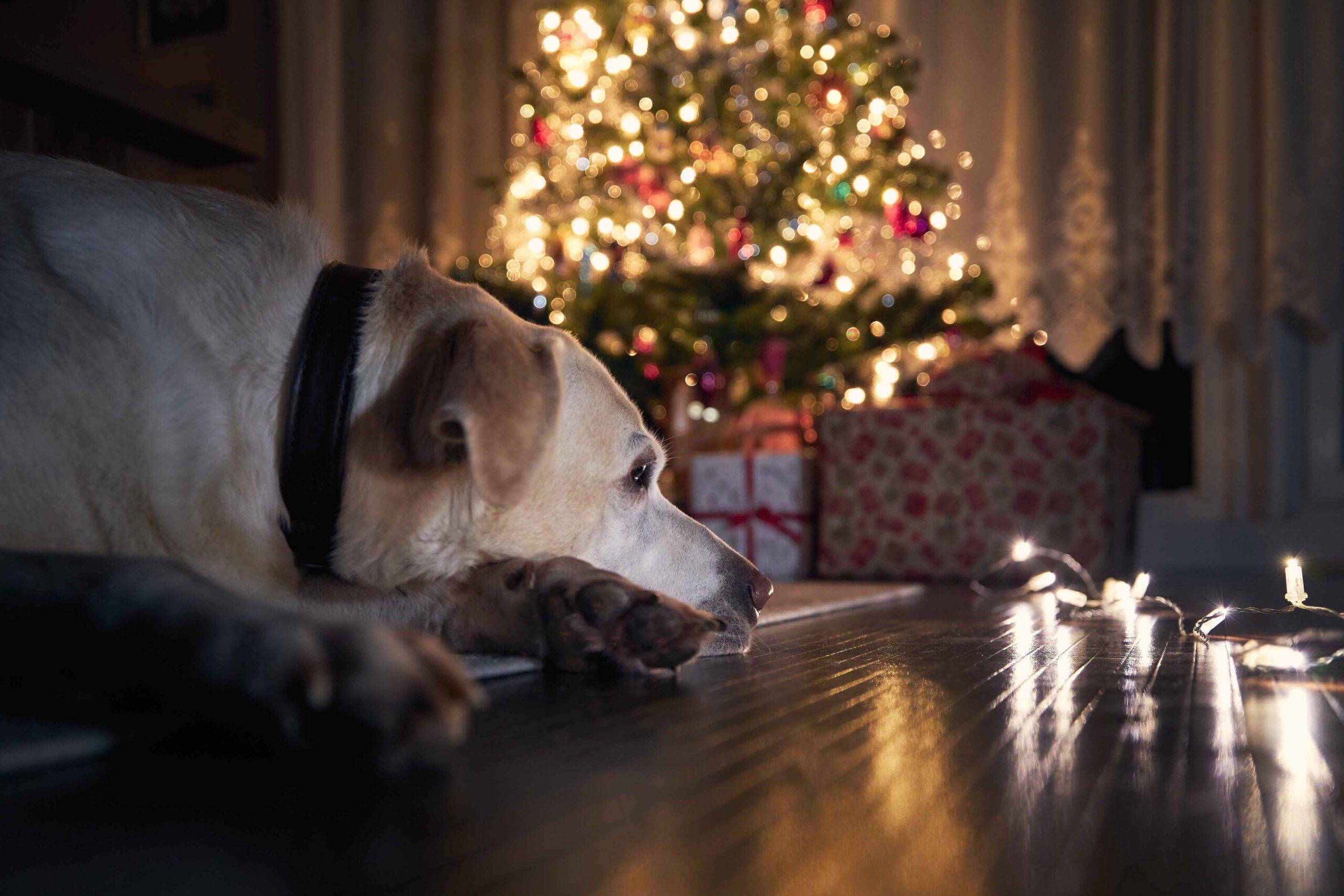
Holiday decor completely transforms a home. But to a curious dog, your living room suddenly looks like a brand-new amusement park. A wagging tail or an excited jump can cause a major accident. Taking a few simple precautions will keep your dog safe.
Secure the Holiday Tree
Dogs love to investigate new things. A large, top-heavy tree presents a real crushing hazard. A clumsy dog might bump into the branches or try to grab a low-hanging toy. The entire tree could tip over onto them. Always anchor your tree securely to the wall or ceiling using strong fishing line and hooks.
You also need to cover the tree stand. Preservatives, fertilizers, and bacteria quickly build up in the stagnant water holding your tree. Dogs love to drink from strange places. If your dog drinks this dirty water, they will get a terrible stomach ache. Wrap a thick tree skirt tightly around the base. You can also cover the water basin with aluminum foil to block their access.
Ornaments and Edible Garlands
Think about where you place your decorations. Keep delicate, vintage glass ornaments off the bottom branches. A happy dog with a wagging tail can easily knock a glass ball onto the floor. If it shatters, your dog might step on the shards and cut their paw pads severely.
Avoid using edible decorations completely. Do not string popcorn or cranberries around the tree. Your dog will smell the food and try to eat the garland. They will likely swallow the string along with the food, which causes a life-threatening intestinal blockage.
Electrical Cords and Candles
Holiday lights mean you have extra electrical cords running across your floors. Cords pose a major chewing hazard, especially for teething puppies. Protect your dog from electric shocks by tucking cords tightly behind heavy furniture. You can also spray the wires with a pet-safe bitter apple spray to stop them from chewing.
Be very careful with lit candles and open fireplaces. Place menorahs and festive candles high up on sturdy mantels. A large dog can easily knock over a candle with a happy tail wag and start a house fire. If you use your fireplace, ensure you have a heavy metal screen in place to block flying sparks from hitting your dog’s fur.
4. Manage Your Dog’s Stress and Party Guests
A house full of loud guests completely changes your dog’s daily routine. The sudden noise, loud music, and constant doorbell ringing cause major anxiety. Even the most social, friendly dog can become overwhelmed after a few hours of partying.
Establish Ground Rules for Guests
You must advocate for your dog. When guests arrive, give them a few friendly rules. Tell Uncle Bob not to feed the dog any table scraps, no matter how much the dog begs. Ask children to leave the dog alone while they are sleeping or eating. Humans must understand that the dog needs personal space.
Read Your Dog’s Body Language
Learn to spot the early signs of canine stress. Your dog cannot talk, but they communicate constantly through their body. Watch out for excessive yawning, lip licking, and whale eye (showing the whites of their eyes). If your dog pins their ears back or tucks their tail, they are scared. When you see these signs, it is time to remove them from the party.
Create a “Safe Haven” Zen Room
Do not force your dog to mingle all night. Set aside a quiet, secure bedroom in the back of the house before the party begins. Make this room a cozy paradise. Put their favorite bed, fresh water, and a few durable puzzle toys inside.
You can turn on a television or play soft classical music to drown out the loud party noises. Give your dog a frozen peanut butter KONG to keep them busy. Lock the door and place a polite sign on the knob asking guests not to enter. This gives your dog a peaceful retreat when they feel tired.
Prevent Dangerous Door-Dashing
Guests constantly open and close the front door during a party. Your dog might get scared and try to bolt outside. This is how many dogs get lost during the winter. Stop this by putting your dog in their quiet room before guests start arriving. Always make sure your dog wears a secure collar with an updated ID tag. Double-check that their microchip information lists your current cell phone number.
5. Winter Weather Hazards for Dogs
Holiday safety goes beyond the living room. Taking your dog for a walk during the winter months requires extra care. Freezing temperatures and icy sidewalks introduce a whole new set of dangers.
Protect Paws from Ice Melt
City sidewalks get covered in chemical ice melt and rock salt during the winter. These chemicals are highly toxic to dogs. When your dog walks on treated sidewalks, the sharp salt crystals cut their paw pads. Worse, the chemical melts get stuck between their toes. When you get home, your dog will lick their paws to clean them, ingesting the toxic chemicals.
Always wipe your dog’s paws with a warm, damp cloth the moment you step inside. You can also invest in a pair of waterproof dog booties for neighborhood walks. If booties do not work, rub a thick layer of paw wax (like Musher’s Secret) on their pads before heading outside to create a protective barrier.
Dress for the Cold
Do not assume your dog’s fur coat keeps them perfectly warm. Small breeds, senior dogs, and short-haired breeds (like Greyhounds or Chihuahuas) get cold very quickly. Buy a thick, waterproof winter jacket for your dog. Limit your walks to short, frequent trips rather than long hikes when the temperature drops below freezing.
6. Get the Right Travel Gear for Holiday Trips
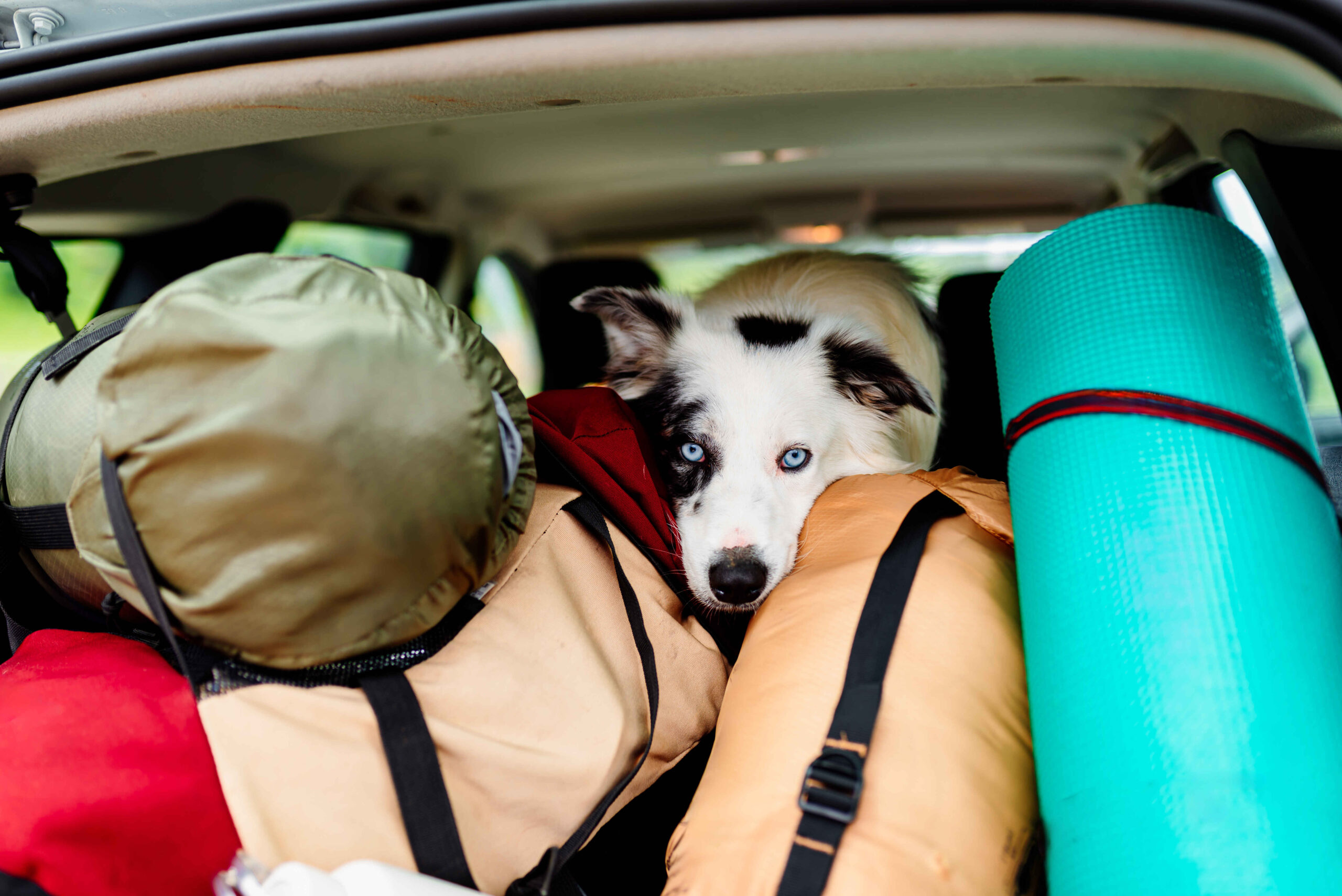
Perhaps you are not hosting this year. If your holiday plans involve hitting the road, preparation is absolutely key. The American Veterinary Medical Association (AVMA) reminds us that traveling safely requires the right equipment.
Do not let your dog roam freely inside a moving car. A sudden stop can throw them forward and cause a terrible injury. They also distract the driver. Keep your dog safely restrained in the back seat. Use a high-quality, crash-tested travel crate or a secure pet seatbelt harness.
Pack a dedicated travel bag for your dog. Bring extra food, bottled water, their regular bowls, and any necessary daily medications. Do not forget to pack physical copies of their updated health records and rabies certificates. You never know when you might need to visit an out-of-state emergency vet.
7. Give Back With Safe, Thoughtful Dog Gifts
Our dogs are beloved family members. We naturally want to include them in the morning gift-giving excitement! However, you need to select toys carefully. Avoid cheap toys with small, plastic pieces that your dog could easily chew off and swallow.
We highly suggest staying away from traditional rawhide bones. Rawhide is very difficult for a dog to digest. It also poses a massive choking hazard when they chew it down to a small, slimy nub. Look for safer chewing alternatives like thick rubber KONGs or fully digestible collagen sticks.
Consider gifting an experience or a comfort upgrade instead of a toy. Older, arthritic dogs will deeply appreciate a thick, orthopedic memory foam bed to soothe their joints. You could also buy a few interactive puzzle toys. These clever games force your dog to use their brain to find hidden treats. Puzzle toys keep them happily occupied for hours while you relax with your family.
Conclusion
The holiday season should be a time of warmth, love, and wonderful memories. It absolutely does not have to end with a panicked trip to the animal hospital. You hold the power to keep your home safe. Take a few minutes today to check your plants, secure your decorations, and lock up the trash can.
Following these foundational holiday pet safety tips protects your furry best friend from the most common seasonal dangers. By planning ahead, managing stress, and keeping toxic foods away, you set everyone up for success. We hope you and your wonderful dog share a very happy, healthy, and stress-free holiday season together!
Frequently Asked Questions (FAQ)
Can I give my dog a turkey bone as a holiday treat?
No, you should never give your dog cooked poultry bones. When turkey or chicken bones bake in the oven, they dry out and become highly brittle. They splinter into sharp, needle-like shards when your dog chews them. These pieces can easily puncture your dog’s throat, stomach, or intestines. Always throw the turkey carcass away in a secure, locking trash can.
How can I calm my dog during a noisy holiday party?
The smartest strategy involves preventing the anxiety before the party even starts. Create a designated quiet room in the back of your house. Give them their cozy bed, fresh water, and a fun puzzle toy away from the guests. You can also read expert advice from the AKC on using over-the-counter calming aids. Pheromone diffusers, calming hemp chews, or tight anxiety wraps often help them feel much more secure.
Are real pine Christmas trees dangerous for dogs?
Pine trees carry a few hidden risks for dogs. The pine needles themselves are mildly toxic and very sharp. If your dog eats dropped needles, they can suffer from stomach irritation or a minor puncture. Additionally, the stagnant water sitting in the tree stand often contains toxic fertilizers and nasty bacteria. Always cover the water basin securely so your dog cannot drink from it.
What should I do if my dog eats chocolate during the holidays?
Treat chocolate ingestion as a serious medical emergency. Call your local veterinarian or an animal poison control hotline immediately. Do not wait for symptoms to appear. Have the chocolate wrapper ready so you can tell the vet exactly what kind of chocolate your dog ate and roughly how much. Dark chocolate and baking cocoa are much more dangerous than milk chocolate.
References
- ASPCA Animal Poison Control. Toxic and Non-Toxic Plants. ASPCA.org
- American Veterinary Medical Association (AVMA). Holiday Pet Safety. AVMA.org
- American Kennel Club (AKC). Holiday Safety Tips for Dogs. AKC.org
Image Credits: Images sourced via standard Pixabay license. Representative imagery used for illustrative purposes.