

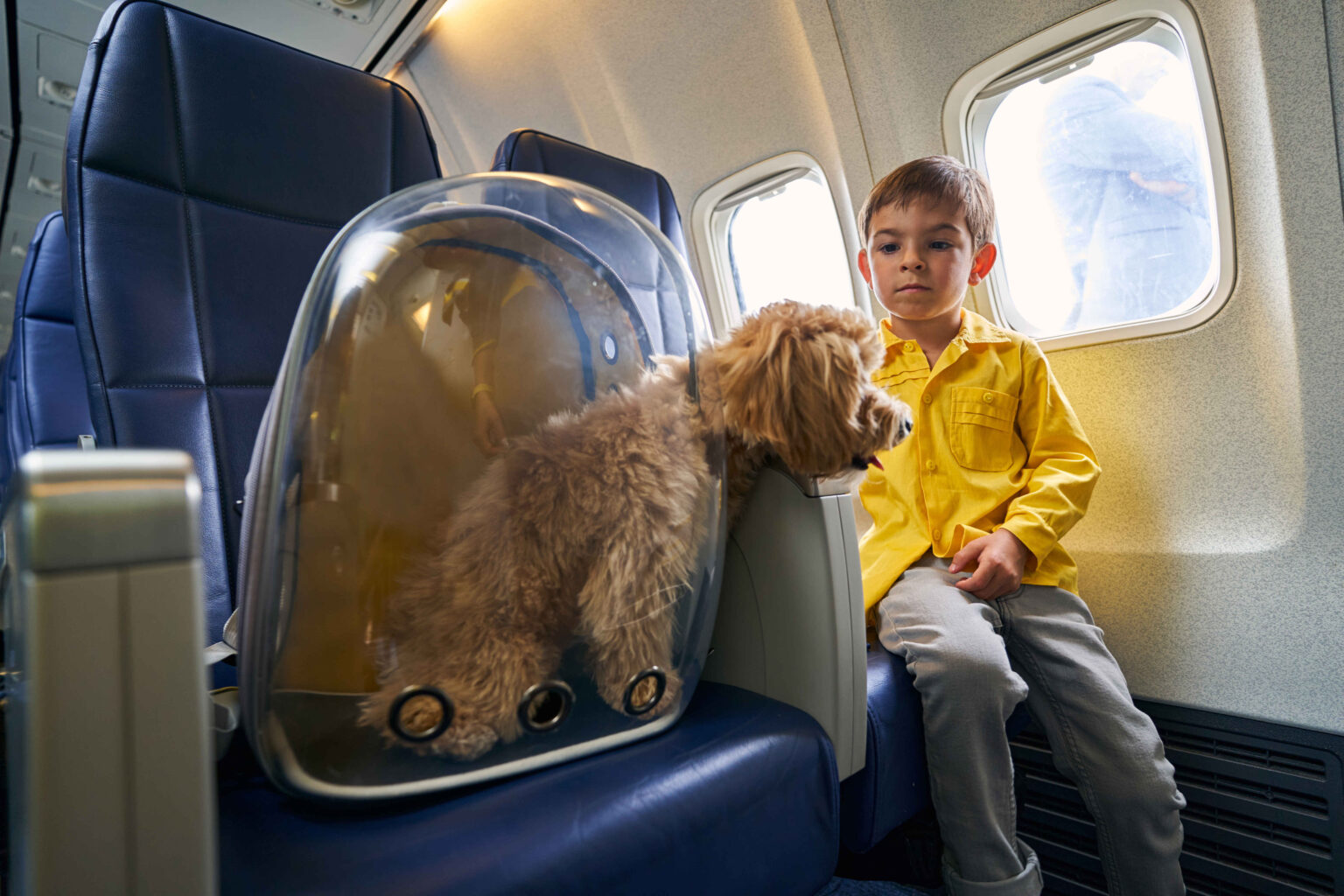
Planning a trip and wondering how to fly with a dog? You are not alone. Millions of pet parents take to the skies every year with their canine companions. However, air travel with a dog requires far more than simply buying an extra ticket. From navigating complex airline regulations to ensuring your dog remains calm at 30,000 feet, the process requires meticulous planning. Whether you are relocating across the country or bringing your pup on a family vacation, this comprehensive, step-by-step guide covers everything you need to know about airline rules, travel costs, and expert tips for a stress-free journey.
- Understanding Airline Rules for Dogs
- How Much Does It Cost to Fly With a Dog?
- Pre-Flight Preparation & Health Requirements
- Choosing the Right Carrier or Crate
- Step-by-Step Stress-Free Travel Tips
- 1. Book Early and Choose Direct Flights
- 2. Crate Acclimation is Crucial
- 3. Tire Them Out Before Boarding
- 4. Manage Food and Water Strategically
- 5. Skip the Sedatives
- 6. Navigating TSA Security
- 7. Pack a Doggy Carry-On Bag
- Conclusion
- Frequently Asked Questions (FAQ)
- Can I buy an extra airplane seat for my dog?
- How do dogs go to the bathroom on a long flight?
- What is the safest airline for flying dogs in cargo?
- Do airlines check the weight of my dog?
- References
Understanding Airline Rules for Dogs
Before you even begin looking at flights, it is crucial to understand that not all dogs can fly, and not all airlines accept dogs. Every commercial airline has its own specific pet policy, but they generally divide dog travel into two main categories: traveling in the passenger cabin or traveling in the cargo hold.
1. Flying in the Cabin
Most major airlines allow small dogs to fly in the passenger cabin with you, provided they stay in an airline-approved carrier that fits under the seat in front of you. Because the dog must be able to stand up and turn around comfortably inside this constrained space, this option is typically limited to small breeds weighing under 20 pounds (including the weight of the carrier).
Note on Service Animals: The rules for documented, highly trained psychiatric and physical service dogs are different. Under the Department of Transportation rules, recognized service dogs fly for free in the cabin and do not require a carrier. However, Emotional Support Animals (ESAs) are no longer recognized as service animals by most airlines and must fly as standard pets.
2. Flying in the Cargo Hold
If your dog is too large to fit under the seat, they will likely need to fly in the cargo hold. While the idea of placing your dog in cargo can be nerve-wracking, it is important to know that the designated pet cargo area is climate-controlled, pressurized, and generally safe. However, airlines place strict embargoes on cargo travel during extreme summer heat or winter cold to protect the animals.
3. Breed Restrictions
Safety is the top priority for airlines, which is why almost all major carriers have strict bans on brachycephalic (snub-nosed) dogs flying in the cargo hold. Breeds such as French Bulldogs, English Bulldogs, Pugs, Boston Terriers, and Boxers have shortened airways, making them highly vulnerable to respiratory distress and heatstroke at high altitudes. If you have a snub-nosed breed, they must fly in the cabin, or you will need to seek alternative ground transportation.
How Much Does It Cost to Fly With a Dog?
Adding a dog to your flight itinerary is not free, and the costs can add up quickly depending on how your dog is flying and where you are going. Here is a general breakdown of what you can expect to pay:
- In-Cabin Pet Fees: Most domestic airlines in the United States charge a standard one-way pet fee ranging from $95 to $125. This means a round-trip flight will cost roughly $190 to $250 just for your dog’s “ticket.”
- Cargo Pet Fees: Flying a large dog in cargo is significantly more expensive. Depending on the airline, the size of your dog’s crate, and the total weight, domestic cargo fees can range from $200 to over $500 one way.
- International Travel Costs: If you are flying internationally, expect the costs to skyrocket. International cargo fees can easily exceed $1,000. Furthermore, you must factor in the cost of international health certificates, microchipping, and required vaccinations, which can add several hundred dollars to your vet bill.
Pre-Flight Preparation & Health Requirements
You cannot simply arrive at the airport with your dog and expect to board the plane. Airlines and government agencies require specific health documentation to prevent the spread of diseases.
Obtain a Certificate of Veterinary Inspection (CVI)
Also known as a pet health certificate, a CVI is a document signed by a federally accredited veterinarian stating that your dog is healthy enough to travel and shows no signs of infectious disease. For domestic flights, most airlines require this certificate to be issued within 10 days of your departure date. Ensure your dog is fully up-to-date on their rabies and core vaccinations.
International Travel Complexity
If you are flying abroad, preparation must begin months in advance. Every country has its own strict import laws for animals. Some countries, like Australia or the UK, have rigorous rabies-free protocols that require specific microchips, rabies titer blood tests (which take months to process), and sometimes mandatory quarantine periods upon arrival. Always consult the official USDA APHIS Pet Travel Guidelines to find the exact requirements for your destination country.
Choosing the Right Carrier or Crate
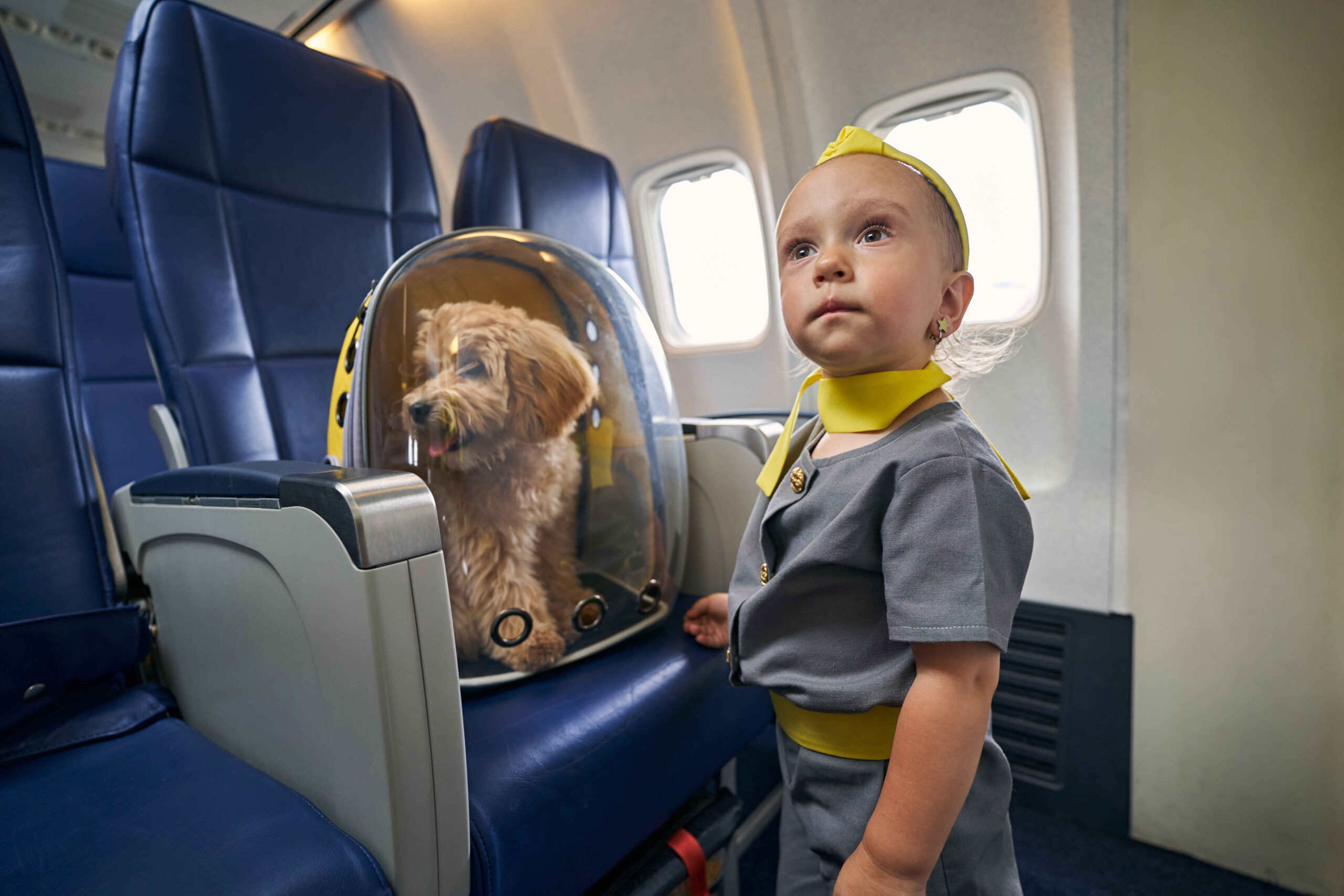
Your dog’s carrier is their safe haven during the flight. Airlines have very strict dimensions and material requirements for both cabin and cargo travel.
Cabin Carriers
For in-cabin travel, a soft-sided carrier is highly recommended. Soft carriers can compress slightly, making it much easier to wedge them under standard airplane seats. The carrier must feature plenty of mesh ventilation on multiple sides, a leak-proof bottom, and secure zippers. Popular brands like Sherpa or Sleepypod design carriers specifically to meet airline guidelines.
Cargo Crates
Cargo crates are governed by the International Air Transport Association (IATA). A cargo crate must be hard-sided (heavy-duty plastic or wood), feature a metal grated door, and be assembled with metal nuts and bolts—never plastic snaps. The crate must be large enough for your dog to stand up completely without their ears touching the top, turn around naturally, and lie down comfortably with their paws extended.
Step-by-Step Stress-Free Travel Tips
Even with the right carrier and paperwork, flying can be a terrifying sensory overload for a dog. Here are veterinarian-approved tips to keep your dog calm, safe, and stress-free.
1. Book Early and Choose Direct Flights
Airlines cap the number of pets allowed on a single flight (usually around 4 to 6 in the cabin). Always call the airline directly to book your ticket and your dog’s spot simultaneously. Whenever humanly possible, book a direct, non-stop flight. Layovers increase travel time, heighten stress, and, for cargo pets, increase the risk of being left on a hot tarmac or accidentally routed to the wrong city.
2. Crate Acclimation is Crucial
Never force your dog into a brand-new carrier on the morning of your flight. Introduce the carrier at least a month in advance. Leave it open in your living room, place their favorite treats inside, and feed them their daily meals in it. Your goal is to make the carrier feel like a cozy bedroom. Once they like being in it, take them for short drives around town inside the zipped carrier to get them used to motion.
3. Tire Them Out Before Boarding
A physically exhausted dog is far less likely to be anxious. On the morning of your flight, take your dog for an extra-long walk, a vigorous run, or an intense game of fetch. Burning off physical and nervous energy will encourage them to sleep through the majority of the flight.
4. Manage Food and Water Strategically
Dogs can experience motion sickness during turbulence. To prevent an upset stomach, avoid feeding your dog a heavy meal for 4 to 6 hours before takeoff. Hydration, however, is vital. Offer small amounts of water leading up to the flight. If your dog is flying in cargo, freeze water in their crate bowl the night before. It will slowly melt during the journey, keeping them hydrated without spilling during takeoff.
5. Skip the Sedatives
While giving your dog a sleeping pill might seem like a kind gesture, the American Veterinary Medical Association (AVMA) strongly advises against sedating dogs for air travel. Sedatives impair a dog’s ability to naturally regulate their body temperature and breathing. At high altitudes with changing cabin pressure, this can be incredibly dangerous. Instead, consult your vet about natural calming aids, such as pheromone collars (like Adaptil), CBD treats (if legal at your destination), or non-sedating anti-anxiety medications.
6. Navigating TSA Security
If your dog is flying in the cabin with you, you will have to pass through TSA security together. You cannot put your dog through the x-ray machine. You must remove your dog from the carrier, send the empty carrier through the x-ray, and carry or walk your dog through the human metal detector. Because airports are loud and chaotic, ensure your dog is wearing a secure, escape-proof harness and a leash before you open the carrier to prevent them from bolting.
7. Pack a Doggy Carry-On Bag
Always be prepared for flight delays or accidents. Pack a dedicated bag for your dog that includes:
- Extra pee pads for lining the carrier
- Pet-friendly wet wipes and a few paper towels
- A collapsible silicone water bowl
- A small bag of their regular food
- Any daily medications they require
- Hard copies of their vaccination records and health certificates
Conclusion
Figuring out how to fly with a dog does not have to be an overwhelming endeavor. By taking the time to understand specific airline regulations, securing the proper health documents, and heavily focusing on carrier acclimation, you set the stage for a successful trip. Remember that dogs are highly empathetic creatures; they feed off your energy. If you stay calm, organized, and positive, your canine best friend will likely follow suit, ensuring you both arrive safely and ready for your next adventure.
Frequently Asked Questions (FAQ)
Can I buy an extra airplane seat for my dog?
No, standard commercial airlines in the United States do not allow you to purchase a passenger seat for a pet to sit on. If your dog is flying in the cabin, they must remain securely zipped inside their approved carrier, and that carrier must remain tucked under the seat in front of you for the entire duration of the flight. The only exception to this rule is for fully trained and documented Service Dogs, who are permitted to sit on the floor at your feet.
How do dogs go to the bathroom on a long flight?
Most adult dogs are capable of holding their bladders for 8 to 10 hours. To help them succeed, limit their water intake right before boarding and ensure they have ample opportunity to relieve themselves before entering the airport. You should also line the bottom of their carrier with a highly absorbent puppy pee pad just in case. Fortunately, almost all major airports now feature designated, indoor “pet relief areas” located past the security checkpoints where your dog can take a bathroom break during layovers.
What is the safest airline for flying dogs in cargo?
While flying dogs in cargo always carries a small inherent risk, airlines like Alaska Airlines and Delta Air Lines are frequently praised for their dedicated, climate-controlled pet cargo programs. They have strict safety protocols, tracking systems, and temperature restrictions. Always review the annual animal incident reports published by the Department of Transportation if you want to compare airline safety records.
Do airlines check the weight of my dog?
Yes. If you are flying with a dog in the cabin, the ticketing agent will almost always ask you to place the carrier (with the dog inside) on the luggage scale at check-in. If the combined weight exceeds the airline’s limit (usually 20 lbs), you will be denied boarding or forced to transition your dog to the cargo hold. Always weigh your dog inside their specific travel carrier before heading to the airport.
References
- USDA APHIS. Pet Travel Guidelines. https://www.aphis.usda.gov/aphis/pet-travel
- American Veterinary Medical Association (AVMA). Traveling With Your Pet FAQ. https://www.avma.org/resources-tools/pet-owners/petcare/traveling-your-pet-faq
- Federal Aviation Administration (FAA). Flying With Pets. https://www.faa.gov/travelers/fly_pets/