

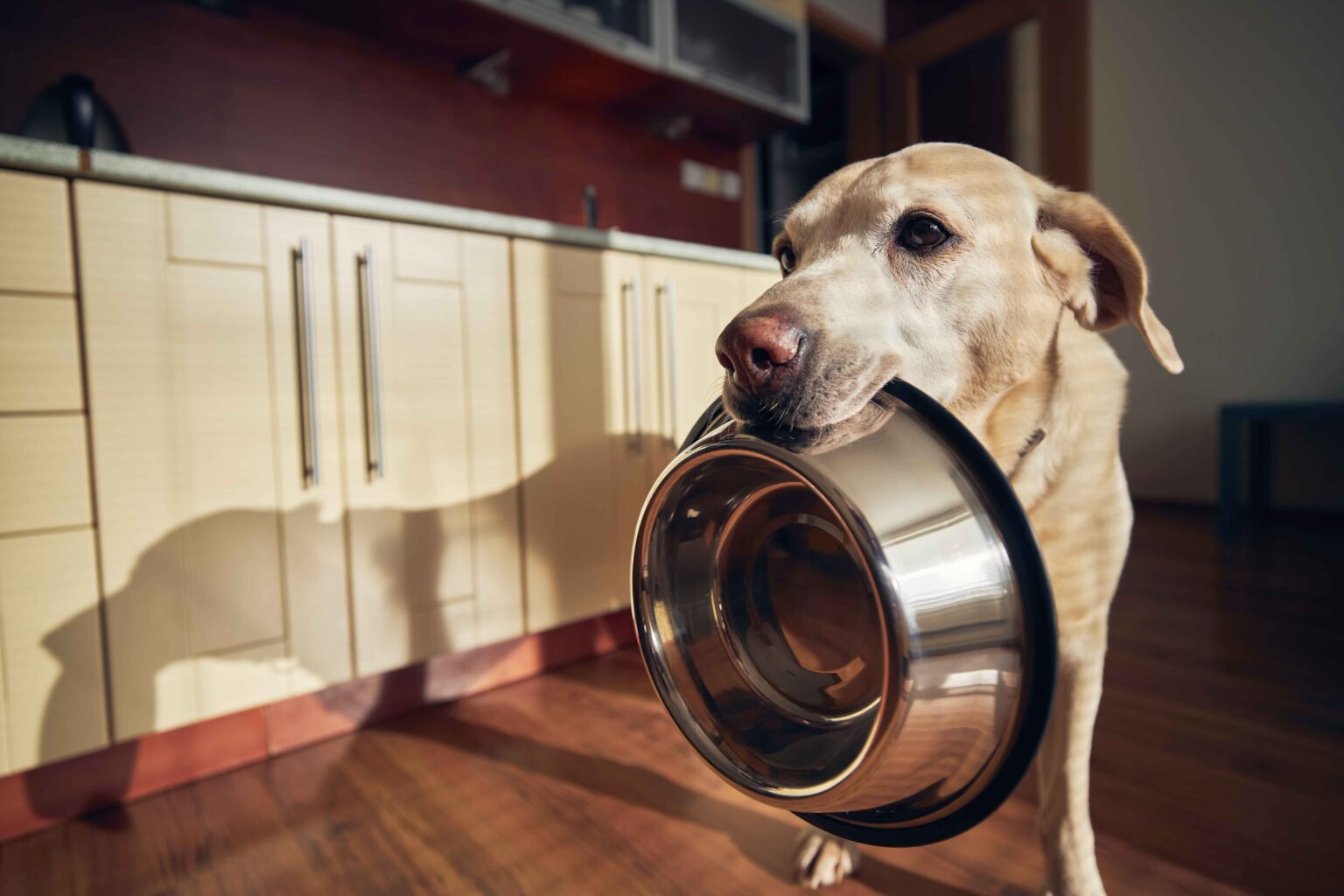
Big dogs bring an immense amount of love, joy, and energy into our homes, but they also bring specific, supersized nutritional requirements. Whether you share your life with a goofy Golden Retriever, a majestic Great Dane, or a fiercely loyal German Shepherd, feeding a large breed dog is not as simple as just pouring more kibble into a bigger bowl. It is about providing the right kind of fuel.
- Understanding the Unique Nutritional Needs of Large Dogs
- 1. High-Quality, Lean Protein
- 2. Carefully Calibrated Fats
- 3. The Critical Calcium-to-Phosphorus Ratio
- The Importance of Joint Health for Large Breeds
- Digestive Health Considerations and the Risk of Bloat
- How to Evaluate Dry Dog Food Ingredients: Reading the Label
- Top Dry Dog Food Options for Large Breeds
- 1. Purina Pro Plan Large Breed Adult
- 2. Blue Buffalo Life Protection Formula Large Breed
- 3. Hill’s Science Diet Large Breed Adult
- 4. Royal Canin Giant Breed Adult
- 5. Orijen Large Breed
- Homemade Dog Food vs. Commercial Brands
- How to Effectively Transition Your Dog to a New Diet
- Monitoring Your Dog’s Health and Weight
- Consulting with Your Veterinarian
- Frequently Asked Questions (FAQ)
- References & Further Reading
Because of their massive size, rapid growth rates during puppyhood, and unique physical structures, large breeds require highly specialized diets to thrive. A poor diet can lead to devastating, lifelong skeletal issues, obesity, and digestive emergencies. On the flip side, the right nutrition can extend their lifespan and keep them bounding after tennis balls well into their senior years.
If you are feeling overwhelmed by the endless aisles at the pet store, you are in the right place. This comprehensive guide breaks down everything you need to know to select the absolute best dry dog food for large breeds, ensuring your heavy-duty companion gets exactly what they need.
Understanding the Unique Nutritional Needs of Large Dogs
Large breeds (typically defined as dogs weighing over 50 pounds at maturity) and giant breeds (over 90 pounds) carry significantly more weight on their frames. This puts different biological demands on their bodies compared to small or medium breeds. A perfectly balanced large breed diet hinges on a few highly specific pillars:
1. High-Quality, Lean Protein
Large breeds need ample protein to support strong, lean muscle mass without packing on excess fat. Essential amino acids derived from whole animal proteins are the building blocks that keep their muscles robust enough to support their heavier, larger skeletons. Look for foods where a named animal protein (like chicken, beef, salmon, or lamb) is the number one ingredient.
2. Carefully Calibrated Fats
Fats are crucial for providing sustained energy, supporting brain health, and maintaining a lustrous, weather-resistant coat. However, the type of fat matters just as much as the amount. Look for high-quality sources like chicken fat, flaxseed, or fish oil (salmon oil), which provide essential omega-3 and omega-6 fatty acids. Because large breeds are highly susceptible to obesity, the overall fat content in their dry food is usually slightly lower than in small-breed formulas.
3. The Critical Calcium-to-Phosphorus Ratio
This is arguably the most important factor, especially for large breed puppies. If a large breed puppy consumes too much calcium, their bones grow too rapidly, leading to severe developmental orthopedic diseases like Osteochondrosis Dissecans (OCD) and hypertrophic osteodystrophy (HOD). The ideal calcium-to-phosphorus ratio in the best dry dog food for large breeds should strictly fall between 1.1:1 and 1.8:1, as recommended by the Association of American Feed Control Officials (AAFCO).
The Importance of Joint Health for Large Breeds

One of the most heartbreaking and prevalent vulnerabilities in large and giant dogs is joint degradation. Because they carry so much weight, their joints experience significantly more wear and tear on a daily basis. Conditions like hip dysplasia (a genetic malformation of the hip joint) and osteoarthritis are incredibly common.
To give your dog the best chance at a pain-free, active life, their diet must actively protect and support their joints from the inside out. When evaluating dry dog food labels, prioritize formulas that explicitly highlight these joint-supporting supplements:
- Glucosamine and Chondroitin: These naturally occurring compounds are critical for repairing damaged cartilage, maintaining synovial fluid (the lubrication in the joints), and improving overall mobility. Many high-quality large breed foods source this naturally from chicken meals or green-lipped mussels.
- Omega-3 Fatty Acids (EPA and DHA): Known for their powerful, scientifically proven anti-inflammatory properties, omega-3s help drastically reduce joint swelling and promote flexibility in aging dogs.
Digestive Health Considerations and the Risk of Bloat
Large breeds, particularly those with deep, narrow chests like Great Danes, Doberman Pinschers, and Standard Poodles, face a unique and terrifying digestive risk: Gastric Dilatation-Volvulus (GDV), commonly known as bloat. This is a life-threatening veterinary emergency where the stomach fills with gas and twists on itself, cutting off blood supply.
While feeding habits (like using a slow-feeder bowl and resting after meals) are the best defense against bloat, the composition of the dry dog food also plays a massive role. To support a healthy digestive tract, look for diets that feature:
- Adequate Dietary Fiber: Natural, highly digestible fiber from sources like pumpkin, sweet potatoes, whole oats, or beet pulp helps regulate bowel movements and prevents gastrointestinal distress.
- Probiotics and Prebiotics: Probiotics populate the gut with healthy, beneficial bacteria, while prebiotics (like chicory root) serve as the “food” that helps those bacteria thrive. A robust gut microbiome ensures maximum nutrient absorption and prevents excessive gas buildup.
How to Evaluate Dry Dog Food Ingredients: Reading the Label
Reading a commercial dog food label can feel like trying to decipher a foreign language. However, focusing on the first five ingredients will tell you almost everything you need to know, as ingredients are legally required to be listed by weight.
| Ingredient Category | What to Look For (High Quality) | What to Avoid (Low Quality) |
|---|---|---|
| Proteins | Deboned chicken, beef, salmon, lamb, chicken meal | Unnamed “meat meal,” meat by-products, poultry digest |
| Carbohydrates | Brown rice, oatmeal, sweet potatoes, barley, peas | Corn syrup, excessive wheat gluten, unnamed grain fragments |
| Fats | Chicken fat, salmon oil, flaxseed oil, sunflower oil | Beef tallow, unnamed animal fat, mineral oil |
| Preservatives | Mixed tocopherols (Vitamin E), ascorbic acid (Vitamin C), rosemary extract | BHA, BHT, Ethoxyquin, Propylene Glycol |
Grains vs. Grain-Free
In recent years, grain-free diets became a massive trend. However, unless your large breed dog has a specific, veterinarian-diagnosed allergy to grains (which is actually quite rare), healthy whole grains like brown rice and oats provide excellent, easily digestible energy and fiber. Furthermore, the FDA has launched investigations into potential links between grain-free diets (specifically those heavily reliant on peas and lentils) and a heart condition called Canine Dilated Cardiomyopathy (DCM), which disproportionately affects large breeds. Always consult your vet before opting for a grain-free diet.
Top Dry Dog Food Options for Large Breeds
While every individual dog has their own taste preferences and sensitivities, several premium commercial brands consistently deliver on the strict nutritional requirements of large breeds. Here are some of the top-rated options on the market:
1. Purina Pro Plan Large Breed Adult
Often considered the gold standard by veterinarians, Purina Pro Plan is backed by decades of extensive nutritional research. It features real chicken as the first ingredient and includes optimal ratios of protein (26%) and fat (12%) to maintain ideal body condition. It is heavily fortified with live probiotics for digestive health and glucosamine for mobility.
2. Blue Buffalo Life Protection Formula Large Breed
This highly regarded formulation features deboned chicken and avoids corn, wheat, and soy. It includes a robust blend of whole grains, antioxidant-rich fruits and veggies (their patented “LifeSource Bits”), and natural glucosamine and chondroitin. It is a fantastic middle-ground for owners wanting natural ingredients without going completely grain-free.
3. Hill’s Science Diet Large Breed Adult
Hill’s Science Diet is formulated based on biology and rigorous veterinary testing. This diet emphasizes an incredibly precise mineral balance to protect heavy bones and features high-quality protein for lean muscle. It is highly digestible and often recommended for large breeds with sensitive stomachs.
4. Royal Canin Giant Breed Adult
Specifically tailored for the truly massive breeds (like Mastiffs, Great Danes, and Saint Bernards weighing over 100 lbs), this food features an extra-large, unique kibble size that encourages proper chewing to slow down eating. It incorporates high levels of EPA and DHA omega-3s for critical bone and joint support under extreme weight.
5. Orijen Large Breed
For owners looking for a biologically appropriate, ultra-high-protein diet, Orijen is a top-tier choice. It uses 85% quality animal ingredients (including fresh, regional whole-prey meats, organs, and bone). Its low-glycemic index helps keep energy levels steady throughout the day, making it ideal for highly active, working large breeds.
Homemade Dog Food vs. Commercial Brands
Pet parents often debate whether to cook their dog’s meals from scratch or buy commercial kibble. While the idea of a home-cooked meal sounds lovely, it is fraught with risks when it comes to massive dogs.
Homemade Diets: While they offer total control over ingredients (which is excellent for dogs with severe, complex allergies), they are incredibly difficult to balance. Achieving the exact calcium-to-phosphorus ratio required for a large breed dog without the guidance of a board-certified veterinary nutritionist is nearly impossible. Nutritional deficiencies in large dogs can cause severe, irreversible skeletal and organ damage.
Commercial Diets: High-quality commercial dry dog food offers safety, convenience, and peace of mind. Products carrying an AAFCO statement are rigorously tested to ensure they provide complete and balanced nutrition for your dog’s specific life stage. For the vast majority of owners, a premium commercial dry food is the safest way to guarantee a large breed gets their exact nutritional requirements.
How to Effectively Transition Your Dog to a New Diet
Once you have selected the best dry dog food for your large breed, you cannot simply swap their bowls out overnight. Large dogs often have sensitive gastrointestinal tracts. A sudden, abrupt change in protein sources or fat levels is a fast track to severe diarrhea, vomiting, and refusal to eat.
You must transition the food slowly over a minimum 7 to 10-day period to allow their gut microbiome to adjust:
- Days 1–3: 75% old food + 25% new food.
- Days 4–6: 50% old food + 50% new food.
- Days 7–9: 25% old food + 75% new food.
- Day 10: 100% new food.
Pro Tip: Keep a close eye on your dog’s stools during the transition. If their stomach becomes upset and their stool gets loose, pause the transition. Stay at the current ratio for a few extra days until things firm up before adding more of the new food.
Monitoring Your Dog’s Health and Weight
Because extra weight aggressively destroys a large dog’s joints and puts a massive strain on their heart, keeping them lean is absolutely imperative. Do not simply rely on the number on the scale at the vet’s office; utilize the Body Condition Score (BCS) at home regularly.
The BCS is a visual and physical assessment:
- The Look: When viewing your dog from above, they should have a noticeable “waist” tucked in behind their ribcage. From the side, their abdomen should tuck upward, not hang straight down.
- The Feel: When you run your hands flat along their sides, you should be able to easily feel their ribs beneath a thin layer of fat, without having to press hard. If you have to dig your fingers in to find the ribs, your dog is overweight.
Always measure your dog’s dry food with a standard measuring cup rather than free-feeding or eyeballing it. Adjust their daily caloric intake based on their age, their metabolism, and how much exercise they are getting that specific week.
Consulting with Your Veterinarian
The internet is a fantastic starting point, but before making any major, long-term changes to your large breed’s diet, it is always best to consult your veterinarian. They possess an intimate understanding of your dog’s specific medical history, exact growth trajectory, and genetic risk factors.
Be prepared to discuss your dog’s current activity level, any signs of itching or ear infections that might indicate food allergies, and your monthly budget. By partnering closely with your vet, you can confidently select a premium dry food that will fuel your large dog for a long, happy, and exceptionally active life.
Frequently Asked Questions (FAQ)
1. When should I switch my large breed puppy to adult dog food?
Unlike small dogs that mature at 10-12 months, large breeds continue growing until they are 18 to 24 months old. You should keep them on a specifically formulated large breed puppy food until their skeletal growth is fully complete, usually around the 1.5 to 2-year mark. Consult your vet for the exact timing for your specific breed.
2. Should I elevate my large dog’s food bowls?
Historically, elevated feeders were recommended to prevent bloat. However, recent veterinary studies suggest that elevated bowls may actually increase the risk of GDV (bloat) in certain large and giant breeds. It is currently recommended to feed large dogs from bowls placed flat on the floor, ideally using a slow-feeder puzzle bowl.
3. Are grain-free diets better for large dogs?
Not necessarily. Unless your dog has a diagnosed allergy to grains, whole grains provide excellent nutrition. Due to ongoing FDA investigations into the link between grain-free diets and heart disease (DCM) in large dogs, many veterinarians recommend sticking to grain-inclusive diets unless medically necessary.
4. How much protein does a large breed dog actually need?
Adult large breed dogs generally do best on a dry diet containing between 22% and 28% high-quality protein. Highly active or working large breeds may require upwards of 30% protein to maintain their muscle mass.
5. Can I add human food to my large dog’s dry kibble?
Yes, as long as it is safe and accounts for no more than 10% of their daily caloric intake. Adding dog-safe foods like a spoonful of plain canned pumpkin, a splash of low-sodium bone broth, or a few fresh blueberries can act as great “toppers” to enhance the flavor and nutritional profile of their dry food.
References & Further Reading
- Association of American Feed Control Officials (AAFCO): Understanding Dog Food Labels – aafco.org
- American Kennel Club (AKC): Best Dog Food for Large Breeds – akc.org/expert-advice/nutrition
- VCA Animal Hospitals: Nutrition for Large Breed Dogs – vcahospitals.com
- U.S. Food & Drug Administration (FDA): FDA Investigation into Potential Link between Certain Diets and Canine Dilated Cardiomyopathy – fda.gov