

- Understanding Dog Anxiety
- The Dog Anxiety Symptoms Checklist (2026)
- What Causes Dog Anxiety?
- Diagnosing Dog Anxiety
- Managing and Treating Dog Anxiety
- When to See Your Vet
- Prevention Tips for Canine Anxiety
- Frequently Asked Questions (FAQ)
- Can dog anxiety be cured completely?
- What is the difference between fear and anxiety in dogs?
- Are certain dog breeds more prone to anxiety?
- How long does it take to treat dog anxiety?
- Can diet affect dog anxiety?
- References
Dog Anxiety Symptoms Checklist: The Complete Guide for Pet Owners (2026)
As devoted pet parents, we strive to provide our canine companions with lives filled with joy, comfort, and security. Yet, beneath the wagging tails and playful barks, many dogs silently struggle with anxiety. Understanding and addressing dog anxiety is crucial for their overall well-being and a harmonious home environment. This comprehensive guide from PetsNPaw offers a detailed checklist of symptoms, insights into causes, and effective strategies for managing canine anxiety in 2026, empowering you to better support your beloved furry friend.
Anxiety is a widespread and debilitating condition, extensively studied in human populations, with systematic reviews showing its prevalence in adult endocrinology outpatients. Similarly, in the canine world, anxiety can manifest in various forms, significantly impacting a dog’s quality of life. Recognizing the signs early is the first step toward effective intervention and improving your dog’s mental health.
Understanding Dog Anxiety
Dog anxiety is more than just occasional nervousness; it’s a persistent state of unease or apprehension that can stem from various factors. It can be triggered by specific events, environments, or even be a pervasive part of a dog’s personality. The profound impact of animals on human well-being is further evidenced by studies on service dogs assisting veterans and military members with Posttraumatic Stress Disorder, highlighting the intricate connection between mental health and animal companionship. Just as humans can suffer from complex emotional conditions, our dogs can too, requiring our understanding and support.
Common Types of Dog Anxiety
- Separation Anxiety: Perhaps the most well-known, this occurs when dogs become distressed when left alone or separated from their primary attachment figure.
- Noise Phobia: Intense fear reactions to loud noises such as thunderstorms, fireworks, or even vacuum cleaners.
- Generalized Anxiety: A constant state of worry or tension without a specific trigger, often appearing as chronic nervousness.
- Social Anxiety: Fear or discomfort around unfamiliar people or other dogs.
- Situational Anxiety: Triggered by specific situations like car rides, vet visits, or new environments.
The Dog Anxiety Symptoms Checklist (2026)
Identifying anxiety in dogs requires careful observation of their behavior, body language, and physical responses. This checklist provides a detailed overview of common anxiety symptoms. Remember that your dog may exhibit one or several of these signs.

Behavioral Symptoms
- Excessive Barking or Howling: Anxious dogs may bark or howl more than usual, especially when left alone or in response to triggers. This vocalization is often a distress signal.
- Destructive Chewing or Digging: While puppies chew, destructive chewing in adult dogs, particularly around exit points like doors or windows, can be a sign of separation anxiety. Digging, either indoors or outdoors, can also be a coping mechanism for stress.
- Pacing and Restlessness: An anxious dog may constantly move around, unable to settle. This can include repetitive walking, circling, or an inability to lie down comfortably.
- House Soiling: Urinating or defecating indoors, despite being house-trained, can be a symptom of anxiety, especially separation anxiety or fear-based responses.
- Escaping or Attempting to Escape: Dogs with severe anxiety, particularly separation or noise phobia, may try to escape their confinement, often leading to self-injury.
- Hiding or Cowering: Seeking refuge under furniture, in corners, or trying to make themselves small are classic signs of fear and anxiety.
- Compulsive or Repetitive Behaviors: These can include excessive licking (often leading to “lick granulomas”), tail chasing, flank sucking, or persistent paw licking. These behaviors can be self-soothing but become problematic if obsessive.
- Aggression: While not always immediately obvious, fear and anxiety are significant underlying causes of aggression in dogs, whether directed at people, other animals, or objects. This can manifest as growling, snapping, or biting.
- Loss of Appetite or Refusal to Eat: Stress can cause a dog to lose interest in food, even their favorite treats, especially in anxious situations.
- Excessive Grooming: Beyond compulsive licking, some anxious dogs may over-groom themselves, leading to skin irritation or hair loss.
- Avoidance: Actively trying to avoid interactions, specific places, or situations that trigger their anxiety.
Physical Symptoms
- Trembling or Shaking: Even in warm environments, an anxious dog may tremble uncontrollably.
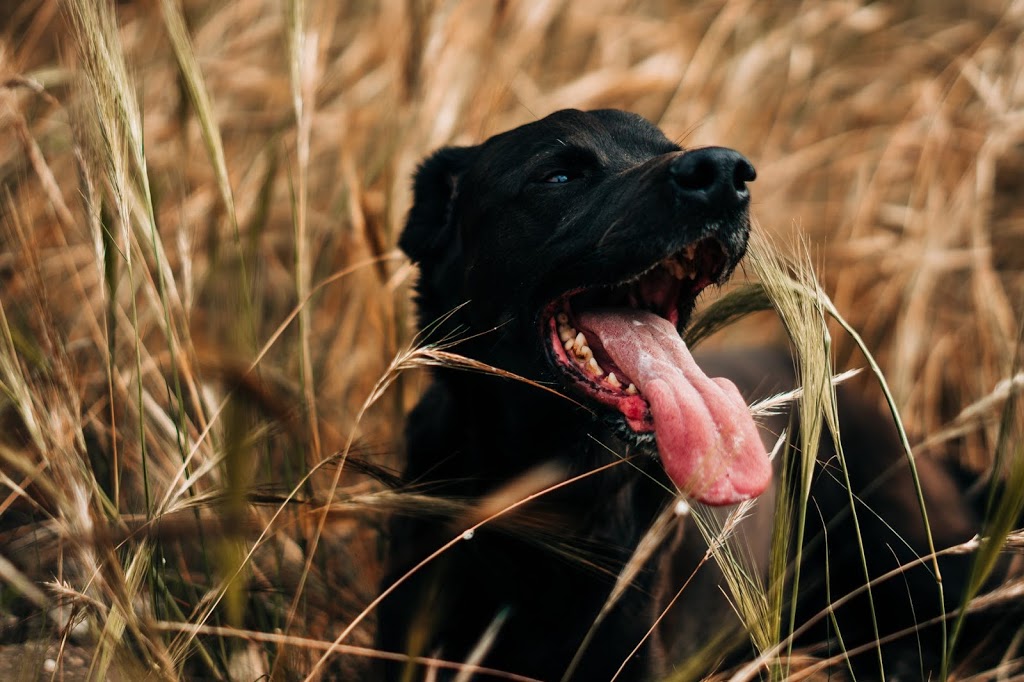
- Drooling or Panting: Excessive drooling (hypersalivation) and rapid, shallow breathing (panting) are common physiological responses to stress, even when not hot or exercising.
- Dilated Pupils: A dog’s eyes may appear wider, with larger pupils, indicating a state of heightened arousal or fear.
- Tucked Tail: A classic sign of fear or submission, an anxious dog often holds their tail low or tucked tightly between their legs.
- Flattened Ears: Ears pinned back against the head can indicate fear, submission, or anxiety.
- Yawning: While sometimes a sign of tiredness, yawning can also be a calming signal or a sign of stress in dogs, especially when out of context.
- Lip Licking: Rapid or repetitive lip licking, often without food present, is another common calming signal or sign of mild to moderate stress.
- Gastrointestinal Upset: Anxiety can manifest as diarrhea, vomiting, or other digestive issues, particularly in sensitive dogs.
- Shedding: Increased shedding can occur during stressful events or periods of chronic anxiety.
Vocal Symptoms
- Whining: Persistent whining, often accompanied by pacing or seeking attention, is a common expression of anxiety.
- Growling: While sometimes a warning, growling can also be a sign of fear-based aggression or discomfort in an anxious dog.
- Howling: Especially prevalent in separation anxiety, howling is a long-distance distress call.
- Barking: Repetitive or high-pitched barking, particularly when unaccompanied by other typical dog greetings, can signal distress.
What Causes Dog Anxiety?
Anxiety in dogs can stem from a variety of sources. Understanding these can help you pinpoint the root of your dog’s distress:
- Genetics: Some breeds or individual dogs may be predisposed to anxiety due to genetic factors.
- Lack of Socialization: Insufficient exposure to different people, places, sounds, and other animals during critical developmental periods (puppyhood) can lead to fear and anxiety later in life.
- Traumatic Experiences: A single traumatic event, such as abandonment, abuse, an accident, or a frightening encounter, can induce lasting anxiety.
- Past History: Dogs adopted from shelters or rescues, particularly those with unknown backgrounds, may have experienced past trauma or neglect that contributes to anxiety.
- Aging and Cognitive Decline: Older dogs can develop cognitive dysfunction syndrome (CDS), which can manifest as anxiety, disorientation, and changes in sleep-wake cycles.
- Medical Conditions: Underlying health issues, pain, or hormonal imbalances can cause or exacerbate anxiety. Always rule out medical causes with a veterinarian.
- Changes in Environment or Routine: Dogs thrive on routine. Major changes like moving to a new home, a new family member (human or pet), or a shift in the owner’s schedule can trigger anxiety.
Diagnosing Dog Anxiety
If you suspect your dog is suffering from anxiety, the first and most crucial step is to consult your veterinarian. A vet can rule out any underlying medical conditions that might be causing or contributing to the symptoms. They may perform a physical examination, blood tests, or other diagnostics. Once medical causes are excluded, your vet may refer you to a veterinary behaviorist or certified professional dog trainer specializing in anxiety.

A thorough behavioral history, including when and how symptoms occur, is vital for diagnosis. Video recordings of your dog’s behavior when you’re not present can be incredibly helpful for diagnosing conditions like separation anxiety.
Managing and Treating Dog Anxiety
Treating dog anxiety often involves a multi-faceted approach tailored to the individual dog and the type of anxiety they experience. The therapeutic benefits of interaction with animals are increasingly recognized, with systematic reviews exploring its efficacy, such as in animal-assisted therapy for human eating disorder treatment. While this specific study focuses on humans, it underscores the profound impact animals have on mental well-being, which can be mirrored in the structured support we provide to our anxious canine companions.
Behavioral Modification and Training
- Desensitization and Counter-Conditioning: This involves gradually exposing your dog to their triggers at a low intensity while creating positive associations. For example, for noise phobia, playing storm sounds at a very low volume while giving treats, slowly increasing the volume over time.
- Positive Reinforcement: Reward calm and desirable behaviors. Avoid punishing anxious behaviors, as this can worsen the anxiety.
- Structured Routine: A predictable daily schedule for feeding, walks, play, and potty breaks can provide a sense of security and reduce generalized anxiety.
- Crate Training: For some dogs, a properly introduced and positive crate experience can provide a safe den, reducing anxiety when left alone.
Environmental Enrichment
- Mental Stimulation: Puzzle toys, snuffle mats, and interactive feeders can keep your dog’s mind engaged and reduce boredom, a common contributor to anxiety.
- Physical Exercise: Adequate daily exercise, appropriate for your dog’s breed and age, helps burn off excess energy and can promote a calmer state of mind.
- Safe Space: Provide a quiet, comfortable “den” where your dog can retreat and feel secure, away from household commotion.
- Calming Aids: Products like pheromone diffusers (e.g., Adaptil), thunder shirts, calming beds, or calming supplements may offer some dogs additional comfort. Always consult your vet before introducing supplements.
Medication
In moderate to severe cases, or when behavioral modifications alone are insufficient, your veterinarian may prescribe anti-anxiety medication. These medications can help reduce the intensity of anxiety, making it easier for behavioral training to be effective. Medication is rarely a standalone solution but a tool to support behavioral therapy. Your vet will determine the appropriate medication and dosage.
When to See Your Vet
It’s always best to consult your veterinarian as soon as you notice persistent or concerning signs of anxiety in your dog. Early intervention can prevent the condition from worsening and improve outcomes. You should definitely schedule a vet visit if your dog exhibits any of the following:
- Sudden onset of anxiety symptoms.
- Symptoms that are worsening despite your efforts to manage them.
- Destructive behaviors that are causing harm to your home or your dog.
- Aggression stemming from anxiety.
- Loss of appetite or significant changes in eating habits.
- Any physical symptoms like excessive drooling, panting, or gastrointestinal upset that don’t have another clear medical explanation.
- If your dog is self-mutilating (e.g., excessive licking leading to sores).
- If you are struggling to cope with your dog’s anxiety behaviors.
Your veterinarian can provide a proper diagnosis, rule out medical causes, and develop a tailored treatment plan, which may include medication, referral to a veterinary behaviorist, or recommendations for professional trainers. The American Veterinary Medical Association (AVMA) is an excellent resource for finding qualified veterinary professionals.
Prevention Tips for Canine Anxiety
While not all anxiety can be prevented, especially if genetic factors are at play, proactive steps can significantly reduce the likelihood and severity of anxiety in dogs:
- Early Socialization: Expose puppies to a wide range of positive experiences, people, and environments during their critical socialization period (up to 16 weeks).
- Consistent Training: Basic obedience and consistent expectations provide structure and build confidence.
- Adequate Exercise and Mental Stimulation: A tired dog is often a well-behaved dog. Ensure your dog gets enough physical activity and mental challenges.
- Positive Reinforcement: Always use reward-based training methods. Harsh punishment can create fear and anxiety.
- Gradual Introductions: Introduce new situations, people, or pets slowly and positively.
- Health Management: Regular vet check-ups can catch and address potential health issues that might contribute to anxiety. The VCA Animal Hospitals website offers valuable information on pet health.
Frequently Asked Questions (FAQ)
Can dog anxiety be cured completely?
While some forms of anxiety can be significantly managed and even appear “cured” with consistent effort and professional guidance, chronic or severe anxiety often requires ongoing management rather than a complete cure. The goal is to reduce the intensity and frequency of anxious behaviors and improve your dog’s quality of life. With the right approach, many anxious dogs can lead happy, well-adjusted lives.
What is the difference between fear and anxiety in dogs?
Fear is an emotional response to an immediate, identifiable threat or danger. For example, a dog might show fear when a loud firework suddenly goes off. Anxiety, on the other hand, is the anticipation of future danger or a perceived threat, often without an immediate, obvious trigger. It’s a state of apprehension and worry, even when the specific threat isn’t present. For instance, a dog with noise phobia might become anxious hours before a predicted thunderstorm. The ASPCA provides resources on understanding canine behavior.
Are certain dog breeds more prone to anxiety?
Yes, some breeds appear to have a genetic predisposition to anxiety. Breeds often cited for higher rates of separation anxiety or generalized anxiety include German Shepherds, Border Collies, Labrador Retrievers, and various small breeds like Chihuahuas and Toy Poodles. However, anxiety can affect any dog, regardless of breed. The American Kennel Club (AKC) offers breed-specific information that may highlight predispositions.
How long does it take to treat dog anxiety?
The timeline for treating dog anxiety varies greatly depending on the individual dog, the type and severity of their anxiety, and the consistency of the treatment plan. Mild cases might show improvement within weeks, while severe or chronic anxiety can take months or even years of dedicated effort. It’s often a journey that requires patience, consistency, and a willingness to adapt strategies as needed. Consulting with a veterinary behaviorist or certified professional dog trainer, as recommended by resources like PetMD, can significantly expedite progress.
Can diet affect dog anxiety?
While diet is not a direct cure for anxiety, a balanced and high-quality diet is crucial for overall health and can indirectly support a dog’s mental well-being. Some studies suggest that certain nutritional deficiencies or imbalances could potentially impact mood and behavior. Additionally, specific supplements, such as L-theanine or alpha-casozepine, found in some calming diets or treats, may help some dogs manage mild anxiety. Always discuss any dietary changes or supplements with your veterinarian to ensure they are appropriate and safe for your dog.
References
- Kershaw KA et al. The prevalence of anxiety in adult endocrinology outpatients: A systematic review and meta-analysis. Psychoneuroendocrinology. 2023 Dec;158:106547. https://pubmed.ncbi.nlm.nih.gov/37776733/
- Fennig MW et al. Animal-assisted therapy in eating disorder treatment: A systematic review. Eating behaviors. 2022 Dec;47:101666. https://pubmed.ncbi.nlm.nih.gov/36206618/
- Leighton SC et al. Service Dogs for Veterans and Military Members With Posttraumatic Stress Disorder: A Nonrandomized Controlled Trial. JAMA network open. 2024 Jun 3;7(6):e2415849. https://pubmed.ncbi.nlm.nih.gov/38833250/
Image Credits: 12019 via Pixabay | AlainAudet via Pixabay | 3194556 via Pixabay