



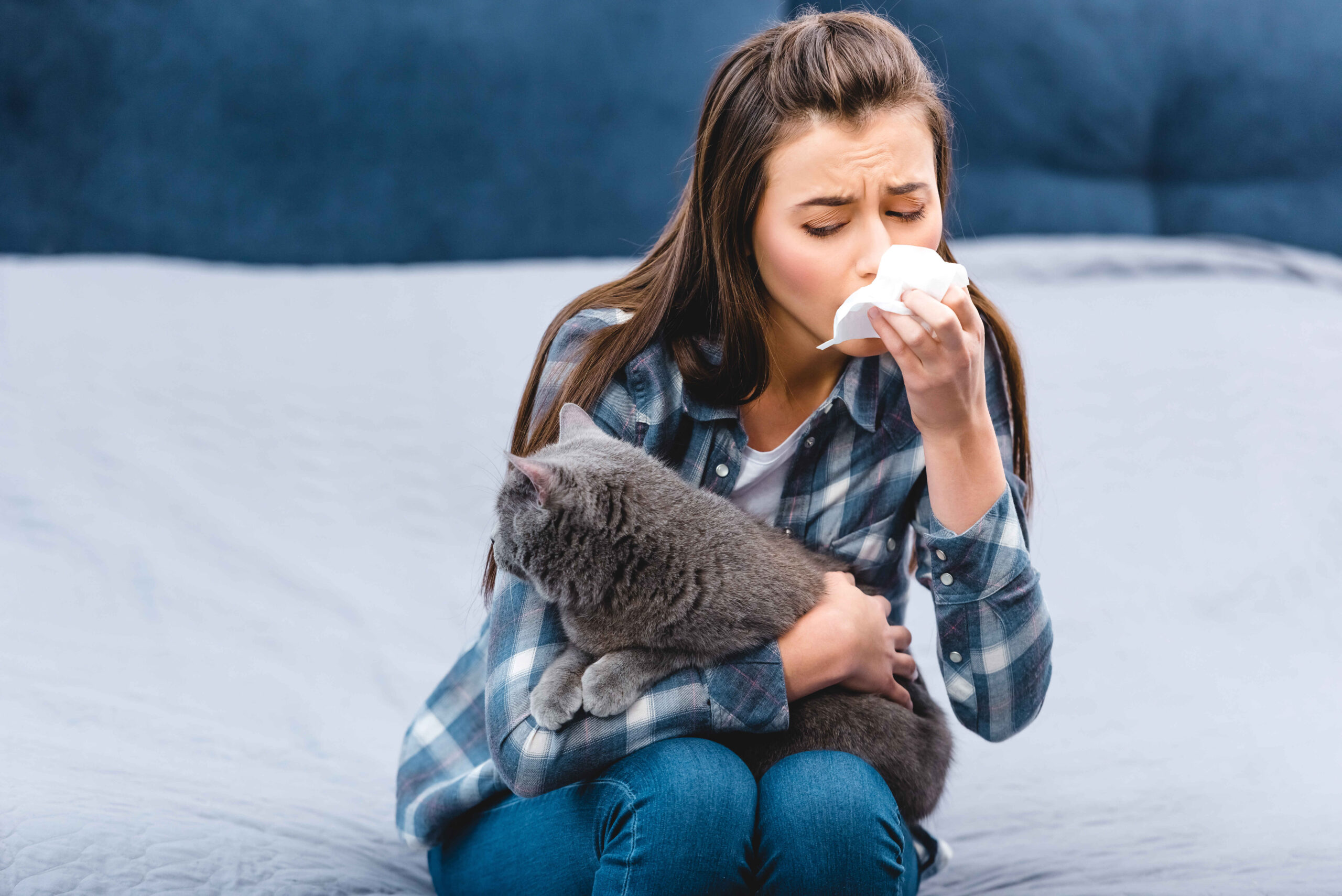
For animal lovers, there are few things more heartbreaking than discovering you are allergic to the very pets you adore. Figuring out how to live with pet allergies is an incredibly common and frustrating problem. It can feel like a cruel joke when all you want to do is snuggle your dog or cat, but doing so results in a relentless attack of sneezing, itching, and coughing.
- The Science: Understanding Pet Allergies
- Getting an Accurate Diagnosis
- 7 Expert Tips on How to Live with Pet Allergies
- Top 5 Pet Allergy Myths Busted
- Are There “Allergy-Friendly” Pets?
- Medical Treatment Options: Beyond the Sneezing
- Conclusion
- Frequently Asked Questions (FAQ)
- Can you build up an immunity to your own dog or cat?
- Are short-haired dogs better for allergies than long-haired dogs?
- Do air purifiers really help with pet allergies?
- What is the difference between pet hair and pet dander?
- References
Pet allergies can affect anyone, regardless of age, gender, or whether you grew up surrounded by animals. However, a diagnosis does not necessarily mean you have to give up your furry family members. With advancements in allergy treatments and a strategic approach to home management, millions of pet parents successfully share their homes with animals without suffering.
In this comprehensive guide, we will break down the science of what actually causes these allergic reactions, debunk the biggest myths surrounding “hypoallergenic” pets, and provide you with a powerful arsenal of vet- and allergist-approved strategies so you can learn exactly how to live with pet allergies comfortably.
The Science: Understanding Pet Allergies
To effectively manage an allergy, you must first understand what is triggering it. A common misconception is that animal fur is the problem. In reality, pet allergies are caused by a hyperactive immune system reacting to specific, microscopic proteins.
When your body encounters these proteins, your immune system mistakenly identifies them as dangerous invaders (like a virus or bacteria). It triggers the production of Immunoglobulin E (IgE) antibodies, which in turn cause your cells to release histamine. This massive histamine dump is what creates the miserable allergy symptoms.
These allergenic proteins are primarily found in three places:
- Pet Dander: These are microscopic, dead skin cells that constantly flake off your pet. Because dander is so incredibly small and lightweight, it remains suspended in the air for hours and easily sticks to furniture, carpets, and clothing.
- Saliva: The allergenic proteins (such as Can f 1 in dogs and Fel d 1 in cats) are heavily concentrated in your pet’s saliva. When a pet licks themselves, the saliva dries on their fur and becomes airborne as dander.
- Urine: Proteins in pet urine can also trigger severe respiratory reactions, particularly when cleaning a cat’s litter box or cleaning up puppy accidents.
Recognizing the Symptoms
The symptoms of pet allergies can range from mildly annoying to severely debilitating. Depending on the individual’s sensitivity and the level of exposure, symptoms often include:
- Frequent sneezing, runny nose, and severe nasal congestion
- Red, itchy, swollen, and watery eyes
- Skin rashes, redness, or hives where a pet has licked or scratched you
- Coughing, wheezing, or shortness of breath (especially in individuals with allergy-induced asthma)
- Postnasal drip leading to a sore throat
- Chest tightness or pain during severe flare-ups
Getting an Accurate Diagnosis
If you suspect you are allergic to your pet, do not self-diagnose. Many people mistakenly blame their dog or cat when they are actually allergic to the pollen, mold, or dust mites that the pet is tracking into the house from outside!
Diagnosing pet allergies involves consulting an allergist. They will take a detailed medical history and perform specific testing. A skin prick test introduces a tiny amount of the pet allergen into your skin to see if a red, raised bump (a wheal) forms. Alternatively, a specific IgE blood test can measure your immune system’s exact antibody response to dog or cat proteins.
7 Expert Tips on How to Live with Pet Allergies
Sharing a home with an animal when you are allergic can be challenging, but it is entirely possible to manage your symptoms. Here is how to create an allergy-friendly home environment:
- Create a Strict “Pet-Free” Sanctuary: Your bedroom must be a completely pet-free zone. You spend one-third of your life sleeping; giving your immune system 8 hours of allergen-free air to recover is crucial. Keep the bedroom door closed at all times and never let the pet on your bed.
- Upgrade Your Air Filtration: Invest in high-quality air purifiers equipped with True HEPA filters and place them in the rooms where you spend the most time. A HEPA filter forces air through a fine mesh that traps harmful microscopic particles, including pet dander.
- Rethink Your Flooring: Wall-to-wall carpeting is a magnet for pet dander and saliva. If possible, replace carpets with hard flooring like wood, tile, or vinyl, which can be easily mopped. If you must have carpets, use a vacuum cleaner with a certified HEPA filter at least twice a week.
- Wash Your Hands Religiously: Get into the habit of washing your hands and face immediately after petting, brushing, or playing with your pet. This prevents you from accidentally rubbing the invisible allergens directly into your eyes or nose.
- Delegate the Grooming: Bathing your pet regularly with a gentle, moisturizing pet shampoo can wash away excess dander and dried saliva. However, the allergic person should *not* be the one doing the grooming! Have a non-allergic family member brush the pet outside, or utilize a professional groomer.
- Wash Bedding Frequently: Wash your pet’s bedding, toys, and blankets weekly in hot water to destroy accumulating dander and proteins.
- Change Clothes After Cuddling: If you have a heavy cuddle session with your dog or cat, change your shirt afterward to avoid carrying the dander around with you for the rest of the day.


Top 5 Pet Allergy Myths Busted
Pet allergies are surrounded by misconceptions that can make it hard for people to understand and manage their symptoms. Let’s separate fact from fiction.
Myth 1: Pet allergies are caused by pet hair.
Fact: Pet hair itself is not the allergen. It is the dander, saliva, and urine that contain the triggering proteins. While long pet hair can act like a broom, collecting and holding onto dander and outdoor pollen, the hair itself is not what makes you sneeze.
Myth 2: “Hypoallergenic” dog and cat breeds will not cause allergies.
Fact: There is no such thing as a 100% hypoallergenic dog or cat. “Hypo” simply means “less.” All dogs and cats produce dander and saliva, meaning all breeds produce allergens. Individual reactions vary widely; a person may react severely to one “hypoallergenic” breed but have no reaction to a standard mixed breed.
Myth 3: You only develop pet allergies as a child.
Fact: The human immune system is dynamic. Even people who have lived comfortably with pets their entire lives can suddenly develop a pet allergy well into adulthood. Allergic reactions can be triggered by sudden changes in the immune system, moving to a new environment, or increased stress levels.
Myth 4: Allergy shots are a quick cure for pet allergies.
Fact: Allergy shots (immunotherapy) are highly effective at reducing symptoms, but they are not a quick, overnight cure. Immunotherapy requires a significant time commitment—often involving years of regular injections—to train the immune system to tolerate the allergen.
Myth 5: If you are allergic, you absolutely cannot have pets.
Fact: While severe, life-threatening asthma may require a pet-free home, the vast majority of people with mild to moderate allergies can live happily with pets by combining medical treatments with strict environmental management.
Are There “Allergy-Friendly” Pets?
If you do not currently have a pet but are looking to adopt, you may wonder if certain breeds are safer. While no furry pet is completely allergen-free, some breeds are considered “low-allergen” because they have hair instead of fur, shed less frequently, or produce lower levels of specific proteins.
- Allergy-Friendly Dogs: Bichon Frise, Chinese Crested, Maltese, Poodle (and Poodle mixes), Schnauzer, Shih Tzu, and Yorkshire Terrier.
- Allergy-Friendly Cats: Balinese, Javanese, Oriental Shorthair, Russian Blue, Siamese, and the hairless Sphynx.
- Truly Hypoallergenic Pets: If your allergies are too severe for mammals, consider pets that do not produce dander or mammalian proteins at all. Birds, fish, reptiles (like geckos or bearded dragons), and amphibians make wonderful, fascinating companions that will never trigger a dander allergy!
Medical Treatment Options: Beyond the Sneezing
If environmental changes are not enough to show you how to live with pet allergies symptom-free, modern medicine offers fantastic solutions.
- Antihistamines: Over-the-counter medications (like cetirizine, loratadine, or fexofenadine) block the histamine your body produces, providing rapid relief for itching, sneezing, and a runny nose.
- Nasal Corticosteroids: Prescription or OTC steroid nasal sprays are often considered the most effective treatment for allergic rhinitis. They drastically reduce inflammation directly within the nasal passages.
- Decongestants: These help reduce severe nasal congestion and swelling by constricting the blood vessels in your nose. (Note: These should only be used short-term to avoid “rebound” congestion).
- Leukotriene Modifiers: Prescription medications (like Montelukast) block certain immune system chemicals and are particularly helpful for allergy-induced asthma.
- Immunotherapy (Allergy Shots or Drops): For long-term relief, an allergist can administer immunotherapy. By exposing your body to tiny, gradually increasing doses of the pet allergen over several years, your immune system essentially becomes desensitized. A newer, needle-free alternative called Sublingual Immunotherapy (SLIT)—where drops are placed under the tongue—is also becoming a popular, highly effective option for pet owners.
Conclusion
Living with pet allergies can feel like a constant battle between your heart and your immune system. However, by understanding the true nature of allergens, separating fact from fiction, establishing strict cleaning routines, and partnering with an allergist for proper medical management, you do not have to choose between your health and your best friend. With patience and persistence, you can take control of your allergies and enjoy a lifetime of unconditional love and companionship.
Frequently Asked Questions (FAQ)
Can you build up an immunity to your own dog or cat?
Yes, some pet owners experience a phenomenon where they gradually become desensitized to their own specific pet over time. However, this is unpredictable. While your body may get used to your own dog’s specific dander, you may still have severe allergic reactions when visiting a friend’s house who has the exact same breed of dog.
Are short-haired dogs better for allergies than long-haired dogs?
Not necessarily. Because allergies are caused by the proteins in dander and saliva, the length of the dog’s coat is irrelevant. In fact, some short-haired dogs shed more profusely than long-haired dogs, spreading more dander into the environment. Breeds with continuously growing hair (like Poodles) are generally better than breeds with fur, regardless of length.
Do air purifiers really help with pet allergies?
Yes, they make a massive difference. Air purifiers equipped with True HEPA filters are highly effective at pulling microscopic pet dander out of the air before it can settle into your carpets or enter your respiratory system. For the best results, place one in the room where your pet spends the most time, and one in your bedroom.
What is the difference between pet hair and pet dander?
Pet hair is the visible fur that your pet sheds. Pet dander consists of microscopic, invisible flakes of dead skin that fall off your pet’s body. The allergenic proteins are attached to the dander, not the hair itself. Because dander is so tiny, it easily becomes airborne and inhaled, which is what triggers the allergic reaction.
References
- American College of Allergy, Asthma & Immunology (ACAAI). Pet Allergy Overview. ACAAI.org
- Asthma and Allergy Foundation of America (AAFA). Pet Allergies. AAFA.org
- Mayo Clinic. Pet allergy: Symptoms and causes. MayoClinic.org
- Cat (Fel d 1) and dog (Can f 1) allergen levels in cars, dwellings and schools – PMC
Image Credits: Images sourced via standard Pixabay license. Representative imagery used for illustrative purposes.