
As devoted pet parents, we strive to provide our feline companions with a life filled with comfort, joy, and security. However, beneath their often stoic or playful exteriors, many cats can experience a complex emotional state known as anxiety. It is more than just occasional fear or nervousness; it’s a persistent and often debilitating condition that can manifest in a range of challenging behaviors. Because of this, understanding proper cat anxiety symptoms and treatment is crucial for your pet’s well-being and for maintaining a harmonious household.
- What is Cat Anxiety?
- Common Signs of Cat Anxiety
- Causes of Cat Anxiety
- Diagnosing Cat Anxiety
- Treatment and Management Strategies
- 1. Environmental Enrichment & Management:
- 2. Behavior Modification:
- 3. Pheromone Therapy:
- 4. Dietary Supplements:
- 5. Medication:
- Addressing Sleep-Related Problems:
- Preventing Cat Anxiety
- When to See Your Vet
- Frequently Asked Questions (FAQ)
- Can cat anxiety be cured completely?
- How long does it take to treat cat anxiety?
- Are there natural remedies for cat anxiety?
- Can I use human anxiety medication for my cat?
- What is separation anxiety in cats and how is it different from general anxiety?
- Conclusion
- References
In this comprehensive guide for 2026, we’ll dive into the world of feline anxiety, exploring its root causes, diagnostic approaches, and a spectrum of scientifically-backed management strategies. Our goal is to equip you with the knowledge and tools to help your anxious cat lead a calmer, happier life.
What is Cat Anxiety?
Anxiety in cats can be defined as the anticipation of a perceived danger or threat, even when no actual danger is present. This anticipation triggers a stress response, leading to a variety of physiological and behavioral changes. While fear is a natural, short-term reaction to an immediate threat, anxiety is often a more prolonged state of apprehension about future or unknown stressors. Cats are creatures of habit and thrive on consistency, making them particularly susceptible to anxiety when their routines or environments are disrupted.
Common Signs of Cat Anxiety
Recognizing the signs of anxiety in your cat is the first step toward helping them. These signs can range from subtle to overt and may involve changes in body language, elimination habits, grooming, vocalization, and interaction patterns. It’s important to note that many of these symptoms can also indicate underlying medical conditions, making a veterinary check-up essential to rule out physical causes.
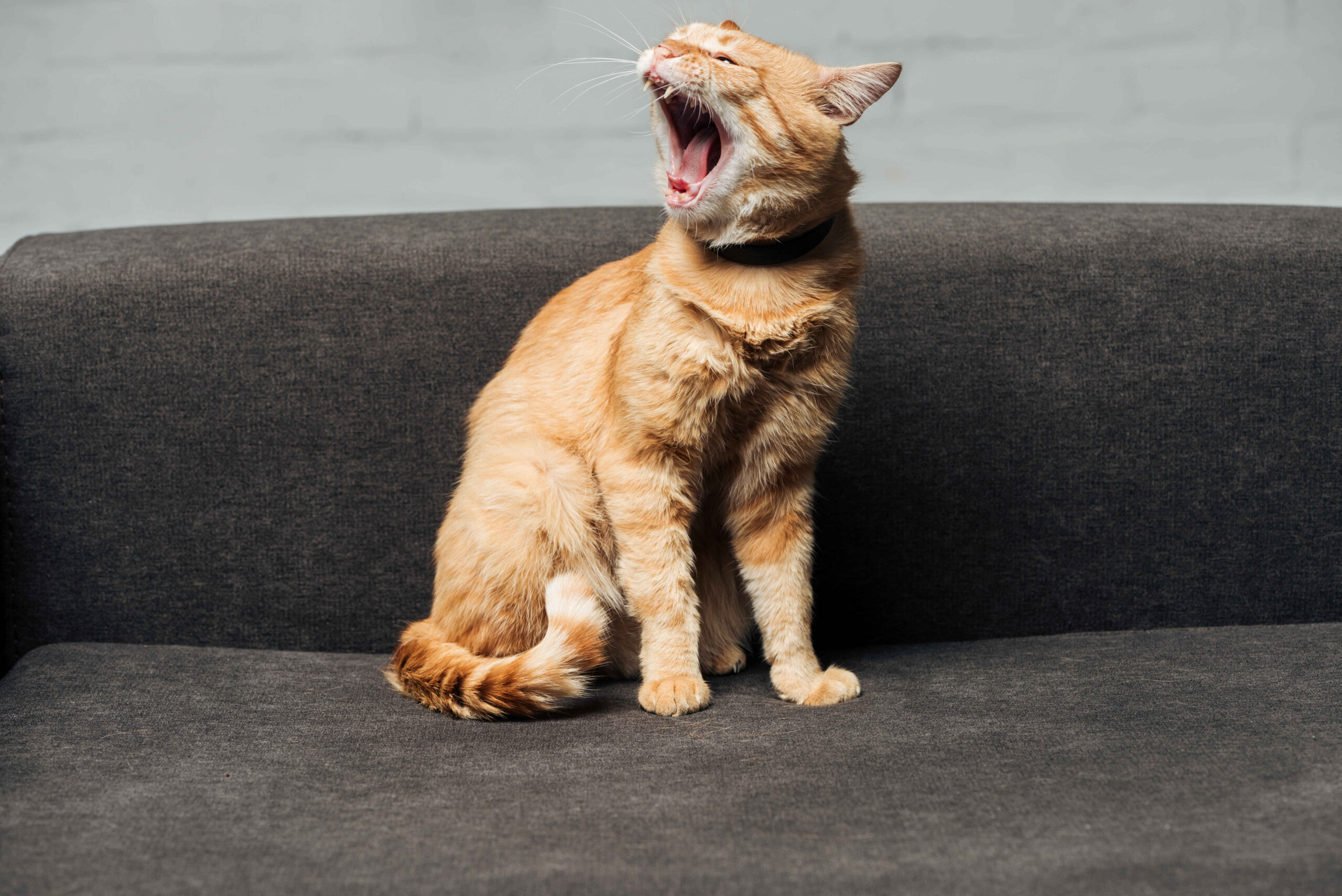
Behavioral Indicators:
- Hiding or Escaping: Anxious cats often seek out secluded spots to hide, such as under beds or in closets, more frequently than usual. They may also try to escape situations that trigger their anxiety.
- Changes in Interaction: A previously social cat might become withdrawn, avoiding eye contact, or showing disinterest in play and interaction. Conversely, some anxious cats may become hyper-attached or overly clingy.
- Restlessness or Pacing: Cats experiencing anxiety might pace frequently or appear restless, unable to settle down.
- Destructive Behavior: Anxious cats may scratch or chew on furniture, doors, or windows, especially if they feel trapped or are experiencing separation anxiety.
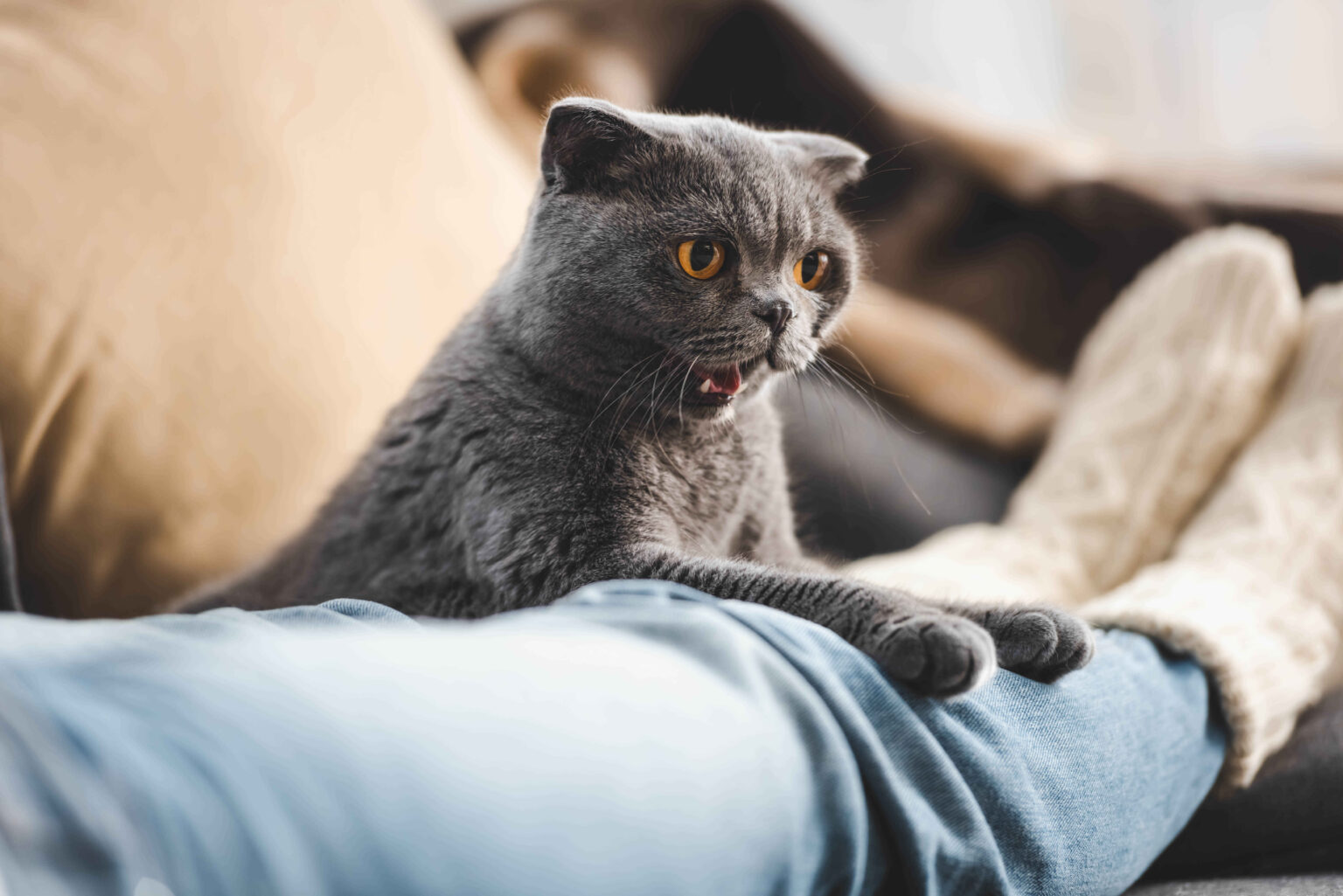
- Aggression: Anxiety can manifest as aggression towards people or other pets. This can include hissing, swatting, biting, or spitting, often preceded by warning signs like a stiffened posture, constricted pupils, or flattened ears. Fear-induced aggression is common when cats feel they cannot escape a perceived threat.
Physiological & Grooming Changes:
- Overgrooming: Excessive self-licking can be a self-calming mechanism for anxious cats, sometimes leading to hair loss (psychogenic alopecia) or skin lesions.
- Appetite Changes: Anxiety can cause a cat to eat less or, in some cases, more than usual.
- Gastrointestinal Issues: Vomiting or diarrhea can be stress-related symptoms in anxious felines.
- Increased Vocalization: Anxious cats may meow excessively, often in a different tone than their usual vocalizations, or howl.
- Body Language: Subtle cues include holding the tail close to the body, flicking the tail, dilated pupils, pinned ears, crouching, freezing, or piloerection (hair standing on end).
- Trembling or Panting: In more severe cases, physical reactions like trembling, panting, or increased heart and respiratory rates can occur.
Elimination Problems:
- Inappropriate Urination or Defecation: Urinating or defecating outside the litter box is a common and distressing sign of anxiety, often indicating a cat’s discomfort with their environment, litter box setup, or a medical issue. As Neilson J (2004) highlights, feline elimination problems are frequently linked to stress and anxiety, necessitating a thorough investigation to rule out medical causes and address behavioral triggers.
- Urine Marking/Spraying: This is distinct from inappropriate urination and is a territorial behavior that can intensify with anxiety or perceived threats.
Causes of Cat Anxiety
Numerous factors can contribute to feline anxiety, often a combination of several elements:
- Environmental Changes: Cats are highly sensitive to their surroundings. Moving to a new home, rearranging furniture, introducing new pets or people, loud noises (like fireworks or construction), or even changes in their owner’s schedule can trigger anxiety.
- Social Factors: Lack of early socialization (between 7 to 12 weeks of age) can lead to habitual fearfulness. Conflict with other pets in the household or a perceived threat from unfamiliar animals can also cause significant stress.
- Traumatic Experiences: A single traumatic event, such as a frightening encounter, abuse, or neglect, can result in lasting fear and generalized anxiety.
- Separation Anxiety: This occurs when cats become distressed when separated from their guardians or primary attachment figures. It’s often seen in single-pet households, with single owners, or after significant routine changes (e.g., an owner returning to work).
- Medical Conditions: Pain, illness (e.g., arthritis, urinary tract infections, hyperthyroidism), or neurological disorders can cause anxiety or exacerbate existing behavioral problems. It is critical to rule out medical issues before addressing anxiety as a purely behavioral problem.
- Aging: Older cats can experience cognitive dysfunction or other age-related health issues that contribute to anxiety.
- Genetic Predisposition: Some breeds may have a genetic inclination towards certain compulsive behaviors, which can be linked to anxiety.
Diagnosing Cat Anxiety
Diagnosing cat anxiety requires a multi-faceted approach, usually starting with your veterinarian. A thorough physical examination and diagnostic tests (blood work, urinalysis, etc.) are essential to rule out any underlying medical conditions that could be causing or contributing to the symptoms.

Once medical causes are excluded, your vet may refer you to a veterinary behaviorist or help you with a behavioral consultation. They will take a detailed history of your cat’s behavior, environment, and daily routine to identify potential triggers and patterns. This comprehensive assessment is crucial for formulating an effective treatment plan.
Treatment and Management Strategies
Managing cat anxiety often involves a combination of environmental modifications, behavior modification techniques, and, in some cases, medication or supplements. The goal is to reduce stress, build confidence, and provide your cat with a sense of security.
1. Environmental Enrichment & Management:
- Create Safe Spaces: Provide your cat with multiple secluded, elevated, and easily accessible safe spots where they can retreat and feel secure, away from social areas or other pets.
- Consistent Routine: Maintain a predictable daily schedule for feeding, playtime, and interaction. Cats thrive on routine, and consistency reduces uncertainty.
- Mental Stimulation: Offer puzzle feeders, interactive toys, and regular play sessions to satisfy their natural predatory instincts and prevent boredom. Rotate toys to keep them novel and engaging.
- Litter Box Management: Ensure enough litter boxes (one per cat plus one extra is often recommended), placed in quiet, accessible locations. Use unscented, clumping litter and scoop frequently.
- Vertical Space: Cats feel safer when they can observe their surroundings from above. Provide cat trees, shelves, or window perches.
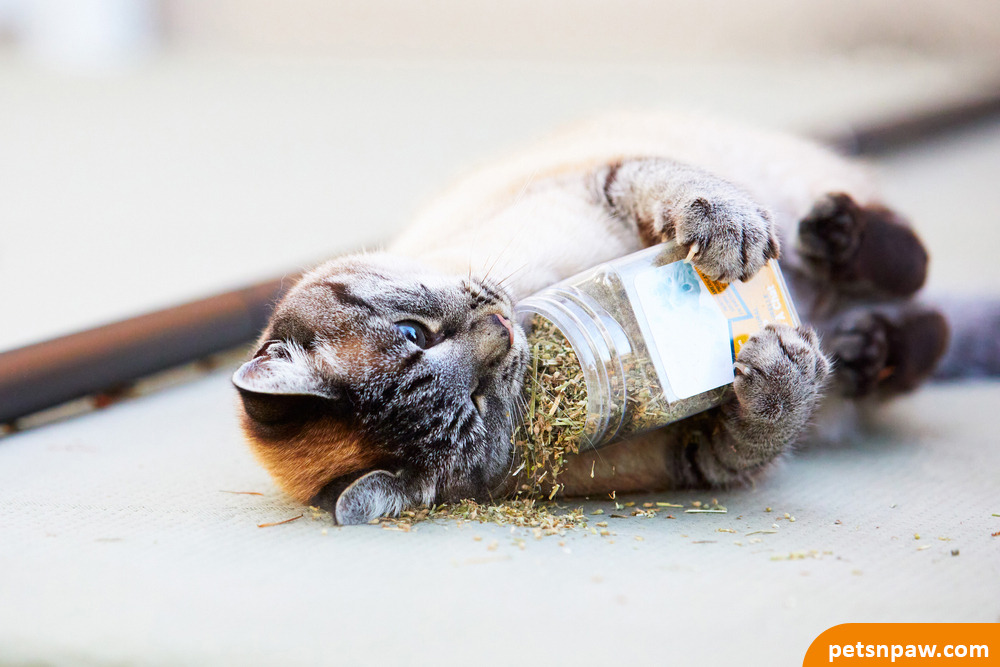
- Sensory Enrichment: Use calming music or white noise. Some cats respond positively to catnip or other stimulating scents.
2. Behavior Modification:
- Desensitization and Counter-conditioning: These techniques involve gradually exposing your cat to anxiety triggers at a low intensity while simultaneously creating a positive association (e.g., treats, praise). This helps your cat learn to associate the trigger with something pleasant rather than fearful.
- Positive Reinforcement: Reward desirable behaviors with treats, praise, or play. Avoid punishment, as it can increase anxiety and damage your bond. Clicker training can be a highly effective positive reinforcement tool.
- Gradual Introductions: When introducing new pets or people, do so slowly and positively, allowing cats to adjust at their own pace.
3. Pheromone Therapy:
Synthetic feline pheromones, available as diffusers, sprays, or collars, mimic the natural calming pheromones produced by mother cats or those deposited by cats when they feel secure. These can help create a sense of familiarity and safety in the environment.
4. Dietary Supplements:
Certain supplements, such as those containing L-Tryptophan, alpha-casozepine, or probiotics, may help manage anxiety. Emerging research, like the work by Novau-Ferré N et al. (2025) on gut microbiome differences and probiotic supplementation in children with neurodevelopmental disorders, suggests a growing understanding of the gut-brain axis, which could have implications for anxiety management in animals as well. Always consult your veterinarian before introducing any supplements.
5. Medication:
For moderate to severe cases of anxiety, especially when behavioral and environmental modifications are insufficient, your veterinarian may prescribe anti-anxiety medications. These can include daily long-term medications (e.g., fluoxetine, amitriptyline) or short-term medications for specific stressful events (e.g., gabapentin, trazodone). Medications are typically used in conjunction with behavior modification and environmental changes, not as a standalone solution. A new drug containing pregabalin (Bonqat) was approved in late 2023 by the FDA to alleviate acute anxiety and fear associated with transportation and veterinary visits.
Addressing Sleep-Related Problems:
Anxiety can significantly disrupt a cat’s sleep patterns, and conversely, poor sleep can exacerbate anxiety. If your cat is experiencing sleep-related problems due to anxiety, addressing the anxiety directly through the methods above is key. As Caporino NE et al. (2017) demonstrated in children and adolescents, effective anxiety treatment often leads to improvements in sleep quality. Ensuring a calm, dark, and comfortable sleeping environment can also be beneficial.
Preventing Cat Anxiety
Prevention is always better than cure. Here are ways to minimize the risk of anxiety in your cat:
- Early Socialization: Expose kittens to various positive experiences, people, and gentle handling during their critical socialization period (7-12 weeks) to build resilience.
- Stable Environment: Provide a consistent, predictable home environment and routine. Minimize sudden, drastic changes whenever possible.
- Enrichment from the Start: Offer plenty of opportunities for play, exploration, and mental stimulation from a young age.
- Positive Veterinary Experiences: Acclimate your kitten to their carrier and car rides with positive reinforcement. Consider “happy visits” to the vet where no procedures are performed, only treats and praise are given, to create positive associations.
When to See Your Vet
It is critical to seek veterinary attention if you observe any signs of anxiety in your cat. A prompt visit ensures that potential underlying medical conditions are ruled out or treated.
You should consult your veterinarian if your cat exhibits:
- Sudden changes in behavior, especially aggression or withdrawal.
- Inappropriate urination or defecation.
- Excessive grooming leading to hair loss or skin irritation.
- Persistent vocalization.
- Changes in appetite or gastrointestinal issues.
- Any signs of pain or discomfort.
- If their anxiety is daily, regularly triggered, or significantly impacting their quality of life or your family’s.
Your veterinarian can provide an accurate diagnosis, rule out medical causes, and help you develop a tailored management plan, potentially including referrals to veterinary behaviorists or prescriptions for anti-anxiety medications.
Frequently Asked Questions (FAQ)
Can cat anxiety be cured completely?
While complete “cure” might not always be possible, cat anxiety is highly manageable. With a combination of environmental adjustments, behavior modification, and sometimes medication, many cats can experience a significant reduction in anxiety symptoms and lead a much happier, calmer life. The goal is often to reduce the intensity and frequency of anxious behaviors and improve their coping mechanisms. Consistency in applying management strategies is key to long-term success.
How long does it take to treat cat anxiety?
The timeline for treating cat anxiety varies greatly depending on the individual cat, the severity and cause of the anxiety, and the consistency of the treatment plan. Some cats may show improvement within weeks of environmental changes and behavior modification, while others, especially those requiring medication, might need several months to stabilize. Long-term management may be necessary for some cats, with certain medications taking 4-6 weeks to reach full effect.
Are there natural remedies for cat anxiety?
Several natural approaches can complement a comprehensive anxiety management plan. These include creating a calming environment, providing ample enrichment, using synthetic feline pheromones, and sometimes certain dietary supplements like L-Tryptophan or probiotics. However, it’s crucial to discuss any natural remedies with your veterinarian to ensure they are safe and appropriate for your cat and do not interact with other treatments.
Can I use human anxiety medication for my cat?
No, you should absolutely never administer human anxiety medication to your cat without explicit veterinary guidance. Dosing for cats is vastly different from humans, and many human medications can be toxic or fatal to felines. Always consult your veterinarian, who can prescribe appropriate, cat-specific medications if necessary.
What is separation anxiety in cats and how is it different from general anxiety?
Separation anxiety in cats is a specific type of anxiety triggered by the separation from their primary guardian or attachment figure. While general anxiety can be caused by a wide range of factors (new environments, loud noises, other pets, etc.), separation anxiety specifically manifests when the owner is absent or preparing to leave. Symptoms often include excessive vocalization, inappropriate elimination, destructive behavior, and hyper-attachment when the owner is present.
Conclusion
Cat anxiety is a complex but treatable condition that requires patience, understanding, and a proactive approach from pet owners. By learning to recognize the subtle signs, identifying potential triggers, and implementing a tailored management plan, you can significantly improve your cat’s emotional well-being. Remember, your veterinarian is your best resource for diagnosing anxiety and guiding you through the treatment process, ensuring your beloved feline friend can live a life free from undue stress and fear. With dedication and the right support, you can help your anxious cat transform into a confident, contented companion.
References
-
- Novau-Ferré N et al. Gut microbiome differences in children with Attention Deficit Hyperactivity Disorder and Autism Spectrum Disorder and effects of probiotic supplementation: A randomized controlled trial. Research in developmental disabilities (2025). https://pubmed.ncbi.nlm.nih.gov/40184961/
- Caporino NE et al. Sleep-Related Problems and the Effects of Anxiety Treatment in Children and Adolescents. Journal of clinical child and adolescent psychology : the official journal for the Society of Clinical Child and Adolescent Psychology, American Psychological Association, Division 53 (2017). https://pubmed.ncbi.nlm.nih.gov/26467211/
- Neilson J. Thinking outside the box: feline elimination. Journal of feline medicine and surgery (2004). https://pubmed.ncbi.nlm.nih.gov/15123161/
- VCA Animal Hospitals. Frightened felines: anxiety in cats. https://vcahospitals.com/know-your-pet/frightened-felines-anxiety-in-cats
- ASPCA Pet Health Insurance. Cats and Anxiety. https://www.aspcapetinsurance.com/pet-information/cat-care/cats-and-anxiety/
- PetMD. Anxiety Disorders in Cats. https://www.petmd.com/cat/conditions/behavioral/c_ct_anxiety_disorders
- PetMD. The Ultimate Guide to Cat Anxiety. https://www.petmd.com/cat/behavior/ultimate-guide-cat-anxiety
- PetMD. 6 Cat Calming Products to Help Ease Cat Anxiety. https://www.petmd.com/cat/behavior/6-cat-calming-products-help-ease-cat-anxiety
- PetMD. 5 Vet Approved Ways to Calm Your Cat. https://www.petmd.com/cat/behavior/5-vet-approved-ways-calm-your-cat
- PetMD. 10 Cat Anxiety Medications. https://www.petmd.com/cat/behavior/10-cat-anxiety-medications
- VCA Animal Hospitals. Cat Behavior Problems – Fears and Phobias. https://vcahospitals.com/know-your-pet/cat-behavior-problems-fears-and-phobias
- VCA Animal Hospitals. Reducing the Stress of Veterinary Visits for Cats. https://vcahospitals.com/know-your-pet/reducing-the-stress-of-veterinary-visits-for-cats
- VCA Animal Hospitals. Fear Free for Cats. https://vcahospitals.com/know-your-pet/fear-free-for-cats
- VCA Animal Hospitals. Medication to Reduce the Stress of Veterinary Visits for Cats. https://vcahospitals.com/know-your-pet/medication-to-reduce-the-stress-of-veterinary-visits-for-cats
- ASPCA Pet Health Insurance. Separation Anxiety in Cats. https://www.aspcapetinsurance.com/pet-information/cat-care/separation-anxiety-in-cats/
- ASPCA. Can Pets Suffer from Anxiety? https://www.aspca.org/news/can-pets-suffer-anxiety
- ASPCA Pet Health Insurance. Easing Your Cat’s Veterinary Visit Anxiety. https://www.aspcapetinsurance.com/pet-information/cat-care/easing-your-cats-veterinary-visit-anxiety/
- ASPCA. Separation Anxiety in Pets: 7 Tips and Tricks. https://www.aspca.org/news/separation-anxiety-pets-7-tips-and-tricks
- American Veterinary Medical Association. Setting cats up for success includes ‘gaslighting’ them. https://www.avma.org/news/avma-news/setting-cats-success-includes-gaslighting-them
- American Veterinary Medical Association. New drug calms cats during transportation, veterinary visits. https://www.avma.org/news/press-releases/new-drug-calms-cats-during-transportation-veterinary-visits
- American Veterinary Medical Association. For indoor cats, wellbeing requires more than physical safety. https://www.avma.org/news/avma-news/indoor-cats-wellbeing-requires-more-physical-safety
- Ross University School of Veterinary Medicine. 5 Tips to Keep Your Cat Calm at the Vet. https://veterinary.rossu.edu/about/blog/5-tips-to-keep-your-cat-calm-at-the-vet
- ASPCA® Pet Health Insurance. Cat Behavior Problems and Training Tips. https://www.aspcapetinsurance.com/pet-information/cat-care/cat-behavior-problems-and-training-tips/
- Friends For Life Animal Shelter. Top 9 Cat Behavior Challenges. https://www.friends4life.org/top-9-cat-behavior-challenges/
- VCA Animal Hospitals. Cat Behavior Problems – Compulsive Disorders in Cats. https://vcahospitals.com/know-your-pet/cat-behavior-problems-compulsive-disorders-in-cats
- Merck Veterinary Manual. Behavior Problems in Cats. https://www.merckvetmanual.com/cat-owners/behavior-of-cats/behavior-problems-in-cats
- YouTube. The 3 Most Common Cat Behavior Problems Solved. https://www.youtube.com/watch?v=0k_0h888H3o
Image Credits: Mysticsartdesign via Pixabay | Pexels via Pixabay | TeamK via Pixabay