

As devoted pet parents, we strive to provide our feline companions with a life filled with comfort, joy, and security. However, beneath their often stoic or playful exteriors, many cats experience a complex emotional state known as anxiety. It is more than just occasional fear or nervousness. It is a persistent and often debilitating condition that can manifest in a range of challenging behaviors.
- What Is Cat Anxiety?
- Common Cat Anxiety Symptoms
- Why Is My Cat Suddenly Anxious?
- Cat Separation Anxiety: Can Cats Miss Their Owners?
- How Vets Diagnose Cat Anxiety
- Cat Anxiety Treatment Options
- Natural Remedies for Cat Anxiety
- When Cat Anxiety Becomes an Emergency
- How to Prevent Anxiety in Cats
- Frequently Asked Questions
- Can cats have panic attacks?
- How long does cat anxiety last?
- Can anxiety cause litter box issues?
- Will cat anxiety go away on its own?
- Are some cat breeds more anxious than others?
- Final Thoughts
- References & Further Reading
Unfortunately, cat stress symptoms are frequently overlooked. Cats are masters at hiding their discomfort, a survival instinct passed down from their wild ancestors. Furthermore, owners often mistake anxiety for behavioral stubbornness or physical illness. Because psychological distress can closely mimic physical disease (and vice versa), understanding proper feline mental health is absolutely crucial for your pet’s well-being and for maintaining a harmonious household.
In this comprehensive guide, we will dive deep into the world of cat anxiety symptoms and treatment. We will explore the root causes, uncover the most common physical and behavioral indicators, and detail a spectrum of scientifically-backed management strategies. Our goal is to equip you with the knowledge and tools to help your anxious cat lead a calmer, happier life.
What Is Cat Anxiety?
To properly help your pet, you must first understand the difference between normal fear and chronic anxiety. Fear is a natural, short-term reaction to an immediate, tangible threat, like a loud vacuum cleaner or an aggressive stray animal outside. Once the threat leaves, the fear subsides.
Anxiety, on the other hand, is the anticipation of a perceived danger or threat, even when no actual danger is currently present. This anticipation triggers a continuous stress response in the body, flooding your cat’s system with cortisol and adrenaline. Over time, this chronic state of high alert takes a severe toll on a cat’s behavior, immune system, and physical health.
Some cats are naturally more prone to anxiety than others. Genetics play a role, as do early life experiences. Cats that lacked proper socialization with humans and other animals during their critical developmental window (between 2 to 7 weeks of age) are statistically much more likely to develop generalized anxiety as adults. Furthermore, because cats are creatures of strict habit that thrive on consistency, any disruption to their routine makes them highly susceptible to stress.
Common Cat Anxiety Symptoms
Recognizing the cat anxiety symptoms in your household is the very first step toward providing relief. These signs of anxiety in cats can range from incredibly subtle to blatantly obvious. It is vital to note that many of these symptoms overlap with physical illnesses, making a veterinary check-up essential.
Behavioral Signs
- Hiding: Anxious cats often seek out dark, secluded spots to hide, such as under beds or deep in closets, far more frequently than usual. They use hiding as a coping mechanism to escape overwhelming environments.
- Aggression: Anxiety frequently manifests as fear-induced aggression towards people or other pets. This can include hissing, swatting, biting, or spitting when they feel cornered and cannot escape a perceived threat.
- Excessive Vocalization: If your cat is suddenly meowing constantly, howling in the middle of the night, or using a distressed tone, they are likely trying to communicate their anxiety.
- Restlessness and Pacing: Cats experiencing high stress levels might pace repeatedly along a specific path or appear restless, completely unable to settle down and relax.
- Clinginess: While some cats withdraw, others become hyper-attached. An anxious cat may shadow your every move and refuse to be in a room alone.
Physical Signs
- Dilated Pupils: Large, saucer-like pupils in a brightly lit room indicate that your cat’s sympathetic nervous system is in “fight or flight” mode.
- Flattened Ears: Ears pinned back tightly against the head (often called “airplane ears”) are a classic indicator of fear and defensive stress.
- Trembling: Noticeable shaking or shivering, without a drop in room temperature, is a severe physical response to psychological panic.
- Panting: Unlike dogs, cats rarely pant. If your cat is open-mouth breathing or panting after a stressful event (like a car ride), they are experiencing extreme anxiety.
- Increased Heart and Respiratory Rate: A rapidly beating heart and fast, shallow breaths are direct physiological reactions to stress hormones.
Stress-Related Habits
- Overgrooming in Cats: Excessive self-licking is a very common self-calming mechanism. Sadly, this repetitive behavior often leads to bald patches, skin lesions, and painful infections on their belly or legs.
- Litter Box Avoidance: Urinating or defecating outside the box is a distressing sign of anxiety. Stress severely impacts a cat’s bladder health, making them associate the litter box with discomfort.
- Scratching and Destructive Behavior: Anxious cats may violently scratch furniture, doors, or window frames, especially if they are trying to escape the house or mark their territory with the scent glands in their paws.
Why Is My Cat Suddenly Anxious?

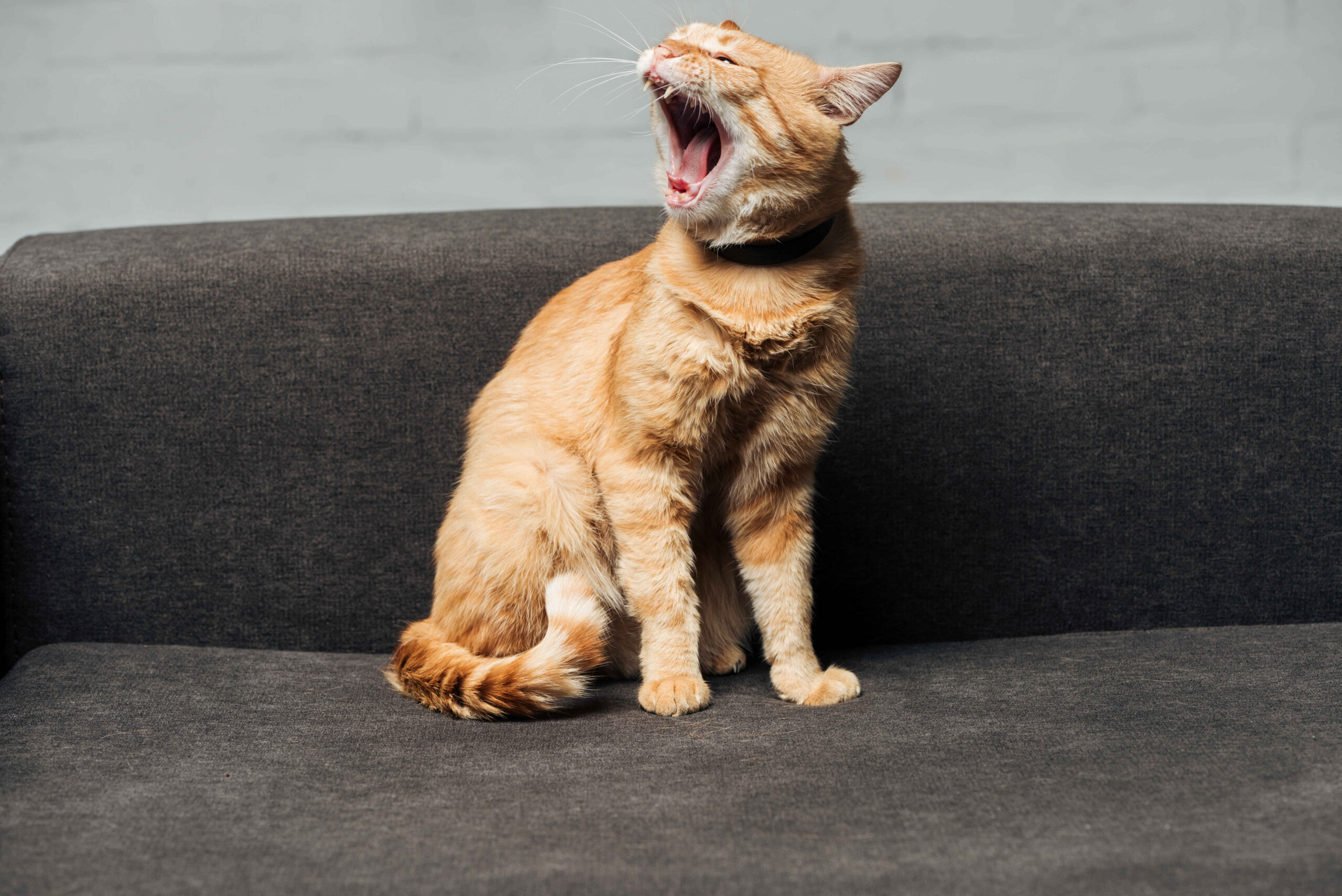
If your previously calm feline is acting strangely, you are likely asking yourself: why is my cat suddenly anxious? Sudden behavioral shifts are almost always triggered by a specific catalyst. Finding that trigger is half the battle.
Environmental Changes
Cats are deeply territorial and highly sensitive to their physical surroundings. Moving to a new house is one of the most traumatic events a cat can experience. Even smaller disruptions, such as rearranging the living room furniture, bringing in loud new appliances, or hosting unfamiliar houseguests for the weekend, can shatter their sense of security.
Household Changes
The social dynamics within your home greatly impact your cat’s mental state. Bringing home a new baby, adopting a new puppy, or even taking in another cat requires a massive adjustment period. Furthermore, the loss of a bonded companion (whether human or animal) can trigger profound grief and subsequent anxiety.
Medical Causes That Mimic Anxiety
Before assuming a problem is purely psychological, you must rule out physical pain. Cats hide pain exceptionally well. Conditions like hyperthyroidism can cause extreme restlessness and vocalization. Urinary tract diseases cause litter box avoidance and pacing. Underlying neurological issues, arthritis, or dental pain can easily make a cat aggressive, reclusive, and highly anxious. Always consult your veterinarian first.
Cat Separation Anxiety: Can Cats Miss Their Owners?
We often think of dogs when we hear the term separation anxiety, but cat separation anxiety is a very real and increasingly common diagnosis. Cats form intense, deeply bonded attachments to their human guardians. When that person leaves the house, the cat can experience profound panic.
Signs of separation anxiety specifically manifest when you prepare to leave or while you are gone. Your cat may block the door, vocalize excessively as you grab your keys, or eliminate on your personal belongings (like your bed or laundry basket) while you are at work. This is distinctly different from simple boredom. A bored cat might knock a glass off the counter for entertainment, but an anxious cat destroys doorframes trying to follow you or grooms themselves raw from stress.
Risk factors for this condition include being a strictly indoor cat, living in a single-person household, being orphaned too early as a kitten, or experiencing a sudden, drastic change in your work-from-home schedule.
How Vets Diagnose Cat Anxiety
Diagnosing clinical anxiety requires a multi-faceted approach. There is no simple blood test that turns positive for stress. Instead, veterinarians rely on behavioral history and the vital process of elimination.
Your vet will start with a thorough physical examination, blood work, and a urinalysis to rule out those medical causes that mimic anxiety. The Merck Veterinary Manual on feline behavior emphasizes that treating a behavioral issue without first ruling out underlying pain is highly ineffective and dangerous.
Once medical problems are excluded, the vet will take a detailed behavioral history. They will ask you about your cat’s environment, daily routine, diet, and the specific timing of the symptoms. By identifying the exact patterns and triggers, your vet (or a referred veterinary behaviorist) can formulate an accurate diagnosis and an effective treatment plan.
Cat Anxiety Treatment Options
When it comes to cat anxiety treatment, there is no one-size-fits-all cure. Managing the condition successfully usually requires a blended approach of environmental adjustments, behavior modification, and sometimes veterinary medicine.
Environmental Management
- Safe Hiding Spaces: Ensure your cat has multiple secluded, dark spots where they can retreat uninterrupted. Cozy cave beds or cleared-out closet shelves work perfectly.
- Vertical Territory: Cats feel inherently safer when they can observe their world from high above. Install sturdy cat trees, wall shelves, or secure window perches to expand their vertical territory.
- Predictable Routine: Maintain a strict daily schedule for feeding, playtime, and interaction. Consistency reduces uncertainty, which directly lowers anxiety.
- Separate Resources in Multi-Cat Homes: If you have multiple cats, competition causes massive stress. Provide separate feeding stations, water bowls, and scratching posts. The golden rule for litter boxes is one per cat, plus one extra, placed in different quiet rooms.
Behavioral Modification
- Desensitization: This technique involves gradually exposing your cat to their anxiety trigger at a very low, non-threatening intensity. For example, if they fear the vacuum, leave it turned off in the corner of the room for a few days before ever turning it on.
- Counterconditioning: This pairs the scary stimulus with something incredibly positive. If your cat hates the carrier, feed them their favorite high-value treats inside the open carrier daily.
- Positive Reinforcement: Always reward calm, brave behaviors with treats or gentle praise. Never yell at or physically punish an anxious cat, as this will instantly shatter their trust and skyrocket their fear.
Veterinary Treatments
For moderate to severe cases, your veterinarian may prescribe specific medications. Short-term medications (like Gabapentin) are excellent for predictable, acute stress events, such as a thunderstorm or a dreaded trip to the clinic. In fact, you can read more about how newly approved veterinary drugs help calm cats during transportation from the American Veterinary Medical Association.
For chronic, daily anxiety, long-term medications such as Fluoxetine (Prozac) or Amitriptyline may be necessary. These medications help balance the neurotransmitters in your cat’s brain, allowing them to finally relax enough to learn from your behavioral training.
Natural Remedies for Cat Anxiety
If your cat’s symptoms are mild, or you want to support their prescription treatment, many owners seek out natural remedies for cat anxiety to help calm an anxious cat at home.
Synthetic feline pheromone diffusers (like Feliway) mimic the natural comforting markers mother cats produce, sending a chemical message of safety throughout the room. Calming supplements containing L-Theanine or Alpha-casozepine can also naturally reduce stress levels. Furthermore, a healthy gut biome is linked to mental health; introducing high-quality probiotics for your pet’s immune system can provide incredible, holistic support.
Do not underestimate the power of play therapy. Using a wand toy for 15 minutes a day allows your cat to execute their natural hunt-catch-kill sequence. This builds immense confidence and burns off nervous energy. Food puzzles also provide excellent mental enrichment.
A crucial warning: never use essential oils to calm your cat. While lavender or chamomile might relax humans, a cat’s liver lacks the specific enzyme needed to process essential oils. Diffusing or applying them can cause severe, fatal toxicity.
When Cat Anxiety Becomes an Emergency
While chronic stress is a long-term management issue, certain anxiety-induced symptoms require immediate emergency veterinary care. Take your cat to the clinic right away if you observe the following:
- Not Eating or Drinking: A cat that stops eating for more than 24 to 48 hours is at severe risk of developing hepatic lipidosis (fatty liver disease), which can be fatal.
- Urinary Blockage Signs: Stress is a leading cause of Feline Idiopathic Cystitis (FIC). If your male cat is straining in the litter box, crying in pain, or unable to pass urine, this is a life-threatening medical emergency that requires immediate intervention. Research published by the Journal of Feline Medicine and Surgery highlights that feline elimination issues are heavily tied to environmental stress.
- Severe Aggression: If the anxiety turns into dangerous, unprovoked attacks that put humans or other pets at risk of severe injury.
- Self-Harm: If overgrooming in cats leads to open, bleeding wounds, severe infections, or self-mutilation.
How to Prevent Anxiety in Cats
Prevention is always better than cure. To raise a confident, resilient feline, focus heavily on early socialization. Expose young kittens (between 2 to 7 weeks old) to various positive experiences, different people, and gentle handling. This builds a strong foundation against future fears.
When introducing new pets or family members, always execute gradual, scent-based introductions over several weeks rather than forcing face-to-face meetings immediately. Maintain stable, predictable daily routines, and ensure their indoor environment is constantly enriched with scratching posts, window views, and interactive toys.
Frequently Asked Questions
Can cats have panic attacks?
Yes. Just like humans, cats can experience sudden, overwhelming surges of intense fear. During a panic attack, a cat may wildly attempt to escape a room, pant heavily, tremble violently, or lose control of their bowels. It is critical to remain calm, give them space, and remove the trigger immediately.
How long does cat anxiety last?
The timeline varies entirely depending on the individual cat and the root cause. Acute anxiety from a specific event (like a loud party) usually subsides within a few hours. Generalized or separation anxiety can last for months or years and requires consistent, ongoing management and therapy.
Can anxiety cause litter box issues?
Absolutely. Stress and anxiety are leading causes of inappropriate elimination. Anxious cats often develop inflammation in their bladder, making urination painful. They may also pee on your bed or clothes to surround themselves with your comforting scent when they feel insecure.
Will cat anxiety go away on its own?
Chronic anxiety rarely resolves without active intervention. In fact, if left unaddressed, the fearful behaviors typically escalate and become deeply ingrained habits. Proactive environmental changes and behavioral training are required to help them overcome their fears.
Are some cat breeds more anxious than others?
Yes. While any cat can develop anxiety, highly intelligent, energetic, and socially demanding breeds like Siamese, Bengals, and Abyssinians are statistically more prone to stress and separation anxiety if their mental and physical needs are not consistently met.
Final Thoughts
Navigating cat anxiety symptoms and treatment is a complex journey that requires immense patience, deep empathy, and a proactive approach. It can be heartbreaking to watch your beloved companion struggle with fear, but you must reassure yourself that feline anxiety is highly manageable.
By learning to recognize the subtle physical signs, identifying specific environmental triggers, and implementing a tailored management plan, you can significantly improve your cat’s emotional well-being. Never hesitate to partner with your veterinarian for persistent symptoms. With absolute dedication, consistency, and the right support system, you can help your anxious cat transform back into a confident, contented, and deeply loved companion.
References & Further Reading
- Journal of Feline Medicine and Surgery: Thinking outside the box: feline elimination (2004)
- PetMD: The Ultimate Guide to Cat Anxiety
- VCA Animal Hospitals: Frightened felines: anxiety in cats
- American Veterinary Medical Association (AVMA): New drug calms cats during transportation, veterinary visits
- Merck Veterinary Manual: Behavior Problems in Cats