


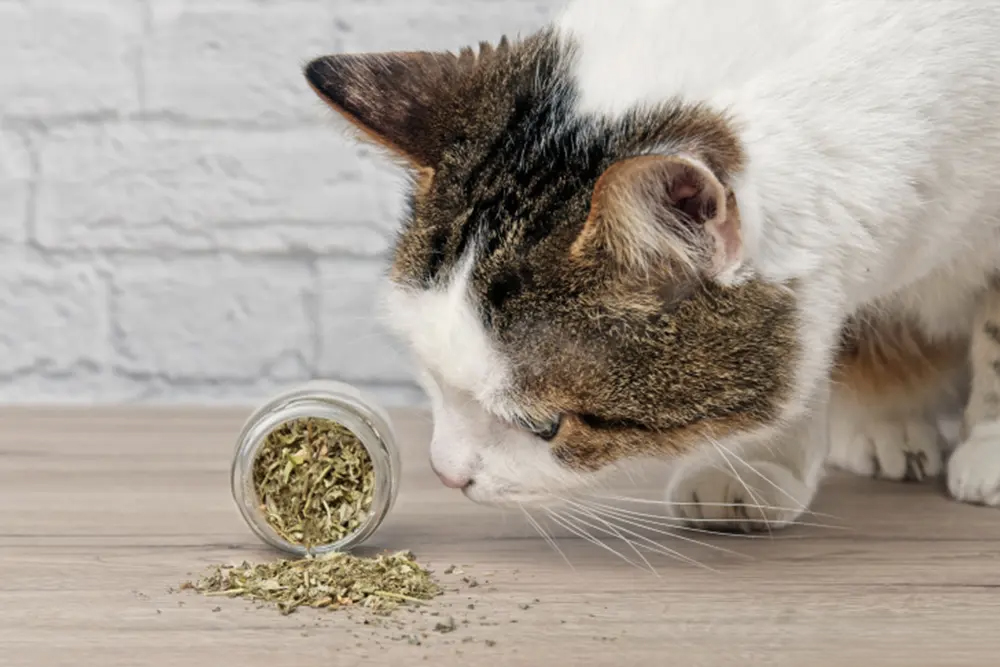
If you have ever watched your typically dignified domestic kitten transform into a drooling, rolling, hyperactive acrobat after sniffing a small plush toy, you have undoubtedly witnessed the magic of catnip. This highly fragrant herb exerts a powerful, almost mystical spell over felines. In fact, even massive wild predators like lions, tigers, and leopards just cannot seem to get enough of it.
- 1. The Science: What Does Catnip Do to Cats Biologically?
- 2. Why Does My Cat Go Crazy for Catnip?
- 3. Smelling vs. Eating: The Dual Effects
- 4. The Genetic Lottery: Why Do Some Cats Ignore It?
- 5. How Long Does Catnip Last in Cats?
- 6. Toys and Enrichment: Practical Uses
- Conclusion
- Frequently Asked Questions (FAQ)
- What does catnip do to cats on a neurological level?
- Why do cats like catnip so much?
- How long does catnip last in cats?
- Is catnip safe for cats to eat every day?
- Why does my cat go crazy for catnip but my kitten ignores it?
- References & Further Reading
For decades, pet owners have used this invasive member of the mint family to reward, train, and entertain their furry friends. But what exactly is happening inside your cat’s brain? If you find yourself asking what does catnip do to cats biologically, and why some felines go entirely wild while others completely ignore it, you are in the right place. In this comprehensive guide, we will dive into the fascinating science behind this magical plant, explore the behavioral changes you see in your living room, and share vet-approved strategies for using it as a daily enrichment tool.
1. The Science: What Does Catnip Do to Cats Biologically?
To truly understand what does catnip do to cats, we must look closely at the plant itself. Originally hailing from Asia and Europe, catnip (scientifically known as Nepeta cataria) is a fast-growing, weedy herb belonging to the mint family. Its profound association with felines is so deeply rooted in history that even its Latin-derived species name literally translates to “of a cat.”
Catnip’s undeniable allure lies entirely in its volatile oils, which are heavily concentrated in the plant’s leaves, stems, and seeds. The star player in this essential oil is a potent chemical compound called nepetalactone.
When a susceptible cat takes a deep sniff of this herb, the nepetalactone enters their nasal passages and binds to specialized olfactory receptors. Cats possess a unique organ located at the roof of their mouth called the vomeronasal gland. When the scent hits this gland, it sends powerful, immediate signals directly to the amygdala and hypothalamus, which are the emotional and behavioral centers of the feline brain.
This neurological reaction closely mimics the effect of feline sexual pheromones. The brain is essentially tricked into experiencing a sudden, intense burst of euphoria and pleasure, resulting in the dramatic behavioral shifts owners find so entertaining.
2. Why Does My Cat Go Crazy for Catnip?
The behavioral changes triggered by this herb are incredibly distinct. If you are asking yourself, “why does my cat go crazy for catnip?”, it helps to look at the specific actions they take and the evolutionary science behind them.
When the euphoric high hits, you will typically observe the following behavioral sequence:
- Sniffing and Licking: The cat will intensely investigate the source, licking and chewing the herb to release more of the volatile oils.
- Head Rubbing and Chin Rolling: They will rub their cheeks and chin aggressively all over the plant or toy.
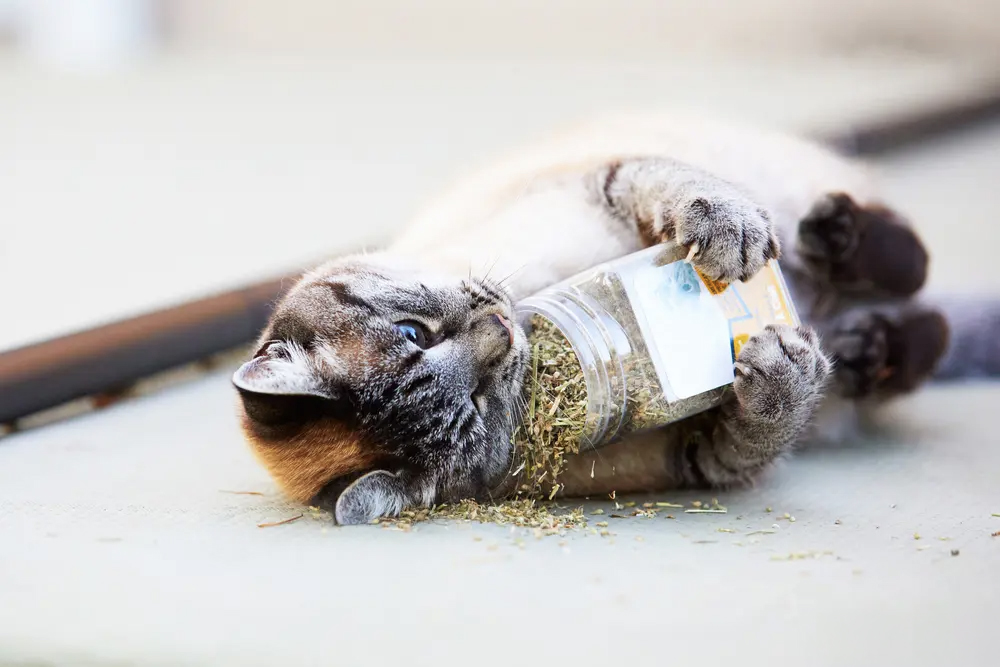
- Full-Body Rolling: The cat will drop to the floor, rolling head-over-tail, flipping back and forth in a state of obvious bliss.
- Vocalization and Bunny-Kicking: Many cats become highly vocal, meowing or growling happily, while grabbing the toy with their front paws and rapidly kicking it with their hind legs in a classic hunting behavior.
A common question is why do cats like catnip from an evolutionary standpoint. Scientists have long debated why cats evolved to love this plant so much. Recent research suggests a fascinating survival advantage. Nepetalactone is a known, highly effective natural insect repellent. By vigorously rolling around in crushed leaves, wild cats effectively coated their fur in a chemical shield that protected them from mosquitoes, ticks, and biting flies while they hunted in tall grasses!
3. Smelling vs. Eating: The Dual Effects
The answer to what does catnip do to cats actually changes depending on how they consume it. One of the most fascinating aspects of this herb is that it produces two entirely different physiological reactions.
| Method of Consumption | Neurological Effect | Common Behaviors Observed |
|---|---|---|
| Smelling (Inhalation) | Powerful Stimulant | Hyperactivity, rolling, flipping, rubbing, aggressive playfulness, zooming, and loud vocalizing. |
| Eating (Ingestion) | Mild Sedative / Relaxant | Zoning out, mellowing, deep purring, sleepiness, and resting calmly in a quiet spot. |
The most intense experience always starts with the nose. However, if you want to calm an anxious cat down before a stressful event, like a long car ride or a visit from loud houseguests, encouraging them to eat a small pinch of fresh, crushed leaves can act as a wonderful, natural relaxant. This is incredibly helpful when managing cat anxiety symptoms at home.
4. The Genetic Lottery: Why Do Some Cats Ignore It?
If you have ever presented your cat with a premium toy only to be met with a blank, unimpressed stare, do not worry. Your cat is not broken. The ability to react to the herb is entirely dictated by a genetic lottery.
Only about 50% to 70% of cats inherit the specific dominant gene required to process the nepetalactone chemical. If your cat lacks this gene, they will simply smell a normal, slightly minty plant and walk away completely unaffected.
Furthermore, age plays a massive role. You will not know if your new kitten is one of the lucky ones until they reach the age of 3 to 6 months. Very young kittens lack the mature olfactory receptors needed to process the compound. In fact, many young kittens will actively avoid the strong smell until they reach physical maturity.
5. How Long Does Catnip Last in Cats?
Though intense, the bliss of this herbal high is surprisingly short-lived. A common question among pet owners is exactly how long does catnip last in cats?
For the vast majority of felines, the energetic rolling, drooling, and frantic playing will last for a window of about 10 to 15 minutes. After this short burst of euphoria, the cat will simply lose interest, sit up, and usually walk away to groom themselves or take a nap.
Once the pleasure passes, your cat’s brain enters a biological refractory period. This acts as a biological reset timer. It will take anywhere from 30 minutes to two full hours for their olfactory system to reset. During this refractory window, your kitty will be completely immune to the effects, no matter how much fresh herb you place in front of them.
6. Toys and Enrichment: Practical Uses
Because susceptible felines respond so strongly to this herb, it is a phenomenally powerful training and enrichment aid for indoor cats. Keeping an indoor cat mentally stimulated is vital for preventing common cat behavior problems. Here are a few vet-approved ways to utilize it:
- Save Your Furniture: Want to keep your kitty from clawing your expensive couch? Rub fresh or dried leaves thoroughly into a tall sisal scratching post. The scent will make the post instantly more appealing than your upholstery.
- Introduce New Environments: Bought a new cat bed or trying to get your cat comfortable with their dreaded travel carrier? Sprinkle a little inside. This creates a highly positive, rewarding association with the new space.
- Revive Old Toys: If your cat has grown bored of their toy box, place their old plush toys inside a sealed container with a handful of dried leaves for 24 hours. The toys will absorb the oils and become new and exciting again.
- Redirect Aggression: If your cat tends to play too rough, you can toss a scented toy across the room to safely redirect their hunting instincts. This is a great tip if you are learning how to stop a cat from biting.
🚨 7. Is Catnip Safe for Cats? The Risks of Overindulgence
Many pet parents worry and ask, is catnip safe for cats? The answer is yes. It is completely non-toxic and non-addictive. Your cat cannot overdose in a fatal or permanently damaging way. However, pet parents still need to be mindful of overindulgence.
- Gastrointestinal Upset: If a cat eats too much raw or dried plant matter in one sitting, it can cause mild stomach upset, leading to temporary vomiting or diarrhea.
- Overstimulation: Some cats become overly aggressive rather than playfully energetic when exposed to the scent. If your cat starts hissing or swatting at you, remove the trigger from their environment to prevent stress.
According to the ASPCA Poison Control Center, it is perfectly safe when offered in moderation. Trust your kitty to know when they have had enough, but always monitor their intake during play sessions.
Conclusion
When asking what does catnip do to cats, the truth reveals a fascinating intersection of biology and evolutionary instinct. Understanding these reactions allows you to use this wonderful, aromatic herb to its absolute full potential. Whether you are utilizing its stimulating scent to encourage a lazy indoor cat to exercise, or using its ingestible properties to help mellow out an anxious pet, it remains a safe, natural, and incredibly effective behavioral tool. So go ahead, sprinkle a little on their scratching post and enjoy the joyous, acrobatic bliss that follows!
Frequently Asked Questions (FAQ)
What does catnip do to cats on a neurological level?
It contains an essential oil called nepetalactone. When a cat sniffs this oil, it binds to receptors in their nose and sends signals to the brain that mimic feline “happy” pheromones. This causes a temporary, harmless state of euphoria.
Why do cats like catnip so much?
Cats love it because the active compound triggers the emotional and behavioral centers of their brain, creating an overwhelming sense of pleasure. Evolutionarily, scientists believe cats developed a love for rolling in it because the plant’s oils act as a highly effective natural mosquito and insect repellent.
How long does catnip last in cats?
For most cats, the intense, active effects of a high last for about 10 to 15 minutes. After this window, the cat will naturally lose interest and walk away. Following the reaction, there is a refractory period, which is a biological reset timer, that lasts anywhere from 30 minutes to two hours.
Is catnip safe for cats to eat every day?
Yes, it is neither a drug nor is it addictive. The reaction is an entirely natural, temporary biological response. Your cat will not suffer from withdrawals or build a dangerous physical dependency on the herb, making it a perfectly safe treat to offer in moderation.
Why does my cat go crazy for catnip but my kitten ignores it?
It is not dangerous for kittens, but it is usually entirely ineffective on them. Kittens do not develop the necessary olfactory receptors to process the active compounds until they are between 3 and 6 months of age. Exposing them to it earlier will usually just result in them ignoring it.