


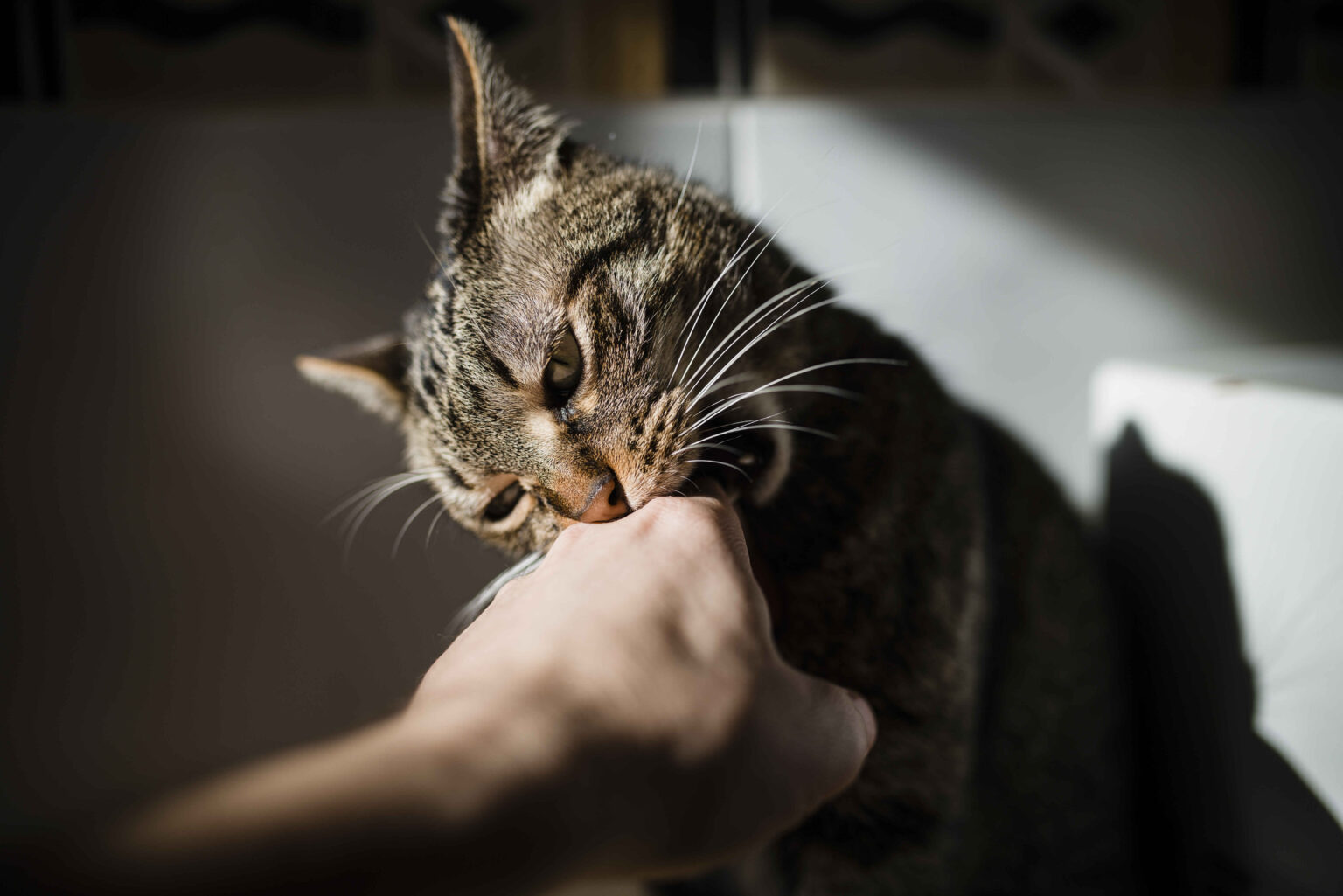
Few things are as heartwarming as a purring cat rubbing against your leg, but few things are as startling and painful as an unexpected cat bite. If you are desperately wondering exactly how to stop a cat from biting, you are certainly not alone. While a playful nip from a tiny kitten might seem harmless, adult cat biting behavior is a serious issue that can cause severe injury and put a massive strain on the human-animal bond. Many pet parents find themselves frustrated and confused when their beloved feline companion suddenly resorts to using their teeth.
- A Quick Look: Why Does My Cat Bite Me?
- Actionable Solutions: How to Stop a Cat from Biting
- How to Stop a Cat from Biting During Play
- How to Stop Kitten Biting
- Managing Petting-Induced Aggression
- Handling Redirected Aggression
- Deep Dive: Understanding Cat Biting Behavior
- Why Does My Cat Randomly Bite Me?
- Why Does My Cat Bite Me When I Pet Him?
- Why Does My Cat Bite Me Then Lick Me?
- Territorial and Attention-Seeking Biting
- When to See Your Vet (Pain-Induced Aggression)
- Frequently Asked Questions (FAQ)
- Can Cats Grow Out of Biting?
- Why Does My Cat Bite Only One Person?
- Can I spray my cat with water when they bite?
- What should I do immediately after my cat bites me hard?
- Is it possible to train an older cat to stop biting?
- References & Further Reading
The good news is that cat biting is almost always a form of communication, not an act of malice. By understanding why your cat is biting, you can implement effective, humane strategies to manage and prevent this behavior. This comprehensive guide, informed by veterinary experts, will delve into the various reasons cats bite and provide practical tips to help you and your feline friend live together harmoniously.
A Quick Look: Why Does My Cat Bite Me?
Cats are highly complex creatures. Their behaviors are deeply rooted in survival instincts, learned experiences, and underlying physical conditions. A bite is almost never totally out of nowhere; it is usually the culmination of ignored warning signals. To help you quickly identify what is triggering your cat, here is a breakdown of the most common types of feline aggression:
| Type of Biting | Common Triggers | Key Warning Signs |
|---|---|---|
| Play Aggression | Boredom, using your hands or feet as toys. | Stalking, pouncing, dilated pupils, no hissing. |
| Petting-Induced | Overstimulation, petting highly sensitive areas like the belly. | Skin rippling, tail thumping, sudden stiffening. |
| Redirected Aggression | Seeing an outdoor cat, sudden loud noises. | Intense staring at the trigger, highly agitated pacing. |
| Pain-Induced | Arthritis, severe dental disease, or a hidden injury. | Growling when a specific body part is touched, lethargy. |
Understanding these categories is the first step toward correcting cat behavior problems and preventing future injuries.
Actionable Solutions: How to Stop a Cat from Biting
Now that you have a basic understanding of their triggers, it is critical to apply the correct solutions immediately. When figuring out how to train a cat not to bite, remember the golden rule: never physically punish them. Yelling, hitting, or using a spray bottle will only shatter their trust in you and escalate their defensive fear. Instead, utilize these vet-approved behavioral modifications.
How to Stop a Cat from Biting During Play
Play aggression is incredibly common and stems directly from their natural hunting instincts. Owners frequently and inadvertently reinforce this behavior by wrestling with cats using their bare hands. Without appropriate toys, the cat learns that human body parts are fair game.
- Freeze Your Movements: If your cat attacks your ankles as you walk, stop moving entirely. A stationary target is boring to a predator.
- Redirect Their Energy: Keep a wand toy or a kicker toy nearby. Whenever they look like they want to pounce, toss the toy to satisfy their hunting instincts safely.
- Withdraw Attention: If they do bite your hand, go completely limp, say a calm but firm “Ouch,” and walk away. Withdraw all attention for five minutes so they learn that teeth on human skin instantly ends the fun.
How to Stop Kitten Biting
Kittens are teething and exploring the world with their mouths. If you are looking for a comprehensive kitten training guide, bite inhibition is usually chapter one. When a kitten bites its siblings too hard, the sibling squeals and stops playing. You must mimic this behavior. Let out a high-pitched “Yip!” if they bite you, then immediately hand them an appropriate teething chew toy.
Managing Petting-Induced Aggression
Consent is key with felines. You must learn to read your cat’s subtle warning signs. If their tail starts thumping the couch, their skin twitches, or their ears flatten backward, stop petting them immediately and let them move away. Stick to petting safe zones like the top of the head, behind the ears, and under the chin. Avoid the belly and the base of the tail, as these are highly sensitive areas that easily trigger overstimulation.
Handling Redirected Aggression
If your cat is pacing, growling, and highly agitated by a stray cat outside, do not touch them or try to pick them up to comfort them. This is a severe form of cat aggression. Close the blinds to remove the visual trigger and give them space to calm down in a dark, quiet room. It can take up to 24 hours for a cat’s adrenaline levels to return to normal after a severe trigger.
Deep Dive: Understanding Cat Biting Behavior
To truly master how to train a cat not to bite, we must dive deeper into the psychology of cat biting behavior. Many owners misinterpret a cat’s actions because felines communicate very differently from humans or dogs.
Why Does My Cat Randomly Bite Me?
This is a very common search query for frustrated owners. Cats rarely do anything randomly. What seems random to you is usually a case of subtle, missed signals. Your cat likely exhibited dilated pupils, a twitching tail, or stiff body posture long before the bite occurred. Sometimes, what feels random is actually pent-up, unspent energy, indicating that your cat needs significantly more daily interactive play.
Why Does My Cat Bite Me When I Pet Him?
If you are asking why does my cat bite me when I pet him, you are dealing with a classic neurological tolerance threshold. Cats have highly sensitive hair follicles. What feels exceptionally good for a few minutes can rapidly become irritating or even physically painful. They bite because it is their fastest, most effective way of emphatically saying they have had enough physical contact.
Why Does My Cat Bite Me Then Lick Me?
This confusing sequence is often referred to as a “love bite” and is a form of social grooming. Cats do this to each other as a sign of deep affection and bonding. However, if the bite is too hard for your comfort, you should still gently withdraw your hand and pause the interaction so they learn proper bite inhibition with delicate human skin.
Territorial and Attention-Seeking Biting
Cats learn quickly what behaviors get a reaction. If a gentle nip consistently results in you looking at them, talking to them, or feeding them, they will repeat the behavior. Even negative attention, like yelling, is still a reward to a bored cat seeking interaction. Additionally, a highly anxious cat may bite to defend a perceived safe space. You can read more about recognizing these stressful triggers in our guide to cat anxiety symptoms.


When to See Your Vet (Pain-Induced Aggression)
A sudden change in a cat’s behavior, particularly an unexplained increase in biting, should always prompt an immediate veterinary visit. If you find yourself asking why does my cat bite me out of nowhere, pain is the most likely answer. Cats hide pain exceptionally well, and aggression is often their only way of communicating physical distress. If you notice them hiding frequently, you might also want to explore why is my cat hiding, as this strongly correlates with illness.
Consult your vet immediately if:
- Your normally docile older cat suddenly snaps when touched, which is often a sign of severe osteoarthritis.
- The biting is accompanied by lethargy, sudden weight loss, or refusing to use the litter box.
- The cat growls, hisses, or cries specifically when you pick them up or touch a certain part of their body.
- The biting behavior starts suddenly without any obvious environmental stressor. A thorough physical exam is completely crucial when dealing with sudden aggression.
Frequently Asked Questions (FAQ)
Can Cats Grow Out of Biting?
Kittens often grow out of the intense, constant teething phase, but they do not simply grow out of aggressive biting behavior without guidance. If an owner does not actively teach bite inhibition and redirect play aggression while the cat is young, the biting will persist and worsen into adulthood.
Why Does My Cat Bite Only One Person?
Cats form specific associations with different individuals. If a cat bites only one person, it is usually because that specific person ignores the cat’s physical boundaries, pets them too roughly, or inadvertently uses their hands as play toys. The cat has learned that biting is the only way to communicate effectively with that specific individual.
Can I spray my cat with water when they bite?
No. Veterinary behaviorists strongly advise against using water bottles. It damages the trust between you and your cat and does not teach them what to do instead. Furthermore, if the cat is biting out of fear or redirected aggression, squirting them with water will only escalate their anxiety and make the aggressive behavior much worse.
What should I do immediately after my cat bites me hard?
First, wash the wound thoroughly with soap and warm water. Cat mouths contain dangerous bacteria that can rapidly cause severe infections. If the bite punctures the skin, becomes red, or swells, seek medical attention for yourself immediately. For the cat, calmly walk away and isolate yourself to show that biting instantly ends all social interaction.
Is it possible to train an older cat to stop biting?
Yes, though it requires more patience than training a blank-slate kitten. You must be completely consistent in identifying their specific triggers, avoiding overstimulation, and rewarding calm behavior with treats. If the biting is severe or drawing blood, consulting a certified feline behaviorist is highly recommended.