


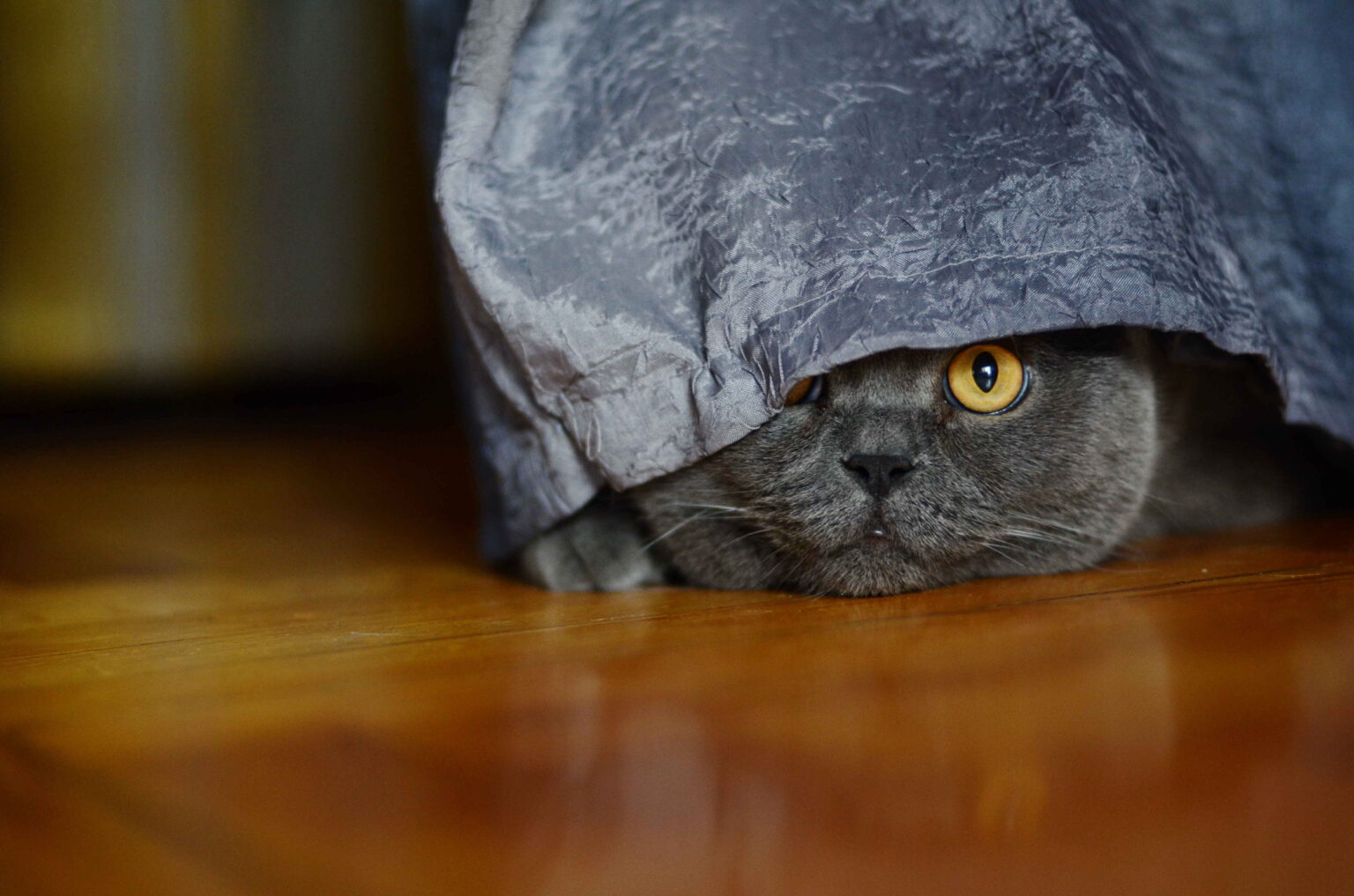
Coming home to a quiet house and realizing your usually affectionate feline is nowhere to be found can be incredibly concerning. If you are frantically searching your home and asking yourself why is my cat hiding all of a sudden, you are experiencing a very common pet parent panic. While cats are notorious for finding cozy, hidden spots to take a peaceful nap, a dramatic and sudden change in their visibility is a major behavioral red flag.
- Is It Normal for Cats to Hide?
- Why Is My Cat Hiding All of a Sudden?
- Stress and Anxiety
- New Pets or New Family Members
- Illness or Pain
- Fear After a Negative Experience
- Aging and Cognitive Changes
- 6 Medical Reasons Cats Hide (Red Flag Section)
- Warning Signs Your Cat’s Hiding May Be Serious
- How to Help a Hiding Cat Come Out Safely
- When to Take Your Cat to the Vet
- How to Prevent Stress Hiding in Cats
- Frequently Asked Questions (FAQ)
- Why is my cat hiding and not eating?
- Why is my cat suddenly hiding under the bed?
- Why is my new cat hiding all day?
- How long is it normal for a stressed cat to hide?
- Should I force my cat out of hiding?
- References & Clinical Sources
Understanding the difference between a normal feline nap in a closet and a cat retreating due to severe distress is vital. Often, a cat hiding suddenly and not acting normal is their instinctual way of communicating that they are in pain, terrified, or feeling deeply unwell. Because felines are masters at masking their vulnerabilities, retreating from the family is frequently their very first symptom.
In this comprehensive guide, we will explore the exact causes of this behavior, outline the critical medical reasons cats hide, and provide step-by-step veterinary advice on how to help a hiding cat come out safely. By learning to decode their silent distress signals, you can provide the immediate support and medical care your furry best friend desperately needs.
Is It Normal for Cats to Hide?
Before panicking, it helps to understand natural feline instincts. In the wild, cats are both predators and prey. Their survival depends entirely on their ability to stay out of sight when they feel vulnerable or when they need deep, restorative sleep. Therefore, seeking out enclosed, dark, and warm spaces is a completely healthy, hardwired feline behavior.
However, there is a massive difference between healthy hiding and excessive hiding. A healthy cat will sleep under the bed for a few hours but will gladly emerge when they hear the food can open or when you call their name for playtime. Excessive hiding occurs when a cat refuses to leave their safe space for meals, avoids the litter box, or cowers in the back of a closet for an entire day. If you find yourself repeatedly searching Google for why is my cat hiding all of a sudden, their behavior has likely crossed the line from a normal nap into clinical distress.
Why Is My Cat Hiding All of a Sudden?
Cats do not change their core habits without a very specific catalyst. If you are trying to figure out the root cause of this behavior, you must look closely at their physical environment and their daily routine.
Stress and Anxiety
If you are asking why is my cat hiding and acting scared, the most frequent culprit is acute environmental anxiety. Cats are incredibly sensitive to changes in their territory. The arrival of loud houseguests, construction noise next door, a buzzing new appliance, or even rearranging the living room furniture can shatter a cat’s sense of security. When their territory feels unpredictable, they will immediately retreat to a small, defensible space until they feel the threat has passed.
New Pets or New Family Members
Bringing a new baby, a new dog, or another cat into the home causes massive territorial stress. A resident cat will often hide to avoid physical conflict or to stay away from the chaotic, unpredictable energy of a new arrival. Social tension in multi-cat households is a leading cause of feline withdrawal.
Illness or Pain
When you notice a cat hiding suddenly and not acting normal, physical pain must be your primary suspicion. Sick cats hide instinctively because weakness makes them an easy target for predators in the wild. This evolutionary trait remains incredibly strong in domestic cats. If they have a fever, an upset stomach, or a hidden injury, they will isolate themselves to conserve energy and heal in secret.
Fear After a Negative Experience
A single traumatic event can trigger a lasting phobia. If a cat was accidentally stepped on, startled by a falling object, or harshly punished, they will associate the open environment with danger. They hide to ensure that the terrifying experience does not happen again.
Aging and Cognitive Changes
Senior cats undergo significant brain changes as they age. Feline Cognitive Dysfunction (similar to human dementia) causes deep confusion, memory loss, and disorientation. An elderly cat may hide simply because they feel lost or overwhelmed in their own home. If you suspect this, reviewing our guide on senior cat care and consulting your vet is crucial.
6 Medical Reasons Cats Hide (Red Flag Section)
Because felines mask their symptoms so well, you must be extremely vigilant. There are several highly specific medical reasons cats hide that require immediate veterinary intervention. If you are wondering why is my cat hiding all of a sudden, you must rule out these six clinical red flags.
- Severe Arthritis: Joint pain makes moving, jumping, and walking to the food bowl agonizing. A cat with arthritis will hide on the floor level to avoid the pain of mobility.
- Dental Pain: A fractured tooth or severe gum disease causes constant, throbbing pain. The cat will hide, drool, and often refuse dry kibble.
- Urinary Tract Infections (UTI) or Blockages: Feline Idiopathic Cystitis or a urethral blockage causes immense abdominal pain. A cat will often hide after making frequent, painful, and unsuccessful trips to the litter box. This is a fatal emergency, particularly in male cats.
- Gastrointestinal Issues: Severe nausea, constipation, or swallowing a foreign object will cause a cat to hunch over in a dark corner and refuse all interaction.
- Hidden Injuries: An indoor-outdoor cat may have suffered a bite wound from a fight, a bee sting, or a sprain that you cannot easily see under their fur.
- Fever and Systemic Infection: Lethargy and hiding are the very first signs of a high fever caused by a viral or bacterial infection.
Warning Signs Your Cat’s Hiding May Be Serious
How do you know when a simple nap has turned into a medical emergency? You must carefully observe their secondary symptoms. The hiding behavior becomes highly concerning when it is paired with any of the following clinical warning signs:
- Not Eating or Drinking: A cat that refuses food for more than 24 hours is at extreme risk of developing hepatic lipidosis (fatty liver disease), which can be fatal.
- Litter Box Changes: Finding urine outside the box, or noticing that the box has been completely empty for a full day.
- Uncharacteristic Aggression: If your sweet cat suddenly growls, hisses, or swats when you gently try to look under the bed.
- Limping or Mobility Issues: Dragging a leg or refusing to jump up onto their favorite chair.
- Significant Weight Loss: Noticeable thinning along their spine or ribs over a short period.
- Hiding for 24+ Hours: The ultimate timeline threshold. If your cat refuses to leave their hiding spot for a full day and night, it is an emergency.
These symptoms strongly overlap with general cat behavior problems, making veterinary diagnostics absolutely vital.
How to Help a Hiding Cat Come Out Safely
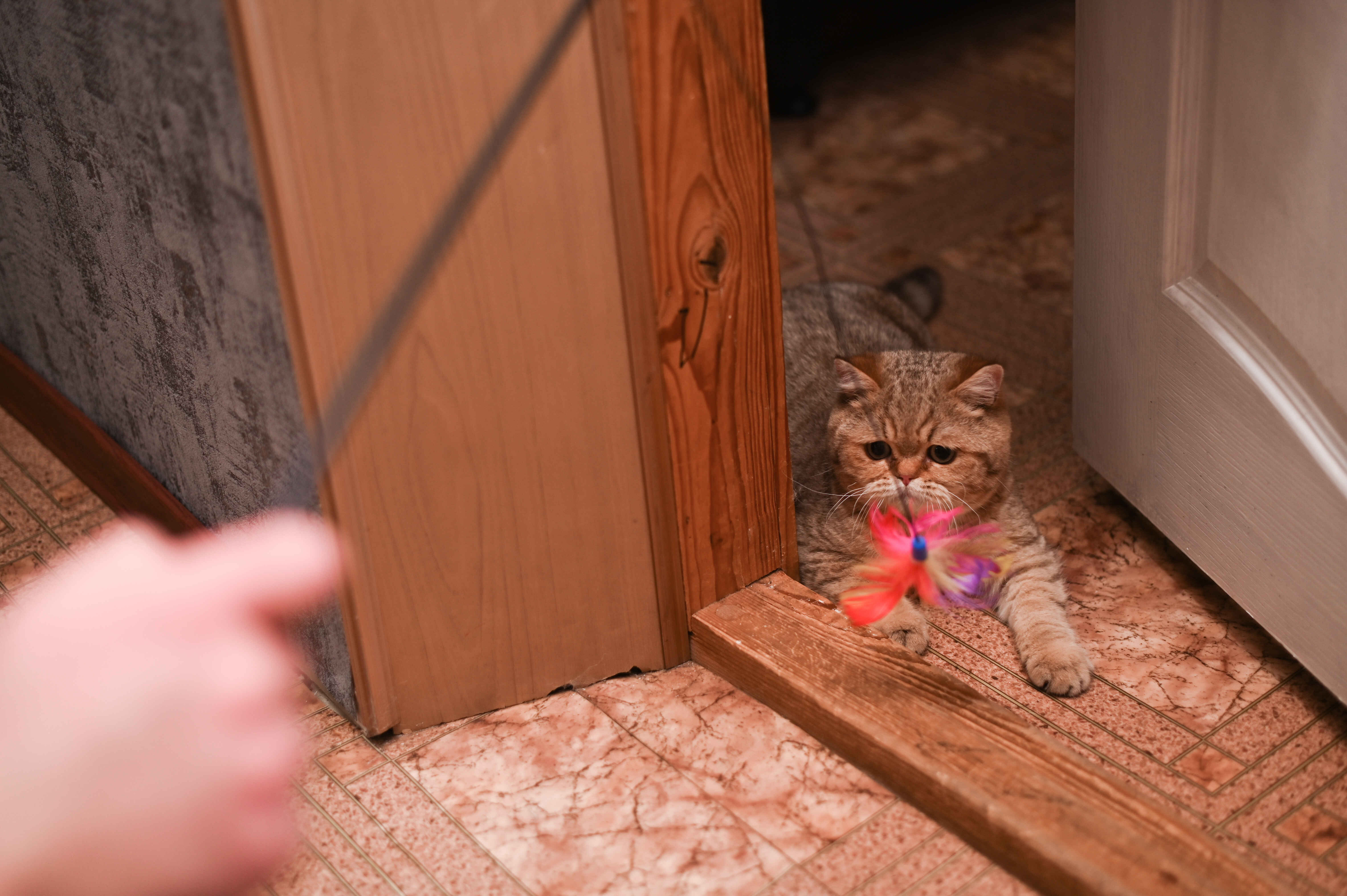

When owners ask how to help a hiding cat come out, their first instinct is usually to reach under the bed and pull the cat out for a cuddle. This is the absolute worst thing you can do. Forcing a frightened or sick cat out of their sanctuary will shatter their trust and drastically escalate their fear. Instead, follow these gentle, vet-approved steps.
First, reduce all environmental stress. Turn off loud televisions, keep other pets out of the room, and ask family members to speak in low, soothing voices. Create a quiet, serene atmosphere.
Second, bring their vital resources directly to them. Place a small bowl of highly smelly, enticing wet food (like warmed tuna) and a water dish just a few inches outside their hiding spot. Place a temporary litter box in the same room. Do not stand over them while they eat. Walk away and let them come out on their own terms.
Third, use passive enrichment. Sit quietly on the floor across the room and read a book out loud in a soft voice to let them get used to your presence. You can gently drag a wand toy along the floor near their hiding spot to see if their natural prey drive tempts them to step out. Never rush this delicate process.
In multi-cat homes, ensure you are practicing strict resource separation. Anxious cats will hide if they feel they have to fight for access to the food bowl. The golden rule is one litter box and one feeding station per cat, plus one extra, spread widely throughout the house.
When to Take Your Cat to the Vet
If you are still asking why is my cat hiding all of a sudden after 24 hours of quiet observation, it is time to call your clinic. You should seek immediate veterinary care if the hiding is accompanied by vomiting, labored open-mouth breathing, vocalizing in pain, or a complete refusal to eat.
Your vet will perform a comprehensive physical exam, run blood panels, and check for urinary blockages. According to the Cornell Feline Health Center, establishing a medical baseline is the only safe way to address sudden behavioral withdrawal.
How to Prevent Stress Hiding in Cats
Once your cat has received a clean bill of health, you can focus on preventing future episodes. Building a confident cat requires proactive environmental management. Maintain strict routine consistency for their meals and playtime. Cats crave predictability above all else.
Create intentional, safe vertical hiding spaces. Instead of letting them hide under the dusty sofa, provide tall cat trees with enclosed condos, or clear off a high closet shelf and place a soft blanket there. Being high up gives a cat a supreme sense of security and ownership over their territory.
Finally, always practice gradual introductions. Whether you are bringing home a new couch or a new puppy, allow your cat to investigate new smells slowly. By respecting their boundaries, you will greatly reduce their need to flee and hide.
Frequently Asked Questions (FAQ)
Why is my cat hiding and not eating?
If your cat is hiding and refusing food, it is almost certainly a medical issue. Cats hide when they feel vulnerable, and a loss of appetite indicates nausea, dental pain, a gastrointestinal blockage, or a systemic infection. This is a severe red flag that requires immediate veterinary attention to prevent fatty liver disease.
Why is my cat suddenly hiding under the bed?
The space under a bed is dark, enclosed, and highly defensible, making it the ultimate feline safe room. A cat will suddenly retreat there if they are startled by a loud noise, intimidated by a new houseguest, or if they are experiencing a sudden onset of physical illness or joint pain.
Why is my new cat hiding all day?
It is completely normal for a newly adopted cat to hide for several days or even weeks. Being relocated to a strange environment filled with unfamiliar scents is terrifying for a feline. Give them a dedicated, quiet “starter room” with their food and litter box, and allow them to decompress at their own pace without forcing interaction.
How long is it normal for a stressed cat to hide?
If a known stressor occurred (like fireworks or a loud vacuum), it is normal for a cat to hide for a few hours until the house is quiet again. However, if the cat refuses to leave the hiding spot to eat, drink, or use the litter box for more than 24 hours, the behavior is no longer normal and requires veterinary intervention.
Should I force my cat out of hiding?
Absolutely not. Forcing a frightened or sick cat out of their safe space will severely damage their trust in you and can easily result in you getting scratched or bitten out of fear. You should only physically remove a hiding cat if there is an immediate danger (like a house fire) or if you must place them in a carrier for an emergency vet visit.