

Cat heart health is one of the most critical, yet frequently overlooked, aspects of feline preventative care. As devoted pet parents, we regularly monitor our cats’ weight, meticulously clean their litter boxes, and carefully brush their coats.
- Why Cat Heart Health Matters
- Common Heart Problems in Cats
- Feline Breed Risks for Heart Disease
- Signs of Heart Disease Every Cat Owner Should Know
- How Diet Supports Heart Health in Cats
- Weight Management and Exercise for a Healthy Heart
- Caring for a Cat With Heart Problems
- When to See a Vet About Heart Symptoms
- Conclusion
- Frequently Asked Questions (FAQ)
- How can I naturally support my cat’s heart health?
- What does it mean if my cat is diagnosed with a heart murmur?
- Is feline heart disease preventable?
- What is a normal resting breathing rate for a cat?
- Can a cat survive a blood clot caused by heart disease?
- References & Further Reading
However, the cardiovascular system silently works overtime to keep our feline friends energetic and thriving. Unfortunately, cats are notorious masters of disguising physical weakness. This biological survival instinct means that underlying cardiac issues often go completely unnoticed until they reach a severe, life-threatening stage.
If you want to know exactly how to support cat heart health, you must shift from a reactive mindset to a highly proactive one. Protecting their cardiovascular system requires understanding their specific dietary needs and learning how to read the incredibly subtle signs of early distress.
In this comprehensive, vet-backed guide, we will explore the most common cardiac conditions affecting felines. We will detail the specific warning signs you must watch for and provide actionable strategies on how to keep a cat’s heart healthy for many years to come.
Why Cat Heart Health Matters
Understanding the foundation of heart health for cats is crucial because cardiovascular disease is surprisingly common in the feline world. A cat’s heart functions similarly to a human’s, pumping oxygen-rich blood and vital nutrients to every single organ in the body.
When the heart muscle becomes compromised, it physically cannot pump efficiently. This leads to a dangerous cascade of systemic failures, fluid buildup in the lungs, and ultimately, congestive heart failure. Prioritizing cardiovascular wellness is the only way to ensure your pet lives a long, active, and comfortable life.
Common Heart Problems in Cats
To actively protect your pet, you must understand the enemies you are fighting against. While dogs frequently suffer from leaky heart valves, the common heart problems in cats are almost exclusively related to the actual heart muscle itself.
The most prevalent diagnosis by far is Hypertrophic Cardiomyopathy (HCM). According to the comprehensive feline health guidelines published by the Cornell University College of Veterinary Medicine, HCM causes the muscular walls of a cat’s heart to thicken abnormally. As the walls thicken, the heart’s chambers shrink, drastically reducing the volume of blood the heart can pump with each beat.
Other less common conditions include Dilated Cardiomyopathy (where the heart muscle becomes thin and weak) and Restrictive Cardiomyopathy (where scar tissue prevents the heart from expanding properly). All of these conditions ultimately lead to severe circulatory issues and dangerous blood clots.
Feline Breed Risks for Heart Disease
While any mixed-breed domestic cat can develop cardiac issues, veterinary science has proven a strong genetic link in certain pedigrees. If you own a purebred cat, you must be exceptionally vigilant about their cardiovascular screening.
Breeds that carry a significantly higher genetic risk for Hypertrophic Cardiomyopathy (HCM) include the Maine Coon, Ragdoll, Sphynx, British Shorthair, and Persian. If you are purchasing a kitten from a breeder, always insist on seeing negative genetic HCM testing results from both of the kitten’s parents.
Signs of Heart Disease Every Cat Owner Should Know
Because felines mask their physical vulnerabilities so expertly, you must learn to spot the incredibly subtle clues. Recognizing the early signs of heart disease in cats can literally mean the difference between life and death.
During a routine checkup, your vet might discover common cat heart murmur symptoms. A murmur is simply an abnormal whooshing sound made by turbulent blood flow. While a mild murmur can sometimes be benign, it is frequently the very first clinical indicator that the heart muscle is changing.
At home, you must watch for secondary feline heart disease warning signs. To help you evaluate your cat’s condition accurately, use this symptom severity chart:
| Symptom Severity | Observable Clinical Signs | Required Action |
|---|---|---|
| Mild / Early Stage | Sleeping more than usual, slight lethargy, hiding in dark spaces, or a newly discovered mild heart murmur. | Schedule a non-emergency veterinary checkup within the week. |
| Moderate Stage | Noticeable weight loss, sudden loss of appetite, getting winded easily during normal play, or a mildly elevated breathing rate while resting. | Call your vet for an appointment within 24 to 48 hours. |
| Severe / Emergency | Open-mouth panting, severe coughing, blue or pale gums, or sudden, agonizing paralysis of the hind legs (a blood clot). | Rush to the nearest emergency veterinary hospital immediately. |
How Diet Supports Heart Health in Cats
When evaluating the best diet for cat heart health, animal protein is the absolute foundation. Cats are obligate carnivores, meaning their bodies are biologically hardwired to derive vital nutrients almost exclusively from meat.
The connection between taurine and heart health in cats is one of the most critical aspects of feline nutrition. Taurine is an essential amino acid found strictly in animal-based proteins. Unlike dogs, cats cannot synthesize enough taurine on their own to survive.
If a feline diet is deficient in taurine, the cat will rapidly develop Dilated Cardiomyopathy, leading to fatal heart failure. The American Veterinary Medical Association strongly advises against feeding home-cooked or vegetarian diets unless explicitly formulated by a board-certified veterinary nutritionist, as they routinely lack this life-saving amino acid.
Weight Management and Exercise for a Healthy Heart
Maintaining a healthy weight for heart health in cats is just as important as the food you put in their bowl. Feline obesity forces the cardiovascular system to work substantially harder just to pump blood through the excess fatty tissue.
Furthermore, fat cells actively secrete inflammatory hormones that continuously damage the delicate heart muscle over time. You must strictly control their daily caloric intake and completely eliminate the practice of leaving a bowl of dry kibble out all day for free-feeding.
Daily exercise for cat cardiovascular health is also non-negotiable. Two structured, intense 15-minute play sessions using a laser pointer or a feather wand toy will elevate their heart rate safely. This burns off excess calories, builds strong muscle tone, and vastly improves their overall circulatory efficiency.
Caring for a Cat With Heart Problems
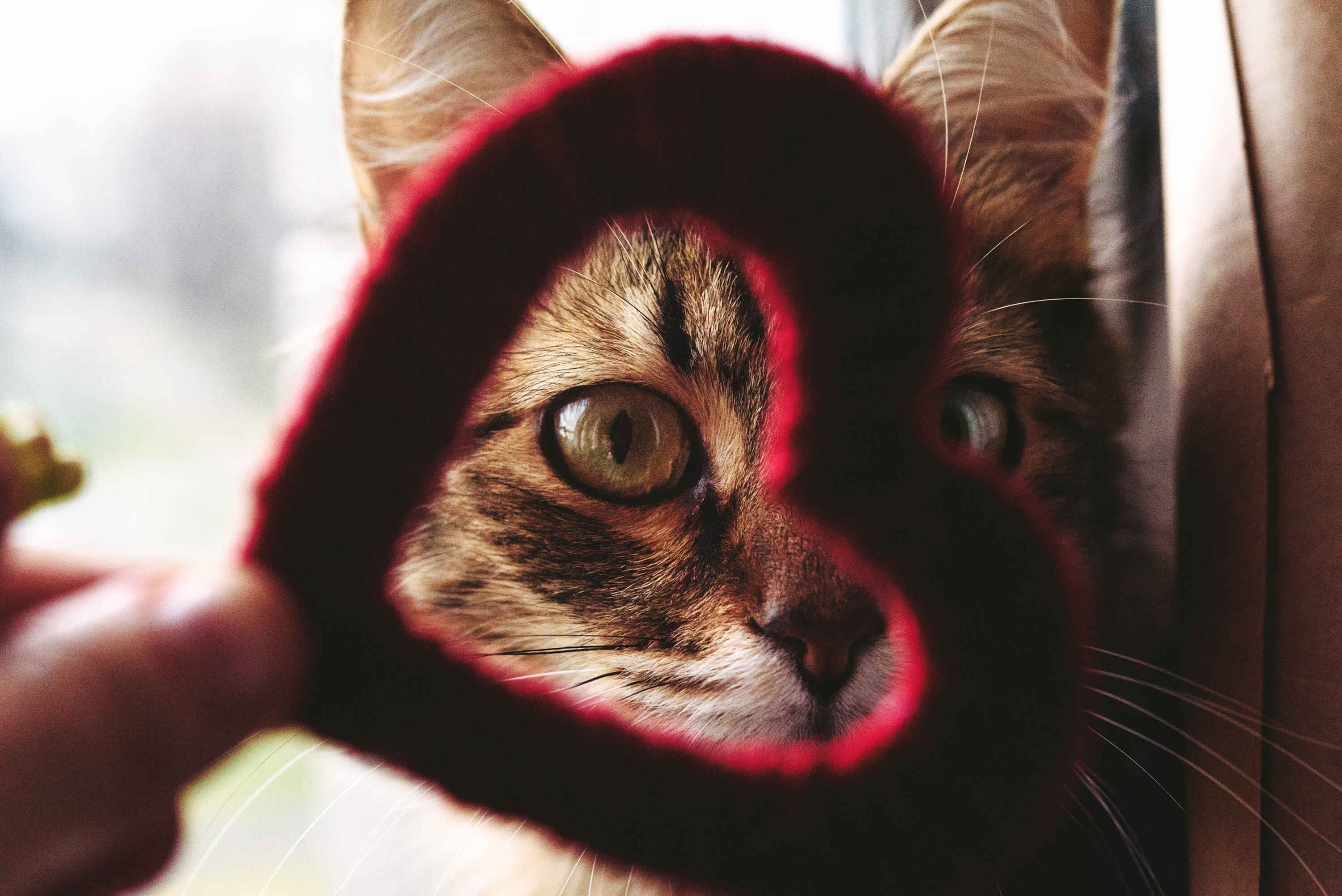

If you receive a difficult diagnosis, do not panic. Caring for a cat with heart problems involves a highly structured routine, but many felines live comfortably for years with proper medical management.
Your primary daily goal must be stress reduction for cats with heart disease. Stress triggers a massive surge of adrenaline, which forces the compromised heart to beat faster and harder. You must maintain a calm, quiet, and highly predictable household environment to keep their resting heart rate as low as possible.
Additionally, strictly monitoring a cat with heart disease at home is crucial. The most important metric you can track is their Resting Respiratory Rate (RRR). When your cat is in a deep, peaceful sleep, simply count how many breaths they take in exactly 60 seconds. A normal sleeping cat should take fewer than 30 breaths per minute. If that number consistently creeps up past 35 or 40, fluid may be building in their lungs, and you need to contact your cardiologist immediately.
When to See a Vet About Heart Symptoms
Many pet owners wonder exactly when to see a vet for cat heart issues. The simple answer is: you must never wait for an emergency to happen. The absolute best way regarding how to prevent heart disease in cats is through strict, early detection.
Schedule a comprehensive veterinary wellness exam at least once a year for adult cats, and twice a year for seniors. During this exam, your vet will listen carefully to the heart and lungs with a stethoscope. If they detect an abnormal rhythm or a new murmur, they can perform an echocardiogram (a specialized ultrasound of the heart) to catch the disease long before any outward, terrifying symptoms ever appear.
Conclusion
Optimizing your cat heart health does not have to be an overwhelming endeavor. By understanding the critical importance of a high-protein, taurine-rich diet, maintaining a lean body weight, and prioritizing daily interactive exercise, you are actively fortifying their cardiovascular system. Learn to recognize the incredibly subtle warning signs of lethargy or elevated breathing, and commit to annual veterinary checkups. By taking these highly proactive steps, you are ensuring your beloved feline companion enjoys a long, vibrant, and deeply comfortable life by your side.
Frequently Asked Questions (FAQ)
How can I naturally support my cat’s heart health?
The most effective natural support comes from an excellent diet and weight management. Ensure you feed them a high-quality, meat-based commercial cat food that explicitly guarantees adequate taurine levels. Keep them lean through strict portion control, and provide daily interactive play sessions with wand toys to safely elevate their heart rate and improve their cardiovascular fitness.
What does it mean if my cat is diagnosed with a heart murmur?
A heart murmur is an abnormal, turbulent whooshing sound that a veterinarian hears through a stethoscope. While it can sometimes be a benign, harmless quirk, a murmur is frequently the very first clinical indicator of underlying heart disease, such as Hypertrophic Cardiomyopathy (HCM). An echocardiogram (ultrasound) is always required to determine the exact cause of the murmur.
Is feline heart disease preventable?
Most common feline heart diseases, like HCM, are heavily driven by genetics and cannot be completely prevented. However, heart disease caused by dietary deficiencies (like a lack of taurine) is 100% preventable by feeding a balanced, commercial meat-based diet. For genetic conditions, early detection through annual veterinary exams is the best way to delay severe symptoms and prolong their life.
What is a normal resting breathing rate for a cat?
When a cat is in a deep, relaxed sleep, their Resting Respiratory Rate (RRR) should be smooth, effortless, and fall between 15 and 30 breaths per minute. If you are monitoring a cat with heart disease and their sleeping breathing rate consistently exceeds 35 breaths per minute, it is a major warning sign of congestive heart failure and fluid in the lungs.
Can a cat survive a blood clot caused by heart disease?
A saddle thrombus (a blood clot that paralyzes the hind legs) is a devastating and excruciatingly painful complication of advanced feline heart disease. While immediate emergency veterinary intervention can sometimes dissolve the clot, the prognosis is generally very poor, and the risk of the clot reforming is extremely high. Prevention through early cardiac medication is key.