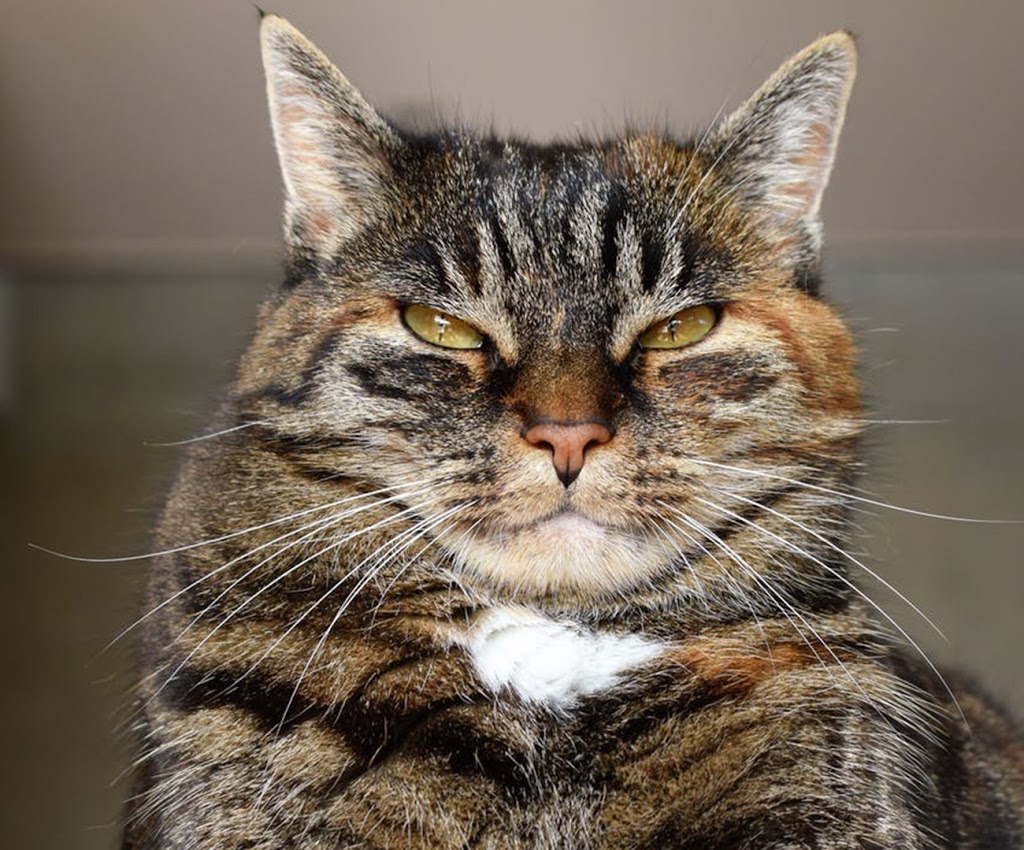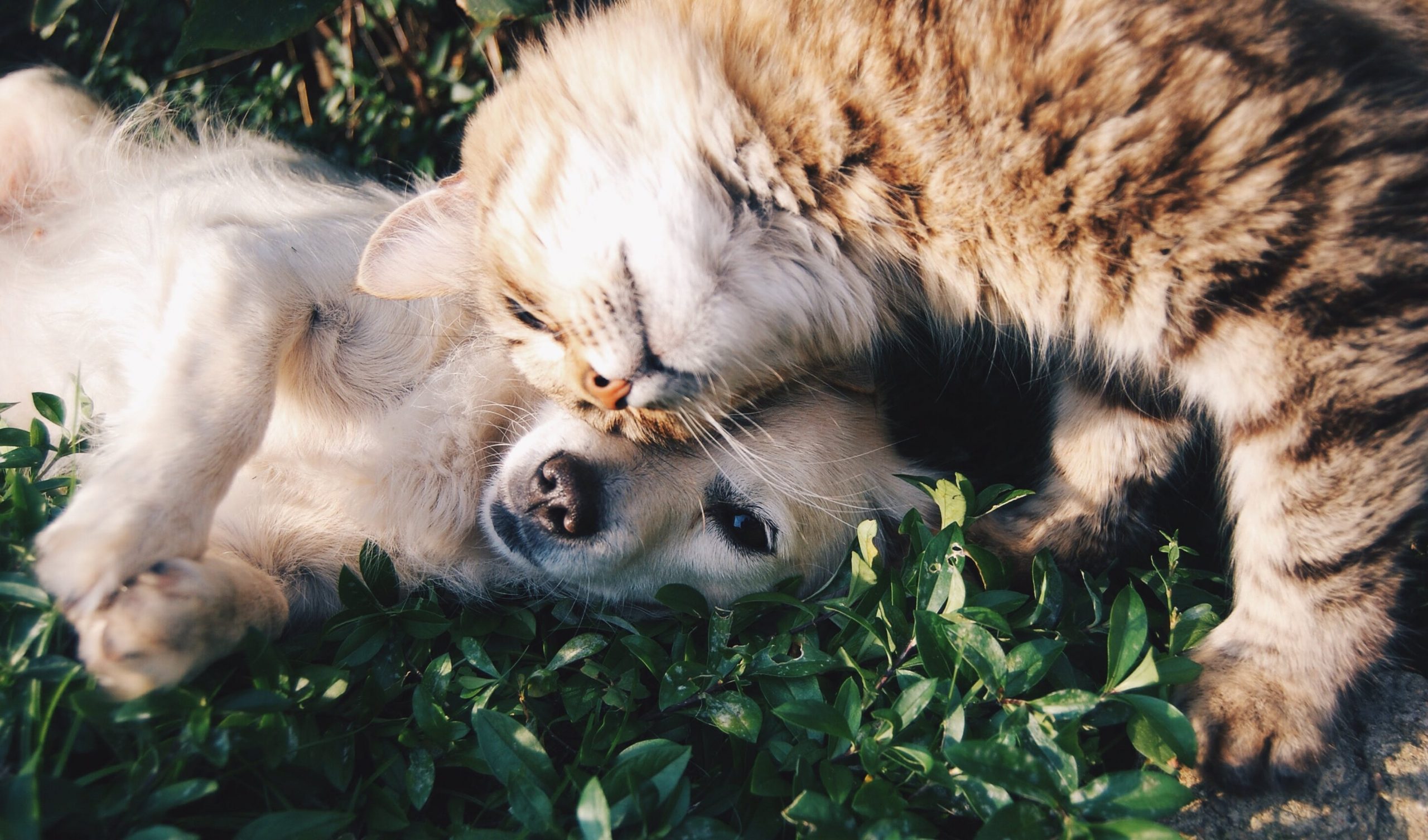

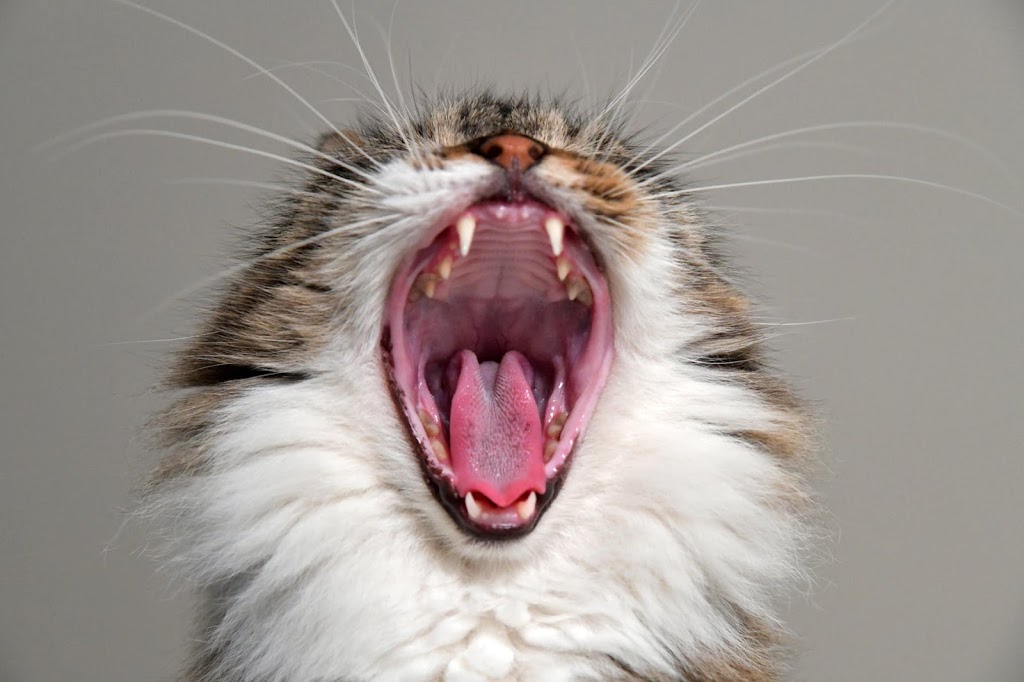
How many times has your cat come to gently wake you up in the morning by purring and rubbing their soft face against yours? It is one of the most adorable and loving behaviors a feline can show. However, if the odor wafting from their mouth is strong enough to make your eyes water, that morning affection can quickly become less than welcome.
- Decoding the Smell: What Your Cat’s Breath is Telling You
- 1. The “Morning Breath” or Rotten Odor: Dental Disease
- 2. A Sweet or Fruity Smell: Diabetes Mellitus
- 3. An Ammonia or Urine-Like Smell: Kidney Disease
- 4. A Bile or Feces-Like Smell: Liver or GI Problems
- Other Hidden Causes of Cat Bad Breath
- How to Fix Cat Bad Breath (Vet-Approved Solutions)
- 1. Schedule a Professional Dental Cleaning
- 2. Master At-Home Tooth Brushing
- 3. Use VOHC-Approved Dental Diets and Treats
- 4. Water Additives and Oral Probiotics
- Conclusion
- Frequently Asked Questions (FAQ)
- Can I use human toothpaste to brush my cat’s teeth?
- Does wet food cause bad breath more than dry food?
- Why does my young kitten have bad breath?
- Do dental water additives actually work for cats?
- References
Of course, you want to freshen your cat’s breath immediately, but before you start looking into kitty breath mints, you might need to make an appointment with your veterinarian.
While temporary, post-tuna halitosis is absolutely no cause for concern, your cat’s breath should not stink consistently. Chronic cat bad breath (halitosis) is rarely just a cosmetic issue. In fact, an unrelenting, foul odor is usually your cat’s body sounding an alarm about an undetected, underlying health issue. In this comprehensive guide, we will decode the specific smells coming from your cat’s mouth, explore the hidden medical causes, and provide vet-approved solutions to fix the problem for good.
Decoding the Smell: What Your Cat’s Breath is Telling You
Veterinarians often use their sense of smell as a diagnostic tool. The specific type of odor coming from your cat’s mouth can point directly to different systemic diseases or localized infections. If you notice any of the following distinct smells, it is time to have your cat examined by a professional.
1. The “Morning Breath” or Rotten Odor: Dental Disease
If your cat’s breath smells remarkably like severe human morning breath, rotten meat, or garbage, they are most likely suffering from gum disease. According to the Cornell University College of Veterinary Medicine, between 50 and 90 percent of cats older than four years of age suffer from some form of dental disease.
This foul smell is caused by an overgrowth of destructive bacteria in the mouth. As these bacteria feed on food particles, they form sticky plaque. If not brushed away, plaque hardens into tartar, which pushes under the gumline, causing severe inflammation (gingivitis) and eventually destroying the bone holding the teeth in place (periodontal disease). Another severe feline condition, Stomatitis, causes massive, painful inflammation of the entire mouth and throat, leading to incredibly foul breath, drooling, and an inability to eat.
2. A Sweet or Fruity Smell: Diabetes Mellitus
It might sound strange, but if your cat’s breath smells sweet, fruity, or vaguely like nail polish remover, it is a critical warning sign. This specific odor is an indicator of Feline Diabetes, specifically a dangerous complication called diabetic ketoacidosis.
When a diabetic cat’s body cannot produce or properly use insulin to absorb blood sugar, the body begins starving. To survive, it starts rapidly breaking down fat for energy. This process produces acidic byproducts called ketones. The sweet, chemical smell on your cat’s breath is the smell of these ketones being exhaled. If this sweet breath is combined with excessive thirst, frequent urination, and sudden weight loss, consider it a medical emergency.
3. An Ammonia or Urine-Like Smell: Kidney Disease
If your cat’s breath smells distinctly like urine or ammonia, their kidneys are likely crying out for help. The kidneys act as the body’s filtration system, removing toxic waste products like urea from the blood and excreting them in the urine.
When a cat develops Chronic Kidney Disease (CKD), which is incredibly common in senior felines—the kidneys lose their ability to filter these toxins. The urea builds up to dangerous levels in the bloodstream, a condition known as uremia. The body attempts to eliminate this excess urea through the respiratory system, resulting in breath that smells strongly of ammonia. Other symptoms include profound lethargy, loss of appetite, increased thirst, and frequent trips to the litter box.
4. A Bile or Feces-Like Smell: Liver or GI Problems
If your cat’s breath smells like vomit, bile, or even feces, it points to issues lower down in the digestive tract or involving the liver. Liver disease can cause a buildup of toxins similar to kidney disease. Look for accompanying symptoms like a swollen abdomen, complete loss of appetite, vomiting, and jaundice (a yellow discoloration in the whites of your cat’s eyes and on their gums).
Alternatively, a breath that smells like feces can indicate a severe gastrointestinal blockage or bowel obstruction. If food is unable to pass through the intestines due to an ingested foreign object (like a string or hair tie), it begins to back up, causing a highly foul odor to travel back up the esophagus.
Other Hidden Causes of Cat Bad Breath
If bloodwork rules out systemic organ diseases and the teeth look relatively clean, your vet will look for other hidden physical causes inside the oral cavity:
- Trapped Foreign Objects: Cats are notoriously curious and love to chew on things they shouldn’t. A piece of string, a sharp shard of bone, or a piece of a plant can easily become wedged between the teeth or lodged under the tongue. As the trapped object begins to rot, or as the surrounding tissue becomes infected, it produces a terrible odor.
- Oral Tumors: Unfortunately, squamous cell carcinomas and other oral masses can grow in a cat’s mouth. As these tumors grow, parts of the tissue can become necrotic (dead), leading to severe halitosis.
- Respiratory Infections: Severe upper respiratory infections or chronic sinus issues can cause foul-smelling post-nasal drip to pool in the back of the cat’s throat.
How to Fix Cat Bad Breath (Vet-Approved Solutions)
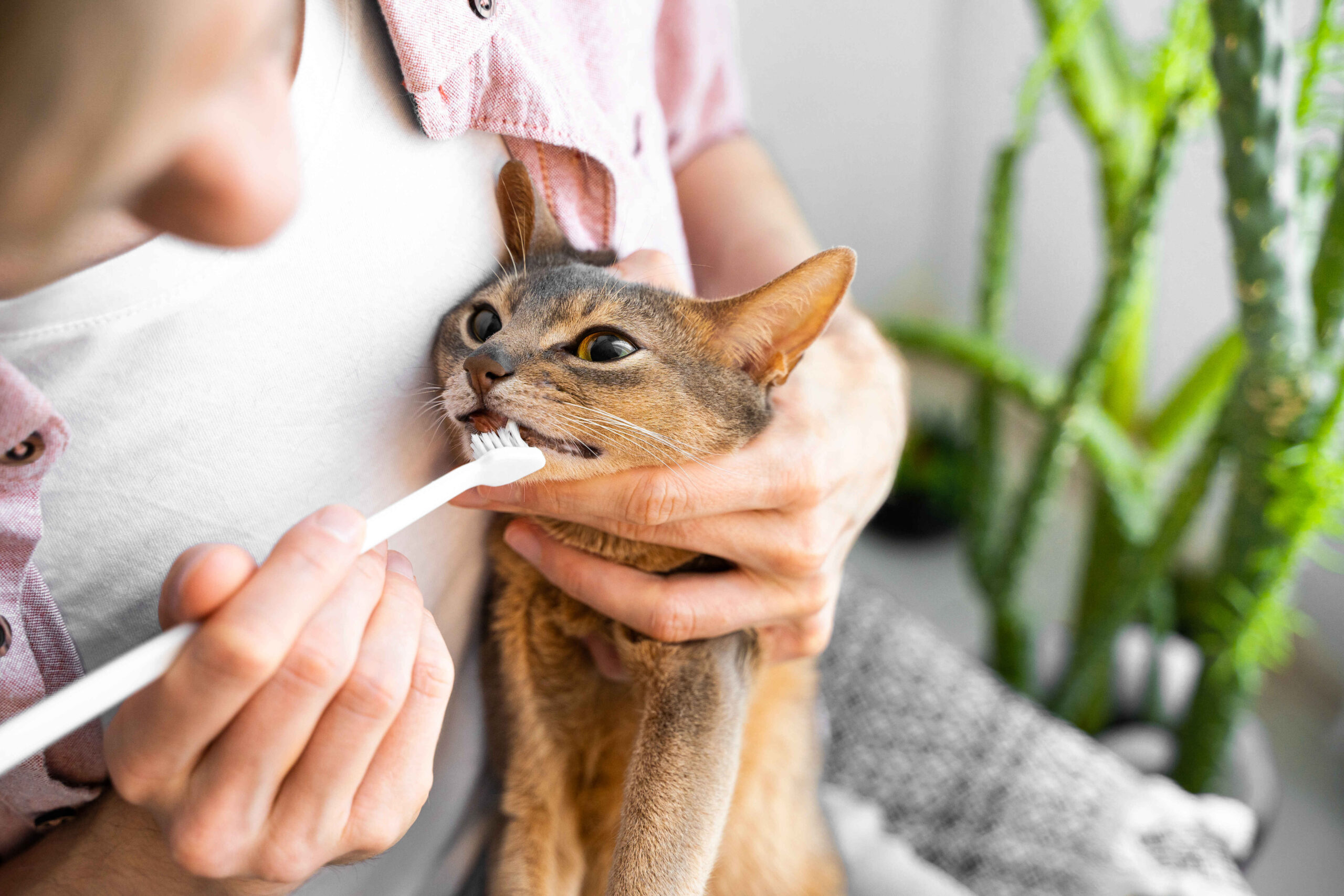
Once your veterinarian has ruled out or treated serious systemic diseases like kidney failure or diabetes, the focus will turn to their oral hygiene. Here is how you can permanently banish cat bad breath:
1. Schedule a Professional Dental Cleaning
If your cat has established tartar and gingivitis, no amount of at-home brushing will fix it. The only way to remove hardened calculus from beneath the gumline is through a professional veterinary dental scaling and polishing under general anesthesia. During this procedure, the vet will also take dental X-rays to look for painful, rotting tooth roots that need to be extracted. Often, simply removing one diseased tooth completely cures a cat’s bad breath overnight!
2. Master At-Home Tooth Brushing
Once the teeth are professionally cleaned, daily brushing is the gold standard for preventing the bacteria from returning. If your cat won’t easily allow you to brush their teeth, you have to start slow:
- Start by simply dipping your finger in the water from a can of tuna and gently rubbing it along their outer gums for a few seconds. Reward them immediately.
- Once they accept your finger, introduce a finger-brush or a tiny, soft-bristled feline toothbrush.
- Use a specialized, enzymatic pet toothpaste (often poultry or seafood flavored). Never use human toothpaste! The fluoride and artificial sweeteners (like Xylitol) in human toothpaste are highly toxic to cats.
3. Use VOHC-Approved Dental Diets and Treats
If brushing is absolutely impossible, dietary interventions can help. Look for dental kibbles and treats that carry the Veterinary Oral Health Council (VOHC) Seal of Acceptance. These specific kibbles are engineered to be larger and more fibrous; instead of shattering when the cat bites down, the kibble holds together and physically scrapes the plaque off the tooth surface like an edible toothbrush.
4. Water Additives and Oral Probiotics
Water additives are odorless, tasteless liquids you add to your cat’s water bowl that contain enzymes to break down plaque-forming bacteria.
Additionally, as mentioned earlier, if your cat is resistant to all other interventions, try using oral care probiotics. These tasteless, odorless probiotic powders can be sprinkled directly onto your pet’s wet food. They flood the oral cavity with beneficial, healthy bacteria, which actively crowd out and starve the harmful, odor-causing bacteria, giving them less room to grow and produce foul-smelling sulfur compounds.
Conclusion
While a yawn that smells like a recently eaten can of salmon is normal, chronic cat bad breath is a clear signal that something is wrong. By paying attention to the specific type of odor—whether it is sweet, ammonia-tinged, or simply rotten—you can provide your veterinarian with crucial diagnostic clues. Through professional dental care, diligent at-home brushing, and regular veterinary checkups, you can protect your cat’s internal organs, save their teeth, and get back to enjoying those morning cuddles with fresh, clean breath.
Frequently Asked Questions (FAQ)
Can I use human toothpaste to brush my cat’s teeth?
Absolutely not. Human toothpaste is incredibly dangerous for cats. It contains high levels of fluoride, which is toxic if swallowed (and cats cannot spit). Furthermore, many human dental products contain xylitol, an artificial sweetener that is lethally toxic to pets. Always use an enzymatic toothpaste specifically formulated for cats and dogs.
Does wet food cause bad breath more than dry food?
There is a common myth that dry kibble “cleans” a cat’s teeth while wet food rots them. In reality, standard dry kibble shatters instantly upon chewing and leaves starchy residue along the gumline, doing nothing to clean the teeth. While wet food does not provide any mechanical scraping action, it is not inherently the cause of bad breath. The true cause is the lack of a daily brushing routine, regardless of the diet.
Why does my young kitten have bad breath?
If your kitten is between 3 and 6 months old and suddenly develops metallic or slightly foul-smelling breath, they are likely teething. As baby teeth fall out and adult teeth push through the gums, mild inflammation and tiny amounts of bleeding occur in the mouth, which can cause a temporary bad odor. However, if the smell is severe or accompanied by a loss of appetite, consult your vet immediately.
Do dental water additives actually work for cats?
Yes, they can be a helpful tool, provided you purchase a high-quality product. Look for water additives that feature the VOHC (Veterinary Oral Health Council) seal of approval. While they are not a replacement for the mechanical action of physical brushing, they do contain enzymes that help prevent new plaque from sticking to the teeth, which significantly helps control odor.
References
- Cornell University College of Veterinary Medicine. Feline Dental Disease. Vet.Cornell.edu
- Veterinary Oral Health Council (VOHC). Accepted Products for Cats. VOHC.org
- American Veterinary Medical Association (AVMA). Pet Dental Care. AVMA.org
Image Credits: Images sourced via standard Pixabay license. Representative imagery used for illustrative purposes.