

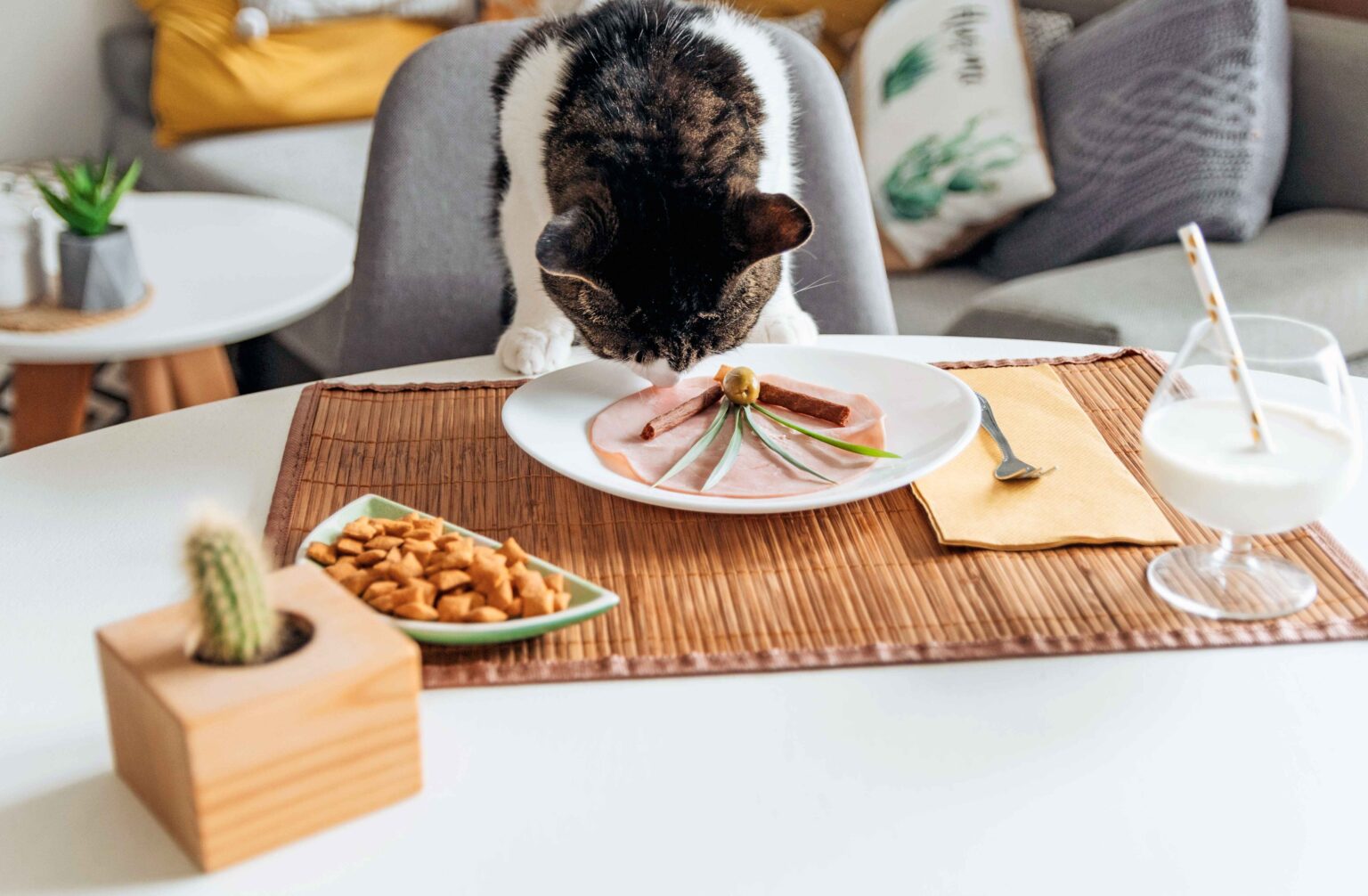
Welcome, new and experienced cat parents alike! Bringing a feline friend into your home is a joyous occasion, but walking down the pet food aisle can quickly become an overwhelming experience. With hundreds of colorful bags, tins, and pouches claiming to be the absolute best cat food on the market, how do you separate the clever marketing from actual, science-backed feline nutrition?
- 1. What Makes the Best Cat Food?
- 2. What Should Cats Eat for Optimal Health?
- 3. Wet vs Dry Cat Food: Which Is Better?
- 4. Ingredients to Look for in Healthy Cat Food
- 5. Common Cat Food Ingredients to Avoid
- 6. How Much and How Often Should You Feed a Cat?
- 7. Best Cat Food by Life Stage: Kitten vs Adult
- Conclusion
- Frequently Asked Questions (FAQ)
- What is the healthiest cat food to feed my pet?
- How to choose the best cat food at the store?
- What do cats need in their diet to survive?
- Is grain free vs regular cat food a better choice?
- How often should cats eat every day?
- References & Further Reading
Choosing the optimal diet is the single most important decision you will make for your pet’s longevity and quality of life. Whether you are navigating the complex debate of wet vs dry cat food, trying to decipher confusing ingredient labels, or simply wondering exactly what should cats eat to thrive, you need clear, reliable answers.
This comprehensive healthy cat food guide will walk you through everything you need to know. We will explore what makes a diet truly complete and balanced, how to choose cat food based on life stages, and the specific ingredients you must look for—and avoid—to ensure your furry companion stays vibrant and healthy for years to come.
1. What Makes the Best Cat Food?
Before diving into specific protein flavors or brand names, you must establish a baseline of nutritional adequacy. The foundation of any high-quality diet is ensuring that it is legally classified as a complete and balanced cat food.
In the United States, pet food standards are heavily regulated. The Association of American Feed Control Officials (AAFCO) develops the strict nutritional profiles that commercial pet foods must meet. When you turn over a bag or can, you should look for the AAFCO nutritional adequacy statement. This statement legally guarantees that the food provides the exact baseline ratios of vitamins, minerals, and amino acids required to keep a cat alive and healthy.
If a product label reads “intended for intermittent or supplemental feeding only,” it is not a complete meal. It is essentially a treat or a topper, and feeding it as a primary diet will quickly lead to severe nutritional deficiencies.
2. What Should Cats Eat for Optimal Health?
To understand what do cats need in their diet, we must look at their biology. Cats are fascinating creatures with highly specialized digestive systems. They are strict obligate carnivores, which means their bodies are biologically hardwired to derive nutrients exclusively from animal tissue.
This is not a lifestyle preference; it is an absolute biological necessity. Unlike dogs or humans, cats cannot synthesize certain essential nutrients from plant-based sources. An optimal feline diet relies heavily on three primary pillars:
- Animal Protein: This is the cornerstone of any feline diet. A premium high protein cat food provides critical amino acids like taurine and arginine. A lack of taurine can lead to irreversible blindness and fatal heart failure.
- Healthy Animal Fats: Fats are a highly concentrated source of energy for felines. They provide essential fatty acids, such as arachidonic acid, which cats cannot produce on their own. Fats are crucial for maintaining healthy skin, a waterproof coat, and optimal brain function.
- Low Carbohydrates: In the wild, a cat’s prey consists of less than ten percent carbohydrates. Felines have a very limited physical ability to digest and utilize complex carbs. Therefore, the healthiest diets keep carbohydrate levels as low as biologically possible.
3. Wet vs Dry Cat Food: Which Is Better?
The great debate regarding wet vs dry cat food is one of the most common dilemmas pet owners face. Each option has distinct pros and cons, but modern veterinary nutritionists heavily lean toward one side.
Wet (canned) food is widely considered superior for long-term feline health. The primary benefit of wet food is its incredible moisture content. Cats have a naturally low thirst drive, meaning they rarely drink enough standing water from a bowl. Wet food provides crucial hydration that mimics the moisture content of live prey, which flushes out the urinary tract and protects delicate kidneys from chronic disease.
Dry kibble, on the other hand, offers ultimate convenience and is typically much more budget-friendly. It can be left out in puzzle feeders without spoiling quickly. However, dry food is inherently higher in carbohydrates because starches are required to hold the crunchy kibble shape together. If you choose to feed dry food, ensuring your cat has access to a flowing water fountain to encourage drinking is absolutely mandatory.
4. Ingredients to Look for in Healthy Cat Food
Learning exactly what ingredients to look for in cat food is your superpower in the pet aisle. Ingredients on a pet food label are listed by weight, meaning the first five items make up the vast majority of the nutritional profile.
When evaluating a label, you want to see highly specific, named animal sources. Look for ingredients like “Deboned Chicken,” “Salmon,” or “Turkey” occupying the very first slot. Named meat meals, such as “Chicken Meal,” are also excellent. Meat meals are simply fresh meats that have had the water completely removed, resulting in a highly concentrated, incredibly dense source of protein.
You should also look for named fat sources, such as “Chicken Fat” or “Salmon Oil,” which are vastly superior to vague terms like “Animal Fat.” For comprehensive guidelines on evaluating label quality, the Cornell Feline Health Center provides excellent resources on reading cat food labels effectively.
5. Common Cat Food Ingredients to Avoid
Just as important as knowing what to include is knowing what to avoid. Many commercial brands use cheap fillers to bulk up their products and increase profit margins.
Steer clear of vague, unnamed protein sources like “Meat By-Products” or “Poultry Digest.” If the manufacturer will not specify the animal it came from, you should not feed it to your pet. You should also actively avoid artificial colors (like Red 40 or Yellow 5). Your cat does not care what color their food is; dyes are added purely to make the kibble look appealing to human eyes.
Additionally, the debate around grain free vs regular cat food is highly nuanced. While cats do not need grains, many “grain-free” dry foods simply swap out corn and wheat for high-glycemic potatoes, peas, or lentils. Instead of focusing solely on the “grain-free” marketing label, focus on ensuring the overall carbohydrate percentage of the food remains incredibly low.
6. How Much and How Often Should You Feed a Cat?
Once you have selected a premium diet, you must determine logistics. How often should cats eat, and what is the proper portion size?
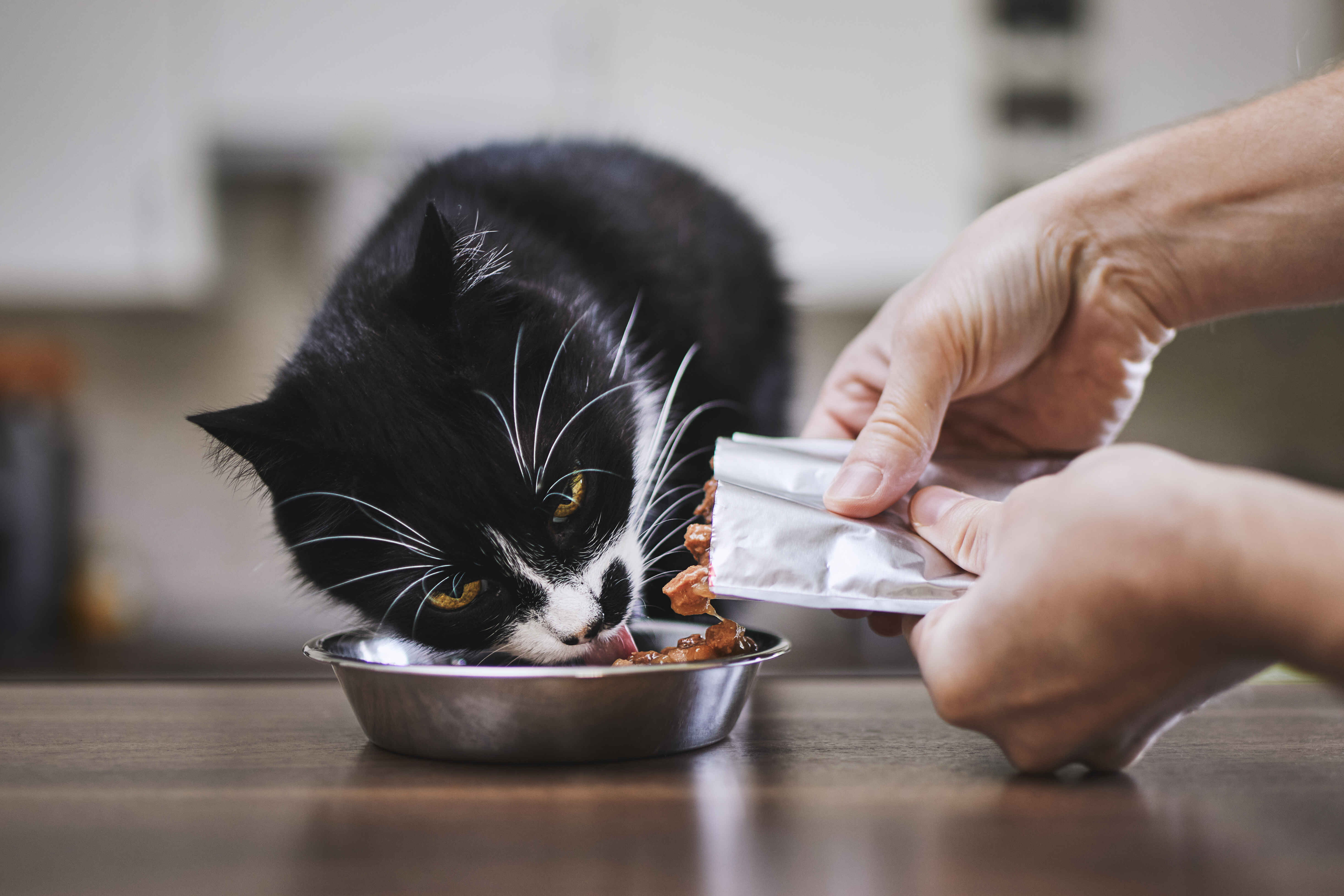
In the wild, cats hunt and eat multiple small meals throughout the entire day. The traditional practice of filling a massive bowl with kibble and leaving it out all day (free-feeding) is a major contributor to the feline obesity epidemic. Instead, adult cats should be fed two to three precisely measured meals a day.
To determine the exact portion, start by following the feeding guidelines on the back of the pet food package, but adjust based on their body condition. If you notice your feline gaining excess weight, or if you are managing an already overweight pet, you will need to seek out the best cat food for weight loss and utilize a digital kitchen scale for perfect portion control.
7. Best Cat Food by Life Stage: Kitten vs Adult
Your ultimate cat nutrition guide must account for age. A cat’s nutritional requirements change drastically as they grow, meaning you must select the best cat food by life stage.
When comparing best kitten vs adult cat food, the differences are significant. Kittens are growing rapidly, developing bone structure, and building their immune systems. They require a diet that is much higher in calories, protein, fats, and calcium than an adult cat. Feeding an adult maintenance formula to a growing kitten can severely stunt their physical development.
Conversely, feeding high-calorie kitten food to a sedentary, seven-year-old indoor cat will rapidly lead to dangerous obesity. Always ensure the AAFCO statement on the label explicitly matches your cat’s current stage of life.
Conclusion
Learning how to choose cat food does not have to be a stressful endeavor. By prioritizing high-quality, named animal proteins, maximizing moisture intake through wet foods, and strictly avoiding artificial fillers, you can easily provide the healthiest possible diet for your feline friend. Remember, nutrition is the absolute foundation of preventative healthcare. Investing time in selecting the best cat food today will reward you with a vibrant, active, and deeply affectionate companion for many years to come. Always consult your trusted veterinarian before making drastic changes to your pet’s dietary routine.
Frequently Asked Questions (FAQ)
What is the healthiest cat food to feed my pet?
The healthiest diet for an obligate carnivore is one that is incredibly high in animal-based protein, moderate in healthy fats, and very low in carbohydrates. Veterinary nutritionists generally agree that a moisture-rich, complete and balanced wet canned food is superior to dry kibble for preventing chronic kidney and urinary tract diseases.
How to choose the best cat food at the store?
To choose the best diet, you must ignore the colorful marketing on the front of the bag and read the ingredient panel on the back. Look for the AAFCO statement guaranteeing it is “complete and balanced.” Ensure that a whole, named meat (like chicken or salmon) is the very first ingredient, and avoid vague terms like “meat by-products” or artificial dyes.
What do cats need in their diet to survive?
Cats are obligate carnivores, meaning they must consume animal tissue to survive. They require high levels of protein to maintain muscle mass, and they must obtain specific essential amino acids—like taurine and arginine—directly from meat sources, as their bodies cannot synthesize these compounds from plant matter.
Is grain free vs regular cat food a better choice?
The grain-free debate is highly nuanced. While cats have no biological requirement for grains, many grain-free dry kibbles simply replace wheat and corn with high-carbohydrate fillers like potatoes or peas, which provide no added nutritional benefit. Instead of focusing solely on the “grain-free” label, you should focus on finding a food with the lowest overall carbohydrate percentage.
How often should cats eat every day?
Adult cats thrive on a routine of two to three smaller, precisely measured meals per day. This mimics their natural hunting cycle and prevents the dangerous weight gain associated with unlimited free-feeding. Kittens, however, burn massive amounts of energy and should be fed three to four times a day to support their rapid growth.
References & Further Reading
- Association of American Feed Control Officials (AAFCO): Official Guidelines for Complete and Balanced Pet Food Profiles
- Cornell Feline Health Center: Feeding Your Cat: Essential Nutrients and Practices
- American Society for the Prevention of Cruelty to Animals (ASPCA): Comprehensive Feline Nutrition Tips