
If your cat is gaining weight or your vet has recently recommended a strict diet change, choosing the best cat food for weight loss is absolutely essential to protect their long-term health. A chubby kitty might look cute on social media, but overweight cats are at a significantly higher risk of developing serious, life-threatening conditions such as feline diabetes, severe joint problems, and chronic urinary tract issues.
- How Weight Loss Cat Food Works
- What to Look for in the Best Cat Food for Weight Loss
- Wet vs Dry Cat Food for Weight Loss
- Best Cat Food for Overweight Cats Reviewed by Category
- How Much Should You Feed an Overweight Cat?
- 🚨 When to See Your Vet: The Danger of Fasting
- Common Mistakes When Helping a Cat Lose Weight
- Conclusion
- Frequently Asked Questions (FAQ)
- Can I just feed my cat less of their regular food to help them lose weight?
- How do I know if my cat is actually overweight?
- Is a prescription weight loss diet necessary for all cats?
- Why is my dieting cat meowing and begging all the time?
- How fast can a cat safely lose weight?
- References & Further Reading
When figuring out exactly how to help a cat lose weight, you will quickly learn that simply reducing their current portion sizes is not enough. Drastically cutting back their regular kibble can leave your cat starving, relentlessly begging, and severely lacking in essential vitamins and amino acids. A proper, scientifically formulated weight management cat food should be high in protein, low in empty calories, and purposefully designed to keep your cat feeling full while supporting healthy, sustainable fat loss.
In this comprehensive guide, you will learn the exact science behind a feline obesity diet, what ingredients to look for on the label, the crucial differences between wet vs dry cat food for weight loss, and how to safely implement a diet plan that actually works for your furry best friend.
How Weight Loss Cat Food Works
To fix the problem of feline obesity, we must first understand how it happens biologically. Unlike humans or dogs who are omnivores, cats are strict obligate carnivores. Their bodies and digestive tracts are meticulously designed to process protein and fat directly from animal tissue, not from carbohydrates or plant matter.
The Carbohydrate Problem in Feline Diets
In the wild, a cat’s natural diet (which consists of mice and small birds) contains roughly 55 percent protein, 35 percent fat, and less than 10 percent carbohydrates. However, many commercial dry kibbles sold today contain anywhere from 30 to 50 percent carbohydrates. Because cats lack the specific salivary enzymes required to break down carbs efficiently, foundational research published in the Journal of the American Veterinary Medical Association explains that this excess glucose is rapidly converted into stored body fat.
The Indoor Lifestyle Factor
Modern indoor cats live incredibly safe lives, but they are also incredibly sedentary. An indoor cat burns a mere fraction of the calories that an active outdoor mouser does. When a highly sedentary lifestyle is combined with a bowl of high-carbohydrate kibble left out all day for free-feeding, weight gain is practically inevitable. As a result, mastering indoor cat weight management requires an intentional shift in both the type of food provided and how it is delivered, a sentiment heavily echoed by the disease risk guidelines from the AVMA.
What to Look for in the Best Cat Food for Weight Loss
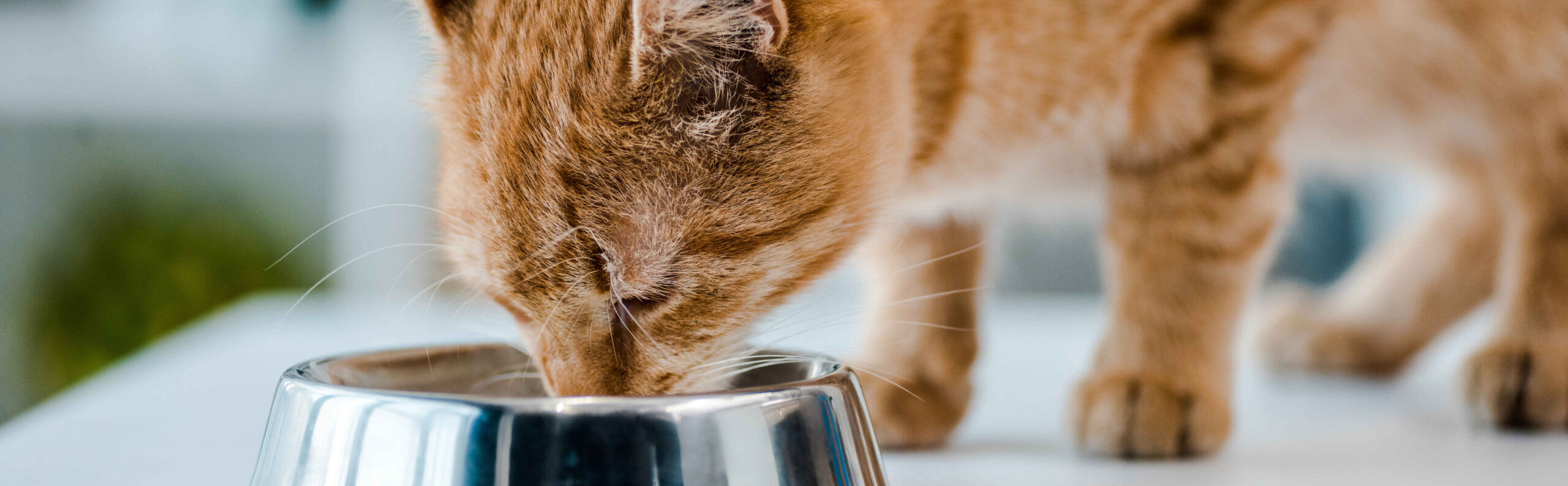
When shopping for the best cat food for overweight cats, you cannot just look for the marketing words “Indoor” or “Weight Control” plastered on the front of the bag. You need to turn the bag over and look closely at the nutritional breakdown. Here are the non-negotiable elements of a healthy diet food for obese cats:
High-Quality, Meat-Based Protein
When a cat loses weight, you want them to lose excess fat, not vital muscle. A high protein cat food for weight loss (ideally over 40 percent on a dry matter basis) signals the feline body to preserve lean muscle mass during a calorie deficit. Lean muscle naturally burns more calories at rest, which keeps your cat’s metabolism running high. Look for whole, named meats like chicken, turkey, or salmon as the very first ingredient.
L-Carnitine: The Fat Burner
L-Carnitine is a vitamin-like amino acid derivative that plays a crucial role in fat metabolism. It acts as a biological transport mechanism, carrying stored fatty acids directly into the mitochondria of the cells where they can be burned for energy. Clinical studies published in the Journal of Veterinary Internal Medicine demonstrate that obese cats on diets supplemented with L-Carnitine lose weight significantly faster and retain much more of their lean muscle mass.
The Right Kind of Fiber
If you simply cut your cat’s daily calories, they will beg relentlessly. High-fiber diets help create a feeling of physical fullness (satiety) without adding any usable calories to their system. The best formulas utilize a specific mix of insoluble fiber (which adds bulk to the stool) and soluble fiber or prebiotics (which actively slow down digestion and regulate blood sugar spikes).
Wet vs Dry Cat Food for Weight Loss
The great debate regarding wet vs dry cat food for weight loss is heavily skewed toward wet food by modern veterinary nutritionists.
Veterinarians overwhelmingly recommend canned wet food for overweight cats. Canned pates and chunky stews are naturally much lower in carbohydrates because they do not require heavy starches (like potato, corn, or wheat) to hold a crunchy kibble shape together. More importantly, wet food naturally contains about 70 to 80 percent water, compared to just 10 percent in dry kibble. Water contains zero calories but takes up physical space in the stomach. Feeding a high-quality, moisture-rich canned diet is one of the easiest ways to help a cat feel comfortably full while drastically reducing their overall caloric intake.
If your lifestyle, budget, or your cat’s extreme picky eating habits absolutely require dry food, you must completely abandon the practice of “free-feeding.” You will need to source a premium low carb cat food for overweight cats, strictly measure every single meal, and heavily utilize puzzle feeders to slow their consumption rate.
Best Cat Food for Overweight Cats Reviewed by Category
While every cat’s palate is different, finding the right dietary profile is key to successful cat obesity treatment. Here is how the different categories of weight loss foods stack up against each other.
| Diet Category | Ideal Protein Level (Dry Matter) | Key Benefits for Weight Loss | Average Calories |
|---|---|---|---|
| Standard Maintenance Dry Kibble | 30% – 35% | None. Often too high in carbs and calories for weight loss. | 400+ kcal/cup |
| Over-The-Counter Weight Management Dry | 35% – 40% | Added fiber for satiety and L-Carnitine for fat burning. | 300 – 350 kcal/cup |
| High-Protein Grain-Free Wet Food | 45%+ | High moisture volume keeps the cat full; naturally very low in carbohydrates. | 70 – 90 kcal/can |
| Veterinary Prescription Weight Loss Diet | 40%+ | Clinically proven to alter metabolism; fortified with vitamins to prevent malnutrition during severe calorie restriction. | Varies by strict vet formulation |
For a cat that is only mildly chubby, switching to a high-protein wet food is usually enough. However, if your cat is clinically obese and struggling to jump or groom themselves, the best veterinary weight loss cat food (such as Hill’s Prescription Diet Metabolic or Royal Canin Satiety Support) is heavily researched and highly effective for safe, aggressive fat loss.
How Much Should You Feed an Overweight Cat?
To successfully execute a weight loss meal plan for cats, you must calculate a precise cat calorie deficit for weight loss. You cannot simply guess the amount. Determining exactly what to feed an overweight cat requires knowing their Resting Energy Requirement (RER) and feeding them slightly below that number.
Safe Weight Loss for Cats: The Feeding Calculator
A safe rate of weight loss is approximately 0.5% to 2% of their total body weight per week. To achieve this, most veterinarians recommend feeding a cat approximately 80% of the calories required for their ideal target weight, not their current obese weight.
| Cat’s Ideal Target Weight | Maintenance Calories (RER) | Daily Calories for Safe Weight Loss (80% RER) |
|---|---|---|
| 8 lbs (3.6 kg) | ~ 180 calories | ~ 145 calories/day |
| 10 lbs (4.5 kg) | ~ 215 calories | ~ 170 calories/day |
| 12 lbs (5.4 kg) | ~ 245 calories | ~ 195 calories/day |
*Note: Always use a digital kitchen scale to weigh dry kibble in grams. Measuring cups are notoriously inaccurate and easily lead to accidental overfeeding.
🚨 When to See Your Vet: The Danger of Fasting
Never put your cat on a “crash diet” or attempt to starve them into losing weight. If an overweight cat stops eating completely for as little as 48 hours, they can develop a fatal liver condition called Hepatic Lipidosis (Fatty Liver Disease).
- When a cat fasts, the body rapidly mobilizes heavy fat stores to use for energy.
- The feline liver is simply not biologically designed to process large amounts of fat all at once.
- The fat accumulates inside the liver, causing it to swell and fail rapidly, as warned by experts at the Cornell Feline Health Center.
Weight loss in cats must be incredibly slow, strictly monitored, and carefully measured. Always consult your veterinarian to establish a safe daily calorie goal before beginning any severe diet restriction.
Common Mistakes When Helping a Cat Lose Weight
Buying the best cat food for weight loss is only half the battle; how you feed it matters just as much. Portion control for overweight cats is often derailed by a few common owner mistakes.
Leaving Food Out All Day (Free-Feeding)
In the wild, cats spend hours hunting for small, spaced-out meals. A bowl of dry kibble takes three minutes to gorge on. You must transition to strict meal feeding. Use puzzle feeders or snuffle mats to force your cat to use their paws and brain to extract the food, which slows down their eating and burns extra calories.
Ignoring the Calories in Treats
Treats should never make up more than 10 percent of your cat’s daily caloric intake. If your cat’s weight loss goal is 170 calories a day, giving them 30 calories worth of dental treats completely destroys their deficit. Switch to single-ingredient, low-calorie treats like freeze-dried chicken breast.
Feeding Only Twice a Day
Instead of two large meals, break their daily caloric allowance into four or five tiny micro-meals spread throughout the day. This keeps their metabolism highly active and prevents the severe hunger spikes that inevitably lead to excessive begging, yowling, and behavioral issues.
Conclusion
Successfully managing a low calorie cat food for weight loss requires dedication, precise measurements, and a whole lot of tough love when your cat begs for extra snacks. By choosing a high-protein, moisture-rich diet and strictly managing their daily caloric intake, you can effectively reverse feline obesity. Remember, slow and steady wins the race. Weigh your cat every two weeks, celebrate the small victories, and always work closely with your veterinarian to ensure your beloved pet is losing fat safely while maintaining their vital muscle health.
Frequently Asked Questions (FAQ)
Can I just feed my cat less of their regular food to help them lose weight?
No. Commercial cat foods are formulated to provide a specific ratio of vitamins and minerals based on a standard, full caloric intake. If you cut their regular food portion by 30% to induce weight loss, you are also cutting their essential vitamins, minerals, and amino acids by 30%, which can quickly lead to severe malnutrition.
How do I know if my cat is actually overweight?
Veterinarians use a Body Condition Score (BCS) ranging from 1 to 9. A healthy cat is a 4 or 5. You should be able to easily feel your cat’s ribs without pressing hard, and they should have a visible, tucked-in “waist” when viewed from above. If you cannot feel their ribs under a layer of fat, or if their belly swings when they walk, they are overweight.
Is a prescription weight loss diet necessary for all cats?
For cats that are only mildly overweight, a high-quality, over-the-counter wet food with high protein and low carbs is often enough. However, for clinically obese cats, prescription diets are heavily researched, highly effective, and specifically fortified to prevent malnutrition and muscle loss during severe calorie restriction.
Why is my dieting cat meowing and begging all the time?
They are adjusting to fewer calories and experiencing a drop in stomach volume. Do not give in to the begging! To help them feel full, ensure their food has adequate fiber, switch to a moisture-rich wet food, and try splitting their meals into four or five smaller portions spread throughout the entire day to prevent hunger spikes.
How fast can a cat safely lose weight?
A safe and healthy rate of weight loss for a feline is approximately 0.5% to 2% of their total body weight per week. Losing weight faster than this puts the cat at extreme risk for developing hepatic lipidosis (fatty liver disease), which is a potentially fatal condition.
References & Further Reading
- Journal of the American Veterinary Medical Association: The carnivore connection to cat nutrition
- American Veterinary Medical Association (AVMA): Disease Risks for Overweight and Obese Pets
- Journal of Veterinary Internal Medicine: The clinical and metabolic effects of rapid weight loss in obese cats and the influence of supplemental oral L-carnitine
- Cornell Feline Health Center: Hepatic Lipidosis (Fatty Liver Disease) Guidelines