


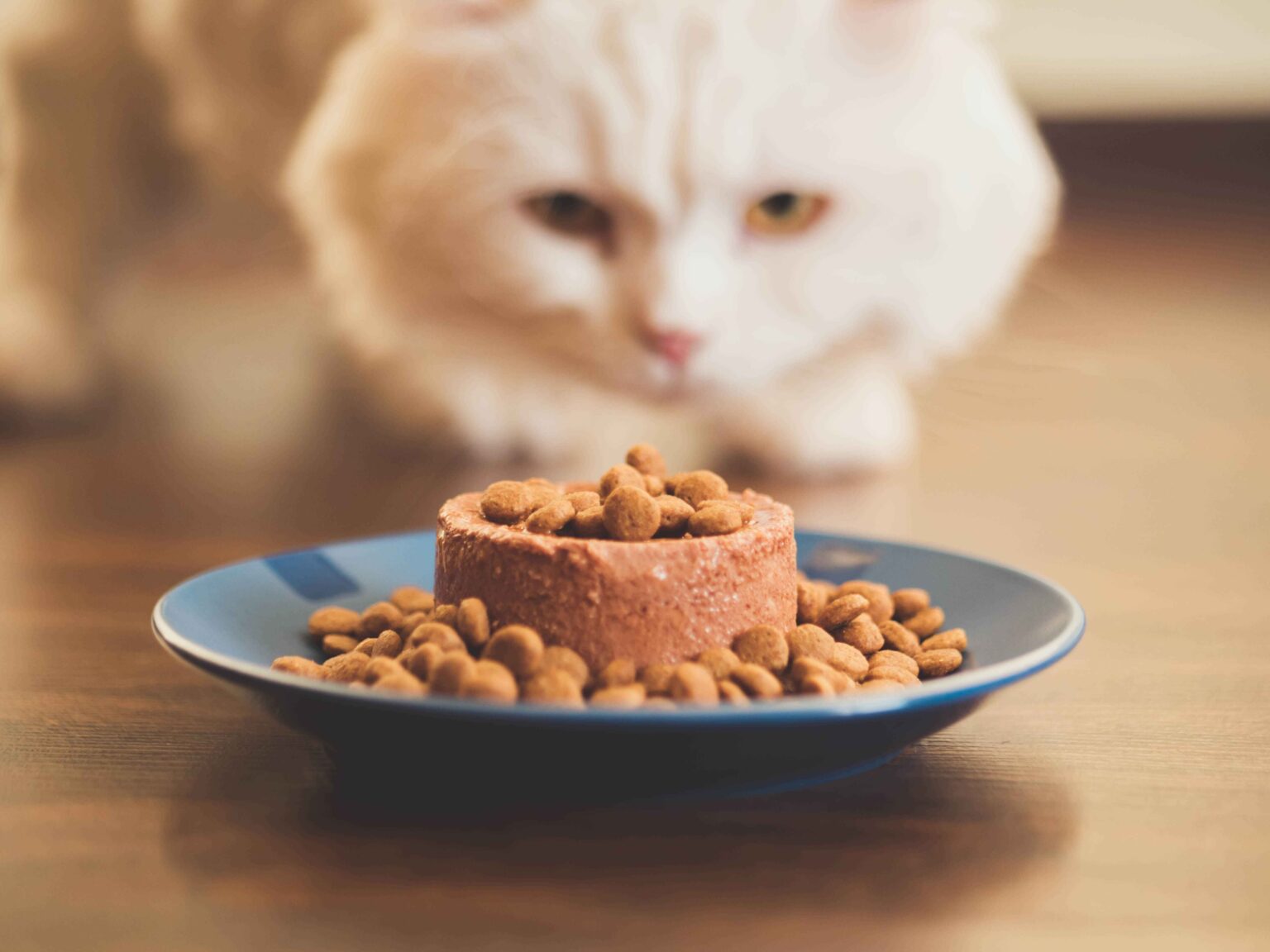
Walking down the pet food aisle of any major store can feel incredibly overwhelming. With hundreds of brightly colored cans, pouches, and bags promising “ancestral diets,” “grain-free” formulas, and “human-grade” ingredients, how do you actually know what is best for your feline best friend? Figuring out exactly how to choose cat food is one of the most critical responsibilities you face as a pet parent.
- 1. Why Choosing the Right Cat Food Matters
- 2. What to Look for in Quality Cat Food
- 3. How to Read a Cat Food Label
- 4. How to Choose Cat Food by Life Stage
- 5. Wet vs Dry Food Considerations
- 6. Ingredients to Avoid in Cat Food
- Conclusion
- Frequently Asked Questions (FAQ)
- What is the most important thing to look for on a cat food label?
- Is wet or dry food better for my cat?
- Are meat by-products bad for cats?
- When should I switch my kitten to adult cat food?
- How do I safely transition my cat to a new food?
- References & Further Reading
Proper nutrition is the absolute foundation of your cat’s health. It directly impacts their daily energy levels, immune system strength, coat quality, and overall longevity. However, clever marketing and beautiful packaging often mask the true nutritional value of what is actually inside the bag. If you want to master choosing the right cat food, you must look past the flashy advertising and focus strictly on the science of feline biology.
In this comprehensive cat food buying guide, we will break down the unique biological needs of cats, teach you exactly how to read cat food labels, and explain how to select the perfect diet based on your pet’s specific life stage and lifestyle.
1. Why Choosing the Right Cat Food Matters
When determining what to look for in cat food, it is crucial to understand your cat’s biological baseline. Cats are strict, obligate carnivores. Their bodies are meticulously designed by nature to process and derive vital energy almost exclusively from animal tissue.
Unlike omnivores, cats cannot synthesize certain essential amino acids on their own from plant matter. The Cornell Feline Health Center emphasizes that the protein requirements for cats are significantly higher than for many other mammals. They must consume taurine, arginine, and arachidonic acid directly from meat sources. If a cat does not get enough taurine from their diet, they will inevitably develop severe heart disease (cardiomyopathy) and permanent blindness. Therefore, prioritizing high-quality animal protein is non-negotiable.
2. What to Look for in Quality Cat Food
When learning how to select cat food, you must identify the hallmarks of premium nutrition. The very best diets on the market share a few specific characteristics.
The AAFCO Cat Food Statement
This is the most important sentence on any pet food packaging. To ensure you are buying a complete and balanced cat food, you must look for the Nutritional Adequacy Statement. According to the strict regulatory guidelines published by the Association of American Feed Control Officials (AAFCO), this statement guarantees that the food contains the exact baseline ratios of vitamins, minerals, and amino acids required to keep a cat alive and healthy.
If the label reads “intended for intermittent or supplemental feeding only,” it is not a complete meal. It is merely a treat or a meal topper, and feeding it as a primary diet will quickly lead to severe malnutrition.
The Best Ingredients in Cat Food
The best ingredients in cat food are highly specific, named animal sources. You want to see ingredients like “Deboned Chicken,” “Salmon,” or “Turkey” occupying the very first slot on the ingredient list. Named meat meals, such as “Chicken Meal,” are also excellent, highly concentrated sources of protein.
3. How to Read a Cat Food Label
Understanding how to read cat food labels is your ultimate defense against poor-quality nutrition. Ingredients are legally required to be listed in descending order by their pre-cooked weight. Because fresh meat contains about 70 percent water, it weighs a lot and naturally appears first. Use this quick reference table to decode the back of the bag:
| Label Section | What It Tells You | What to Look For |
|---|---|---|
| Ingredient List | The actual components of the food, listed by weight. | Named whole meats (Chicken, Salmon) as the first ingredient; named animal fats. |
| Guaranteed Analysis | The minimum percentages of protein/fat and maximum percentages of fiber/moisture. | High crude protein (minimum 30-40% for dry, heavily adjusted for wet moisture). |
| AAFCO Statement | Verifies nutritional completeness. | “Formulated to meet the nutritional levels established by the AAFCO Cat Food Nutrient Profiles.” |
4. How to Choose Cat Food by Life Stage
Nutritional requirements shift dramatically as your feline ages. A proper life stage cat food guide is essential because feeding the wrong formula can cause developmental issues or obesity. Here is exactly how to choose cat food by age:
- Kittens (0 to 12 Months): Young felines are furry construction zones. They require calorie-dense foods with significantly higher levels of protein, fat, and calcium to support rapid bone and tissue growth. High-quality kitten formulas are also enriched with DHA for optimal brain and vision development.
- Adult Cats (1 to 7 Years): As your cat reaches adulthood, their growth stabilizes. The dietary focus must shift to maintaining a healthy weight. Adult foods are lower in calories but rely on high-quality proteins and antioxidants to support the immune system.
- Senior Cats (7+ Years): Older felines naturally slow down and develop slower metabolisms. Senior diets are formulated to be easier to digest and often include joint-supporting supplements. Crucially, as recommended by the World Small Animal Veterinary Association (WSAVA) global nutrition guidelines, senior diets feature controlled phosphorus levels to protect aging kidneys from chronic disease.
5. Wet vs Dry Food Considerations
When deciding between wet vs dry when choosing cat food, modern veterinary medicine heavily favors wet food. In the wild, cats obtain almost all of their necessary moisture directly from the bodies of their prey. As a result, domestic cats have a remarkably low natural thirst drive.
Wet food acts to force hydration into their diet, which flushes out the urinary tract, prevents painful bladder crystals, and protects their kidneys. Furthermore, wet food is naturally much lower in carbohydrates, making it closer to a cat’s biological ancestral diet. While dry kibble is highly convenient and budget-friendly, it is inherently higher in carbohydrates and calories. If you choose to feed dry food, you must be incredibly vigilant about encouraging your cat to drink water from a circulating fountain.
6. Ingredients to Avoid in Cat Food
Knowing what to avoid is just as critical as knowing what to buy. The ingredients to avoid in cat food are typically cheap fillers used by manufacturers to bulk up the product and increase profit margins.
- Vague Meat By-Products: If the label says “Meat Meal” or “Poultry Digest” without specifying the exact animal, you should put the bag down. You always want to see the specific species named, such as “Chicken By-Product Meal.”
- Artificial Colors and Dyes: Ingredients like Red 40, Yellow 5, or Blue 2 are completely unnecessary. Your cat does not care what color their kibble is; these chemicals are added purely to appeal to human eyes and can irritate a sensitive feline stomach.
- Excessive Carbohydrate Fillers: Cats do not need high levels of corn, wheat, or soy. While the debate around “grain-free” is loud, replacing grains with massive amounts of potatoes or peas offers no biological benefit. Focus on finding a food with the lowest overall carbohydrate percentage, regardless of whether it uses grains or alternative starches.
🚨 7. Common Mistakes When Choosing Cat Food
Even well-meaning owners can fall into dietary traps. Here are two massive considerations for specific feline lifestyles:
- How to Choose Food for Indoor Cats: Indoor cats burn a fraction of the calories that outdoor mousers do. Feeding an indoor cat a high-performance or free-fed dry diet will rapidly lead to dangerous obesity. Always measure their portions with a kitchen scale.
- Choosing Food for Picky Cats: If your cat refuses to eat, do not immediately switch brands, as rapid changes cause severe diarrhea. Instead, try warming their wet food slightly in the microwave to enhance the aroma, or add a spoonful of low-sodium chicken broth to their kibble to entice them.
Conclusion
Figuring out how to choose cat food does not have to be a stressful guessing game. By understanding the biological needs of an obligate carnivore, feeding appropriately for their specific life stage, and learning how to read AAFCO-regulated ingredient labels, you can confidently navigate the pet food aisle. Always prioritize brands backed by science and feeding trials, maximize their moisture intake with high-quality wet food, and never hesitate to ask your veterinarian for a personalized dietary recommendation to keep your furry friend thriving for years to come.
Frequently Asked Questions (FAQ)
What is the most important thing to look for on a cat food label?
The most important element is the AAFCO Nutritional Adequacy Statement, which legally guarantees the food is complete and balanced for your cat’s specific life stage. After that, look for a specific, named whole meat (like chicken, turkey, or salmon) as the very first ingredient.
Is wet or dry food better for my cat?
Veterinary nutritionists generally consider wet food to be superior for feline health. Its high moisture content protects against chronic kidney disease and urinary tract blockages, and it is naturally much lower in carbohydrates, which helps prevent feline obesity.
Are meat by-products bad for cats?
Not necessarily. According to AAFCO regulations, by-products simply refer to nutrient-dense organ meats like the liver, kidneys, and spleen. In the wild, predators consume these organs first because they are packed with essential vitamins. As long as the by-product is specifically named (e.g., “chicken by-product”), it is a safe and nutritious ingredient.
When should I switch my kitten to adult cat food?
For most standard domestic cats, you should transition from a calorie-dense kitten formula to an adult maintenance diet right around 12 months of age. However, larger breeds like Maine Coons continue growing and may need to remain on kitten food until they are 18 to 24 months old.
How do I safely transition my cat to a new food?
You must transition your cat’s food slowly over a 7 to 10-day period to prevent severe vomiting and diarrhea. Start by mixing 25% of the new food with 75% of the old food, gradually increasing the ratio of the new food every two or three days until the transition is complete.