

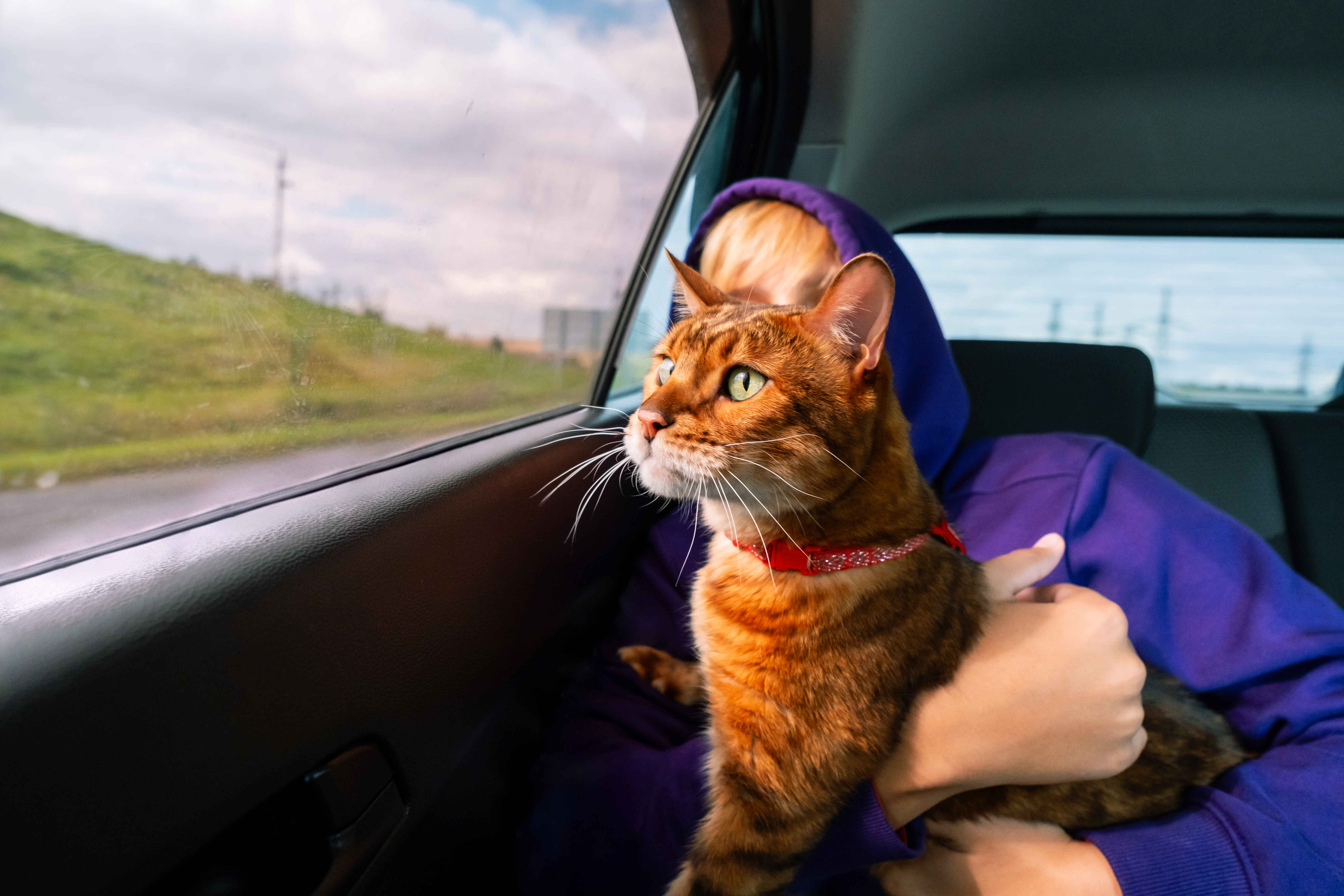
Figuring out how to travel with a cat can feel incredibly overwhelming, especially if you have an anxious feline. Unlike dogs, who often associate car rides with exciting adventures to the park, cats are deeply territorial creatures.
- Why Traveling Is Stressful for Most Cats
- How to Prepare Your Cat for Travel
- Choosing the Best Cat Carrier for Travel
- How to Travel With a Cat in the Car Safely
- Long-Distance Travel Tips for Cats
- How Long Can Cats Travel in a Car?
- How Often to Stop When Traveling With a Cat
- 🚨 Crucial Travel Safety Warning
- Car vs Plane vs Train Travel Comparison
- What to Pack: The Ultimate Cat Travel Checklist
- How to Keep Your Cat Calm During Travel
- Should You Sedate a Cat for Travel?
- Conclusion
- Frequently Asked Questions (FAQ)
Taking them out of their carefully scent-marked home and placing them into a moving vehicle is a massive disruption to their routine. Traveling with a cat for the first time usually results in frantic meowing, excessive panting, and a highly stressed-out pet parent.
However, relocating or taking a vacation with your furry best friend does not have to be a nightmare. With the right preparation, specialized equipment, and a deep understanding of feline psychology, you can transform a terrifying ordeal into a smooth journey.
In this comprehensive guide, we will share essential tips for traveling with cats. We will cover everything from packing the ultimate cat travel checklist to figuring out exactly how to travel long distance with a cat without losing your mind.
Why Traveling Is Stressful for Most Cats
To understand exactly how to make travel less stressful for cats, you must view the world from their perspective. Cats are apex predators, but they are also small enough to be prey in the wild.
Their survival instinct relies entirely on controlling their immediate environment. When they are locked inside a carrier, subjected to loud highway noises, and exposed to strange smells, they feel completely vulnerable and trapped.
Recognizing the early signs of distress is vital. Use this quick reference table to identify how your cat is reacting during the journey:
| Anxiety Level | Common Feline Symptoms | What You Should Do |
|---|---|---|
| Mild Stress | Lip licking, wide eyes, vocalizing (meowing), refusal to eat treats. | Speak in a soft, calm voice. Do not open the carrier. |
| Moderate Stress | Trembling, attempting to dig out of the carrier, pacing tightly. | Drape a breathable towel over the carrier to block visual triggers. |
| Severe Panic | Open-mouth panting, drooling excessively, urinating or defecating in fear. | Pull over safely, adjust the car temperature, and let them rest quietly in the dark. |
Understanding common cat behavior problems can help you anticipate their reactions during a long trip. Knowing their baseline behavior makes it much easier to spot when panic sets in.
How to Prepare Your Cat for Travel
The biggest mistake owners make is pulling the dusty carrier out of the closet ten minutes before departure. If you want to know how to prepare a cat for travel, you must start weeks in advance.
Bring the carrier into the living room at least two weeks before your trip. Remove the door so your cat can explore it freely. Place their favorite blanket, highly prized treats, and catnip inside.
The goal is to transform the carrier from a terrifying trap into a cozy, positive sleeping den. The Cornell Feline Health Center provides excellent resources emphasizing that proper carrier acclimation is the single most important step in minimizing travel-related stress in cats.
Choosing the Best Cat Carrier for Travel
Finding the best cat carrier for travel is essential for their safety and your peace of mind. Never let a cat roam freely inside a moving vehicle.
A loose cat can easily become trapped under the brake pedal or suddenly leap onto the dashboard in a panic. You must choose a carrier that is sturdy, well-ventilated, and large enough for the cat to stand up and turn around in comfortably.
Hard-sided plastic carriers offer the most protection in the event of a car accident and are incredibly easy to clean if an accident occurs. Soft-sided carriers are lightweight and easier to carry, making them the preferred choice for airline cabin travel.
How to Travel With a Cat in the Car Safely
Learning how to travel with a cat in a car involves securing the environment. The carrier should be placed securely in the back seat, never in the front seat where deployment of an airbag could cause fatal injuries.
Use the car’s seatbelt to strap the carrier in securely. If you have to slam on the brakes, an unbuckled carrier will become a dangerous projectile.
Furthermore, pay close attention to climate control. Ensure the air conditioning vents are reaching the back seat, but do not blast freezing air directly into the carrier.
Long-Distance Travel Tips for Cats
If you are planning an extensive relocation, figuring out how to travel long distance with a cat requires a highly structured timeline. How to travel with a cat on a road trip is entirely different from a quick fifteen-minute drive to the local vet clinic.
How Long Can Cats Travel in a Car?
Most healthy adult cats can comfortably handle 6 to 8 hours of driving in a single day. Pushing beyond 8 hours significantly increases their stress and raises the risk of dangerous dehydration.
How Often to Stop When Traveling With a Cat
You should plan a quiet, 15-minute rest stop every 2 to 3 hours. During these stops, do not open the car doors. Keep the windows rolled up to prevent sudden escapes.
Offer them a small dish of water and a few treats. Can cats use a litter box while traveling? Yes, but rarely while the car is actively moving. During your rest stops, place a small, disposable travel litter box on the floorboard and allow them to use it while the engine is turned off.
🚨 Crucial Travel Safety Warning
Never, under any circumstances, leave a cat alone in a parked car, even with the windows cracked. Temperatures inside a stationary vehicle can reach lethal, brain-damaging levels in less than fifteen minutes on a mild sunny day.
Car vs Plane vs Train Travel Comparison
Depending on your destination, you may have multiple transit options. Here is a quick comparison to help you choose the best route for traveling with a cat.
| Mode of Transit | Pros | Cons |
|---|---|---|
| Car (Road Trip) | Total control over temperature, stops, and environment. Safest overall option. | Can take days to reach far destinations, causing prolonged mild stress. |
| Airplane (Cabin) | Very fast. The stress period is incredibly short compared to driving. | Loud engines, pressure changes, and strict airline carrier size limits. |
| Train | Smoother ride than a car, with less sudden braking. | Strangers nearby, limited privacy, and strict pet policies depending on the railway line. |
What to Pack: The Ultimate Cat Travel Checklist
Being organized is your best defense against chaos on the road. Do not leave the house without checking off this essential cat travel checklist:
- A sturdy, well-ventilated carrier lined with absorbent pee pads.
- A harness and leash (in case you must safely remove them from the carrier in an emergency).
- A collapsible travel litter box, a small bag of their normal litter, and waste bags.
- Pop-up silicone bowls and a gallon of fresh water from home to prevent stomach upset.
- Their regular food, high-value treats, and any necessary daily medications.
- A copy of their recent medical records and proof of rabies vaccination.
How to Keep Your Cat Calm During Travel
If you are wondering how to keep a cat calm while traveling, sensory deprivation is often the most effective method. Cats are highly stimulated by fast-moving scenery.
Draping a lightweight, breathable sheet over the carrier instantly creates a dark, secure “cave” environment that calms them down. Additionally, learning how to reduce cat travel anxiety involves utilizing synthetic feline facial pheromones.
Spraying a product like Feliway directly into the carrier 15 minutes before departure sends powerful biological comfort signals to their brain. Adding an unwashed t-shirt that smells like you into the carrier also provides immense comfort through familiar scent.
Should You Sedate a Cat for Travel?
When panic becomes dangerous, many owners ask: should cats be sedated for travel? The answer is highly dependent on your individual cat and the length of the journey.
Over-the-counter calming treats (containing chamomile or L-theanine) can take the edge off mild anxiety. However, for a truly terrified cat, you must consult your veterinarian.
Veterinarians frequently prescribe a mild, safe sedative called Gabapentin for travel. It dramatically lowers anxiety and promotes sleepiness without completely knocking the cat out, making the entire journey immensely safer for everyone involved.
Conclusion
Figuring out how to travel with a cat successfully is a mix of strategic planning, empathy, and the right equipment. By acclimating your feline to their carrier weeks in advance, packing a thorough travel kit, and managing their environment during the drive, you can safely navigate even the longest road trips.
Remember to always secure the carrier, utilize calming pheromones, and never hesitate to ask your veterinarian for medicinal support if your cat suffers from severe panic. With patience and preparation, your furry companion will arrive at your final destination safe, sound, and ready to explore their new territory.
Frequently Asked Questions (FAQ)
Can cats use a litter box while traveling?
Yes, but they rarely use it while the vehicle is actively moving. You must provide a disposable travel litter box on the floorboard of the car during your scheduled rest stops. Allow them access to the box while the doors are securely closed and the engine is completely turned off.
How long can cats travel in a car?
Most healthy adult cats can safely tolerate 6 to 8 hours of driving per day. Pushing beyond this limit significantly increases their stress levels and raises the risk of severe dehydration. Always plan your overnight hotel stops accordingly.
How often to stop when traveling with a cat?
You should plan a quiet, 15-minute rest stop every 2 to 3 hours during a long road trip. Keep the car doors firmly closed and the windows rolled up to prevent accidental escapes while you offer them fresh water and a chance to use the travel litter box.
Should cats be sedated for travel?
If your cat experiences extreme panic, open-mouth panting, or vomits from fear, sedation is highly recommended for their safety. Always consult your veterinarian, who can safely prescribe anti-anxiety medications like Gabapentin to keep them calm and comfortable during the trip.
How do I reduce cat travel anxiety naturally?
To naturally reduce anxiety, cover their carrier with a breathable towel to block out scary visual stimuli from the highway. Spray the inside of the carrier with synthetic calming pheromones (like Feliway) 15 minutes before the trip, and include a piece of your unwashed clothing for a comforting, familiar scent.