

Every day, well-meaning pet parents find themselves incredibly frustrated by their dog’s seemingly unpredictable actions. Whether it is chewing up your favorite pair of shoes, barking endlessly at the mail carrier, or refusing to come when called, dealing with an unruly pup is exhausting. Many pet owners struggle with their dog’s destructive or stubborn habits, but they often do not realize a fundamental truth: dogs do not misbehave out of spite.
- 1. The Power of Unwavering Consistency
- 2. Positive Reinforcement (The Science of Rewards)
- 3. Proper Socialization (The Preventative Cure)
- 4. Physical and Mental Exercise (A Tired Dog is a Good Dog)
- 5. Knowing When to Seek Professional Help
- Summary Checklist
- Conclusion
- Frequently Asked Questions (FAQ)
- Why does my dog completely ignore me when I call them?
- Is it ever too late to train an older dog?
- Why has my perfectly behaved dog suddenly started acting out?
- References
As highlighted by experts at the American Kennel Club (AKC), your dog’s behavior is a direct product of their environment, their past experiences, and their deep-rooted natural instincts. If you want to permanently stop the leash-pulling and the furniture-chewing, you have to look past the symptom and treat the cause.
Understanding dog behavior is the absolute most critical component of successful dog training. By understanding why your dog behaves the way they do, you can effectively address the underlying anxiety, boredom, or confusion that is driving the bad behavior.
Whether you are a brand-new puppy parent or you have had your furry best friend for years, understanding canine psychology is the key to a harmonious, stress-free home. Let’s dive into the 5 expert, vet-approved tips you need to know to start transforming your “bad” dog into an obedient, confident, and joyful pooch today.
1. The Power of Unwavering Consistency
Consistency in training is the absolute cornerstone of transforming a challenging dog into a well-mannered companion. Dogs are pattern-seeking animals; they learn entirely through repetition, routine, and clear expectations. Therefore, it is essential to keep your training sessions and your daily rules completely consistent.
This means using the exact same verbal commands and hand signals for specific behaviors every single time. If you want your dog to get off the furniture, you cannot use “down” one day, “off” the next, and “go to your bed” the day after. Choose one word, ensure every family member uses that exact word, and reward or correct the dog in the exact same way.
The Danger of Intermittent Reinforcement
Consistency also means setting firm boundaries and following through with them 100% of the time. For example, if you feed your dog from the dinner table on Thanksgiving, but scold them for begging on a random Tuesday, you are deeply confusing them.
In behavioral psychology, this is called “intermittent reinforcement.” When a dog sometimes gets a reward (table scraps) and sometimes doesn’t, it actually makes the begging behavior stronger and incredibly difficult to break. It teaches them to keep trying because it might eventually work. By keeping your rules completely consistent, your dog never has to guess what is expected of them, drastically reducing their anxiety and making them a much more obedient pooch.
2. Positive Reinforcement (The Science of Rewards)
Veterinary professionals at VCA Animal Hospitals emphasize that positive reinforcement is a scientifically backed training technique that involves instantly rewarding your dog for executing a good behavior. It is based on a very simple but powerful principle of canine ethology: animals are biologically wired to repeat behaviors that are followed by highly positive consequences.
When your dog exhibits a desired behavior, such as sitting patiently at the door or not barking excessively at a passing bicycle, you must reward them immediately. The reward can be a high-value training treat, enthusiastic verbal praise, or a quick game of tug-of-war. For instance, if you are trying to teach your dog a reliable recall (coming when called), you must make returning to you the absolute best part of their day by showering them with treats the second they arrive.
Why Punishment Fails
In stark contrast, physical punishment or yelling creates deep-seated fear and anxiety in dogs. According to the American Veterinary Society of Animal Behavior (AVSAB), punishing your dog for bad behavior creates negative associations, ruins the bond of trust between you and your pet, and frequently leads to fear-based aggression.
While positive reinforcement is the most powerful tool in your arsenal, it does not mean you can never say “no.” Dogs still need boundaries. However, instead of yelling, effective correction simply means removing the reward. If a dog jumps on you for attention, turning your back, crossing your arms, and completely ignoring them (removing the reward of your attention) is far more effective than shouting at them to get down.

3. Proper Socialization (The Preventative Cure)
When most people hear the word “socialization,” they picture dogs playing together at a dog park. In reality, true socialization is the process of exposing your dog to a massive variety of different people, sounds, surfaces, and environments to help them feel safe and confident in the human world. It is an essential part of understanding dog behavior that actively prevents fear, anxiety, and reactivity.
Many top trainers recommend the “Rule of 7s” for puppies. Before they are 16 weeks old, they should experience 7 different surfaces (grass, gravel, carpet, metal grates), hear 7 different loud noises (vacuums, dropping pans, sirens), and meet 7 different types of people (people in hats, people with beards, children, people in wheelchairs). This exposure teaches their brain that new things are not dangerous.
If you have rescued an older dog who missed this critical window, it is never too late! For adult dogs, this process is called “counter-conditioning.” You simply go at a much slower pace, keeping them at a safe distance from their triggers (like other dogs or loud trucks) and feeding them high-value treats to slowly build positive associations over time.
4. Physical and Mental Exercise (A Tired Dog is a Good Dog)
A massive percentage of “bad” dog behavior—including destructive chewing, digging holes in the yard, and hyperactive pacing—is simply the result of a dog having too much pent-up energy and absolutely nothing to do with it. Dogs were historically bred for hundreds of years to work, herd, hunt, and guard. When we place them in a modern living room for 10 hours a day, they become incredibly bored.
Providing adequate physical exercise is mandatory. Depending on the breed, a simple 15-minute walk around the block is rarely enough. High-energy breeds like Siberian Huskies or Border Collies need vigorous daily running, hiking, or intense games of fetch to burn off their adrenaline.
The Importance of Mental Canine Enrichment
However, physical exercise is only half the battle. Mental exhaustion is just as important as physical exhaustion. Fifteen minutes of intense mental brain-work will often tire a dog out faster than a three-mile run.
To curb destructive behaviors, you must provide canine enrichment. Ditch the standard food bowl and feed your dog their meals out of a puzzle toy, a Kong stuffed with frozen peanut butter, or a fabric “snuffle mat.” You can also play scent games like “Find It,” where you hide highly scented treats around the living room and encourage your dog to use their nose to track them down. When a dog’s brain is tired, they are significantly less likely to destroy your couch while you are not home.
5. Knowing When to Seek Professional Help
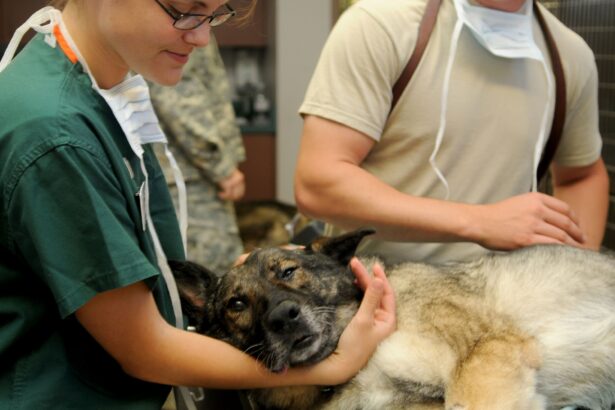
Sometimes, despite your absolute best efforts, consistency, and love, a dog’s behavioral issues are simply too complex to handle on your own. If you feel overwhelmed, or if your dog is exhibiting severe, deeply ingrained bad habits, it is time to seek professional help.
Seeking out a certified professional is absolutely mandatory if your dog’s behavior involves aggression, such as resource guarding their food bowl, growling at children, or attacking other animals. These behaviors pose a massive safety risk and require nuanced, expert intervention that standard obedience tips cannot fix.
When looking for a professional, always search for a trainer or a Veterinary Behaviorist who explicitly uses fear-free, positive reinforcement-based methods. Avoid trainers who guarantee “quick fixes” using shock collars or dominance theory, as these outdated methods are scientifically proven to worsen anxiety and aggression. A good professional will assess your dog’s unique psychology and give you a customized roadmap to successfully rehabilitate your furry friend.
Summary Checklist
Transforming your dog’s behavior requires a multi-layered approach. Keep this quick checklist in mind:
- Consistency: Use the exact same commands, rules, and boundaries every single day. Do not confuse your dog with intermittent reinforcement.
- Positive Reinforcement: Heavily reward the behaviors you want to see with treats and praise. Ignore or redirect the behaviors you don’t want.
- Socialization: Safely expose your dog to new environments, sounds, and people to build their confidence and reduce fear-based reactivity.
- Exercise (Physical & Mental): Ensure your dog’s biological needs are met through vigorous daily walks and mentally stimulating puzzle toys.
- Professional Help: Never hesitate to call a certified, positive-reinforcement behaviorist if you are dealing with severe anxiety or aggression.
Conclusion
Understanding dog behavior is a lifelong, rewarding journey that requires empathy, patience, and a willingness to learn how your dog views the world. By implementing these five foundational tips, you are not just teaching your dog neat parlor tricks; you are actively communicating with them in a language they understand. When your dog feels secure, mentally stimulated, and clearly understands the rules of the house, the “bad” behaviors will naturally begin to fade away. With time, effort, and dedication, you will build an unbreakable bond with your dog and enjoy a truly happy, fulfilling relationship.
Frequently Asked Questions (FAQ)
Why does my dog completely ignore me when I call them?
If your dog ignores you, it usually means the environment they are currently investigating (like a fascinating smell in the grass) is simply more rewarding to them than returning to you. It can also mean you have accidentally “poisoned” the recall cue by calling them to do something unpleasant, like taking a bath or leaving the park. To fix this, you must make returning to you incredibly rewarding using high-value treats (like real chicken) and lots of enthusiasm.
Is it ever too late to train an older dog?
Absolutely not! The old adage “you can’t teach an old dog new tricks” is completely false. Older dogs are often highly focused and have a calmer demeanor, which can actually make them easier to train than hyperactive puppies. While it may take a bit more patience to break a habit they have practiced for years, consistent positive reinforcement works brilliantly on senior dogs.
Why has my perfectly behaved dog suddenly started acting out?
If a normally well-behaved dog suddenly begins exhibiting “bad” behaviors like having accidents in the house, pacing, or snapping, the very first step should be a trip to the veterinarian. Sudden behavioral changes are very frequently the result of an underlying, hidden medical issue. Your dog cannot tell you they are in pain, so they express their discomfort through changes in their behavior.
References
- American Veterinary Society of Animal Behavior (AVSAB). Position Statement on Humane Dog Training. AVSAB.org
- American Kennel Club (AKC). Understanding Dog Behavior. AKC.org
- VCA Animal Hospitals. Dog Behavior and Training: Positive Reinforcement. VCAHospitals.com
Image Credits: Images sourced via standard Pixabay license. Representative imagery used for illustrative purposes.