

If you have ever spent more than five minutes with a Husky, you already know they are not your average, quiet canine. How a husky barks, howls, and yowls has become a globally recognized and beloved defining trait of this magnificent breed.
- The 4 Unique Sounds Huskies Make
- 1. Huskies Barking (The Alert)
- 2. Huskies Howling (The Song)
- 3. Huskies Yowling and “Talking” (The Tantrum)
- 4. Huskies Whining (The Plea)
- 5 Reasons Why Huskies Bark, Howl, and Yowl
- 1. To Communicate with the “Pack”
- 2. To Express Frustration and Emotion
- 3. Severe Separation Anxiety
- 4. Extreme Boredom
- 5. Responding to Other Dogs (The Chain Reaction)
- The Genetic History Behind the Howl
- How to Train Your Husky Not to Bark Excessively
- Conclusion
- Frequently Asked Questions (FAQ)
While huskies are not generally known to be excessive, nuisance barkers like some smaller terrier breeds, they are profoundly vocal in entirely different ways. They possess a massive, complex vocabulary of unique sounds, utilizing everything from low grumbles to ear-piercing shrieks to communicate exactly how they feel.
Huskies are a breathtakingly beautiful breed, and while there are many different types of husky breeds, they all share this deep-rooted, instinctual need to vocalize. Their daily dramatic monologues have rightfully earned them the internet-famous nickname of the “singing dogs.”
In this comprehensive guide, we will explore the fascinating world of husky vocalizations, decode the exact reasons behind their daily tantrums, and provide proven training tips to keep the peace in your household.
The 4 Unique Sounds Huskies Make
Huskies do not just bark at the mailman; they hold entire, multi-syllable conversations. When trying to understand your dog’s mood, you must first learn to identify the four main categories of husky vocalizations.
1. Huskies Barking (The Alert)
Although huskies are not typically utilized as guard dogs (they are usually far too friendly with strangers), they absolutely do bark. A husky bark is usually short, sharp, and highly functional. They use this specific sound to aggressively alert their owners to potential danger, such as a stranger approaching the front porch or a sudden, unexplained loud noise in the backyard.

2. Huskies Howling (The Song)
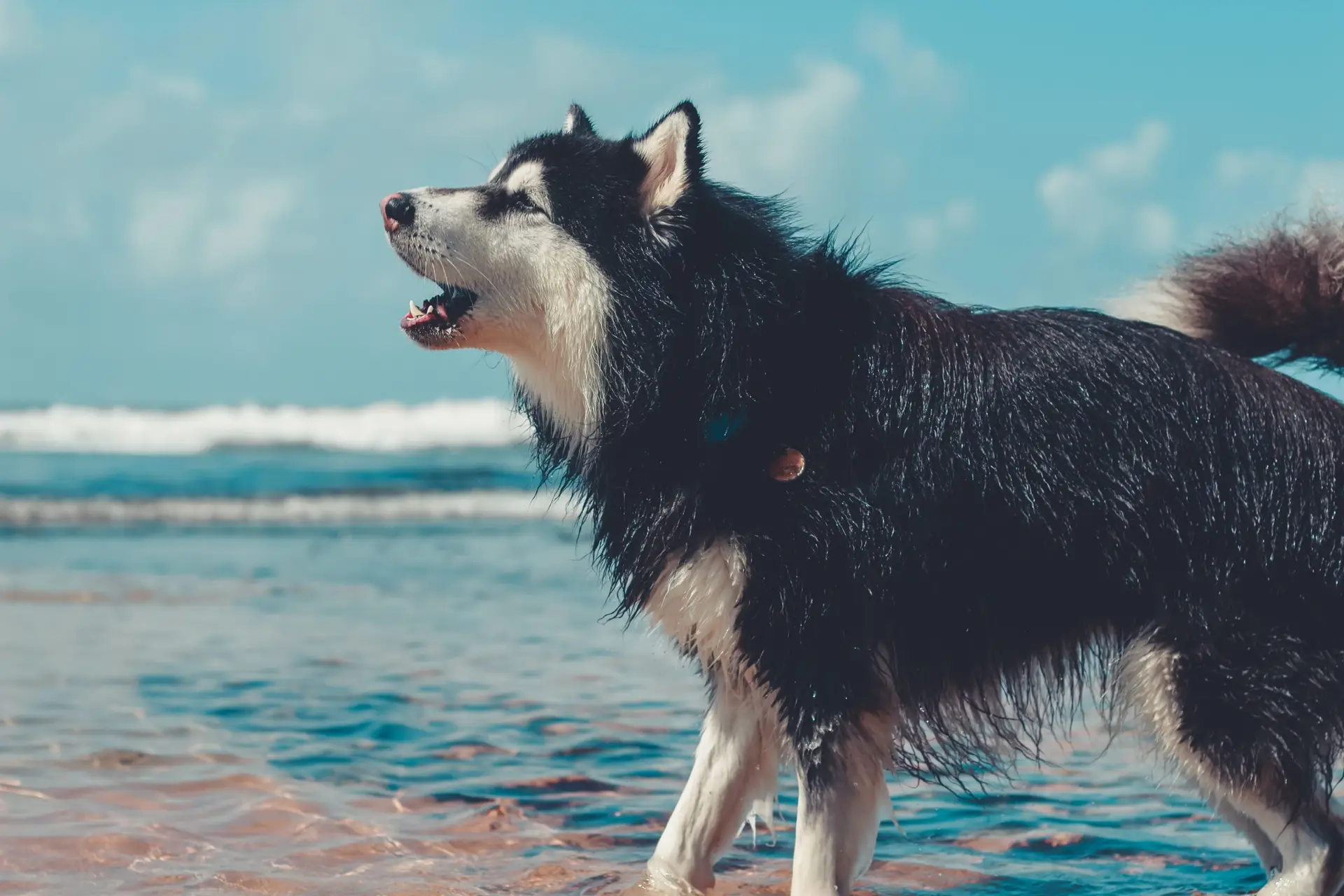
Howling is the absolute most distinctive and famous sound a husky makes. The classic husky howl is a long, drawn-out, mournful wail that sounds incredibly wolf-like. They are known to throw their heads back and howl when they are intensely excited, when sirens pass by, or when they hear other dogs howling in the distance. It is their primary form of long-distance communication.

3. Huskies Yowling and “Talking” (The Tantrum)
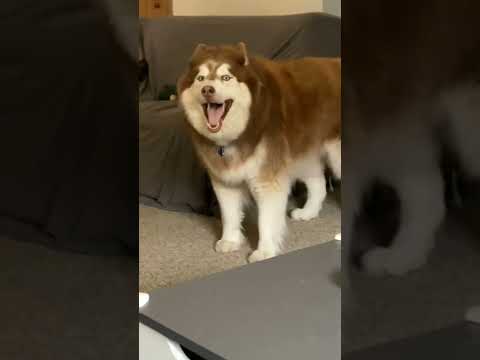
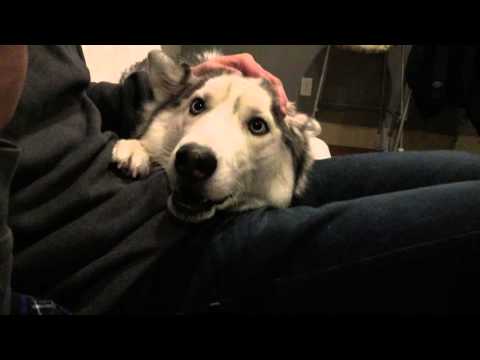
Yowling, often referred to as husky “talking”, is a sound highly similar to a howl, but it is much lower in pitch, heavily broken up with grumbles, and often much more prolonged. A husky will yowl, grumble, and “argue” with you when they are throwing a temper tantrum, when they are frustrated that you will not share your food, or when they are desperately trying to get your immediate attention.
4. Huskies Whining (The Plea)
Whining is a sharp, high-pitched, repetitive sound that huskies utilize when they are feeling deeply anxious or urgently need something (like needing to go outside to use the bathroom). Huskies may heavily whine when they are left alone in a crate or when they are physically separated from their favorite human.
5 Reasons Why Huskies Bark, Howl, and Yowl
Now that we can identify the specific noises, let’s explore the psychological and biological reasons driving your husky’s daily concert.
1. To Communicate with the “Pack”
Huskies are intensely social pack animals. When a husky howls, they are instinctually communicating with the rest of their perceived pack (which includes you, your family, and other pets). In the frozen wilderness, howling is the most efficient way to stay in touch with other sled dogs over miles of blinding snow and signal their exact location.
2. To Express Frustration and Emotion
Huskies are highly emotional, incredibly stubborn animals. When they are ecstatic that you have returned home, they will howl in joy. However, when they are told “no” or denied a treat, they will actively “yowl” and argue back to express their deep frustration. Their vocalizations are a direct reflection of their fiercely independent personality.
3. Severe Separation Anxiety
Huskies are notorious for developing incredibly strong, clingy bonds with their owners. Because they are wired to be part of a constant pack, they frequently suffer from severe separation anxiety when left alone in an empty house. When panic sets in, they will howl and yowl for hours in a desperate attempt to call their human pack members back home.
4. Extreme Boredom
This is a working breed designed to run for dozens of miles a day pulling heavy sleds. They require massive amounts of daily cardiovascular exercise and mental stimulation. When a husky is trapped in a small apartment and becomes bored, they will bark, howl, and destroy furniture simply to release their pent-up, frantic energy.
5. Responding to Other Dogs (The Chain Reaction)
Because they have such a strong pack mentality, huskies frequently howl simply because they hear another dog doing it. This is a deeply ingrained biological response. If one husky in a neighborhood begins howling at a siren, it will almost instantly trigger a chain reaction, causing every other husky in the area to join the chorus.
The Genetic History Behind the Howl

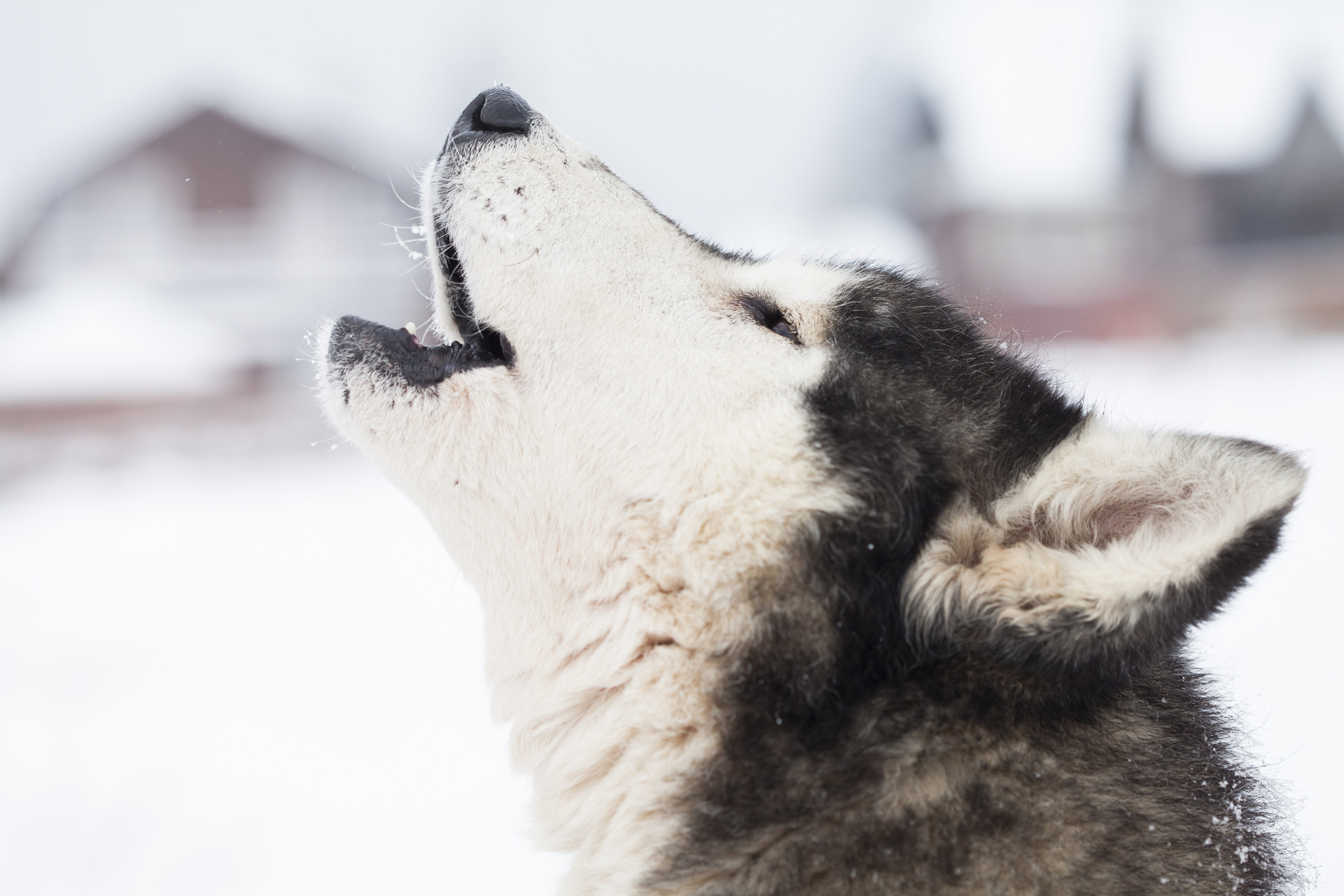
To truly understand your dog, you must respect their history. A husky’s intense desire to vocalize is rooted directly in their ancient genetics. They were bred by the Chukchi people of Siberia thousands of years ago to pull sleds across vast, unforgiving, frozen expanses.
In those blinding blizzard conditions, visual communication between dogs was impossible. Therefore, loud, carrying vocalizations—specifically the deep, resonant howl—were the only effective way for the sled team to communicate with humans and each other over long distances. Your modern couch-potato husky has simply retained this vital survival trait to this very day.
While genetics play a massive role in a husky’s behavior, it is critical to remember that their daily environment and obedience training are also crucial factors. You cannot completely silence a husky’s genetics, but you can absolutely manage them.
How to Train Your Husky Not to Bark Excessively
While huskies are not naturally nuisance barkers, a bored or anxious husky can quickly become a massive noise complaint for your neighbors. If your dog is vocalizing inappropriately, here are proven training tips to regain control of your household:
- Identify the Trigger: You cannot fix the barking until you know what causes it. Is it separation anxiety, a squirrel in the yard, or pure boredom? Once you identify the trigger, you can actively manage the environment to remove it.
- Exhaust Them Physically: A tired husky is a quiet husky. You must provide at least 1.5 to 2 hours of intense, heavy exercise (like running, hiking, or pulling) every single day. A quick walk around the block is never enough for this breed.
- Teach the “Quiet” Command: When your husky begins a yowling tantrum, calmly say the word “Quiet.” The absolute second they pause to take a breath and stop making noise, immediately reward them with a high-value treat. They will quickly learn that silence earns food.
- Never Yell Back: If your husky is barking and you yell at them to stop, they assume you are just barking and howling right along with them. Yelling only increases their excitement and volume. You must remain completely calm and silent.
- Ignore Demand Barking: If your husky is yowling at you because they want your dinner, do not look at them, do not touch them, and do not speak to them. Any attention (even negative attention) rewards the behavior. Completely ignore them until they are quiet.
Conclusion
The Siberian Husky is a magnificently unique, fiercely independent breed that will never apologize for expressing exactly how they feel. While their constant howling, grumbling, and “talking” can sometimes be exhausting, it is also one of the most endearing and entertaining traits of the breed.
By understanding the ancient pack-mentality driving their vocalizations, providing them with the massive amounts of physical exercise they biologically require, and utilizing positive reinforcement training, you can build a highly communicative, deeply rewarding relationship with your very own “singing dog.”
Frequently Asked Questions (FAQ)
Do all huskies howl and talk?
While the vast majority of Siberian Huskies are highly vocal, every dog is an individual. Some huskies are naturally very quiet and reserved, while others will hold loud, 10-minute arguments with their owners every single day. Their vocal tendencies depend heavily on their individual personality and how much their owners encourage the behavior during puppyhood.
Why does my husky howl when I leave the house?
If your husky howls the moment you close the front door, they are likely suffering from separation anxiety. Because they are pack animals, being separated from their “alpha” (you) causes immense panic. They are howling in a desperate attempt to call you back to the den. Crate training and building up their independence slowly can help alleviate this stress.
Can I train my husky to completely stop howling?
No, and you should not try. Howling is a deeply ingrained genetic behavior for a husky; it is how they naturally communicate. While you can easily train them to stop nuisance barking or to stop “demand yowling” for food, you cannot—and should not—attempt to train the natural howl out of a Siberian Husky.
Why does my husky argue and talk back to me?
Huskies are incredibly intelligent, highly stubborn dogs that were bred to think independently (a trait needed to navigate dangerous ice safely). If you tell them to get off the couch and they do not want to, they will frequently “yowl” and grumble to express their displeasure and formally register their complaint before eventually complying.