
The German Shepherd is one of the most intelligent and versatile dog breeds in the world—but it’s also one of the most misunderstood. While many see them as loyal family protectors, they are actually high-drive working dogs that require structure, training, and daily purpose.
- Pros and Cons of Owning a German Shepherd
- Are German Shepherds Good for First-Time Owners?
- German Shepherd vs. Belgian Malinois: What’s the Difference?
- German Shepherd Size: How Big Do They Get?
- German Shepherd Puppy: What to Expect
- Temperament and Behavior
- Training and Exercise Requirements
- Do German Shepherds Shed a Lot? (Grooming)
- Health and Nutrition
- How Much Does a German Shepherd Cost?
- Adopting a German Shepherd
- Final Thoughts
- Frequently Asked Questions (FAQ)
- References & Further Reading
In this complete German Shepherd breed guide, you’ll learn about their size, working-dog temperament, health issues, puppy costs, rigorous training needs, and whether this high-energy breed is the right fit for your lifestyle. Let’s be clear—this is not a casual, hands-off pet. Beneath that noble, wolf-like appearance is a brilliant, athletic, and demanding canine that requires leadership and a job to do.
The German Shepherd at a Glance (Quick Guide)
- Height: 22 to 26 inches at the shoulder
- Weight: 60 to 100 pounds
- Lifespan: 7 to 10 years
- Temperament: Intelligent, loyal, protective, and highly active
- Coat: Medium double coat, heavy shedder (“German Shedder”)
- Price Range: $800 – $3,000+ (Adoption heavily encouraged)
Pros and Cons of Owning a German Shepherd
Before bringing a high-drive working breed into your home, it is important to weigh the undeniable benefits against the daily challenges.
Pros:
- Exceptionally intelligent and highly trainable
- Fiercely loyal and protective of their family
- Versatile working dog (agility, obedience, search and rescue)
- Excellent guard dogs and visual deterrents
Cons:
- Heavy shedding year-round (requires constant vacuuming)
- Requires 1 to 2 hours of rigorous daily exercise
- Prone to serious joint and digestive health issues
- Can develop anxiety or reactivity if under-socialized
Are German Shepherds Good for First-Time Owners?
The short answer? Generally, no.
While they are eager to please, a German Shepherd can quickly overwhelm a novice dog owner. They possess a deep “working dog mindset” and require a confident leader who understands canine body language, extensive socialization, and structured obedience. Without consistent boundaries, a bored German Shepherd will quickly invent their own “jobs,” which usually translates to nuisance barking, destructive chewing, or aggressively guarding the front window.
Who Should NOT Own a German Shepherd?
If any of the following apply to you, you may want to reconsider this breed:
- First-time dog owners with no prior large-breed or obedience training experience.
- People working long hours who must leave the dog alone for 8 to 10 hours a day.
- Apartment dwellers without a dedicated plan for rigorous daily outdoor exercise.
- Owners seeking a hands-off pet; GSDs require constant grooming, training, and mental engagement.
German Shepherd vs. Belgian Malinois: What’s the Difference?
Because they share similar working backgrounds and appearances, people often confuse the German Shepherd with the Belgian Malinois. While both are elite working dogs, they have distinct differences:
- Build: The German Shepherd is larger, heavier, and longer, with a sloping back. The Malinois is smaller, leaner, more squarely built, and lighter on their feet.
- Energy Level: While the GSD is highly active, the Malinois takes energy to an extreme, hyper-alert level. A Malinois is often described as a “German Shepherd on espresso.”
- Temperament: German Shepherds have an “off switch” and can relax with their family indoors after a good workout. A Malinois rarely stops moving and is strictly recommended for professional handlers.
German Shepherd Size: How Big Do They Get?
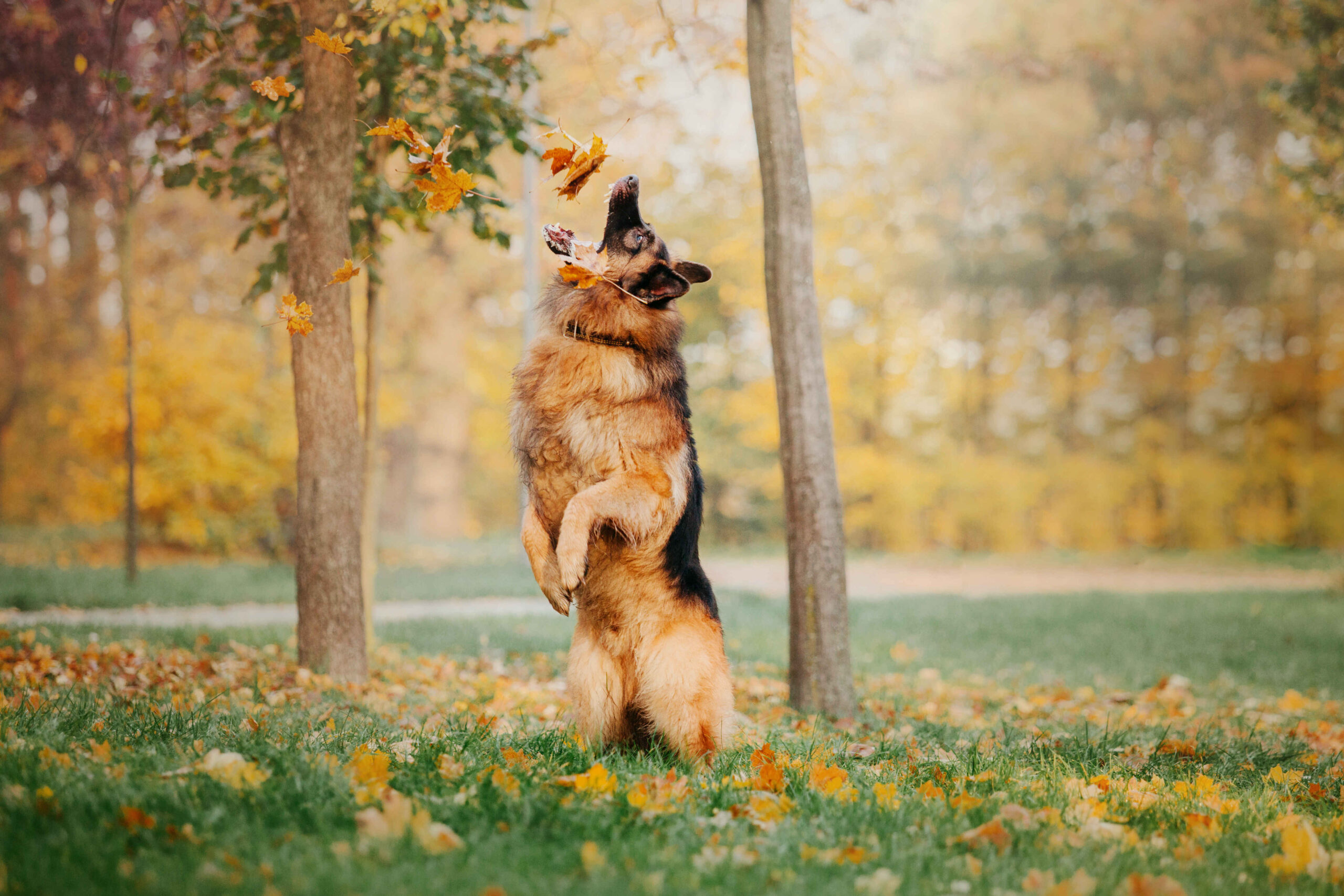
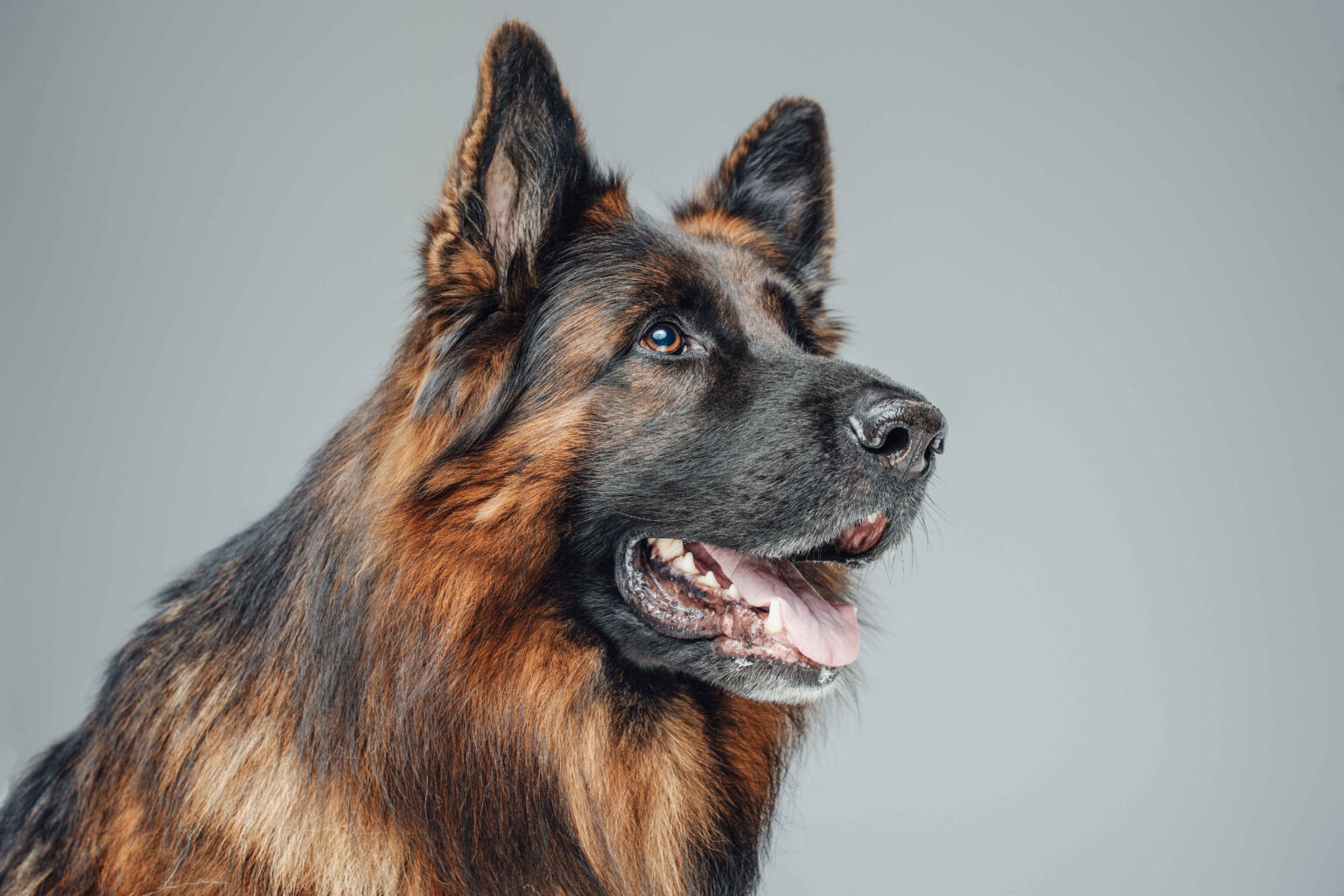
The German Shepherd size is classified as medium-to-large. They have a muscular, sturdy build that is slightly longer than it is tall. They feature a deep chest, a long, wedge-shaped head, and their iconic, naturally erect, pointed ears.
| Gender | Average Height (at the shoulder) | Average Weight |
|---|---|---|
| Male | 24 to 26 inches (61 to 66 cm) | 65 to 90 pounds (29.5 to 40.8 kg) |
| Female | 22 to 24 inches (56 to 61 cm) | 50 to 70 pounds (22.7 to 31.7 kg) |
Working Lines vs. Show Lines
Many German Shepherds today come from two very different lines: working lines and show lines. Working-line GSDs tend to have higher energy, stronger drive, and a straighter, healthier back. Show-line dogs are often bred for a specific aesthetic, featuring a severe, sloping back and sharply angled hind legs, which can make them calmer but significantly more prone to structural and joint issues.
German Shepherd Puppy: What to Expect
Bringing a German Shepherd puppy into your home is a major commitment. These puppies are affectionately (and accurately) referred to as “land sharks.”
- The Biting Phase: GSD puppies are incredibly mouthy. They explore the world with their teeth, and redirecting this biting behavior onto appropriate toys is a full-time job for the first few months.
- Growth Stages: They grow incredibly fast. Proper, measured nutrition is required to ensure their bones do not grow too quickly, which can lead to permanent joint issues.
- Early Socialization: Because they are naturally protective, puppy socialization must begin the moment they are vaccinated. Exposing them to diverse people, sounds, and environments is crucial to prevent fear-based aggression.
- Training Difficulty: They are brilliant and learn commands in minutes, but they will relentlessly test your boundaries during their adolescent phase (6 to 12 months).
Temperament and Behavior
Owners often describe German Shepherds as extremely loyal but demanding dogs. They are intensely handler-focused, meaning they will constantly watch you for cues and direction. They are notoriously aloof with strangers, taking their time to assess new people before deciding if they are a threat or a friend.
Without proper leadership, a German Shepherd may begin guarding doorways, barking at every passerby, or ignoring commands—behaviors that can escalate quickly in such a powerful breed.
| Personality Trait | What to Expect |
|---|---|
| Handler-Focused | Unmatched loyalty. They bond deeply with their family and actively watch their owner for cues. |
| Highly Trainable | Consistently ranked in the top 3 smartest dog breeds. They thrive when given complex tasks. |
| Protective Instincts | Naturally aloof and wary of strangers. Proper socialization helps them differentiate between normal visitors and actual threats. |
| Prey Drive | High. They may chase cats and small animals unless raised with them from puppyhood. |
Training and Exercise Requirements
A simple walk around the block will not cut it for this breed. Due to their high energy level, plenty of regular exercise is essential. Your GSD probably needs more exercise than you think.
You must provide 60 to 90 minutes of physical exercise daily. If you are a jogger or hiker, a German Shepherd is a perfect companion. Even more importantly, they need mental stimulation. Engaging their brain with advanced obedience, agility courses, or scent work will exhaust them faster than physical running.
Avoiding Common Training Pitfalls
Because they are so smart, novice owners easily fall into traps. Failing to engage their active brains or using inconsistent rules are common puppy training mistakes that lead to destructive chewing and separation anxiety. A 90-pound dog lunging at a squirrel is dangerous, so early, strict leash training is absolutely essential.
Do German Shepherds Shed a Lot? (Grooming)
If you bring a German Shepherd into your home, you must make peace with dog hair. They are affectionately nicknamed “German Shedders.”
- Year-Round Shedding: They possess a thick double coat that sheds moderately all year long.
- Seasonal Blowouts: Twice a year (usually spring and fall), they will “blow” their undercoat, resulting in heavy, clumped shedding that covers furniture and clothing.
- Grooming Frequency: You must brush them 3 to 4 times a week using a deshedding rake. To manage the mess, referencing a strict dog shedding guide is highly recommended. Bathe them only every 3 to 4 months to avoid stripping their coat of its natural oils.
Health and Nutrition
While generally robust, you must be educated on large breed dog health issues, as GSDs are genetically prone to several serious conditions:
- Hip and Elbow Dysplasia: A genetic joint malformation leading to painful arthritis. Always adopt from rescues that health-screen, or ensure breeders provide OFA joint clearances.
- Gastric Dilatation-Volvulus (Bloat): A life-threatening emergency where the stomach fills with gas and twists. Prevent this by feeding two smaller meals a day instead of one large one, and avoid vigorous exercise immediately after eating.
- Degenerative Myelopathy (DM): A progressive neurological disease that affects the spinal cord, causing weakness and eventual paralysis in the hind legs.
- Exocrine Pancreatic Insufficiency (EPI): A condition where the pancreas does not produce enough digestive enzymes, leading to rapid weight loss and malnutrition.
Nutrition Tips
Look for high-quality dog food featuring whole animal proteins (chicken, lamb, or salmon). German Shepherd puppies must be fed a large-breed specific puppy formula to control their rapid growth and protect their developing joints. Monitor their weight strictly, as obesity will severely shorten your dog’s life.
How Much Does a German Shepherd Cost?
Acquiring and caring for a large working breed is a significant financial investment. The cost of owning a German Shepherd goes far beyond the initial purchase price.
| Expense Category | Estimated Cost |
|---|---|
| Puppy Price (Reputable Breeder) | $800 – $3,000+ USD |
| Adoption / Rescue Fee | $150 – $500 USD |
| Monthly Care (Food, Toys, Preventatives) | $100 – $250 USD |
| Estimated Lifetime Cost | $15,000 – $25,000+ USD |
Note: Veterinary care, medications, and parasite preventatives are dosed by weight, making medical care for a 90-pound German Shepherd significantly more expensive than for a small breed dog. Investing in pet insurance early is highly recommended.
Adopting a German Shepherd
If you feel you have the time, energy, and leadership required for this incredible breed, we strongly encourage you to look into adoption before seeking a breeder.
Because they require so much training and exercise, many young German Shepherds end up in shelters when novice owners realize they are overwhelmed. Adopting an adult GSD gives a deserving, intelligent dog a second chance and often allows you to bypass the destructive, mouthy puppy phase.
To start your adoption journey, reach out to breed-specific organizations such as the German Shepherd Dog Club of America or regional rescue networks. These groups can expertly match a dog’s specific energy level and personality to your household.
Final Thoughts
The German Shepherd is a breathtaking, loyal, and fiercely intelligent companion. They are not a breed for the casual, inactive owner. They require time, rigorous exercise, consistent training, and plenty of grooming.
But if you are willing to put in the work and establish clear leadership, a German Shepherd will reward you with an unbreakable bond. They are the ultimate “ride or die” dog, a protector, a confidant, and a lifetime companion.
Frequently Asked Questions (FAQ)
Are German Shepherds good family dogs?
Yes, when properly trained and extensively socialized, they make phenomenal family dogs. They are deeply devoted to their “pack” and protective of children. However, because of their size and herding instincts (which can lead to nipping at heels), interactions with toddlers should always be supervised.
How much exercise does a German Shepherd need?
A healthy adult German Shepherd requires an absolute minimum of 60 to 90 minutes of vigorous physical exercise every day, combined with dedicated mental stimulation (like obedience training or puzzle toys) to prevent destructive behaviors.
Can German Shepherds live in apartments?
While it is physically possible, it is not ideal. A German Shepherd can live in an apartment only if the owner is exceptionally dedicated to taking them outside for vigorous exercise and training multiple times a day. Without a yard, the burden of exercise falls entirely on structured walks and park visits.
Are German Shepherds easy to train?
They are highly trainable due to their immense intelligence. They pick up commands quickly, but they require a confident, consistent handler to channel their high drive into positive behaviors.
References & Further Reading
- American Kennel Club (AKC): German Shepherd Dog Breed Standard – akc.org
- German Shepherd Dog Club of America (GSDCA): Breed History & Rescue Info – gsdca.org
- Orthopedic Foundation for Animals (OFA): Canine Health Information Center – ofa.org
- American College of Veterinary Surgeons (ACVS): Gastric Dilatation-Volvulus – acvs.org
- Embark Veterinary: Dog Genetics and Degenerative Myelopathy – embarkvet.com