
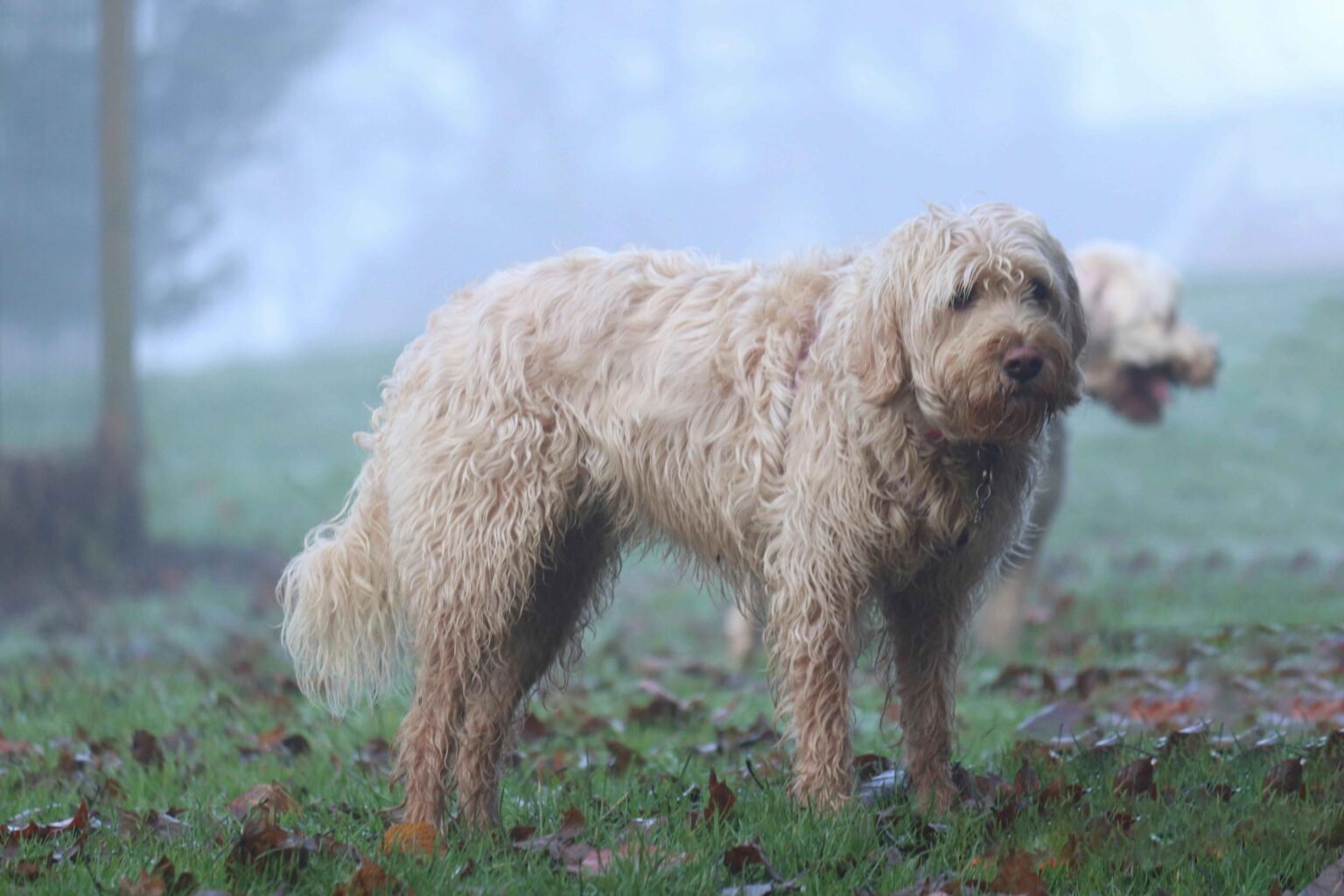
With fewer than 1,000 dogs left worldwide, the Otterhound is rarer than the Giant Panda. This ancient British scent hound is not just a pet, it’s a living piece of history.
- Pros and Cons of Owning an Otterhound
- Who Should NOT Own an Otterhound?
- Otterhound vs Bloodhound: What’s the Difference?
- Why Are Otterhounds So Rare? (A Brief History)
- Appearance and Size: The Shaggy Giant
- Otterhound Temperament: Boisterous and Loving
- Care Requirements: Grooming, Exercise, and Diet
- Common Health Issues in Otterhounds
- Adopting an Otterhound
- Final Thoughts
- Frequently Asked Questions (FAQ)
- References & Further Reading
In this complete Otterhound breed guide, you’ll learn about their size, temperament, rarity, health issues, and what it really takes to own one of the rarest dog breeds on Earth. While they have traded their medieval hunting duties for life as deeply affectionate family companions, do not let their “teddy bear” appearance fool you—these are large, powerful, and notoriously stubborn hounds that require a specific type of owner.
The Otterhound at a Glance (Quick Guide)
- Height: 24 to 27 inches at the shoulder
- Weight: 80 to 115 pounds
- Lifespan: 10 to 13 years
- Temperament: Amiable, boisterous, stubborn, and affectionate
- Key Features: Webbed feet, waterproof coat, loud “baying” bark
- Availability: Highly rare (Adoption and rescue networks strongly encouraged)
Pros and Cons of Owning an Otterhound
Before committing to searching for an Otterhound to add to your family, it is crucial to understand the daily realities of living with a giant, shaggy hound.
Pros:
- Incredibly friendly and excellent with children
- Highly entertaining, comical personality
- Fantastic swimming and hiking companions
- Generally peaceful with other dogs
Cons:
- Very messy (their beards act like water sponges!)
- Notoriously stubborn to train (true hound mentality)
- They “bay” (a loud, booming howl) rather than bark
- High prey drive around small animals
Who Should NOT Own an Otterhound?
The Otterhound is a magnificent dog, but they are absolutely not the right fit for everyone. You should reconsider this breed if you fall into any of these categories:
- Apartment Owners: Their booming “bay” and large size make close-quarters living difficult and will likely upset your neighbors.
- Clean Freaks: They have a shaggy beard that soaks up water, drool, and mud, which they will happily shake all over your walls and furniture.
- First-Time Owners: Their hound stubbornness and independent thinking make obedience training a real challenge for novices.
- Low-Energy Lifestyles: They require vigorous daily exercise, particularly swimming or long hikes, to prevent destructive, bored behaviors.
Otterhound vs Bloodhound: What’s the Difference?
Because of their large size and prominent facial features, people often confuse the Otterhound with the Bloodhound. While both are giant scent hounds, they have very distinct differences:
- Coat and Features: Bloodhounds have short, smooth coats with excessive wrinkles and loose skin. Otterhounds have a rough, shaggy, waterproof double coat and fully webbed feet.
- Nose Strength: Both possess world-class sniffers. However, the Bloodhound is the undisputed king of dry-land tracking, whereas the Otterhound was specifically engineered to track scents both in and under moving water.
- Temperament and Energy: Otterhounds tend to be more boisterous, clownish, and energetic indoors. Bloodhounds are generally more laid-back, docile, and somber when they are not actively tracking a scent.
Why Are Otterhounds So Rare? (A Brief History)
The Otterhound’s history dates back to medieval England, where otters were decimating the fish populations in local rivers. Fishermen needed a dog large enough to brave freezing, rushing currents and possess a nose sensitive enough to track an otter’s scent underwater.
To achieve this, early breeders crossed large Griffons, Bloodhounds, and rough-coated water spaniels. The result was the Otterhound—a dog with immense stamina, webbed feet, and a waterproof coat.
However, when otter hunting was banned in the UK in 1978 due to declining otter populations, the breed lost its primary job overnight. The packs were disbanded, and the breed plummeted toward extinction. Today, dedicated conservationists and groups like the Otterhound Club of America work tirelessly to preserve this ancient breed, but they remain critically endangered.
Appearance and Size: The Shaggy Giant
The Otterhound is a robust, large breed built for endurance rather than speed. Their most famous physical characteristic is their large, fully webbed feet, which can spread remarkably wide to propel them through the water.
| Gender | Average Height (at the shoulder) | Average Weight |
|---|---|---|
| Male | 26 to 27+ inches | 90 to 115 pounds (40 to 52 kg) |
| Female | 24 to 26 inches | 80 to 100 pounds (36 to 45 kg) |
The Waterproof Coat
Their shaggy, rough double coat is a marvel of nature. The outer coat is harsh and crisp, while the undercoat is slightly oily and water-resistant. This prevents freezing water from ever reaching their skin. They have a distinctive beard and mustache, framing deep-set, soulful eyes. Their coat comes in almost any hound color, including black and tan, wheaten, grizzle, and blue.
Otterhound Temperament: Boisterous and Loving
The Otterhound temperament is often described as “amiable.” They are exceptionally cheerful dogs that love to be part of the family action. Unlike some dog breeds that bond with only one person, the Otterhound loves everybody.
- Friendly and Sociable: They are notoriously terrible guard dogs because they are more likely to greet an intruder with a wagging tail and a sloppy kiss than a growl. They are excellent, patient companions for older children.
- High Prey Drive: Because their nose rules their brain, if they catch an interesting scent on a walk, they will pull like a freight train to follow it. Off-leash walking in unfenced areas is highly discouraged.
- Independent Thinkers: They were bred to work independently in the water, making decisions without human guidance. This translates to a dog that knows exactly what you want them to do, but simply chooses not to do it unless there is a high-value treat involved in their dog training sessions.
Care Requirements: Grooming, Exercise, and Diet
1. Exercise Needs
These dogs are not built for a quick stroll around the block. An Otterhound needs at least an hour of vigorous exercise daily. Because of their heritage, swimming is the ultimate exercise for this breed. If you have access to a safe lake or dog-friendly beach, your Otterhound will be in heaven.
2. Grooming an Otterhound
Despite their messy appearance, their coat should never be clipped or shaved, as it ruins the waterproof texture. You must brush them thoroughly 1 to 2 times a week to prevent the harsh outer coat from matting. Without regular brushing, their coat can quickly become matted, especially around the ears and legs, which can lead to skin irritation and infections. To master their unique coat care, referencing a comprehensive dog grooming tips is highly recommended.
3. Diet and Nutrition
As a giant, deep-chested breed, they require high-quality nutrition tailored for heavy frames. A proper large breed dog care guide emphasizes diets rich in animal proteins and Omega-3 fatty acids (like fish oil) to maintain joint health and their unique coat. To prevent obesity and skeletal issues, Otterhounds should be kept lean and on a strict, measured feeding schedule.
Common Health Issues in Otterhounds
Because the gene pool is so small, ethical breed preservationists use advanced genetic testing, such as Embark DNA panels, to ensure the health of their litters. However, owners should be vigilant regarding common large-breed health issues:
- Gastric Dilatation-Volvulus (Bloat): This is a fatal condition where the stomach fills with gas and twists. To prevent bloat, feed them two to three smaller meals a day, use a slow-feeder, and never let them run or swim vigorously within an hour of eating.
- Hip and Elbow Dysplasia: A genetic malformation of the joints causing arthritis. Keeping your Otterhound at a healthy weight is the best defense.
- Glanzmann’s Thrombasthenia (GT): A rare, inherited bleeding disorder that prevents blood from clotting. Reputable breed organizations ensure dogs are tested and clear of this specific gene.
Adopting an Otterhound
If you have decided that the Otterhound is the perfect breed for you, you must cultivate extreme patience. Because there are so few Otterhounds in the United States and the UK, finding one requires active networking within the breed community. We strongly encourage prospective owners to look into adoption and rescue organizations.
Your best starting point is contacting the Otterhound Club of America or The Otterhound Club UK. They maintain active networks for ethical preservation and rescue operations. Occasionally, adult Otterhounds may become available through breed-specific rescues if an owner’s living situation unexpectedly changes.
Adopting an older Otterhound or a rescue dog is a fantastic way to bypass the challenging, high-energy puppy phase while providing a loving home to a dog in need. By opening your home to a rescue, you play a direct role in giving these magnificent, endangered dogs a second chance at a happy life.
Final Thoughts
The Otterhound is a magnificent, ancient breed that offers a deeply rewarding ownership experience. Yes, they will track mud into your house, sing loudly at the mail carrier, and drip water from their beards onto your socks. But in return, you get a fiercely loyal, endlessly entertaining, and exceptionally loving companion.
By bringing an Otterhound into your life, you aren’t just getting a pet; you are actively participating in the conservation of a living piece of history. Bottom line: The Otterhound is not for everyone. But for the right owner—someone patient, active, and willing to embrace a bit of chaos—they are one of the most rewarding and unique dogs you can own.
Frequently Asked Questions (FAQ)
Do Otterhounds bark a lot?
They don’t just bark; they “bay.” This is a loud, booming, and deep howl typical of large hounds. They are a very vocal breed and will bay at sirens, animals, or just when they are excited. Because of this loud, carrying voice, they are absolutely not apartment-friendly.
Do Otterhounds smell bad?
Like many water hounds, the Otterhound has a naturally oily coat that produces a distinct “houndy” odor. While regular brushing helps, if they are allowed to stay wet without being properly dried, they can develop a strong, musty smell.
Are Otterhounds hypoallergenic?
No, Otterhounds are absolutely not hypoallergenic. They have a thick double coat that sheds moderately year-round, and their dander and saliva can easily trigger allergies.
Are Otterhounds good with cats?
It depends on the individual dog and early socialization. Because they are scent hounds with a high prey drive, a running cat may trigger their instinct to chase. However, if raised alongside a confident cat from puppyhood, many Otterhounds live very peacefully with felines.
References & Further Reading
- American Kennel Club (AKC): Otterhound Breed Standard & Information – akc.org
- Otterhound Club of America: Breed Health and Conservation – otterhound.org
- The Kennel Club (UK): Vulnerable Native Breeds – thekennelclub.org.uk
- Embark Veterinary: Dog Genetics and Breed Health – embarkvet.com
- VCA Animal Hospitals: Gastric Dilatation Volvulus (Bloat) in Dogs – vcahospitals.com