

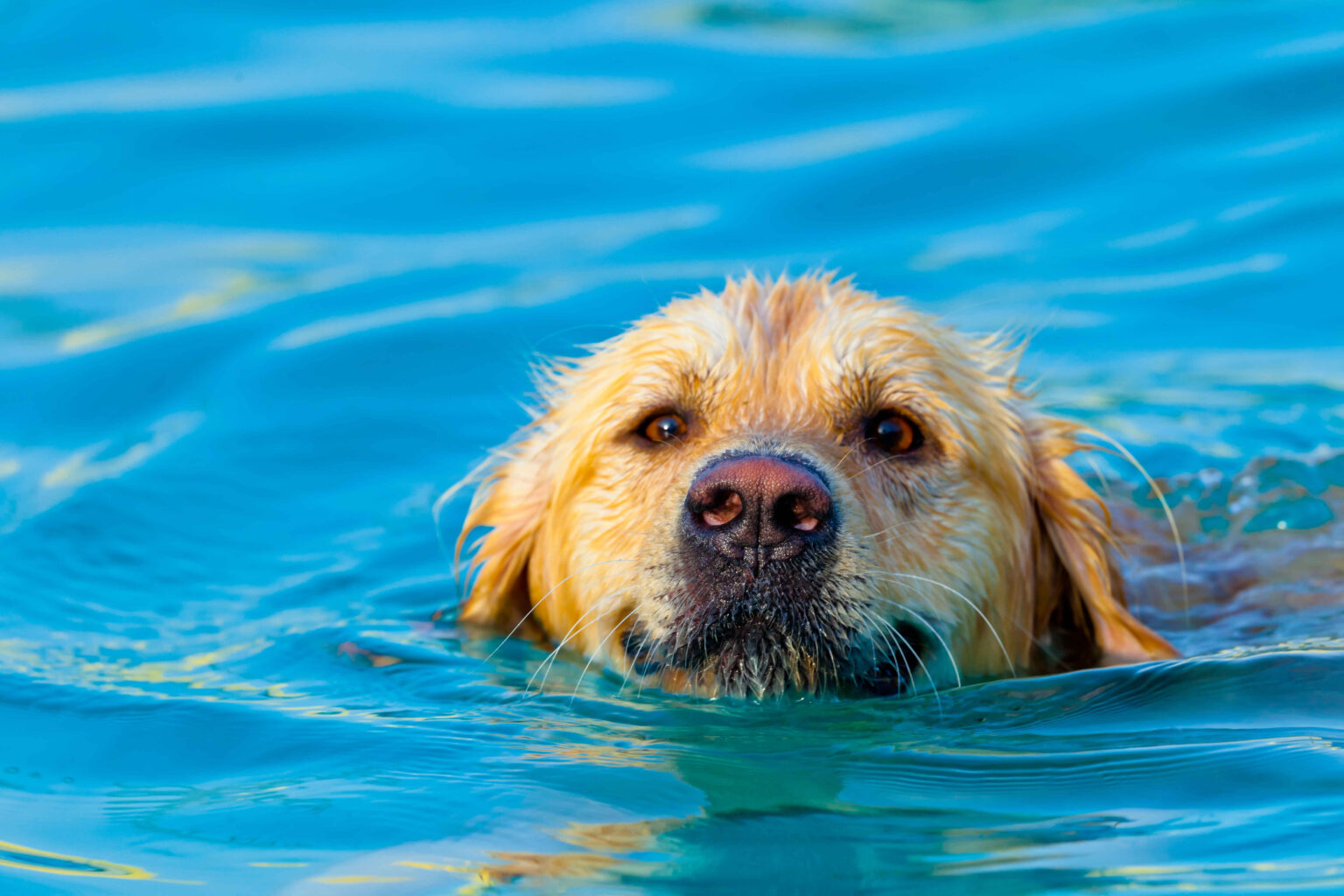
Watching a dog rush into a swimming pool or leap into a natural lake with pure, unadulterated joy is a wonderful sight for any pet parent. When we think about exercising our canine companions, our minds usually default to traditional activities like walking around the neighborhood, going for a light run, or playing an endless game of fetch in the backyard. However, when we consider merging vigorous exercise and ultimate joy in one single activity, there is truly no better option than getting your furry friend into the water.
- Is Swimming Good for Dogs?
- The Top Benefits of Swimming for Dogs
- 1. Exceptional Cardiovascular and Muscular Health
- 2. The Perfect Exercise for Overweight and Senior Dogs
- 3. Ultimate Stress Relief and Mental Stimulation
- 4. Safe Body Cooling During Summer Months
- Is Your Swimming Pool Safe for Your Dog?
- How Dogs Affect Your Swimming Pool Maintenance
- Are All Dogs Built to Swim?
- Which Dogs Cannot Swim?
- How to Teach Your Dog to Swim
- Essential Dog Swimming Safety Tips
- Conclusion
- Frequently Asked Questions (FAQ)
- Is swimming actually good for all dogs?
- How long should a dog swim for a good workout?
- Can the chlorine in my pool hurt my dog?
- What are the most important dog swimming safety tips?
- Why do I need to brush my dog before they swim in my pool?
- References & Further Reading
The concept of swimming for dogs does not stop at simply helping them cool down on a blisteringly hot summer afternoon. It is a highly dynamic, full-body workout that can drastically improve your pup’s overall physical health and mental well-being. From exercising every major muscle group to improving cardiovascular lung capacity, the advantages are incredibly vast. Furthermore, jumping into the pool alongside your canine companion forms an incredible bonding experience that fosters deep trust between you and your pet.
In this comprehensive guide, we are going to dive deep into everything you need to know about canine aquatic activities. We will explore the specific benefits of swimming for dogs, answer whether all breeds belong in the water, teach you how to introduce a nervous puppy to the pool, and provide crucial dog swimming safety tips to ensure every splash is a safe one.
Is Swimming Good for Dogs?
Many new pet owners frequently ask their veterinarians: is swimming good for dogs? The answer is a resounding yes. Veterinary physical therapists and canine fitness experts widely agree that swimming is one of the most effective and safe forms of exercise available for our four-legged friends.
Unlike running on hard asphalt or concrete, swimming is a non-weight-bearing, low-impact exercise. This means that your dog can elevate their heart rate, build lean muscle mass, and burn calories without putting any jarring stress on their delicate joints, tendons, or ligaments. Because water provides natural resistance, every movement a dog makes while swimming requires more effort than the same movement made on land. This makes swimming a highly efficient workout, allowing your dog to burn off excess energy in a fraction of the time it would take during a standard neighborhood walk.
The Top Benefits of Swimming for Dogs
Understanding the specific dog swimming benefits can help you decide how to incorporate aquatic therapy into your pet’s weekly routine. Here are the four most impactful advantages of getting your dog into the water.
1. Exceptional Cardiovascular and Muscular Health
Taking your pup for a swim equates to providing them with an intense, high-quality cardio workout. Swimming heavily engages your dog’s lungs and strengthens their heart muscle. The natural resistance of the water forces them to utilize every major muscle group in their body simultaneously, from their powerful hind legs to their core and shoulders. In fact, canine fitness experts often state that just one minute of continuous swimming is equivalent to four minutes of running on land. This rapid muscle toning and fat burning occur because of an increased metabolic rate and drastically improved blood circulation.
2. The Perfect Exercise for Overweight and Senior Dogs
If your dog is carrying a few extra pounds, forcing them to run on land can actually be dangerous. The excess weight puts a severe strain on their joints, heavily increasing the risk of arthritis and ligament tears. Water exercise is the perfect solution. The buoyancy of the water supports the majority of your dog’s body weight, rendering them virtually weightless. This allows overweight dogs to burn fat and rebuild their stamina without experiencing joint pain. Similarly, senior dogs suffering from arthritis or hip dysplasia find immense relief in the water, as the warm water soothes aching muscles while allowing them to maintain their mobility.
3. Ultimate Stress Relief and Mental Stimulation
It is important to remember that dogs can experience anxiety and stress just like humans do. Lack of mental stimulation and pent-up physical energy are the leading causes of destructive canine behaviors. Swimming requires intense focus and physical exertion, which serves as a massive stress reliever. For breeds with hyperactive energy levels, spending a few minutes navigating a pool is an excellent way to safely exhaust them. You will likely find that your pup returns home completely relaxed, leading to a high-quality, peaceful night of sleep for both of you.
4. Safe Body Cooling During Summer Months
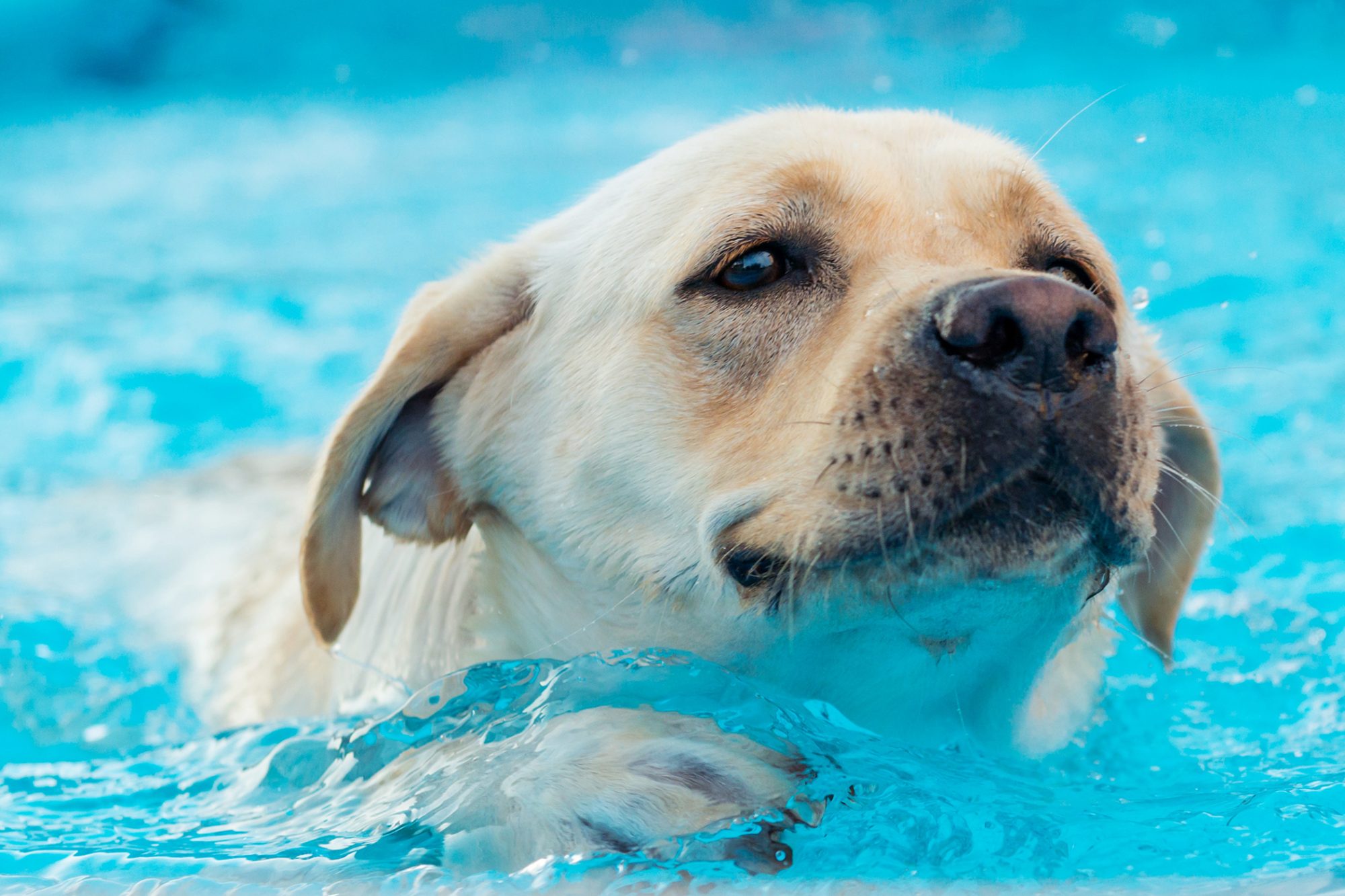
Dogs do not sweat through their skin like humans do. They primarily regulate their body heat through panting and releasing heat through their paw pads. On exceptionally hot summer days, traditional outdoor exercises pose a severe risk of canine heatstroke. Swimming provides a fantastic compromise. Dogs with thick, heavy coats feel a desperate need to cool their core temperatures, and diving into a pool allows them to play, run, and exercise freely without the dangerous risk of overheating.
Is Your Swimming Pool Safe for Your Dog?
If you have a swimming pool in your backyard, you have likely considered letting your pup jump right in. Under most circumstances, properly maintained residential pools are perfectly safe for pets. However, there are a few important health and maintenance factors you must consider before opening the pool gates.
First, consider the chemicals. Pools require chlorine and balancing chemicals to remain safe for human use. While brief exposure is generally fine, high levels of chlorine can strip the natural, protective oils from your dog’s coat. This can cause severe skin irritation, redness, and flaking dryness, especially if your dog swims on a daily basis. It is highly recommended to rinse your dog off with fresh, clean water from a garden hose immediately after every swim session to wash away residual pool chemicals.
Secondly, you must be hyper-vigilant about your dog drinking the pool water. Dogs are much like human toddlers in the water; they splash around and are highly prone to swallowing large amounts of water. Ingesting too much chlorinated pool water can lead to upset stomachs and vomiting. More dangerously, swallowing massive amounts of water from a pool or a lake can lead to a rare but fatal condition known as water intoxication. To learn more about identifying the symptoms of this condition, you can read the American Kennel Club guidelines on dogs and pool water. Always keep a bowl of fresh, cool drinking water right next to the pool to deter them from drinking the chlorinated water.
How Dogs Affect Your Swimming Pool Maintenance
Of course, a dog’s physical nature differs drastically from ours. Introducing a dog to your family pool will absolutely impact your water maintenance routine. A dog’s thick coat sheds heavily, and this loose fur will inevitably end up in your pool water, potentially clogging your skimmer baskets and placing extra strain on your filtration system. In addition to hair, a dog’s coat traps environmental dirt, pollen, and natural body oils that can alter the chemical balance of your water.
To minimize these issues, make it a strict habit to thoroughly brush your dog’s coat before allowing them into the water. This removes loose fur and debris before it hits your filter. Additionally, you must consider your dog’s nails. Sharp, untrimmed canine claws can easily tear the vinyl liners of above-ground pools and damage essential pool accessories. Ensure your dog receives regular nail trims and paw pad maintenance to protect both your pool equipment and the safety of the human swimmers sharing the water.
Are All Dogs Built to Swim?
A common misconception is that the “doggy paddle” is an instinctual trait shared by all canines. You may be wondering if your dog’s specific breed is naturally suited for aquatic activities. The truth is that while many dogs are natural water athletes, others physically cannot swim at all.
Some dog breeds were historically bred specifically to work in and around water. These dogs boast unique physical traits, such as water-resistant, oily double coats that keep them insulated in freezing temperatures, and webbed toes that act like natural flippers to propel them efficiently through the water. If you own a Labrador Retriever, a Golden Retriever, an Irish Water Spaniel, an English Setter, or a Portuguese Water Dog, you likely have a canine companion who will happily swim all day long.
Which Dogs Cannot Swim?
Certain breeds are naturally poor swimmers and may be unsafe in deep water. Flat-faced (brachycephalic) dogs like Pugs, French Bulldogs, Bulldogs, and Boxers often struggle because their short snouts make breathing harder, while their heavy chests and large heads reduce buoyancy. Short-legged breeds such as Dachshunds and Corgis can also have difficulty staying afloat. If your dog falls into these categories, avoid deep water or use a properly fitted canine life vest.
How to Teach Your Dog to Swim
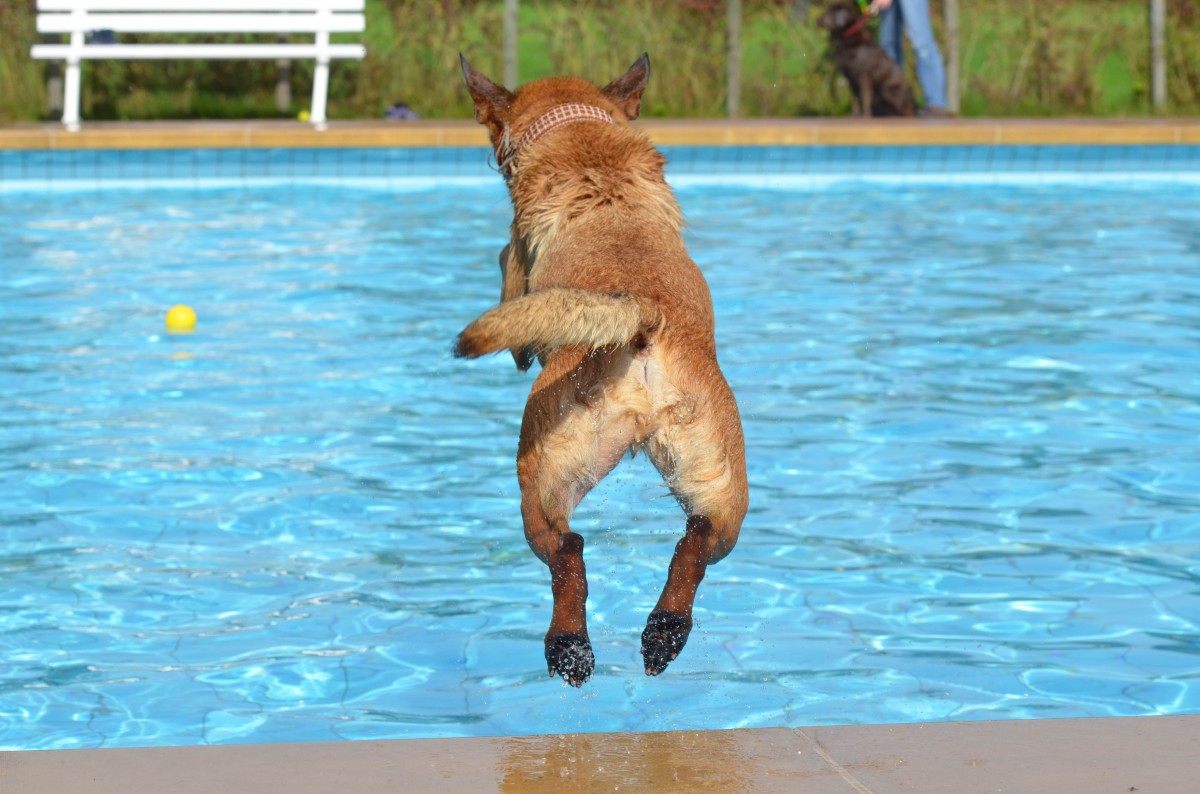
Even if your dog belongs to a water-loving breed, they may still feel apprehensive or terrified the very first time they encounter a large body of water. Never throw or force a dog into the water, as this will create a lifelong phobia. Follow these gentle, step-by-step instructions to safely introduce your dog to a joyful swimming experience:
- Start Shallow and Slow: Choose a shallow, slow-moving body of water such as the edge of a calm natural lake or the zero-entry slope of a dog-friendly pool. Avoid the ocean for their very first time, as crashing waves and loud surf can easily terrify a novice swimmer.
- Lead by Example: Dogs look to their owners for behavioral cues. Start by taking your shoes off and wading into the shallow water yourself. Speak in a happy, encouraging tone of voice. Seeing you comfortable in the water gives your puppy the courage to follow your steps.
- Use High-Value Motivators: Bring along a highly buoyant, brightly colored floating toy. Toss it just a few inches into the water to trigger your dog’s natural retrieval instincts. As they gain confidence, you can toss the toy slightly further out.
- Show Them the Exit: This is the most crucial step. A dog must know how to escape the water if they panic. Physically guide them to the pool stairs or the designated pool ramp multiple times until they memorize the exact location of the exit.
- Patience is Key: Teaching a dog how to swim is quite similar to teaching a human toddler. It takes time, patience, and massive amounts of positive reinforcement. Praise your dog enthusiastically and offer small treats (A homemade treat would be better) to cement a positive association with the water.
Essential Dog Swimming Safety Tips
To fully enjoy the benefits of swimming for dogs, you must prioritize their physical safety above all else. Whether your dog is an Olympic-level swimmer or a timid beginner, water presents unpredictable hazards. Implementing these expert dog swimming safety tips will protect your beloved companion from tragic accidents.
1. Constant, Uninterrupted Supervision
You must never, under any circumstances, leave a dog unattended near a body of water. Even the strongest swimmers can experience sudden muscle cramps, become tangled in pool vacuums, or suffer from sheer exhaustion. A dog that does not know where the stairs are will attempt to pull themselves over the high edge of the pool, tire out rapidly, and face a severe drowning risk. Treat your dog in the water exactly as you would treat a human toddler.
2. Invest in a Canine Life Vest
Canine Personal Flotation Devices (PFDs) are not just for boats. Because dogs have a lower body fat percentage and must work hard to keep their snouts elevated, a life jacket is an essential safety tool. A brightly colored life vest with a sturdy top handle allows you to easily grab and lift your dog out of the water if they encounter trouble. Life vests are absolutely mandatory for top-heavy breeds like Bulldogs and senior dogs with limited stamina.
3. Beware of Open Water Hazards
If you choose to take your pup to the beach or a natural lake, be fully aware of the environmental dangers. The ocean does not have a clearly marked exit point, and strong undertow currents can quickly sweep a dog out to sea. In lakes, beware of toxic blue-green algae blooms, which are highly poisonous to dogs if ingested. The ASPCA provides an excellent resource on general water safety tips that every pet owner should review before visiting natural water sources.
4. Enforce Mandatory Rest Breaks
Dogs rarely know their own limits when they are having fun. Swimming is exhausting work, and your dog will likely try to fetch a tennis ball until they collapse. It is your responsibility to act as their coach. Force them to exit the water every ten to fifteen minutes. Provide them with shade and fresh drinking water, and allow their heart rate to return to normal before permitting them back into the pool.
Conclusion
Integrating aquatic exercises into your pet’s routine is an incredibly rewarding decision. The numerous benefits of swimming for dogs range from effortless weight management and cardiovascular strengthening to stress relief and ultimate summer comfort. By understanding your specific breed’s limitations, investing in proper safety gear like life vests, and introducing them to the water with patience and love, you can safely unlock a brand new world of joyful exercise. Always prioritize supervision and utilize our dog swimming safety tips to ensure your canine companion remains healthy, happy, and safe during every single aquatic adventure.
Frequently Asked Questions (FAQ)
Is swimming actually good for all dogs?
Swimming is an excellent, low-impact cardiovascular exercise for most dogs, providing immense benefits for joint health and muscle toning. However, not all breeds are physically capable of swimming safely. Top-heavy, brachycephalic breeds with flat faces and short legs, such as English Bulldogs, Pugs, and Dachshunds, struggle with buoyancy and breathing in the water and should generally avoid deep swimming.
How long should a dog swim for a good workout?
Because swimming requires significantly more physical exertion than running on land, training sessions should be kept relatively short. For a healthy adult dog, swimming for 10 to 15 minutes at a time is an excellent and highly tiring workout. Always enforce rest breaks in the shade to prevent sheer exhaustion and monitor them closely for signs of fatigue.
Can the chlorine in my pool hurt my dog?
Properly balanced pool chlorine is generally safe for dogs to swim in, but it can strip the natural protective oils from their skin and coat. Frequent swimming in chlorinated water can lead to dry, itchy, and flaky skin. To prevent irritation, it is highly recommended to rinse your dog thoroughly with fresh, clean hose water immediately after they exit the pool.
What are the most important dog swimming safety tips?
The most critical safety tips include providing constant, active supervision while your dog is in the water, ensuring they clearly know where the pool stairs or exit ramps are located, utilizing a properly fitted canine life jacket for inexperienced swimmers or dense breeds, and preventing them from drinking the pool or lake water to avoid toxicosis or water intoxication.
Why do I need to brush my dog before they swim in my pool?
Dogs shed heavily, and their coats harbor outdoor dirt, dander, and natural body oils. If you do not brush them before swimming, massive amounts of loose hair and debris will fall into your pool. This can quickly clog your skimmer baskets, place a heavy strain on your pool’s filtration system, and disrupt the delicate chemical balance of your water.