
Few things are as concerning to a pet parent as seeing their beloved dog refuse food and water. A dog that won’t eat or drink can quickly become seriously ill, as adequate nutrition and hydration are fundamental to their health and well-being. Whether it’s a sudden loss of appetite (anorexia) or a gradual decline, understanding the potential reasons behind this behavior is the first step toward helping your furry friend.
- 1. Why is My Dog Not Eating or Drinking? Understanding the Causes
- 2. Recognizing Accompanying Symptoms
- 🚨 When to See Your Vet Immediately
- 3. Safe Home Care and Encouraging Hydration
- 4. Frequently Asked Questions (FAQ)
- How long can a dog safely go without eating?
- How long can a dog safely go without water?
- My dog is drinking water but not eating food. What should I do?
- Can I give my dog human antacids if their stomach is upset?
- 5. References
This comprehensive guide from Pets and Paws is designed to empower you with the knowledge to identify potential causes, understand accompanying symptoms, implement safe home care, and most importantly, know when it’s time to seek professional veterinary attention. We’ll cover everything from minor behavioral quirks to serious medical conditions, ensuring you have the information you need to act confidently and compassionately for your dog.
1. Why is My Dog Not Eating or Drinking? Understanding the Causes
A dog refusing food and water is a symptom, not a diagnosis. The reasons can range from mild and temporary to severe and life-threatening. It’s crucial to consider the context, your dog’s age, overall health, and any other symptoms they might be exhibiting.
Medical Causes
Many health issues can suppress a dog’s appetite and thirst. These often require prompt veterinary diagnosis and treatment.
- Gastrointestinal Issues:
- Upset Stomach: Vomiting, diarrhea, or even just nausea can make a dog unwilling to eat or drink. This could be due to dietary indiscretion (eating something they shouldn’t), parasites, or bacterial infections.
- Pancreatitis: Inflammation of the pancreas is often very painful and causes severe vomiting, lethargy, and a complete refusal to eat or drink. It’s a serious condition that requires immediate veterinary care [AVMA, 2023].
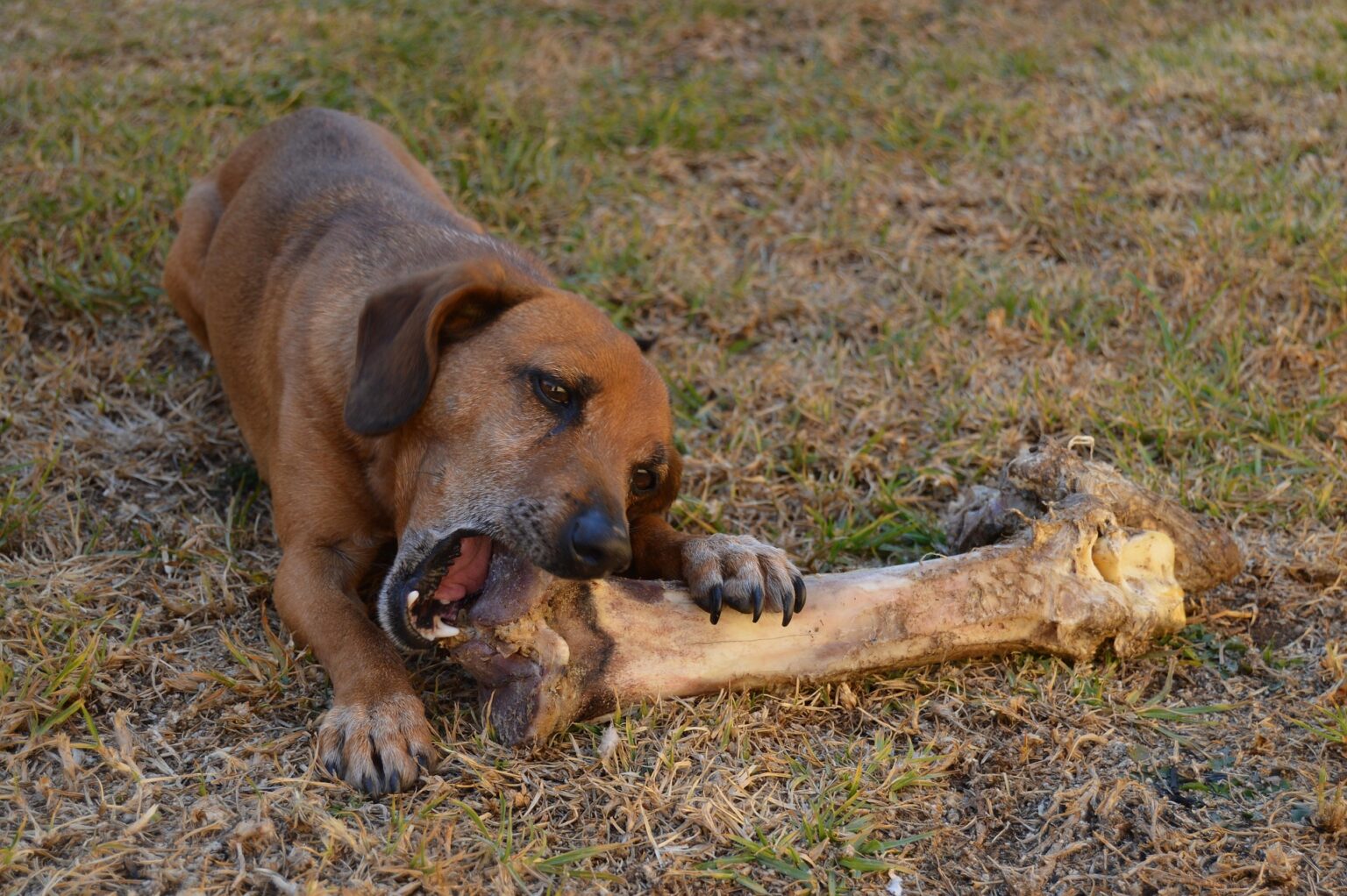
- Foreign Body Obstruction: If your dog has swallowed a non-digestible object (toy, sock, bone), it can cause a blockage leading to vomiting and refusal of food and water. This is a medical emergency.
- Dental Problems:
- Pain in the mouth from a broken tooth, gum disease, or an abscess can make eating and drinking excruciating. Dogs may try to eat but then drop food or whine while eating.
- Organ Disease (Kidney & Liver):
- Both acute and chronic kidney disease can cause a buildup of toxins in the blood, leading to nausea, lethargy, and eventually a complete loss of appetite. Liver issues can also cause nausea, vomiting, and jaundice.
- Infections and Pain:
- Viral Infections: Illnesses like distemper or parvovirus can cause fever and a severe loss of appetite.
- Pain: Severe pain from injuries, arthritis, or back problems can make a dog too uncomfortable to eat or drink.
- Toxin Ingestion:
- If your dog has ingested something poisonous (e.g., certain plants, human medications, chocolate, or xylitol), it can lead to acute illness and a complete refusal to eat or drink [ASPCA Animal Poison Control, 2024].
Behavioral and Environmental Causes
Sometimes, a dog’s refusal to eat or drink isn’t due to illness but rather factors in their environment or emotional state.
- Stress and Anxiety:
- Dogs can be highly sensitive to changes. Moving to a new home, the arrival of a new pet, loud noises (fireworks), or changes in routine can cause stress, leading to a temporary loss of appetite.
- Picky Eating Habits or Food Aversion:
- Some dogs are simply picky. They might be bored with their current food or have had a bad experience with it. Always ensure the food hasn’t spoiled. Sudden changes to a new food without a gradual transition can also cause refusal.
- Unfamiliar Surroundings or Travel Sickness:
- Traveling can be stressful for some dogs, leading to motion sickness, nausea, and a refusal to eat or drink while on the go.
Age-Related Issues
A dog’s age can heavily influence their eating and drinking habits.
- Puppies:
- Puppies are incredibly fragile. A refusal to eat or drink for even 12 hours can cause life-threatening hypoglycemia (low blood sugar). Common causes include teething pain, parasites, or serious infections like parvovirus [AKC, 2023].
- Senior Dogs:
- Older dogs may experience a decline in appetite due to a decreased sense of smell and taste, arthritis pain making it difficult to bend down to bowls, or underlying organ decline (kidney/heart disease).
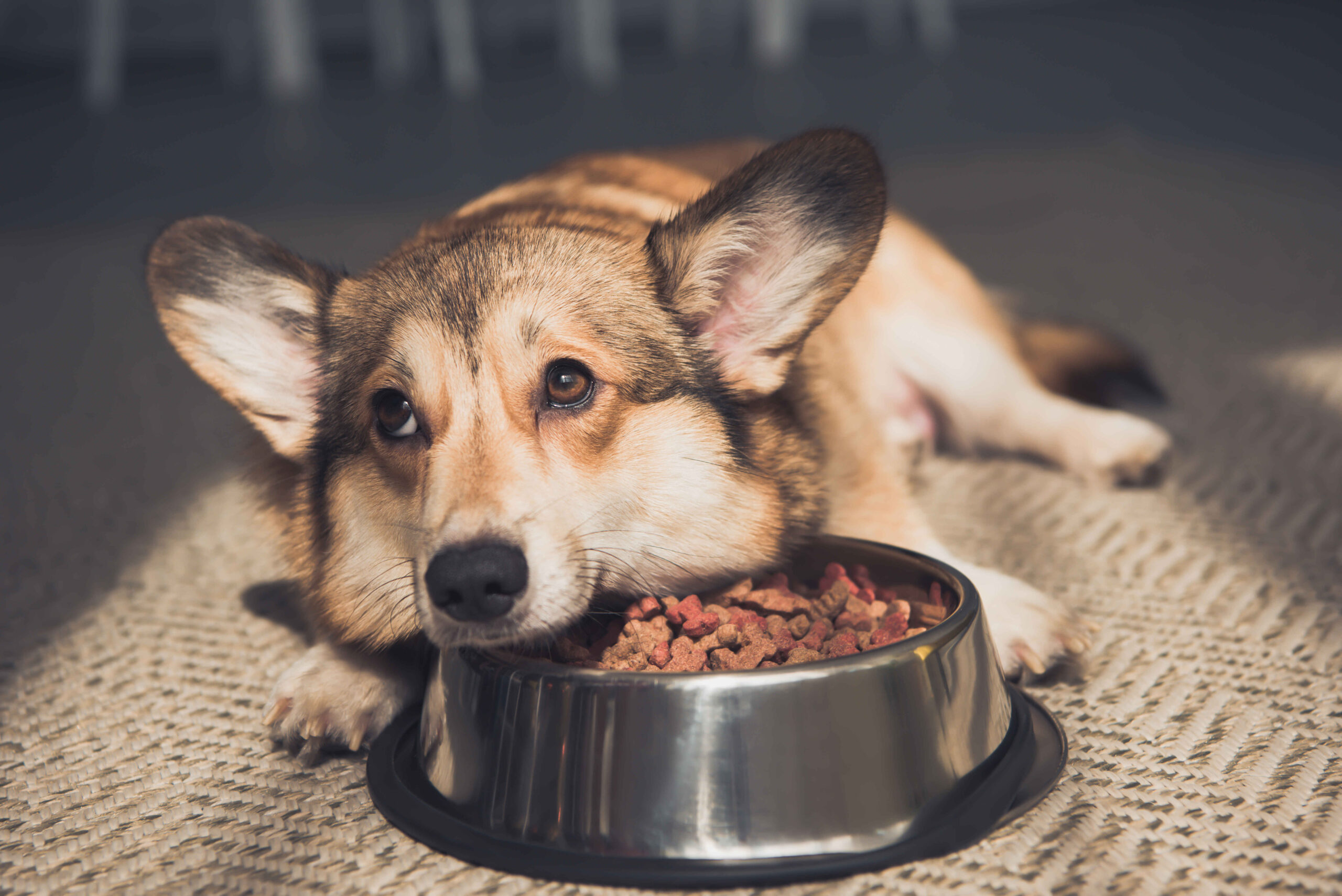
2. Recognizing Accompanying Symptoms
While not eating or drinking are primary concerns, it’s vital to observe your dog for any other accompanying symptoms. These clues are critical for your veterinarian.
- Vomiting and Diarrhea: Especially if severe, bloody, or persistent.
- Lethargy or Weakness: A significant decrease in energy levels or reluctance to move.
- Abdominal Swelling or Pain: A distended or rigid abdomen can indicate serious, life-threatening issues like bloat (gastric dilatation-volvulus) or an obstruction.
- Pale or Yellow Gums: Pale gums can indicate anemia or internal bleeding; yellow gums (jaundice) indicate severe liver issues or red blood cell destruction.
🚨 When to See Your Vet Immediately
A dog that refuses water is in much greater danger than a dog that refuses food. Dehydration can cause organ failure within a matter of days. You should contact an emergency veterinarian immediately if:
- Your dog hasn’t drank water in 24 hours.
- Your dog is a puppy (under 6 months) and hasn’t eaten or drank in 12 hours.
- The refusal to eat/drink is accompanied by vomiting, severe diarrhea, or a distended/hard abdomen.
- Your dog is extremely lethargic, unresponsive, or cannot stand up.
- You suspect they have ingested a toxin, human medication, or a foreign object.
3. Safe Home Care and Encouraging Hydration
If your dog is acting completely normal, has plenty of energy, and has only skipped one meal, you can often monitor them at home for 12 to 24 hours. Here are safe ways to encourage intake:
Encouraging Hydration (The Priority)
- Offer Ice Cubes: Some nauseous dogs will lick an ice cube even if they refuse a bowl of water.
- Add Low-Sodium Broth: Adding a splash of plain, low-sodium chicken or bone broth (with NO onions or garlic) to their water bowl can make it more enticing.
- Use a Syringe: If directed by a vet, you can use a plastic syringe to gently squirt small amounts of water into the side of their mouth.
Enticing Their Appetite
- Warm the Food: Heating wet food slightly in the microwave enhances its aroma, which can stimulate a sluggish appetite.
- The Bland Diet: Offer a small amount of boiled, plain chicken breast (no bones, no skin, no seasoning) mixed with plain white rice. This is easy on the digestive tract.
- Hand Feeding: Sometimes, the comfort of being hand-fed by their owner is enough to encourage a stressed or slightly nauseous dog to eat.
4. Frequently Asked Questions (FAQ)
How long can a dog safely go without eating?
A healthy adult dog can survive several days without food, but you should never wait that long to seek help. If your dog skips meals for more than 48 hours, a veterinary visit is necessary to prevent liver complications and identify the underlying cause.
How long can a dog safely go without water?
Water is critical. A dog can become dangerously dehydrated in just 24 hours, leading to potential organ damage. If your dog refuses water for a full day, it is a medical emergency.
My dog is drinking water but not eating food. What should I do?
This is better than refusing both, but still concerning. It often points to dental pain, a mild gastrointestinal upset, or pickiness. Offer a bland diet (boiled chicken and rice). If they refuse food for 48 hours, or if they begin vomiting the water they drink, call your vet.
Can I give my dog human antacids if their stomach is upset?
No. Never give your dog over-the-counter human medications like Pepto-Bismol, Tums, or ibuprofen without explicit instructions from your veterinarian. Many human medications are highly toxic to dogs and can cause severe ulcers or kidney failure.
5. References
- American Veterinary Medical Association (AVMA). (2023). Pet Dental Care and Systemic Health.
- ASPCA Animal Poison Control Center. (2024). Common Canine Toxins and Symptoms.
- American Kennel Club (AKC). (2023). Why Won’t My Dog Eat? Common Causes of Loss of Appetite.