

Dogs are beloved companions, known for their unwavering loyalty, affectionate personalities, and joyful energy. However, as much as we love them, they can occasionally develop habits that cause massive frustration for their owners. If you find yourself constantly asking, “Why does my dog pee on my bed?”, you are not alone.
- Understanding the Difference: Peeing vs. Leaking
- Medical Reasons Why Dogs Wet the Bed
- 1. Spay Incontinence (Urethral Sphincter Hypotonus)
- 2. Urinary Tract Infections (UTIs)
- 3. Bladder Stones and Crystals
- 4. Systemic Diseases (Diabetes and Kidney Disease)
- 5. Cognitive Dysfunction Syndrome (Old Age)
- Behavioral Reasons for Dog Bed Wetting
- What Will the Veterinarian Suggest?
- How to Prevent Bed Wetting in Dogs
- 1. Establish a Consistent Potty Routine
- 2. Monitor Evening Water Intake
- 3. Proper Diet and Adequate Exercise
- 4. Utilize Crate Training
- 5. Positive Reinforcement
- Conclusion
- Frequently Asked Questions (FAQ)
- Should I punish my dog for peeing on the bed?
- Do female dogs wet the bed more than male dogs?
- How do I get the dog urine smell out of my mattress?
- References
Discovering a wet spot where you sleep is not only unpleasant, but it is also one of the most stressful behavioral or medical issues a pet parent can face. House-trained dogs who suddenly begin urine soiling are often just as horrified and confused as you are, especially when it occurs during sleep. Plastic sheets aren’t a permanent answer, and banishing your long-suffering pet to the backyard is heartbreaking.
In this comprehensive 2026 guide, we will explore the exact reasons behind dog bed wetting, distinguish between conscious peeing and unconscious leaking, and provide expert, vet-approved strategies to solve the problem for good.
Understanding the Difference: Peeing vs. Leaking
Before we dive into the causes, it is crucial to understand whether your dog is actively *peeing* on the bed or passively *leaking* while they sleep.
- Active Peeing: Your dog walks onto the bed, squats or lifts a leg, and intentionally voids their bladder. This is often linked to behavioral issues, anxiety, or an urgent medical need like a UTI.
- Passive Leaking (Incontinence): Your dog is asleep or resting on the bed and leaves a wet spot behind when they get up. They may lick their genital area excessively and act surprised by the mess. This is almost always a physical, medical disorder.
Medical Reasons Why Dogs Wet the Bed
Many owners immediately assume bed wetting is a behavioral problem, believing their dog is acting out of spite or that they’ve failed to properly train their pets. In reality, medical issues are the most common cause of indoor accidents.
1. Spay Incontinence (Urethral Sphincter Hypotonus)
Poor bladder control following spaying is a very real physical disorder. It is seen mostly in middle-aged female dogs, though it can occur at any time after the surgery. When a female dog is spayed, her ovaries are removed, leading to a drastic drop in estrogen. Estrogen is essential for keeping the urethral sphincter muscle strong. Without it, the muscle relaxes too much, releasing urine whenever the dog drifts off to sleep.
About 20 percent of spayed dogs face this messy downside. It is also more common in large breeds and dogs suffering from obesity. *Leaking urine during rest or sleep is absolutely not your dog’s fault.*
2. Urinary Tract Infections (UTIs)
Urinary tract infections are incredibly common, especially for indoor female dogs. UTIs cause severe inflammation, pain, discomfort, and a sudden, uncontrollable urge to urinate. If your dog suddenly pees on your bed while awake, a UTI is one of the most likely culprits.
3. Bladder Stones and Crystals
Hard mineral deposits can form in the bladder, causing immense discomfort, pain, and difficulty urinating. Bladder stones constantly irritate the bladder lining, giving the dog a chronic feeling of needing to “go,” which can lead to sudden accidents on soft, absorbent surfaces like your bed.
4. Systemic Diseases (Diabetes and Kidney Disease)
Conditions like Diabetes Mellitus, Kidney Disease, or Cushing’s Disease dramatically affect the body’s ability to regulate water. Dogs with these conditions will experience extreme thirst (polydipsia) and, consequently, an massive increase in urination (polyuria). The sheer volume of urine may make it impossible for them to hold it through the night.
5. Cognitive Dysfunction Syndrome (Old Age)
As dogs age, their bodies and minds change. Senior dogs may naturally lose muscle tone over their bladder. Furthermore, senior dogs may urinate indoors because of aged brain changes. This condition, known as Cognitive Dysfunction Syndrome (CDS), is similar to dementia in humans. The dog may simply forget their house training or fail to realize they are peeing on the bed.
Behavioral Reasons for Dog Bed Wetting
If your vet gives your dog a clean bill of health, the issue is likely behavioral. Soft, elevated surfaces that smell strongly of you (like your bed) are prime targets for stressed dogs.
1. Anxiety and Stress
Anxiety is a massive trigger for inappropriate urination. Dogs may become stressed due to changes in routine, a new baby, moving to a new home, or loud noises like thunderstorms. Separation anxiety is another major cause; a dog may pee on your bed because it is saturated with your scent, which they seek out when they are panicking about being left alone.
2. Submissive or Excitement Urination
Submissive urination occurs when a dog urinates out of submission or fear, especially if they are being scolded, approached too quickly, or punished. While more common in puppies, it can happen in dogs of any age.
3. Territorial Marking
Unlike a full bladder release, marking is usually a small amount of urine used to claim territory. If a new pet has been introduced, or if an intact (unneutered) male dog feels his space is threatened, he may mark your bed to mix his scent with yours.
What Will the Veterinarian Suggest?
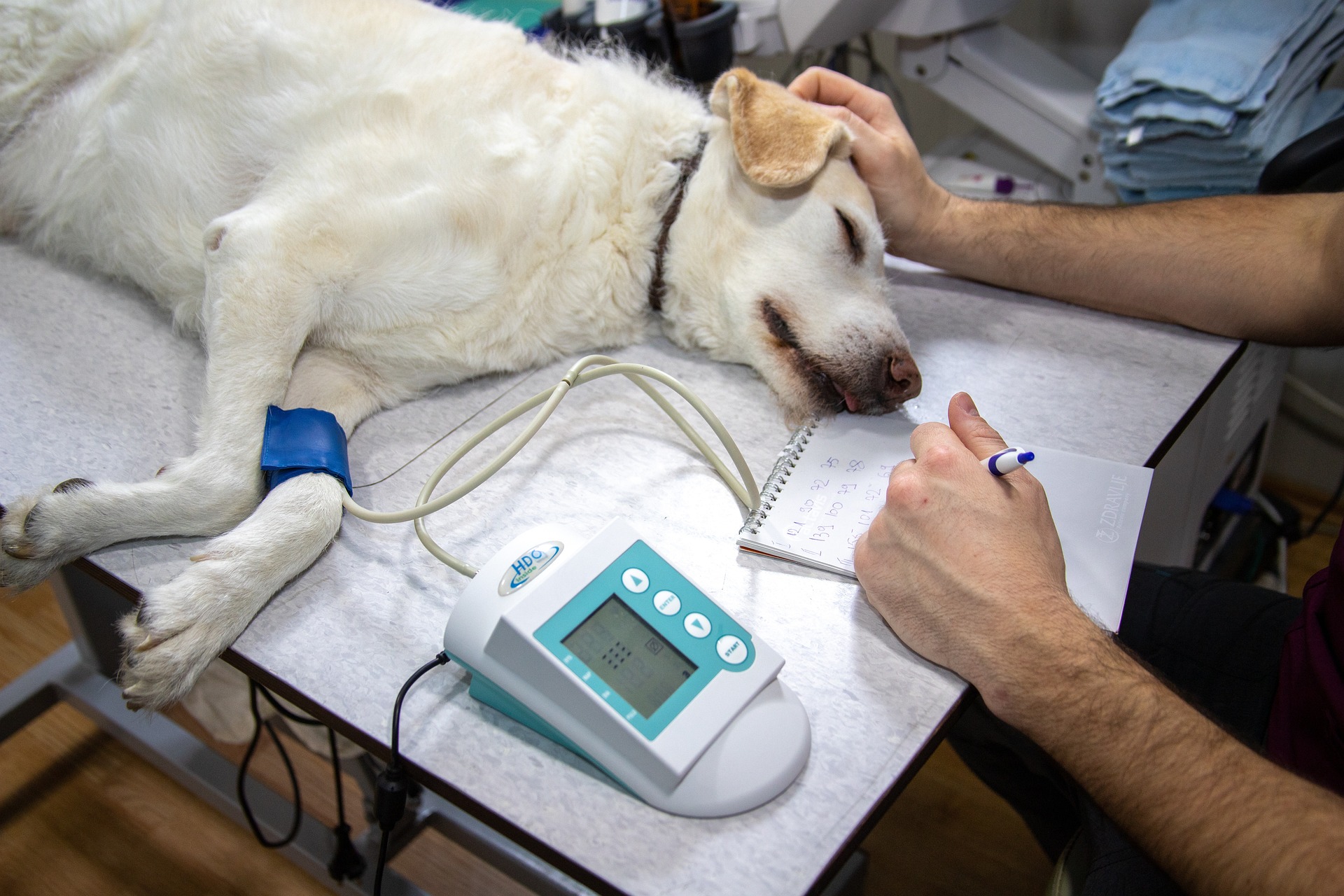
If your dog is wetting the bed, a trip to the vet is mandatory. A rolled-up newspaper will not solve this problem, and punishing an incontinent dog will only cause anxiety. Veterinarians actually like to uncover these cases because almost all of them can be turned from frustration to massive success!
After a thorough exam, bloodwork, and a urinalysis, your vet may prescribe:
- Antibiotics: If the urinalysis reveals a UTI, a simple course of antibiotics will clear up the infection and stop the bed wetting entirely.
- Proin (Phenylpropanolamine): For spay incontinence, the answer often lies in a simple liver-flavored tablet. Proin tablets can be given twice daily and tighten the urethral sphincter muscle. It makes a massive difference in both a pet’s and an owner’s life, as urine leakage heavily damages human-animal relationships (in fact, 18 percent of dogs in shelters are surrendered because of house soiling).
- Hormone Therapy (DES or Incurin): If Proin is inappropriate due to pet irritability, high blood pressure, or other medical conditions, your vet may use an old standby treatment: a synthetic estrogen called diethylstilbestrol (DES) or estriol (Incurin) to replace the hormones lost during spaying.
How to Prevent Bed Wetting in Dogs
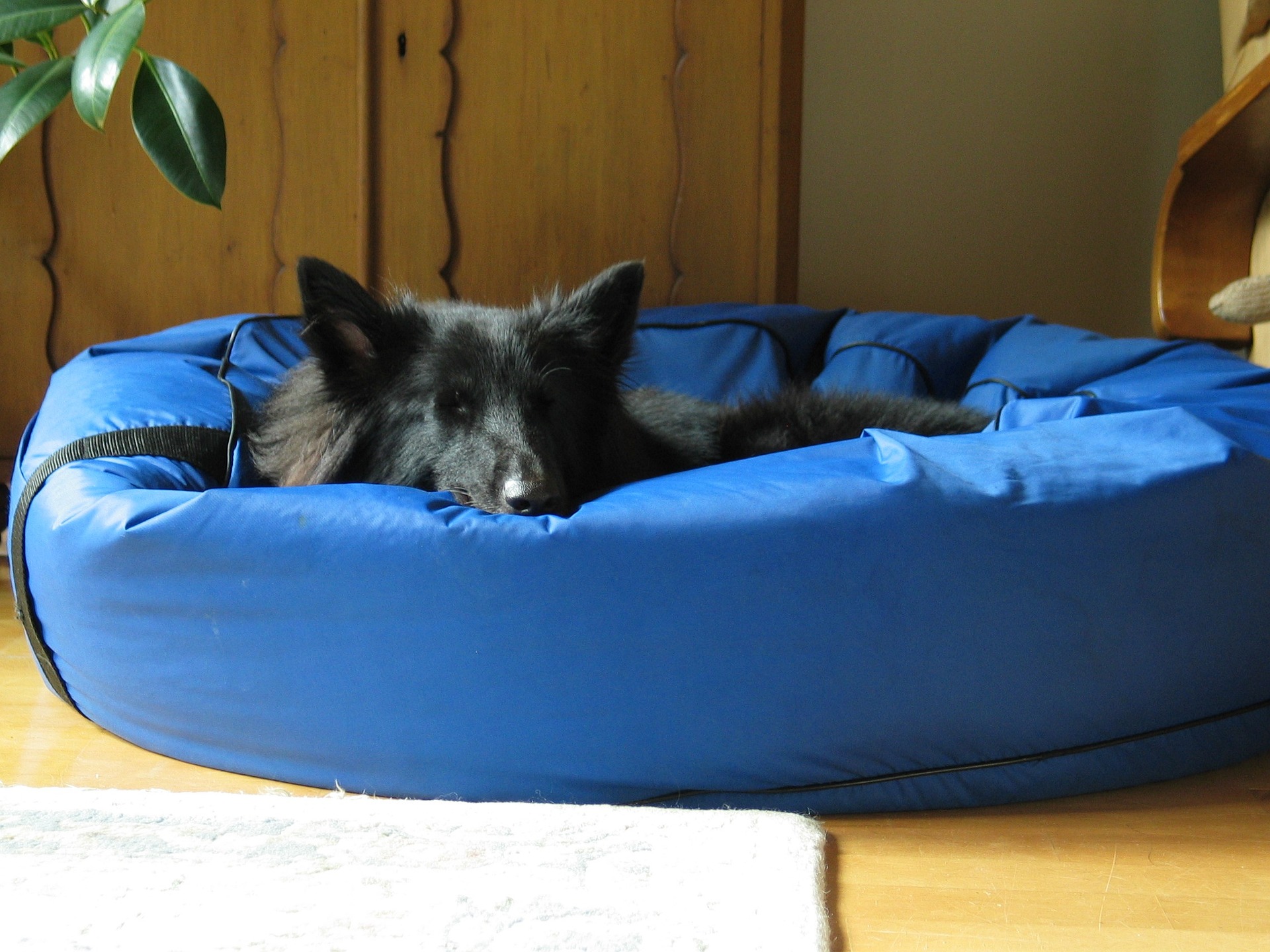
Once medical issues are addressed or ruled out, there are active steps you can take at home to prevent your dog from peeing on the bed.
1. Establish a Consistent Potty Routine
Dogs thrive on routine and consistency. Sticking to a strict schedule for feeding, walking, and playtime can help them develop good habits. Make sure the last thing you do before getting into bed is taking your dog outside for a final, unhurried bathroom break.
2. Monitor Evening Water Intake
Monitoring your dog’s water intake can help prevent nighttime accidents. Make sure your dog has unlimited access to fresh water throughout the day, but consider picking up the water bowl two hours before bedtime. *(Note: Never restrict water for dogs with diabetes or kidney disease without explicit veterinary permission).*
3. Proper Diet and Adequate Exercise
Overfeeding or feeding a poor-quality diet can lead to urinary problems and obesity, which worsens incontinence. Furthermore, regular exercise improves bladder control, increases muscle tone, and helps drain anxious energy that might lead to behavioral peeing.
4. Utilize Crate Training
If the bed wetting is behavioral or due to incomplete house training, crate training is highly effective. Dogs naturally avoid soiling their sleeping quarters. Start by making the crate a positive, comfortable space, and have them sleep there instead of on your bed until the issue is resolved.
5. Positive Reinforcement
Using positive reinforcement is the only way to address behavioral house soiling. Reward your dog heavily with treats and praise immediately after they go to the bathroom outside. Never yell or rub their nose in a wet spot on the bed; this only teaches them to hide from you when they need to pee.
Conclusion
Bed wetting in dogs can be a highly frustrating experience, but it is rarely an act of spite. Whether it’s a sudden UTI, the onset of senior cognitive issues, or hormonal spay incontinence, your dog needs your patience and medical support. By partnering with your veterinarian to accurately diagnose the root cause and implementing consistent management strategies at home, you can permanently protect your mattress and enjoy a happy, clean, and stress-free life with your beloved companion.
Frequently Asked Questions (FAQ)
Should I punish my dog for peeing on the bed?
Absolutely not. Punishing your dog for wetting the bed is counterproductive and harmful. If it is a medical issue (like incontinence or a UTI), they literally cannot control it. If it is a behavioral issue, punishment increases their anxiety and fear, which often makes the bed wetting worse. Always use positive reinforcement and seek veterinary care.
Do female dogs wet the bed more than male dogs?
Yes, female dogs are significantly more prone to bed wetting than males. This is primarily due to “spay incontinence” (Urethral Sphincter Mechanism Incompetence), a condition where the lack of estrogen after being spayed causes the bladder sphincter muscle to weaken, leading to urine leakage during sleep. Females are also more prone to UTIs due to their anatomy.
How do I get the dog urine smell out of my mattress?
To permanently remove the smell, you must use an enzymatic cleaner specifically designed for pet urine. Standard soaps and vinegar only mask the scent to human noses; dogs can still smell the uric acid and may be drawn back to pee on the same spot. Soak the area with the enzymatic cleaner, let it air dry, and consider using a waterproof mattress protector moving forward.
References
- PetMD. Urinary Tract Infections (UTIs) in Dogs. https://www.petmd.com/dog/conditions/urinary/urinary-tract-infections-utis-dogs
- VCA Animal Hospitals. Separation Anxiety in Dogs. https://vcahospitals.com/know-your-pet/separation-anxiety-in-dogs
- American Kennel Club (AKC). How to Crate Train Your Dog. https://www.akc.org/expert-advice/training/how-to-crate-train-your-dog-in-9-easy-steps/
- Merck Veterinary Manual. Non-neurogenic Disorders of Micturition in Dogs and Cats. https://www.merckvetmanual.com/