
Have you ever caught a whiff of your dog’s breath and had to turn your head away? We’ve all been there! But while we often joke about “doggy breath,” it is actually one of the very first signs that your furry best friend needs a little help with their teeth.
- The Hidden Dangers of Ignoring Your Dog’s Teeth
- 7 Actionable Ways to Keep Your Dog’s Teeth Clean
- 1. Daily Brushing (The Gold Standard)
- 2. Utilize Enzymatic Water Additives
- 3. Invest in VOHC-Approved Dental Chews
- 4. Choose Safe Chew Toys (The Knee-Cap Rule)
- 5. Consider Prescription Dental Diets
- 6. Sprinkle Seaweed-Based Dental Powders
- 7. Schedule Annual Veterinary Dental Cleanings
- Dental Care Across Life Stages: Puppy vs. Senior
- Natural vs. Commercial Dental Remedies
- How Much Does a Professional Dog Dental Cleaning Cost?
- Is Your Dog High-Risk? (Breed Vulnerabilities)
- Signs Your Dog Has Dental Disease
- Conclusion
Proper dog dental care is about so much more than just a bright smile and fresh kisses. It is a vital part of protecting their heart, preventing chronic pain, and boosting their overall longevity. Whether you have a brand new puppy or a senior dog, we’ll walk you through everything you need to know—from easy at-home brushing strategies to what to expect at the vet. Let’s dive in!
The Hidden Dangers of Ignoring Your Dog’s Teeth
It is a startling statistic, but by the age of three, up to 80% of dogs exhibit signs of periodontal (gum) disease. The process starts when salivary proteins mix with food particles to form plaque. Within just 48 hours, undisturbed plaque hardens into calculus (tartar). This tough substance traps harmful bacteria deep under the gumline, triggering severe inflammation.
If left untreated, this bacteria doesn’t just stay in the mouth. Every time a dog with severe dental disease chews, bacteria are forced into their bloodstream. This can cause irreversible damage to major organs, particularly the heart valves, liver, and kidneys. The good news? With a proactive routine, dental disease is almost entirely preventable.
7 Actionable Ways to Keep Your Dog’s Teeth Clean
1. Daily Brushing (The Gold Standard)
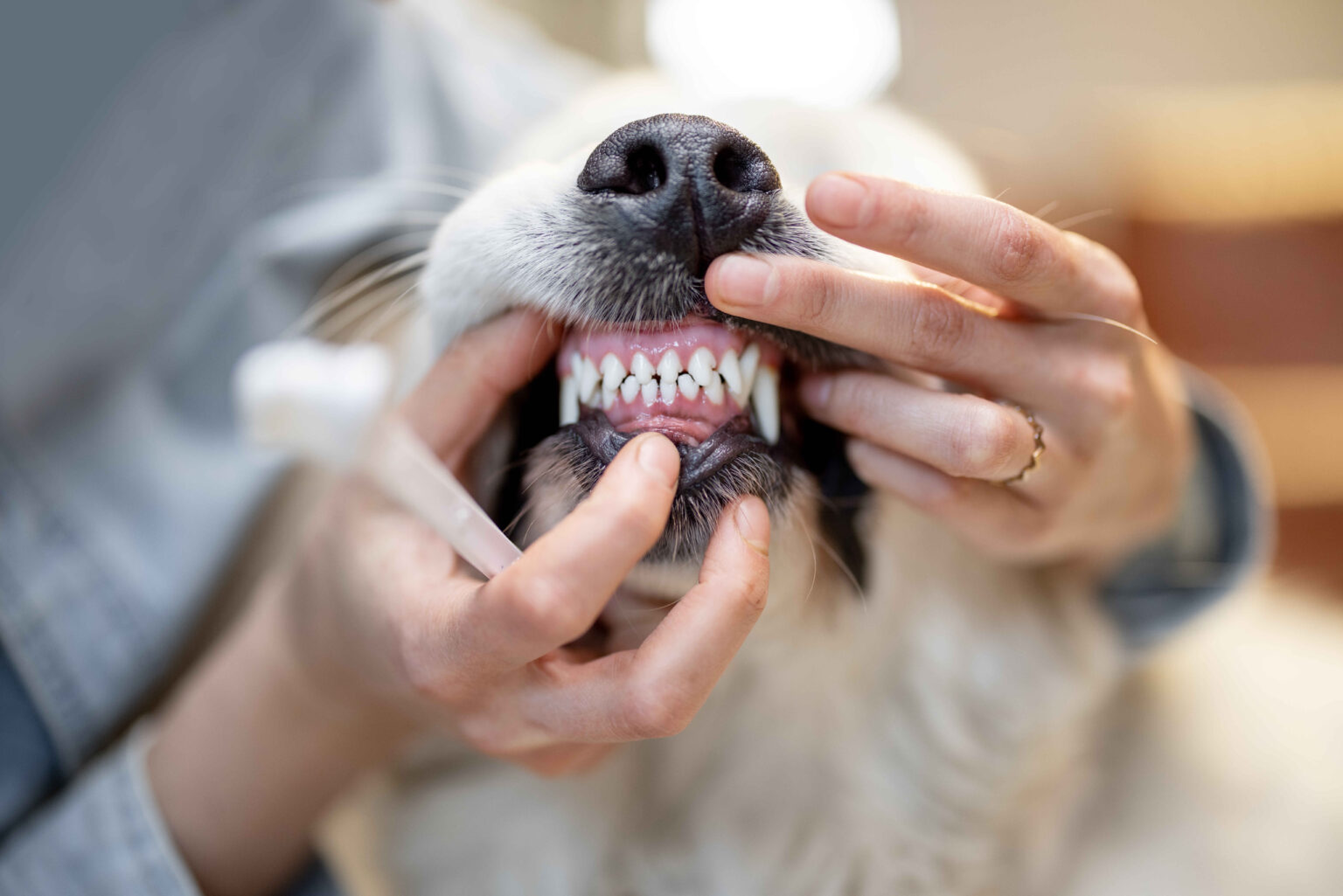
Nothing replaces the mechanical action of toothbrush bristles physically scrubbing away sticky plaque. While daily brushing is the ideal scenario, aiming for a minimum of three times a week can dramatically alter your dog’s oral health trajectory. Never use human toothpaste. Ingredients like fluoride can cause stomach upset, and xylitol (a common sweetener) is lethally toxic to dogs. Instead, use enzymatic canine toothpaste. These are formulated to be safely swallowed and come in highly appealing flavors like poultry, beef, or peanut butter.
🐾 Pro Tip: The 7-Day Guide to Introducing the Toothbrush
If your dog runs when they see the brush, you need to desensitize them slowly:
- Day 1-2: Treat the toothpaste like a snack. Let your dog lick a pea-sized amount off your finger. Praise heavily.
- Day 3-4: Gently lift their lip and rub the toothpaste directly against their gums and outer teeth with your bare finger.
- Day 5-6: Introduce a soft-bristled dog toothbrush or a silicone finger-brush. Let them lick the paste off the bristles without brushing.
- Day 7+: Gently lift the lip and brush the outside surfaces of the teeth in small, circular motions. Focus heavily on the back molars where tartar accumulates fastest. Keep sessions under 60 seconds!
2. Utilize Enzymatic Water Additives
If your dog is highly reactive to having their mouth handled, water additives are an excellent, low-stress supplement. These tasteless, odorless liquids are poured into your dog’s daily water bowl. They contain specialized enzymes that work continuously to break down plaque, neutralize odor-causing bacteria, and freshen breath while your dog simply stays hydrated.
3. Invest in VOHC-Approved Dental Chews
The pet store aisles are flooded with treats claiming to clean teeth, but not all are effective. When shopping, look exclusively for the Veterinary Oral Health Council (VOHC) seal of acceptance. This seal is the gold standard, guaranteeing that the chew has undergone rigorous clinical trials proving it reduces plaque and tartar. Remember that chews add calories to your dog’s diet, so adjust their daily meals accordingly. Always supervise your dog while chewing to prevent choking on large, unchewed chunks.
4. Choose Safe Chew Toys (The Knee-Cap Rule)
Chewing is an instinctual behavior that naturally scrapes teeth clean. Opt for durable rubber toys (like KONGs) or tightly woven rope toys. A vital warning: Veterinary dentists frequently treat painful, expensive tooth fractures caused by inappropriate toys. Follow the “Knee-Cap Rule”: If you wouldn’t want the toy hit against your own kneecap, it is too hard for your dog’s teeth. Avoid natural animal bones, hard antlers, hard plastic toys, and synthetic nylon bones.
5. Consider Prescription Dental Diets
For dogs highly prone to oral disease, your veterinarian might prescribe a specialized dental diet (such as Hill’s T/D or Royal Canin Dental). Unlike standard kibble, which shatters as soon as the dog bites into it, dental kibble is extruded differently. It is larger and features a complex fibrous matrix. As the dog bites down, the kibble holds together, acting like a squeegee that physically scrubs the tooth surface down to the gumline before breaking apart.
6. Sprinkle Seaweed-Based Dental Powders
Dietary supplements made from specific strains of kelp and seaweed (most notably Ascophyllum nodosum) are gaining massive popularity. These powders are simply sprinkled over your dog’s regular meals. Once ingested, they work systemically. The active compounds are secreted through your dog’s saliva, softening existing calculus over a few weeks and preventing new plaque from adhering to the enamel.
7. Schedule Annual Veterinary Dental Cleanings
Even pet parents with flawless at-home brushing routines must take their dogs for professional cleanings, much like humans visiting the dentist. A comprehensive oral health assessment and treatment (COHAT) must be performed under general anesthesia. Anesthesia is non-negotiable because it is the only way a veterinarian can safely clean beneath the gumline (where the majority of dental disease hides), scale the inner surfaces of the teeth, and take full-mouth dental X-rays to detect hidden root abscesses, bone loss, or cysts.
Dental Care Across Life Stages: Puppy vs. Senior
Puppy Dental Care (0-1 Year)
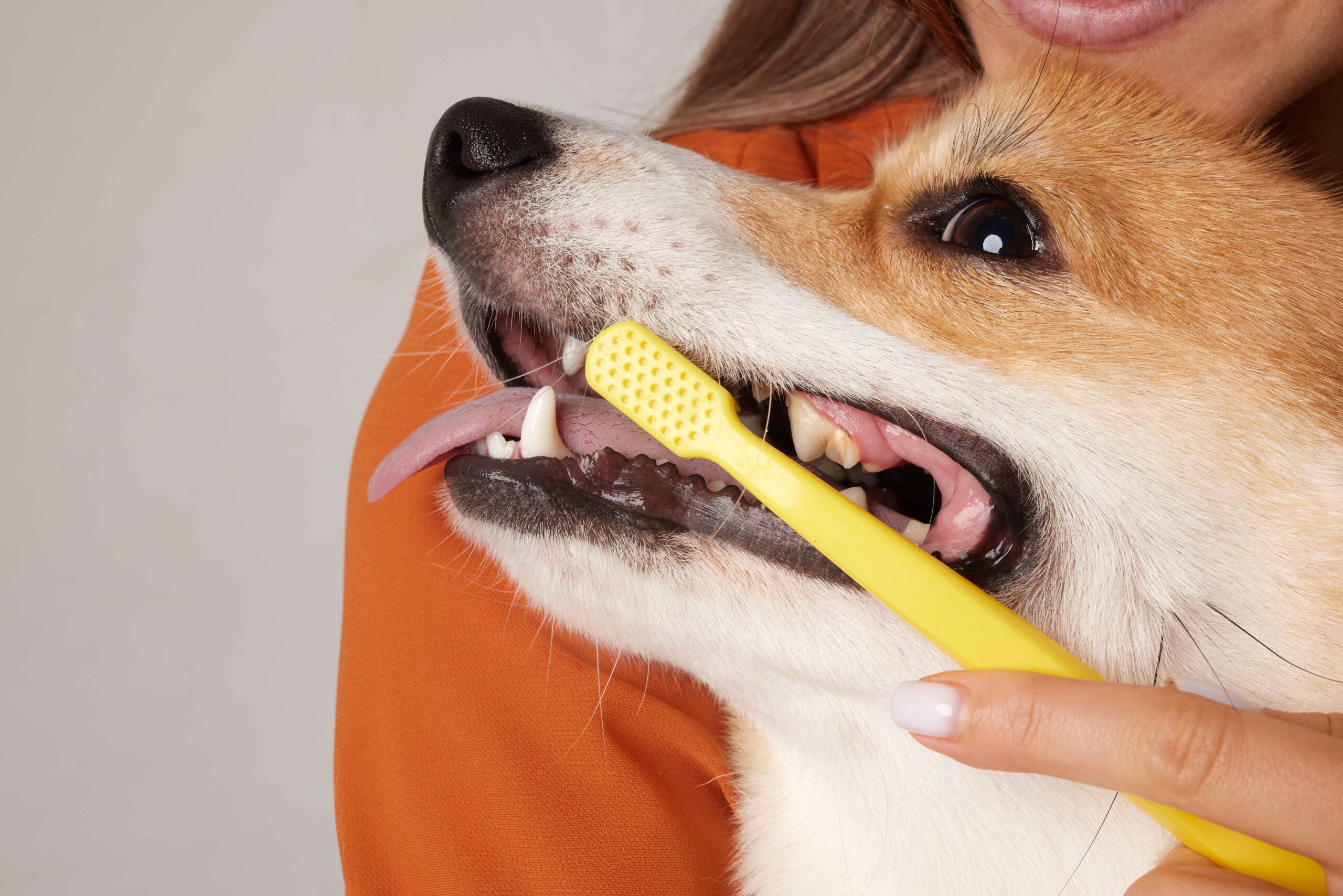
Puppies are born toothless, develop 28 deciduous (baby) teeth by 8 weeks, and then lose those to make way for 42 adult teeth by 6 months. During the teething phase, puppies experience significant gum discomfort. Provide soft, flexible chew toys that have been chilled in the freezer to soothe inflamed gums. This is also the most critical window for training; gently touching a puppy’s muzzle and gums daily will make them much more cooperative for adult tooth brushing.
Senior Dog Dental Care (7+ Years)
Older dogs often suffer the cumulative effects of a lifetime of chewing and plaque buildup. They are more likely to require tooth extractions due to advanced periodontal disease. Do not fear extractions; a dog will eat much more comfortably with missing teeth than they will with a mouth full of painful, infected teeth. For olde dogs with missing or sensitive teeth, switching to a high-quality wet food or soaking their kibble in warm water or bone broth can make mealtime enjoyable again.
Natural vs. Commercial Dental Remedies
As holistic pet care rises in popularity, many owners look for natural alternatives to commercial toothpastes and chews. While some are helpful, others carry hidden risks.
- Raw Bones: Highly controversial. Raw feeders argue that meaty bones naturally clean teeth. However, the American Veterinary Medical Association (AVMA) warns against them due to the high risk of fractured teeth, intestinal blockages, and Salmonella or E. coli contamination.
- Carrots and Apples: These are fantastic, safe, natural alternatives. Large, frozen carrots act as an edible chew toy that gently scrapes plaque, while apple slices (without the toxic seeds) provide a crisp, tooth-cleaning crunch.
- Coconut Oil: Naturally antimicrobial, some owners use unrefined virgin coconut oil as a natural toothpaste. While it may help reduce bacteria, it lacks the enzymatic scrubbing power of commercial dog toothpaste and adds unnecessary fat to the diet if overused.
How Much Does a Professional Dog Dental Cleaning Cost?
Cost is a major concern for pet owners, and it is important to budget for professional care. Because veterinary dentistry requires general anesthesia, the cost is higher than a human dentist visit.
On average, a baseline cleaning (which includes pre-anesthetic bloodwork, IV fluids, anesthesia, scaling, polishing, and full-mouth X-rays) ranges from $300 to $800. However, if your dog’s mouth requires extensive work—such as multiple surgical extractions of diseased teeth, nerve blocks, and post-operative pain medication—the bill can easily exceed $1,000 to $1,500. Investing in daily brushing and VOHC chews is not just good for your dog’s health; it is the most effective way to save money on veterinary bills.
Is Your Dog High-Risk? (Breed Vulnerabilities)
Genetics play a massive role in oral health. While all dogs need dental care, certain breeds are genetically predisposed to rapid dental decay:
- Small and Toy Breeds: Chihuahuas, Yorkshire Terriers, Dachshunds, and Pomeranians. These dogs have the same 42 adult teeth as a Great Dane, but they are crammed into a tiny jaw. This overcrowding leads to rotated teeth and tight crevices where plaque accumulates rapidly.
- Brachycephalic (Flat-Faced) Breeds: Pugs, French Bulldogs, English Bulldogs, and Shih Tzus. Their shortened snouts drastically alter the alignment of their jaws (malocclusion), leading to an underbite that makes natural self-cleaning through chewing almost impossible.
- Greyhounds: For reasons not entirely understood by veterinary science, Greyhounds are notoriously prone to severe enamel wear and aggressive periodontal disease at a young age.
Signs Your Dog Has Dental Disease
Dogs are masters at hiding chronic pain. They will often continue to eat enthusiastically even with a mouth full of rotting teeth. Do not wait for your annual vet visit if you notice any of the following red flags:
- Severe, foul-smelling breath (halitosis)
- Gums that are bright red, swollen, or bleed when touched
- Visible yellow, brown, or gray crust on the teeth
- Dropping kibble from their mouth while trying to eat
- Favoring one side of the mouth to chew
- Pawing repeatedly at the mouth or rubbing their face on the carpet
- Excessive drooling, sometimes accompanied by blood
- Unexplained lethargy or a sudden loss of interest in chew toys
Conclusion
Implementing a rigorous dog dental care routine may seem daunting at first, but it doesn’t have to be overwhelming. The key is consistency. Start small by introducing a water additive or a high-quality, VOHC-approved chew into their daily routine. Slowly work your way up to regular brushing, and make sure to partner with your veterinarian for annual examinations.
Remember, dental disease is progressive, but it is also preventable. By investing just a few minutes a day into your dog’s oral hygiene, you are actively protecting their internal organs, ensuring their comfort, and ultimately extending the precious years you get to spend with your best friend.