

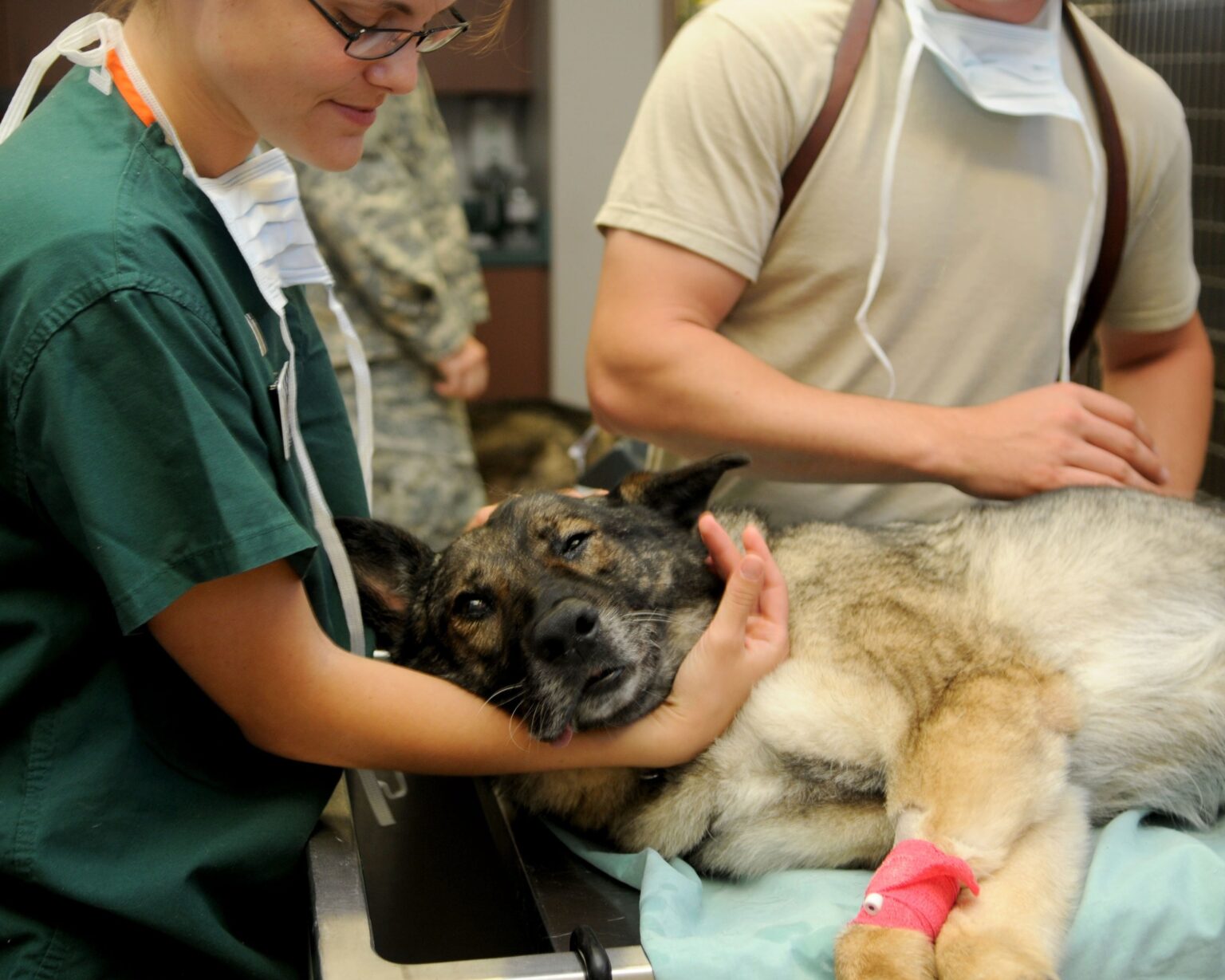
As a loving dog owner, there’s nothing more concerning than seeing your furry friend unwell. Dogs, just like humans, can experience a wide range of medical problems, from minor ailments to serious life-threatening conditions. Understanding common dog medical problems, recognizing their symptoms, and knowing when to seek professional veterinary help are crucial aspects of responsible pet ownership. This comprehensive guide from PetsNPaw is designed to equip you with vet-approved tips and practical advice to keep your canine companion healthy and happy for years to come.
- 1. Understanding Your Dog’s Health: The Basics
- 2. Common Medical Problems in Dogs
- Gastrointestinal Issues
- Skin Conditions
- Musculoskeletal Problems
- Ear & Eye Problems
- Dental Disease (Periodontal Disease)
- 🚨 When to See Your Vet: Emergency Signs
- 3. Frequently Asked Questions (FAQ)
- Q1: How can I tell if my dog is in pain?
- Q2: Should I induce vomiting if my dog eats something toxic?
- Q3: Why is my dog scooting their butt on the floor?
- Q4: Are annual vet visits really necessary if my dog seems perfectly healthy?
- 4. References
Our goal is to empower you with knowledge, helping you navigate the complexities of canine health with confidence. We’ll cover everything from preventive care and common illnesses to emergency situations, ensuring you’re prepared for whatever comes your way.
1. Understanding Your Dog’s Health: The Basics
The foundation of good health for your dog lies in understanding their normal behavior, appetite, energy levels, and bodily functions. This baseline knowledge will help you quickly spot when something is amiss.
The Importance of Regular Vet Check-ups
Preventive care is the cornerstone of your dog’s long-term health. Regular veterinary check-ups, typically once a year for adult dogs and more frequently for puppies and senior dogs, are vital. These visits allow your veterinarian to:
- Perform a thorough physical examination to detect subtle changes.
- Administer necessary vaccinations to protect against serious diseases like rabies, distemper, parvovirus, and adenovirus [AVMA, 2023].
- Recommend and administer parasite prevention (fleas, ticks, heartworms, intestinal worms).
- Discuss nutrition, weight management, and age-appropriate care.
- Address any behavioral concerns or minor health issues before they escalate.
Recognizing Normal vs. Abnormal
Being observant is your superpower as a pet owner. Pay attention to your dog’s daily routine and habits:
- Appetite and Thirst: Is your dog eating and drinking normally? A sudden decrease or increase can be a red flag.
- Energy Levels: Is your dog as playful and active as usual? Lethargy or restlessness can indicate discomfort.
- Urination and Defecation: Are bowel movements and urination regular, and are the consistency and color normal?
- Breathing: Is their breathing quiet and unlabored?
- Grooming: Is their coat shiny and free of excessive shedding, flakes, or parasites?
- Behavior: Are they interacting with you and others as usual? Changes in temperament can sometimes signal pain or illness.
2. Common Medical Problems in Dogs
Dogs are susceptible to a variety of health issues. Here, we’ll delve into some of the most common medical problems, offering insights into their symptoms, causes, and initial steps you can take.
Gastrointestinal Issues
Digestive problems are among the most frequent reasons dogs visit the vet.
Vomiting and Diarrhea
These are common symptoms that can range from mild, self-limiting issues to signs of serious underlying conditions.
- Causes: Dietary indiscretion (eating something they shouldn’t), sudden diet changes, parasites, bacterial infections, viral infections (like parvovirus), inflammatory bowel disease, pancreatitis, kidney disease, liver disease, and certain medications.
- Symptoms: Repeated vomiting, liquid stools, blood in vomit or stool, lethargy, loss of appetite, abdominal pain, dehydration.
- What to Do: For a single episode of vomiting or mild diarrhea in an otherwise healthy adult dog, you might withhold food for 12-24 hours (but not water), then offer small, bland meals (e.g., boiled chicken and rice). Always consult your vet if symptoms persist or worsen [WebMD Pets, 2022].
Bloat (Gastric Dilatation and Volvulus – GDV)
Bloat is a life-threatening emergency, especially in large, deep-chested breeds. The stomach fills with gas and can twist, cutting off blood supply.
- Symptoms: Retching without vomiting, distended abdomen, restlessness, excessive drooling, pain, collapse.
- What to Do: This is an absolute emergency. Seek immediate veterinary care. There is no effective home treatment. [VCA Hospitals, 2023].
Pancreatitis
Inflammation of the pancreas, often triggered by a high-fat meal.
- Symptoms: Vomiting, diarrhea, severe abdominal pain, hunched posture, lethargy, loss of appetite.
- What to Do: Requires immediate veterinary attention for diagnosis and treatment, which often involves IV fluids, pain management, and dietary changes [PetMD, 2023].
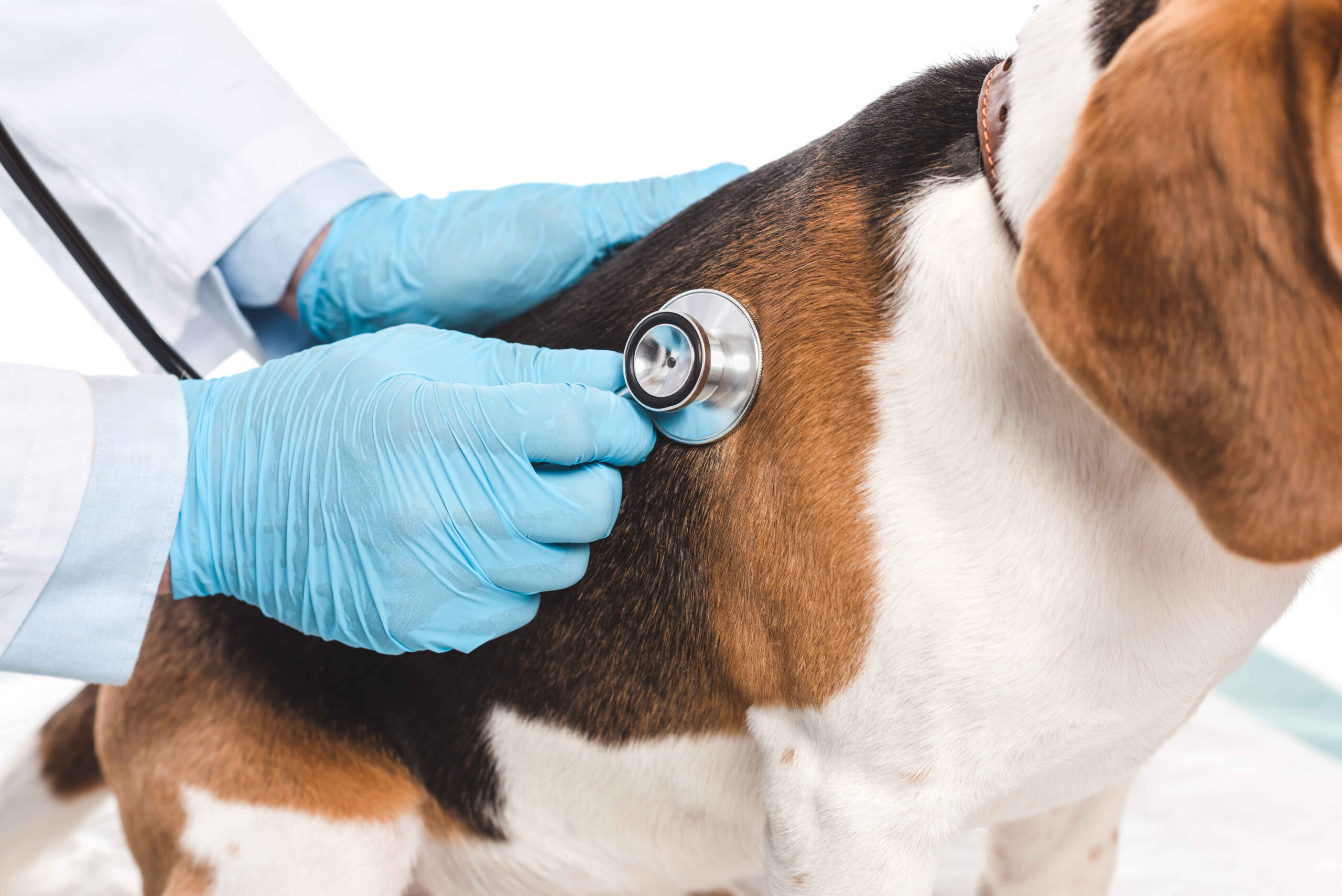
Skin Conditions
Skin issues are incredibly common and can cause significant discomfort for your dog.
Allergies
Dogs can suffer from environmental allergies (pollen, dust mites), food allergies, and flea allergies.
- Symptoms: Itching, scratching, licking paws, rubbing face, skin redness, hair loss, recurrent ear infections, hot spots.
- What to Do: Your vet can help identify the allergen and recommend treatments such as antihistamines, steroids, specialized diets, or topical therapies [PetMD, 2024].
Hot Spots (Acute Moist Dermatitis)
These are red, moist, irritated skin lesions that appear suddenly and can spread rapidly, often caused by excessive licking in response to an underlying itch.
- What to Do: Requires veterinary attention. Treatment typically involves clipping the hair, cleaning the lesion, and applying topical or oral medications. Preventing licking with an Elizabethan collar (cone) is essential.
Musculoskeletal Problems
Issues affecting bones, joints, and muscles are particularly common in older dogs and certain breeds.
Arthritis (Osteoarthritis)
Degenerative joint disease, common in older dogs and those with previous joint injuries.
- Symptoms: Stiffness, lameness (especially after rest), difficulty rising, reluctance to jump, decreased activity.
- What to Do: While incurable, arthritis can be managed with weight control, pain medications (NSAIDs), joint supplements (glucosamine), and physical therapy [AKC, 2023].
Ear & Eye Problems
These delicate areas are prone to infection and irritation.
Ear Infections (Otitis Externa)
Inflammation or infection of the external ear canal.
- Causes: Allergies, moisture, ear mites, excessive hair in the ear canal, bacterial or yeast overgrowth.
- Symptoms: Head shaking, scratching at ears, redness, swelling, dark discharge, foul odor, and pain when touched.
- What to Do: Never put Q-tips into a dog’s ear! Visit your vet to determine if the infection is yeast, bacterial, or mite-related. They will prescribe the appropriate medicated drops and a safe ear cleanser.
Corneal Ulcers and Eye Infections
Scratches on the surface of the eye or bacterial infections (conjunctivitis).
- Symptoms: Squinting, excessive tearing, yellow or green eye discharge, pawing at the eye, cloudiness.
- What to Do: Eye issues can deteriorate rapidly and lead to blindness. Seek veterinary care immediately. Never use leftover human eye drops on your dog.
Dental Disease (Periodontal Disease)
By age three, the majority of dogs have some evidence of dental disease, which can lead to systemic health issues if bacteria enter the bloodstream.
- Symptoms: Bad breath, yellow/brown tartar buildup, red and swollen gums, dropping food from the mouth, or reluctance to chew hard toys.
- What to Do: Preventative care includes daily tooth brushing with dog-safe toothpaste and dental chews. Severe cases require a professional veterinary dental cleaning under anesthesia.
🚨 When to See Your Vet: Emergency Signs
While some minor issues can be monitored at home, certain symptoms require immediate emergency veterinary care. Do not wait if your dog exhibits any of the following:
- Unproductive Retching: Trying to vomit but nothing comes up (a primary sign of Bloat).
- Breathing Difficulties: Pale or blue gums, gasping for air, or excessive panting while resting.
- Neurological Signs: Seizures, sudden stumbling, circling, or extreme lethargy/unresponsiveness.
- Toxin Exposure: Known ingestion of chocolate, grapes, xylitol (sugar substitute), antifreeze, or human medications.
- Inability to Urinate: Straining to pee with no urine coming out is a life-threatening blockage.
3. Frequently Asked Questions (FAQ)
Q1: How can I tell if my dog is in pain?
Dogs are stoic and often hide pain. Look for subtle signs like excessive panting when resting, reluctance to climb stairs, hiding, licking a specific joint repeatedly, trembling, or a sudden change in temperament (e.g., a sweet dog suddenly snapping).
Q2: Should I induce vomiting if my dog eats something toxic?
Not always! While inducing vomiting is correct for some toxins, it can be fatal for others (like caustic chemicals or sharp objects, which will do more damage coming back up). Always call your vet or an Animal Poison Control hotline before inducing vomiting.
Q3: Why is my dog scooting their butt on the floor?
While often joked about, “scooting” is usually a sign that your dog’s anal glands are full, impacted, or infected. It can also indicate tapeworms or allergies. Have your vet check and express the anal glands if necessary.
Q4: Are annual vet visits really necessary if my dog seems perfectly healthy?
Absolutely. Dogs age much faster than humans. An annual exam for a dog is like a human going to the doctor once every five to seven years. Vets can detect heart murmurs, dental disease, and early signs of organ failure long before your dog shows outward symptoms.
4. References
- American Veterinary Medical Association (AVMA). (2023). Pet Vaccinations.
- WebMD Pets. (2022). Diarrhea in Dogs: Causes and Treatment.
- VCA Animal Hospitals. (2023). Gastric Dilatation and Volvulus (GDV) in Dogs.
- PetMD. (2023). Pancreatitis in Dogs.
- PetMD. (2024). Allergies in Dogs.
- American Kennel Club (AKC). (2023). Arthritis in Dogs: Recognizing the Signs.