



Just like people, dogs feel much better, live longer, and act happier when they are in peak physical condition. But unlike people, dogs cannot advocate for their own well-being or make healthy lifestyle choices. They rely entirely on you to provide the right nutrition, adequate exercise, and necessary medical care.
If you want to keep your favorite furry friend on the track to better living, proactive care is essential. By implementing a few straightforward daily habits, you can prevent costly medical issues and ensure your canine companion thrives. Follow these essential tips to maximize your dog’s health and happiness.
1. Exercise Builds Efficient Bodies
Nothing makes a pooch happier than a stimulating stroll through the neighborhood. While your dog is satisfying their natural curiosity by sniffing trees and bushes, they are also burning essential calories to prevent obesity. According to the Association for Pet Obesity Prevention, canine obesity is an epidemic that leads to severe joint issues, diabetes, and heart disease.
For more intense physical activity, try throwing some balls or a frisbee in a securely fenced area. This encourages your dog to run a little harder, helping to expand lung capacity, tone muscle, and keep their cardiovascular system strong. No matter what activity you choose, your canine companion will enjoy the physical benefits of regular exercise while forging a stronger, unbreakable bond with you.
2. Protect Their Smile with Dental Care

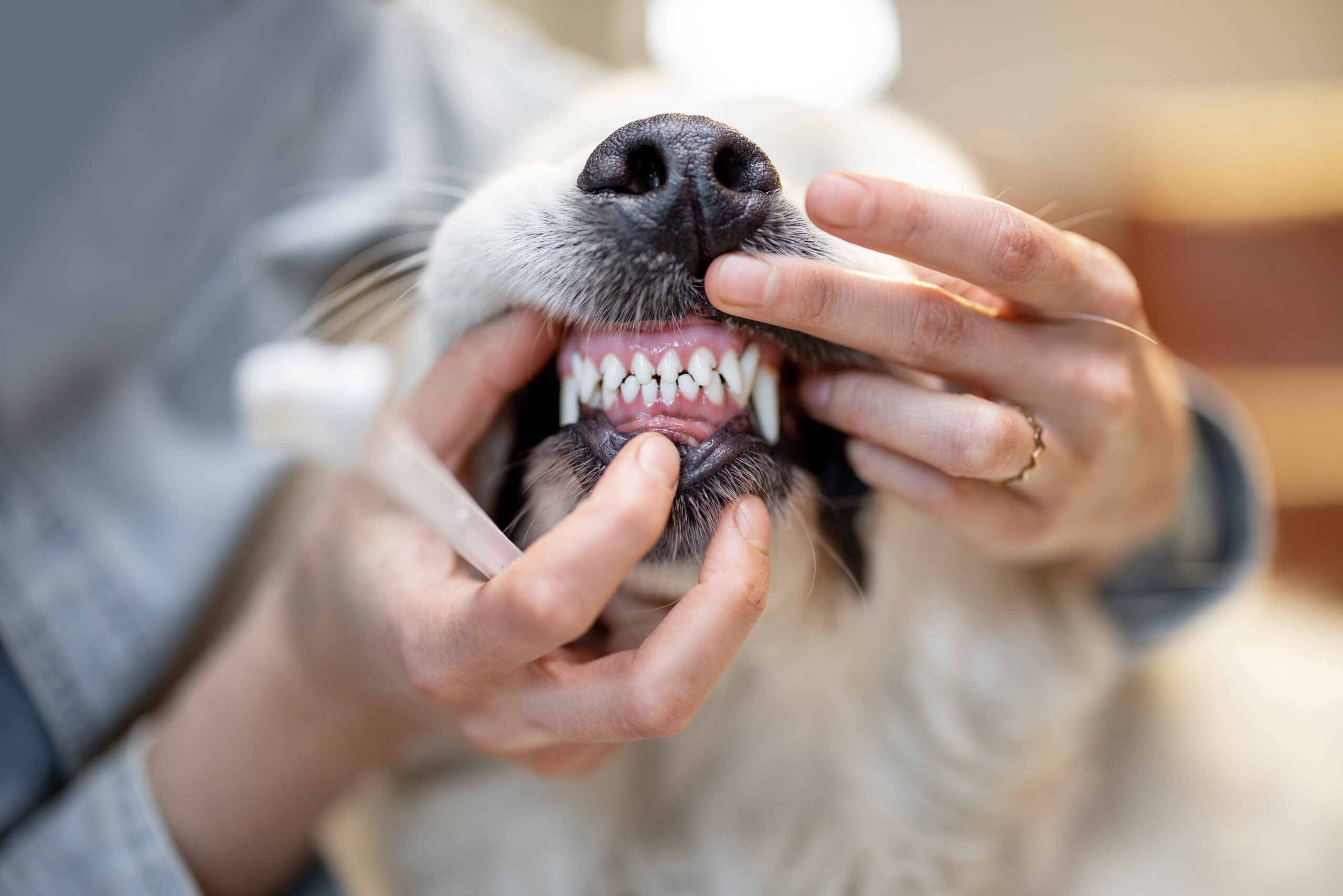
You probably remember to brush your own teeth every morning and night, but doggie dental care often goes completely by the wayside. The American Veterinary Medical Association (AVMA) warns that neglecting your dog’s teeth leads to periodontal disease, which can cause painful tooth loss and allow dangerous bacteria to enter the bloodstream, potentially damaging the heart and kidneys.
Aim to brush your dog’s teeth at least three times a week using a pet-safe toothpaste. For dogs that are temperamental about pet owners or vets touching their mouths, a simple and effective solution can be found in canine dental water additives or specialized probiotics (such as Teddy’s Pride Pet Oral Care Probiotic). These products are designed specifically for the oral care needs of dogs and can be used in addition to brushing to control plaque and freshen breath.
3. Learn to Read Dog Food Labels
Unlike people, dogs cannot read food labels. They are entirely dependent upon their owners to decode marketing jargon and provide the best possible nutrition. Understanding FDA guidelines on pet food labels is one of the most powerful ways to protect your dog’s health.
When selecting a dog food, look closely at the ingredient list. The ingredients are listed by weight. Ensure that the very first ingredient is a whole, identifiable meat source, for example, “Chicken” or “Beef.”
| Label Wording | What It Actually Means |
|---|---|
| “Chicken Dog Food” | The product must contain at least 95% chicken (excluding water). |
| “Dog Food with Chicken” | The “with” designation means the food is only required to contain 3% chicken. |
| “Chicken Flavor” | Contains only enough chicken extract/fat to be detectable; often less than 1%. |
4. Prioritize Mental Stimulation
Physical exercise is only half the battle. A bored dog is a stressed dog, and chronic stress can weaken the immune system and lead to destructive behavioral issues. Dogs are highly intelligent and need to use their brains daily.
Provide mental enrichment by incorporating puzzle toys, lick mats, and snuffle mats into their routine. You can also dedicate just 10 minutes a day to teaching a new trick or practicing basic obedience. Mental fatigue often exhausts a high-energy dog even faster than a long run.
5. Maintain Strict Parasite Prevention
Protecting your dog from the inside out is non-negotiable. Fleas, ticks, and mosquitoes are not just annoying pests; they carry devastating diseases such as Lyme disease, Anaplasmosis, and heartworm.
According to the American Heartworm Society, heartworm disease is highly fatal and incredibly expensive to treat, but it is 100% preventable. Ensure your dog is on a year-round, vet-approved preventative medication for fleas, ticks, and heartworms, regardless of whether they are an indoor or outdoor dog.
6. Visit the Vet Regularly
Similar to people visiting the doctor for annual physicals, dogs need routine veterinary care to catch silent issues early. Every dog has potential health risks they must guard against, and many of these risks vary heavily according to their specific breed size and genetics.
Your dog’s veterinarian will conduct a full physical examination, listen to their heart, and run baseline bloodwork to ensure their internal organs are functioning properly. They will also let you know when core vaccinations recommended by AAHA (like Rabies, DHPP, and Bordetella) are due, giving you the proactive tools required to keep your dog healthy for years to come.
Frequently Asked Questions (FAQ)
What is the most important thing to keep a dog healthy?
While all aspects of care are vital, maintaining a lean, healthy weight through portion control and high-quality nutrition is arguably the most impactful. Obesity is the leading cause of preventable diseases and joint pain in dogs, drastically reducing their lifespan.
How often should my dog go to the vet?
Healthy adult dogs (ages 1 to 7) should visit the veterinarian at least once a year for a comprehensive wellness exam and vaccinations. Senior dogs (ages 8 and up) or dogs with chronic health conditions should be seen every six months to monitor age-related changes.
How much exercise does a dog need every day?
This depends entirely on the breed, age, and health of the dog. Generally, most dogs need a minimum of 30 to 60 minutes of physical activity each day. High-energy working breeds (like Huskies or Border Collies) may require up to two hours of vigorous exercise daily.
References & Further Reading
- American Veterinary Medical Association (AVMA): Guidelines for Canine Preventative Healthcare – avma.org
- American Kennel Club (AKC): Dog Nutrition and Exercise Requirements – akc.org
- Veterinary Centers of America (VCA): Dental Disease in Dogs – vcahospitals.com
- Companion Animal Parasite Council (CAPC): Dog Parasite Prevention Guidelines – capcvet.org