


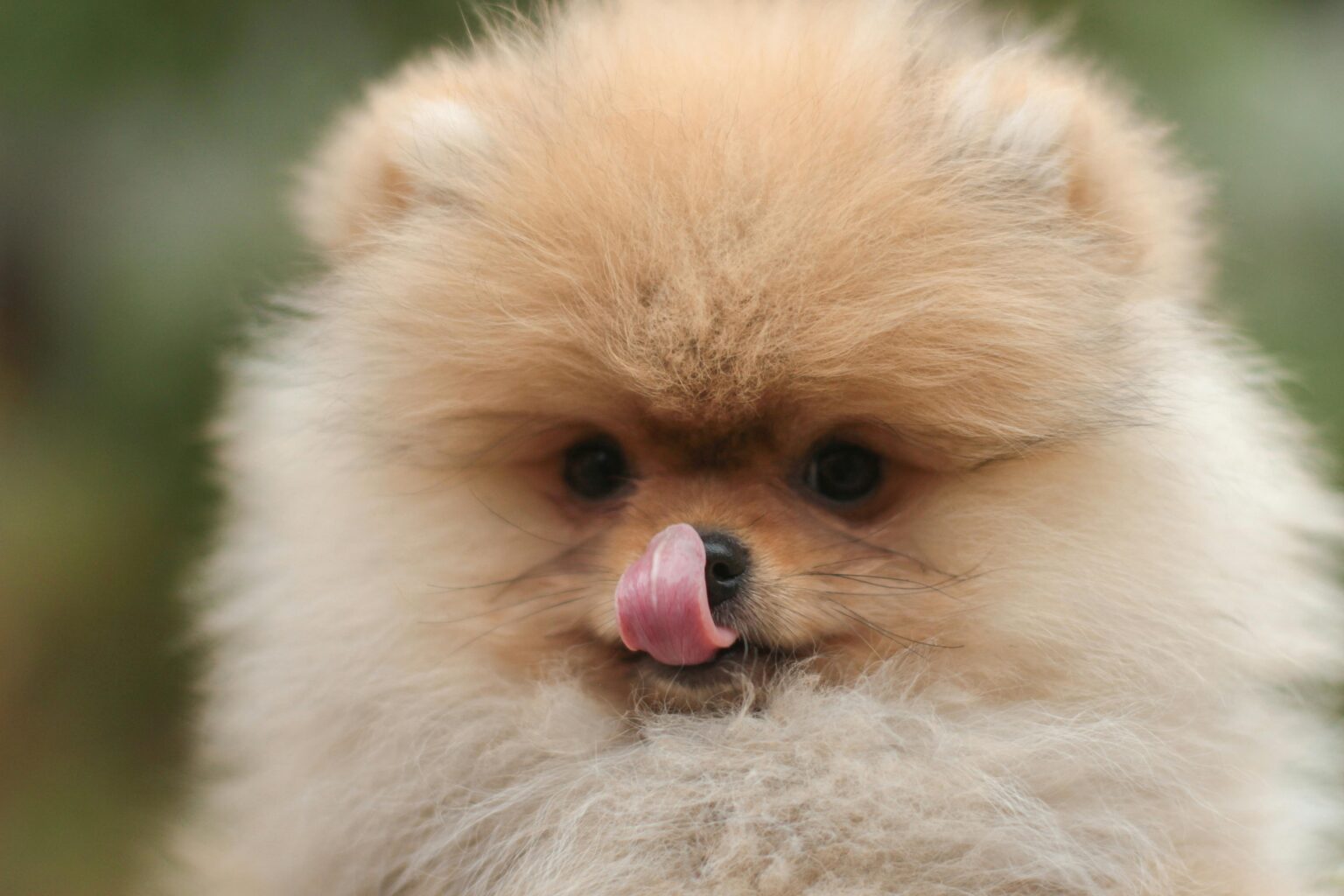
With their extravagant, fluffy double coats and vibrant, spunky personalities, Pomeranians are one of the most beloved toy breeds in the world. However, keeping that luxurious coat shining and that endless energy fueled requires highly specific Pomeranian nutrition. You cannot simply feed them standard dog food and expect them to thrive.
The direct answer to what your dog needs is precise: the best dog food for Pomeranians is high in protein, rich in healthy omega fatty acids, and specifically manufactured with a small kibble size designed for toy breeds.
Because they possess tiny stomachs but incredibly fast, high-revving metabolisms, every single bite of their food must be packed with bioavailable nutrients. In this ultimate Pomeranian feeding guide, we will break down exactly what ingredients to look for, reveal the top vet-approved product recommendations, and explain how to manage common toy breed allergies.
What Is the Best Dog Food for Pomeranians? (Quick Answer)
If you are frantically searching the pet store aisles wondering what is the best food for a Pomeranian, look for these four non-negotiable elements on the bag’s label:
- High-Quality Protein: Real meat (like deboned chicken, turkey, or salmon) must be the first ingredient.
- Small Kibble Size: Toy breeds have tiny jaws and are prone to severe dental disease; they need the best kibble for small dogs that they can easily chew and crunch.
- Omega Fatty Acids: Essential for preventing dry skin and keeping their massive double coat soft.
- Digestible Carbs: Ingredients like brown rice or sweet potatoes provide the sustained energy their fast metabolisms demand.
Nutritional Needs of a Pomeranian
A perfectly balanced Pomeranian diet plan requires a highly specific macronutrient breakdown. Because toy breeds burn through calories much faster per pound than large dogs, their food must be incredibly nutrient-dense.
- Protein (~25–30%): Crucial for maintaining lean muscle mass and supporting the continuous growth of their thick fur.
- Fat (15–20%): Fat is a dog’s primary energy source. High-quality fats keep their energy levels stable and their skin deeply moisturized.
- Carbohydrates (Moderate): Complex carbs provide necessary glucose to prevent dangerous blood sugar drops (hypoglycemia), which are common in tiny dogs.
- Fiber: A premium digestive health dog food will include natural fibers like pumpkin or beet pulp to ensure firm, regular stools.
Best Dog Food for Pomeranians (Top Picks)
To help you bypass the confusing marketing labels, here are the top-performing categories for optimal toy breed dog food based on veterinary consensus and owner reviews.
Best Overall: Premium Small Breed Formula
The best overall choice will be a highly researched, WSAVA-compliant brand (like Purina Pro Plan Toy Breed or Hill’s Science Diet Small Paws). These formulas offer the perfect balance of a tiny kibble size, high protein, and fortified calcium to protect their fragile bones.
Best for Pomeranian Puppies
Finding the best food for Pomeranian puppy development is critical. Puppies need slightly higher protein (28-30%) and DHA from fish oil to support rapid brain and eye development during their first year of life.
Best for Sensitive Stomachs
If your Pom frequently suffers from loose stools or gas, look for a small breed sensitive digestion formula. These diets utilize highly digestible proteins (like egg or salmon) and include prebiotic fibers to soothe the gut.
Best Budget Option
You do not have to spend a fortune to feed your dog well. Trusted brands like Iams or Eukanuba offer excellent, safe small breed formulas that feature real meat as the first ingredient without the boutique price tag.
Best Fresh / Natural Food
For owners dealing with incredibly picky eaters, fresh food subscriptions (like The Farmer’s Dog) or gently cooked refrigerated rolls offer human-grade ingredients that are almost impossible for a Pomeranian to resist.
What Ingredients to Look for in Pomeranian Dog Food
When flipping the bag over to read the ingredient panel, a high protein dog food small breed formula should prominently feature:
- Real Meat First: You want to see “Chicken” or “Salmon,” not an unnamed “Meat Meal.”
- Omega-3 & Omega-6 Fatty Acids: Often sourced from flaxseed or fish oil, these are the secret to a healthy coat dog food.
- Probiotics: Live, active cultures heavily support digestion and immune system health.
- Vitamins & Minerals: Calcium and phosphorus are particularly vital for supporting their tiny, fragile kneecaps and preventing dental decay.
What Should You NOT Feed a Pomeranian?
Because they are so tiny, even a minuscule amount of toxic food can be instantly fatal to a Pomeranian. You must strictly avoid feeding them:
- Chocolate and Caffeine: Highly toxic to the canine heart and nervous system.
- Grapes and Raisins: Can cause sudden, irreversible kidney failure.
- Onions and Garlic: Destroys a dog’s red blood cells, leading to severe anemia.
- Xylitol (Artificial Sweetener): Found in sugar-free gum and peanut butter; causes a fatal drop in blood sugar and liver failure.
- Fatty Foods: Bacon grease or fatty steak trimmings can easily trigger a painful, life-threatening bout of pancreatitis in small dogs.
Can Pomeranians Eat Human Food?
Many owners love sharing snacks with their dogs, but you must know what is safe for their delicate systems.
Can Pomeranians eat carrots?
Yes! Baby carrots make a fantastic, low-calorie, crunchy snack that actually helps scrape tartar off their teeth.
Can they drink milk?
While a tiny lick of plain yogurt might be fine, milk is not ideal. Most dogs are naturally lactose intolerant, and milk will cause severe gas and diarrhea.
Safe Fruits & Vegetables
Bite-sized pieces of apples (no seeds), blueberries, seedless watermelon, and plain green beans are excellent, vitamin-rich treats. You can also check What Dogs Cannot Eat: 25 Dangerous Foods That Can Kill Your Dog
Best Dog Food for Pomeranians With Allergies / Skin Issues
Pomeranians are genetically prone to skin sensitivities, including intense itching, hot spots, and atopic dermatitis. If your dog is constantly chewing their paws or scratching, they need a specialized Pomeranian allergies food.
Veterinary dermatologists frequently recommend switching to a Limited Ingredient Diet (LID). These foods use a single “novel protein” (like Venison or Salmon) that the dog has never eaten before, preventing the immune system from reacting.
Fish-based proteins are exceptional for atopic dermatitis because the incredibly high levels of Omega-3s naturally reduce severe skin inflammation.
What Do Vets Recommend for Pomeranians?
When asking what do vets recommend for Pomeranians, you will find that veterinary professionals prioritize safety and science over flashy marketing.
Following the global nutrition guidelines set by the World Small Animal Veterinary Association (WSAVA), vets strongly recommend established brands that employ full-time board-certified veterinary nutritionists and conduct rigorous feeding trials (such as Purina, Hill’s Science Diet, and Royal Canin).
They generally advise against boutique, exotic, or completely grain-free diets unless medically necessary due to ongoing FDA investigations linking grain-free legume diets to heart disease in dogs.
How Much Should You Feed a Pomeranian?
Due to their tiny stature, overfeeding is incredibly easy. An adult Pomeranian typically only eats between 1/4 to 1/2 cup of dry kibble per day, depending heavily on their exact weight and daily activity level.
Frequency: Adult Poms should be fed twice a day. However, young puppies must be fed 3 to 4 tiny meals throughout the day to prevent hypoglycemia (a sudden, dangerous drop in blood sugar).
Weight Control: Excess weight is devastating to a Pomeranian’s fragile knees (luxating patellas). You should easily be able to feel their ribs under their thick fur without having to press hard.
Common Feeding Mistakes
Avoid these frequent pitfalls to keep your Pomeranian in peak condition:
- Overfeeding: A single ounce of cheese to a Pomeranian is the caloric equivalent of a human eating two entire hamburgers.
- Cheap, Low-Quality Food: Foods packed with corn syrup and unnamed meat meals will cause their beautiful coat to become dull and brittle.
- Too Many Treats: Treats should never make up more than 10% of their daily caloric intake.
- Switching Food Too Quickly: Always transition to a new food slowly over 7 to 10 days to prevent explosive diarrhea.
How to Choose the Right Food for YOUR Pomeranian
Ultimately, the best dog food for Pomeranians depends entirely on your specific dog. You must account for their life stage:
- Puppies: Need high-calorie, DHA-enriched kibble for growth.
- Adults: Need perfectly balanced maintenance formulas to support their coat and energy.
- Seniors: Require lower-calorie diets enriched with joint-supporting glucosamine to ease arthritis.
Always consult your veterinarian before making major dietary changes, especially if your Pomeranian is dealing with pre-existing health conditions or severe food allergies. With the right nutrition, your fluffy companion will enjoy a long, vibrant, and energetic life by your side.
Frequently Asked Questions (FAQ)
What is the best food to give a Pomeranian?
The best food is a high-quality, small-breed specific dog food that features real meat as the primary ingredient. It should be rich in healthy omega fatty acids to support their thick double coat and perfectly balanced to fuel their high metabolisms without causing unwanted weight gain.
What foods are toxic to Pomeranians?
Because they are so small, Pomeranians are highly susceptible to poisoning. You must strictly avoid giving them chocolate, grapes, raisins, onions, garlic, macadamia nuts, and any products containing xylitol (a common artificial sweetener found in peanut butter and gum).
Can Pomeranians eat carrots every day?
Yes, in moderation. Raw baby carrots are an excellent, low-calorie treat for Pomeranians. They are packed with healthy vitamins and the crunching action can actually help scrape harmful tartar off their tiny teeth.
What is the healthiest dog food for a Pomeranian?
The healthiest dog food is one backed by scientific feeding trials and formulated by veterinary nutritionists. It should contain highly digestible whole meats, complex carbohydrates for sustained energy, and avoid artificial dyes or unnamed “meat meals.”
What dog food is good for atopic dermatitis?
If your Pomeranian suffers from atopic dermatitis or severe skin itching, veterinarians highly recommend a hypoallergenic or limited-ingredient diet (LID). Foods utilizing a novel fish-based protein (like salmon) are excellent because they are naturally packed with anti-inflammatory Omega-3 fatty acids.
Can Pomeranians drink milk?
While a tiny amount might not be immediately dangerous, milk is generally not ideal. The vast majority of dogs are lactose intolerant, meaning consuming cow’s milk will lead to severe gas, bloating, and explosive diarrhea.