
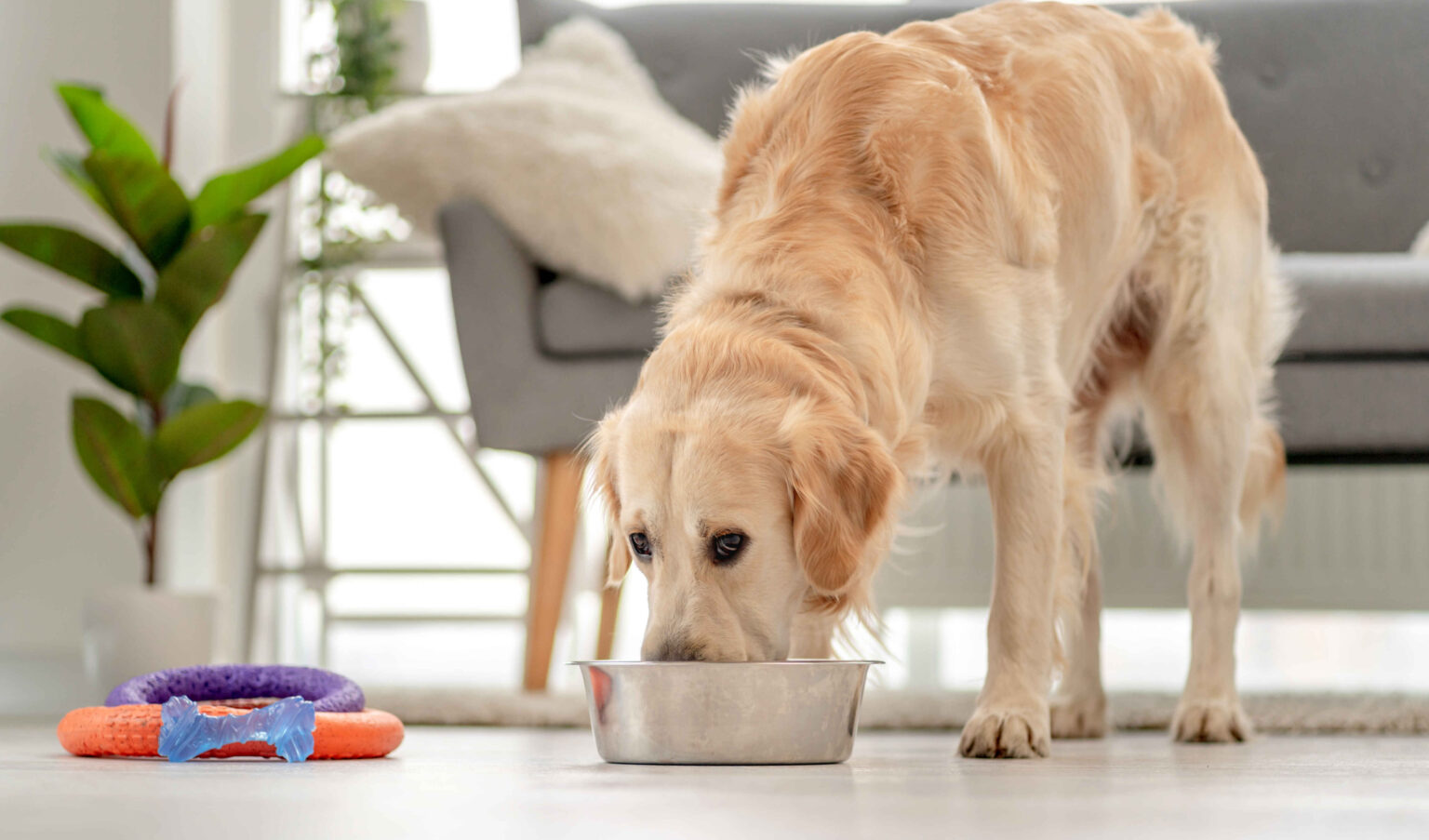
Watching your beloved dog enter their golden years is a beautiful experience. Their muzzle turns gray, their pace slows down a bit, and your bond grows deeper than ever. However, as dogs age, their bodies undergo significant changes, and their nutritional needs evolve right alongside them. What fueled your energetic three-year-old pup may no longer be appropriate—or even comfortable—for your distinguished senior dog.
- Why Choose Soft Dog Food for Senior Dogs?
- 1. Combatting Dental and Oral Health Issues
- 2. Overcoming a Decreased Appetite
- 3. Boosting Essential Hydration
- Key Factors to Consider When Choosing Soft Food
- Specifically Formulated for Seniors
- High-Quality, Whole-Food Ingredients
- Functional Additives for Aging Bodies
- Deep Dive: The Importance of Digestibility
- The Role of Protein in a Senior Dog’s Diet
- Top 5 Soft Dog Foods for Senior Dogs
- 1. Hill’s Science Diet Adult 7+ Small Paws (Savory Stew)
- 2. Blue Buffalo Homestyle Recipe Senior
- 3. Nutro Ultra Grain-Free Senior Soft Food
- 4. Purina Pro Plan Senior Adult 7+ (Wet Entrées)
- 5. Merrick Grain-Free Senior Texas Beef & Sweet Potato
- How to Safely Transition Your Senior Dog to Soft Food
- Common Health Issues in Senior Dogs Addressed by Soft Food
- Conclusion
- Frequently Asked Questions (FAQ)
- References & Further Reading
Proper nutrition plays a pivotal role in maintaining the overall health and happiness of older dogs, directly influencing their quality of life. Unfortunately, senior dogs often face unique challenges related to eating. Dental issues, a diminished sense of smell, and sensitive digestive tracts can all contribute to a sudden loss of appetite. When chewing hard, crunchy kibble becomes a painful chore, your furry best friend may start leaving their bowl half full, missing out on crucial nutrients.
This is where the best soft dog food for senior dogs becomes a true game-changer. Unlike traditional dry kibbles, soft dog food (such as canned wet food, fresh food, or gently cooked pouches) offers a highly palatable, easily digestible alternative. In this comprehensive guide, we will explore why soft food is ideal for older dogs, exactly what ingredients you need to look for, and how to safely transition your senior pup to a diet that will keep them thriving well into their twilight years.
Why Choose Soft Dog Food for Senior Dogs?
Transitioning to a softer diet is often one of the best proactive decisions a pet parent can make. As dogs age, they encounter a range of physical hurdles that can significantly disrupt their eating habits. Here are the primary reasons why making the switch to soft dog food is highly beneficial:
1. Combatting Dental and Oral Health Issues
According to the American Veterinary Medical Association (AVMA), periodontal disease is the most common clinical condition occurring in adult dogs, and it heavily compounds as they reach senior status. Gum disease, tooth decay, or missing teeth make crunching through dense, dry kibble incredibly painful. Soft dog food requires minimal chewing, instantly alleviating mealtime discomfort and preventing your dog from going hungry due to mouth pain.
2. Overcoming a Decreased Appetite
It is incredibly common for older dogs to experience a dip in their appetite. This decline can stem from metabolic changes, the aches of osteoarthritis, or simply a naturally fading sense of smell and taste (a condition known as anosmia). Because dogs rely heavily on their nose to stimulate their appetite, bland dry food often fails to entice them. Soft dog food is highly aromatic and deeply flavorful. Pro Tip: Gently warming soft food in the microwave for 10 seconds releases even more savory aromas, easily tempting a picky senior dog to eat.
3. Boosting Essential Hydration
As dogs age, their thirst drive naturally decreases, making them highly susceptible to chronic dehydration. This can be exceptionally hard on their aging kidneys. Soft dog food typically contains between 70% and 80% moisture, compared to the mere 10% found in dry kibble. Feeding a moist diet acts as a stealthy way to drastically increase your senior dog’s daily water intake, supporting kidney function and urinary tract health.
Key Factors to Consider When Choosing Soft Food
Not all wet foods are created equal. When browsing the aisles or shopping online for the best soft dog food for senior dogs, you must become a diligent label reader. The formulation of the dog food is critical to addressing the unique physiological changes your older dog is experiencing.
Specifically Formulated for Seniors
Opting for products explicitly labeled “senior” or “7+ years” is highly advisable. These specialized formulas typically contain slightly reduced calories to accommodate a slower metabolism, preventing age-related obesity. They are also fortified with targeted supplements like glucosamine and chondroitin sulfate to support aching joints.
High-Quality, Whole-Food Ingredients
A well-balanced senior diet must prioritize exceptional ingredients. Scrutinize the label to avoid cheap fillers like corn, soy, wheat gluten, or artificial additives and colors. The best foods utilize whole-food sources: real meats (like deboned chicken or salmon), fibrous vegetables (like sweet potatoes and carrots), and antioxidant-rich fruits (like blueberries).
Functional Additives for Aging Bodies
Look for foods rich in Omega-3 fatty acids (specifically EPA and DHA derived from fish oil). According to the American Kennel Club (AKC), Omega-3s act as powerful natural anti-inflammatories, soothing arthritic joints and promoting cognitive function to keep your senior dog’s mind sharp.
Deep Dive: The Importance of Digestibility
Digestibility is a paramount factor when selecting soft dog food, as a dog’s gastrointestinal system tends to become significantly less efficient with age. The gut microbiome changes, enzyme production slows down, and older dogs become highly prone to bouts of diarrhea, constipation, and excessive gas.
To combat this, you must choose soft foods that are incredibly easy for their bodies to break down and absorb. Ingredients such as easily digestible proteins (like lean chicken, turkey, or lamb) and soothing carbohydrates (like white rice or pumpkin) are excellent choices. White rice, in particular, is gentle on the stomach and provides quick energy without causing gastrointestinal distress.
Additionally, the best soft foods for seniors will include added dietary fiber and probiotics. Fiber helps regulate bowel movements and firm up stools, while live probiotics replenish the healthy bacteria in the gut, ensuring that your dog actually absorbs the nutrients you are feeding them.
The Role of Protein in a Senior Dog’s Diet
For decades, there was a prevailing myth that senior dogs needed low-protein diets to protect their kidneys. Modern veterinary science has thoroughly debunked this. In fact, healthy senior dogs actually need more high-quality protein than younger adult dogs.
As dogs age, they naturally lose muscle mass—a condition known as sarcopenia. Preserving this muscle is vital for supporting their aging joints and keeping them mobile. Incorporating moderate to high levels of highly digestible, animal-based protein is essential. Tufts University’s Clinical Nutrition Service notes that unless a senior dog has been specifically diagnosed with advanced chronic kidney disease by a veterinarian, protein restriction is unnecessary and can actually cause dangerous muscle wasting.
When selecting a soft food, ensure the first ingredient is a recognizable, named meat source (e.g., “Beef,” not “Meat By-Products”). This ensures your dog is getting the complete amino acid profile required to stay strong.
Top 5 Soft Dog Foods for Senior Dogs

Selecting the right brand can feel overwhelming. To help you navigate your options, here is a carefully curated list of the top five soft dog foods that consistently rate highly for quality, digestibility, and senior-specific dog nutrition:
1. Hill’s Science Diet Adult 7+ Small Paws (Savory Stew)
Formulated meticulously for small and toy breed senior dogs, this soft stew is a nutritional powerhouse. It features highly digestible protein to maintain lean muscle and includes a clinically proven blend of antioxidants (Vitamins C and E) to support a aging immune system. The soft, bite-sized vegetables and tender meat chunks are perfect for tiny, sensitive mouths.
2. Blue Buffalo Homestyle Recipe Senior
Designed with real, deboned chicken as the primary ingredient, this pate-style soft food offers a balanced, nutrient-dense meal. Blue Buffalo incorporates wholesome brown rice and barley to aid in digestion, along with cranberries to support urinary tract health. It is free from poultry by-product meals, corn, wheat, and artificial preservatives.
3. Nutro Ultra Grain-Free Senior Soft Food
If your older dog suffers from grain sensitivities or allergies, Nutro Ultra is a fantastic grain-free option. It utilizes a robust trio of proteins—chicken, lamb, and salmon—to provide a complete amino acid profile. The inclusion of salmon provides a massive boost of Omega-3 fatty acids, which are crucial for maintaining a healthy coat and reducing joint inflammation.
4. Purina Pro Plan Senior Adult 7+ (Wet Entrées)
Purina Pro Plan is frequently recommended by veterinarians due to their extensive, science-backed feeding trials. Their senior wet food line is specifically formulated to promote mental sharpness in older dogs, utilizing botanical oils shown to provide an alternative energy source for the aging brain. It also boasts optimal protein levels to protect muscle mass.
5. Merrick Grain-Free Senior Texas Beef & Sweet Potato
For dogs that crave a rich, beefy flavor, Merrick delivers. This soft food uses real Texas beef as the leading ingredient. The inclusion of sweet potatoes provides an excellent, low-glycemic source of dietary fiber to keep your senior dog’s digestive tract moving smoothly. It also boasts industry-leading levels of glucosamine and chondroitin for maximum joint support.
How to Safely Transition Your Senior Dog to Soft Food
Senior dogs have highly sensitive digestive systems. Abruptly swapping their dry kibble for a rich, moist canned food is a guaranteed recipe for severe gastrointestinal upset, vomiting, and diarrhea. Transitioning your senior dog to soft food must be a systematic, patient process.
We recommend a gradual transition over the course of 7 to 10 days:
- Days 1-3 (The Introduction): Mix 25% of the new soft food with 75% of their old dry kibble. Stir it well so the soft food coats the kibble.
- Days 4-6 (The Shift): Move to a 50/50 blend. Monitor your dog’s stool closely during this phase. If their stool becomes very loose, pause the transition and stay at a 50/50 mix for a few extra days.
- Days 7-9 (The Takeover): Mix 75% of the new soft food with just 25% of the old dry kibble.
- Day 10 (Full Transition): Serve 100% of the new soft dog food.
During this period, keep a close eye on your dog’s energy levels and hydration. If your dog flat-out refuses the new texture, try adding a splash of warm, low-sodium chicken broth (ensure it contains absolutely no onions or garlic) to make the mixture even more irresistible.
Common Health Issues in Senior Dogs Addressed by Soft Food
Upgrading to a premium soft dog food does more than just fill your dog’s belly; it acts as a preventative measure and a management tool for several age-related ailments.
Arthritis and Mobility Issues: The majority of senior dogs will develop some form of osteoarthritis. Soft foods enriched with therapeutic levels of Omega-3 fatty acids, glucosamine, and chondroitin actively lubricate the joints and reduce cartilage degradation, helping your dog walk, stand up, and play with less pain.
Weight Management: Obesity is devastating for senior dogs, exacerbating joint pain and stressing the heart. Because soft food has a high water volume, it physically fills the dog’s stomach with fewer calories than dense dry kibble. This allows your dog to feel fully satiated while consuming fewer calories, aiding in gentle weight loss.
Cognitive Dysfunction: Canine Cognitive Dysfunction (CCD) is similar to Alzheimer’s in humans. Many premium senior soft foods are now formulated with Medium Chain Triglycerides (MCTs) and antioxidants that specifically nourish the aging brain, helping older dogs stay alert, recognize their owners, and maintain their sleep-wake cycles.
Conclusion
Choosing the best soft dog food for senior dogs is one of the most impactful ways you can show love to your aging companion. By making the switch, you immediately remove the pain of chewing hard kibble, reawaken their fading appetite with rich aromas, and provide the critical hydration their aging organs desperately need.
Remember to prioritize highly digestible proteins, seek out joint-supporting supplements, and always transition their diet slowly. However, before making any sweeping dietary changes, it is imperative to consult with your veterinarian. They can help you select a specific brand that perfectly aligns with your dog’s unique medical history and bloodwork.
By prioritizing high-quality, nutritious soft food, you can significantly enhance the quality of life for your older dog, ensuring their golden years are truly their best years.
Frequently Asked Questions (FAQ)
1. Can I mix soft food with my senior dog’s dry kibble?
Absolutely. If your dog still has decent dental health and enjoys a crunch, mixing soft food with their kibble is a fantastic way to enhance the flavor, increase their hydration, and stretch your budget. Just be sure to reduce the amount of dry kibble accordingly to prevent excessive weight gain.
2. How long can soft dog food sit out in the bowl?
Unlike dry kibble, which can sit out all day, soft/wet dog food spoils quickly when exposed to room temperature air. You should never leave wet dog food out for more than 2 to 4 hours. If your dog hasn’t finished it by then, it must be thrown away to prevent bacterial growth.
3. How do I store leftover canned dog food?
Once opened, canned soft dog food must be covered securely with a plastic lid or plastic wrap and stored in the refrigerator. It should be consumed within 3 to 5 days. Since many dogs dislike cold food, let the next portion sit at room temperature for 15 minutes or microwave it for a few seconds before serving.
4. Will soft food make my senior dog’s teeth worse?
There is a common misconception that dry kibble “cleans” teeth. In reality, most kibble shatters before it can scrape plaque away. While soft food doesn’t provide abrasive action, you can maintain your senior dog’s dental health by using dog-specific enzymatic toothpaste, providing safe dental chews, or using water additives.
5. Is grain-free soft food better for older dogs?
Not necessarily. Unless your veterinarian has specifically diagnosed your dog with a grain allergy, wholesome grains like brown rice and oatmeal provide excellent dietary fiber that keeps an older dog’s digestive tract healthy. Always consult your vet before opting for a grain-free diet, especially due to ongoing studies regarding grain-free diets and canine heart health.
References & Further Reading
- American Veterinary Medical Association (AVMA): Pet Dental Care – avma.org/resources-tools/pet-owners/petcare/pet-dental-care
- Tufts University Cummings School of Veterinary Medicine: When Should I Switch My Pet to a Senior Diet? – vetnutrition.tufts.edu
- American Kennel Club (AKC): Senior Dog Food: Meeting Aging Canines’ Nutritional Needs – akc.org/expert-advice/nutrition/senior-dog-nutrition/
- PetMD: The Benefits of Wet Food for Dogs – petmd.com/dog/nutrition/benefits-wet-food-dogs